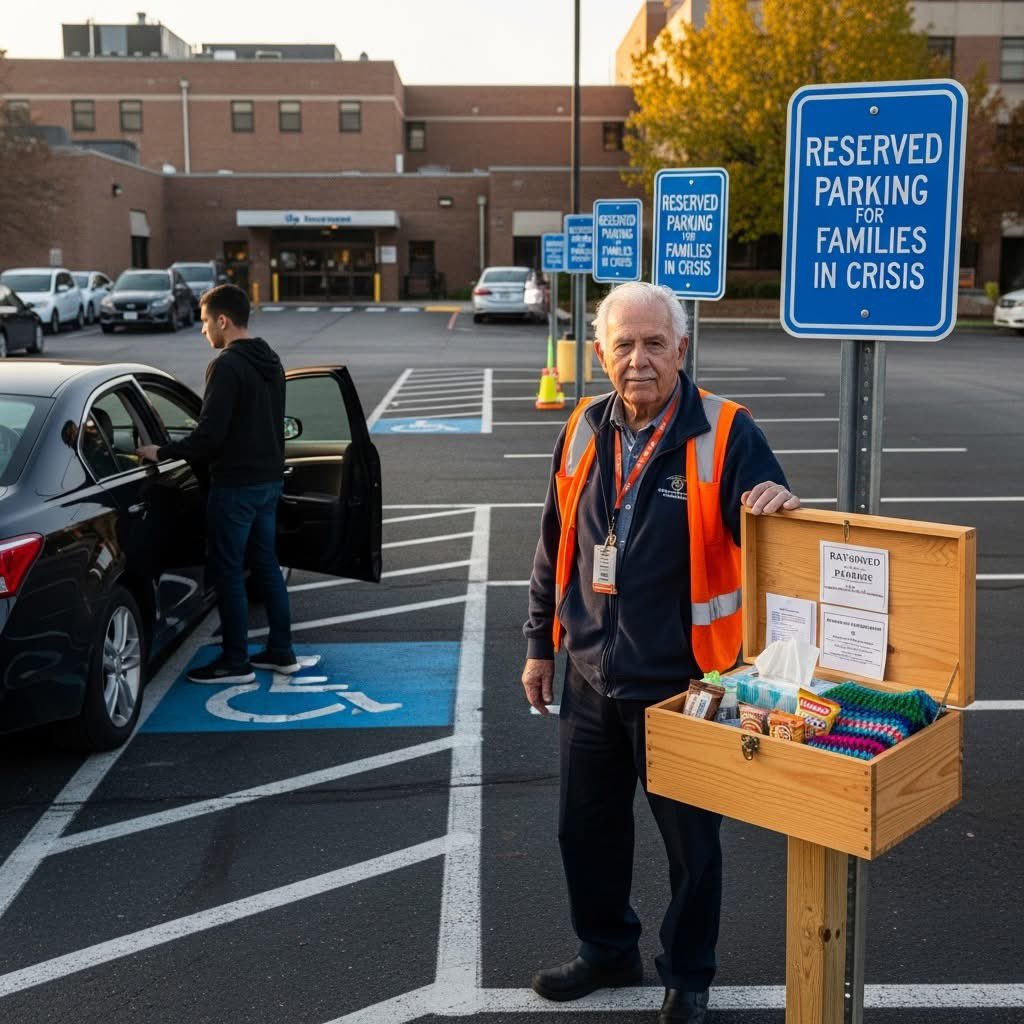
"My name's Raymond. I'm 73. I work the parking lot at St. Joseph's Hospital. Minimum wage, orange vest, a whistle I barely use. Most people don't even look at me. I'm just the old man waving cars into spaces.
But I see everything.
Like the black sedan that circled the lot every morning at 6 a.m. for three weeks. Young man driving, grandmother in the passenger seat. Chemotherapy, I figured. He'd drop her at the entrance, then spend 20 minutes hunting for parking, missing her appointments.
One morning, I stopped him. "What time tomorrow?"
"6:15," he said, confused.
"Space A-7 will be empty. I'll save it."
He blinked. "You... you can do that?"
"I can now," I said.
Next morning, I stood in A-7, holding my ground as cars circled angrily. When his sedan pulled up, I moved. He rolled down his window, speechless. "Why?"
"Because she needs you in there with her," I said. "Not out here stressing."
He cried. Right there in the parking lot.
Word spread quietly. A father with a sick baby asked if I could help. A woman visiting her dying husband. I started arriving at 5 a.m., notebook in hand, tracking who needed what. Saved spots became sacred. People stopped honking. They waited. Because they knew someone else was fighting something bigger than traffic.
But here's what changed everything, A businessman in a Mercedes screamed at me one morning. "I'm not sick! I need that spot for a meeting!"
"Then walk," I said calmly. "That space is for someone whose hands are shaking too hard to grip a steering wheel."
He sped off, furious. But a woman behind him got out of her car and hugged me. "My son has leukemia," she sobbed. "Thank you for seeing us."
The hospital tried to stop me. "Liability issues," they said. But then families started writing letters. Dozens. "Raymond made the worst days bearable." "He gave us one less thing to break over."
Last month, they made it official. "Reserved Parking for Families in Crisis." Ten spots, marked with blue signs. And they asked me to manage it.
But the best part? A man I'd helped two years ago, his mother survived, came back. He's a carpenter. Built a small wooden box, mounted it by the reserved spaces. Inside? Prayer cards, tissues, breath mints, and a note,
"Take what you need. You're not alone. -Raymond & Friends"
People leave things now. Granola bars. Phone chargers. Yesterday, someone left a hand-knitted blanket.
I'm 73. I direct traffic in a hospital parking lot. But I've learned this: Healing doesn't just happen in operating rooms. Sometimes it starts in a parking space. When someone says, "I see your crisis. Let me carry this one small piece."
So pay attention. At the grocery checkout, the coffee line, wherever you are. Someone's drowning in the little things while fighting the big ones.
Hold a door. Save a spot. Carry the weight no one else sees.
It's not glamorous. But it's everything."
Let this story reach more hearts....
Credit: Mary Nelson
The academic job market is doing something very good this year:
A lot of searches are *NO* longer asking for reference letters until applicants make the short list.
This makes is easier to apply for jobs, reduces the letter writing load for faculty, and makes the review process easier for committee members.
This reduces the barrier to applying to jobs for applicants and provides some useful feedback if they make the longlist (which is normally unknown).
Here is a sample job ad from UC Berkeley. If every search copied this strategy, the process would become much less onerous for everyone involved.
It's a collective action problem we could easily solve.
🚨 New publication!
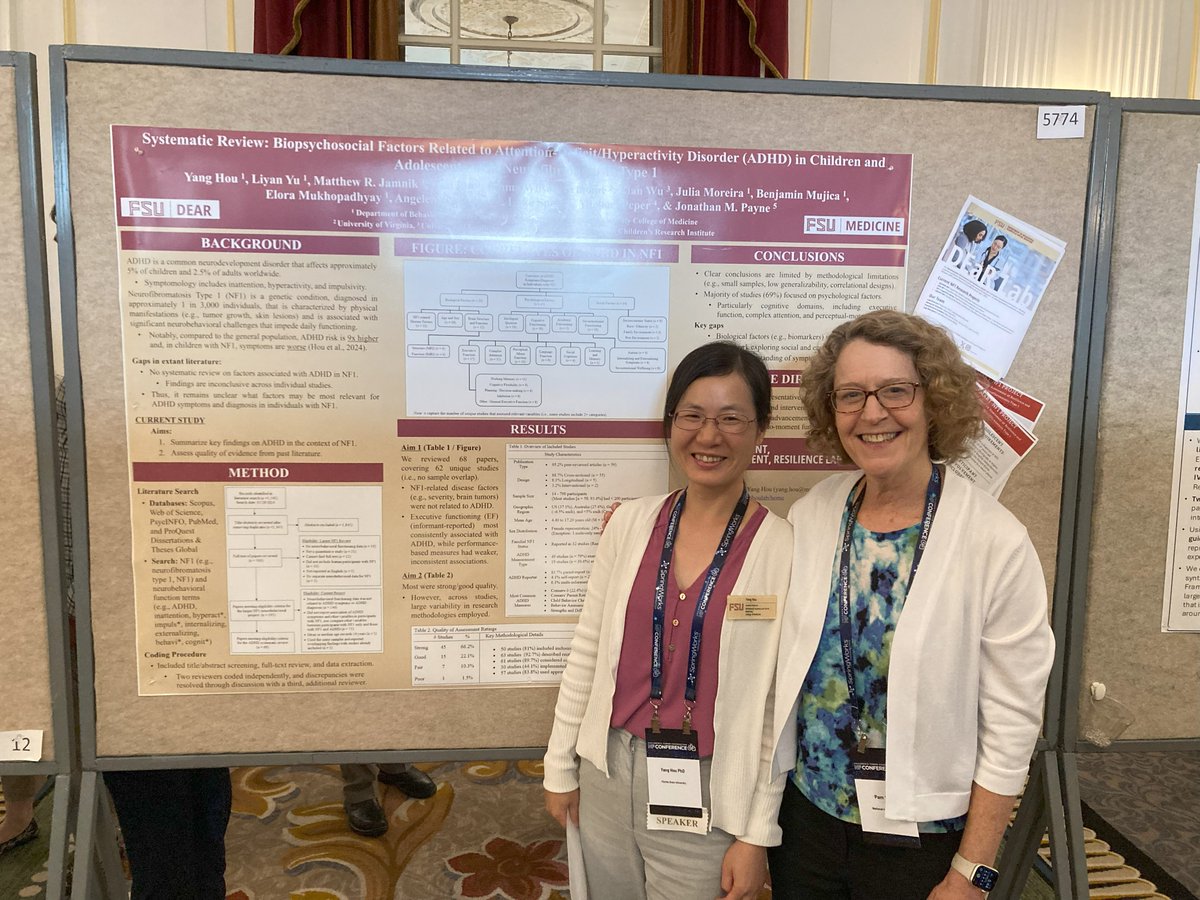
We reviewed research on ADHD in kids with NF1, focusing on biological, psychological & social factors.
👉 Key takeaway: ADHD in NF1 is shaped by more than just biology—family, school & social supports matter too.
#ADHD#nfnetwork
https://t.co/BSFjdoyLt9
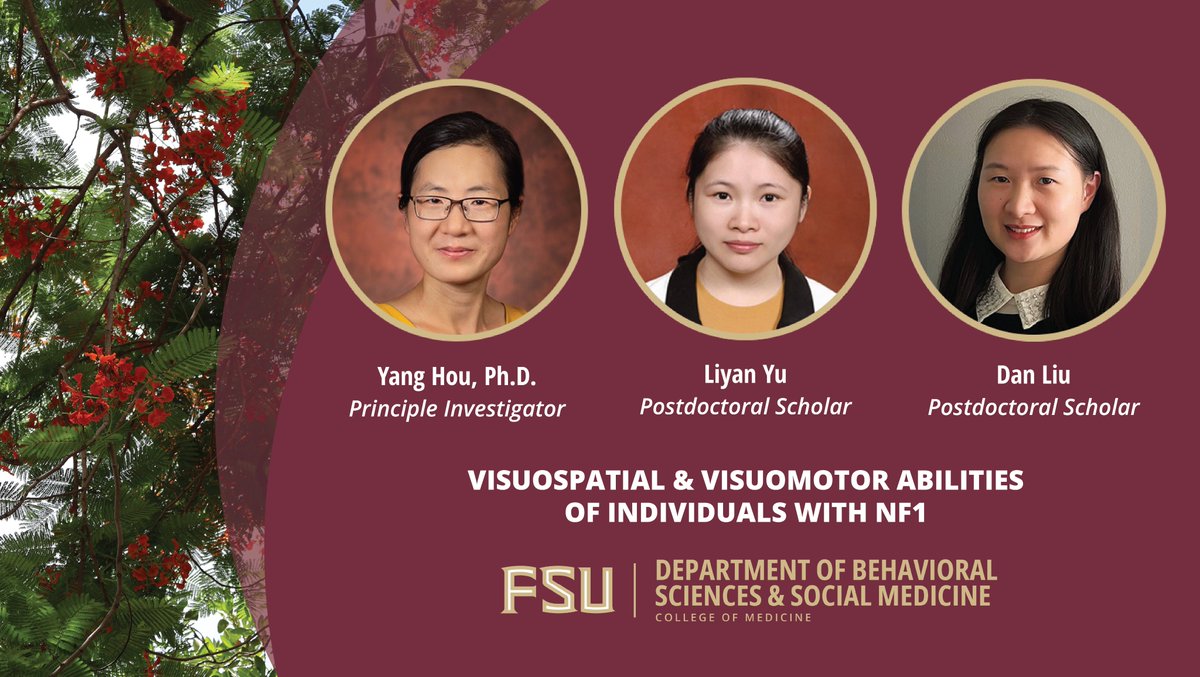
Excited to share our new Neuropsychology Review publication on visuospatial and visuomotor abilities in individuals with NF1! #endnf#ctf#nfnetwork#neuropsychology
📣 News from @FSUDEaRLab’s ongoing research on neurofibromatosis type 1 (NF1): Individuals with NF1 show significantly reduced visuospatial and visuomotor abilities compared to those without the condition. 🧠
Learn More: https://t.co/xVDpwBsUCi
📣 News from @FSUDEaRLab’s ongoing research on neurofibromatosis type 1 (NF1): Individuals with NF1 show significantly reduced visuospatial and visuomotor abilities compared to those without the condition. 🧠
Learn More: https://t.co/xVDpwBsUCi
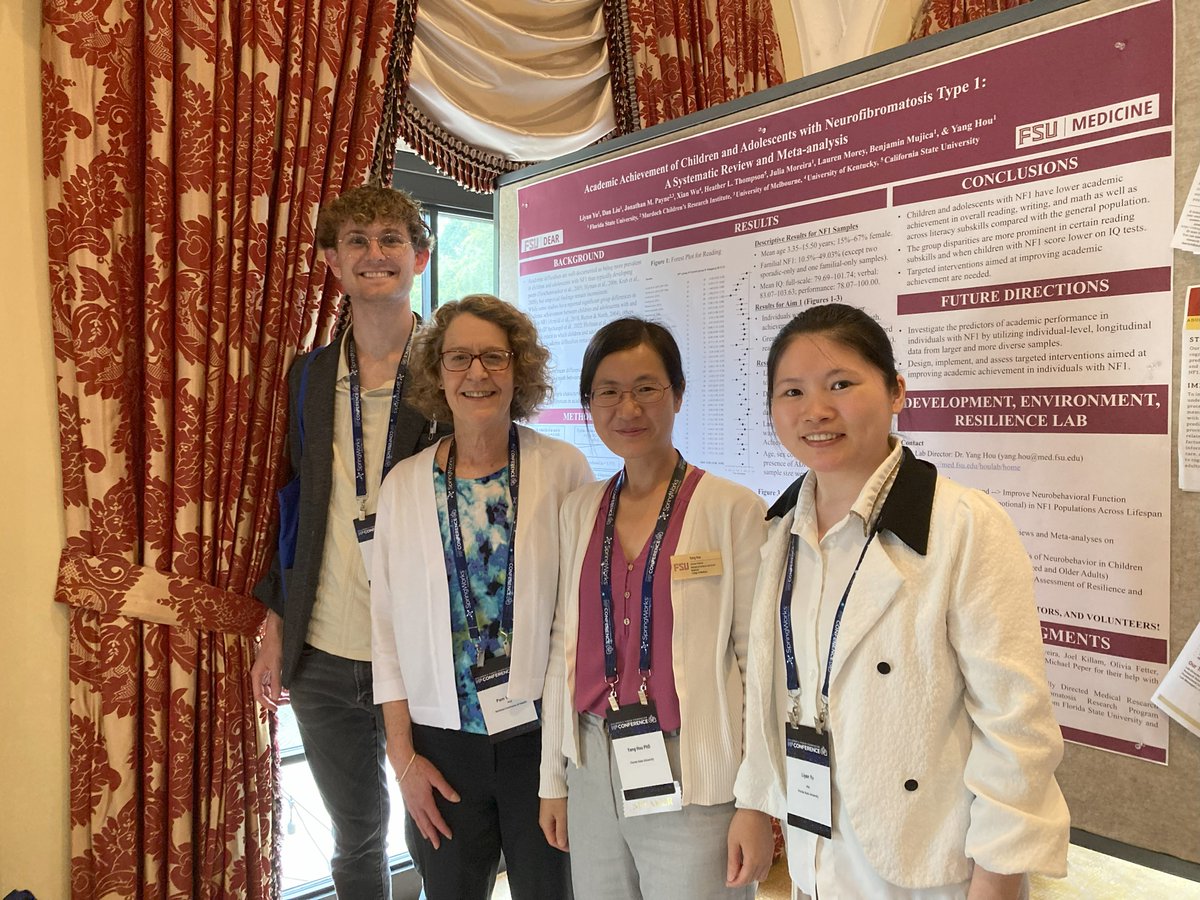
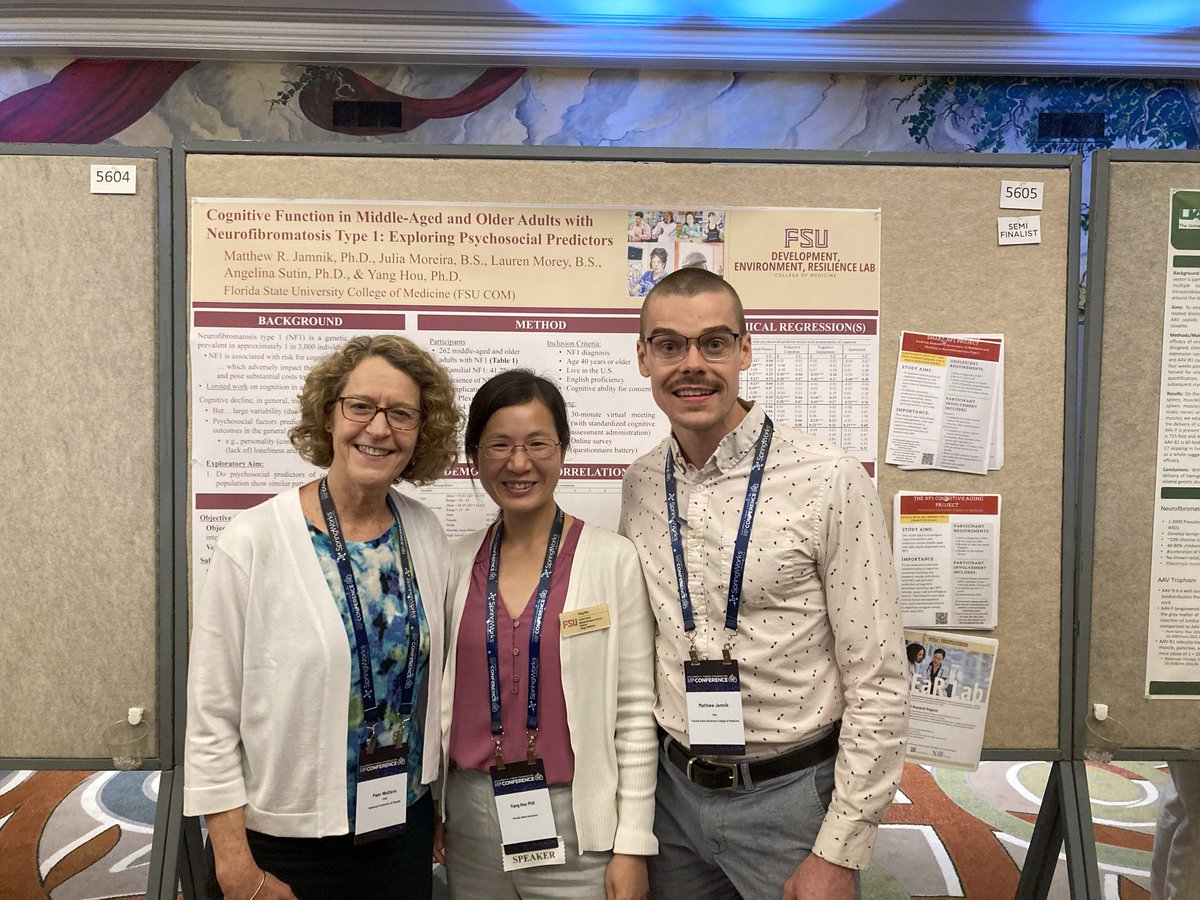
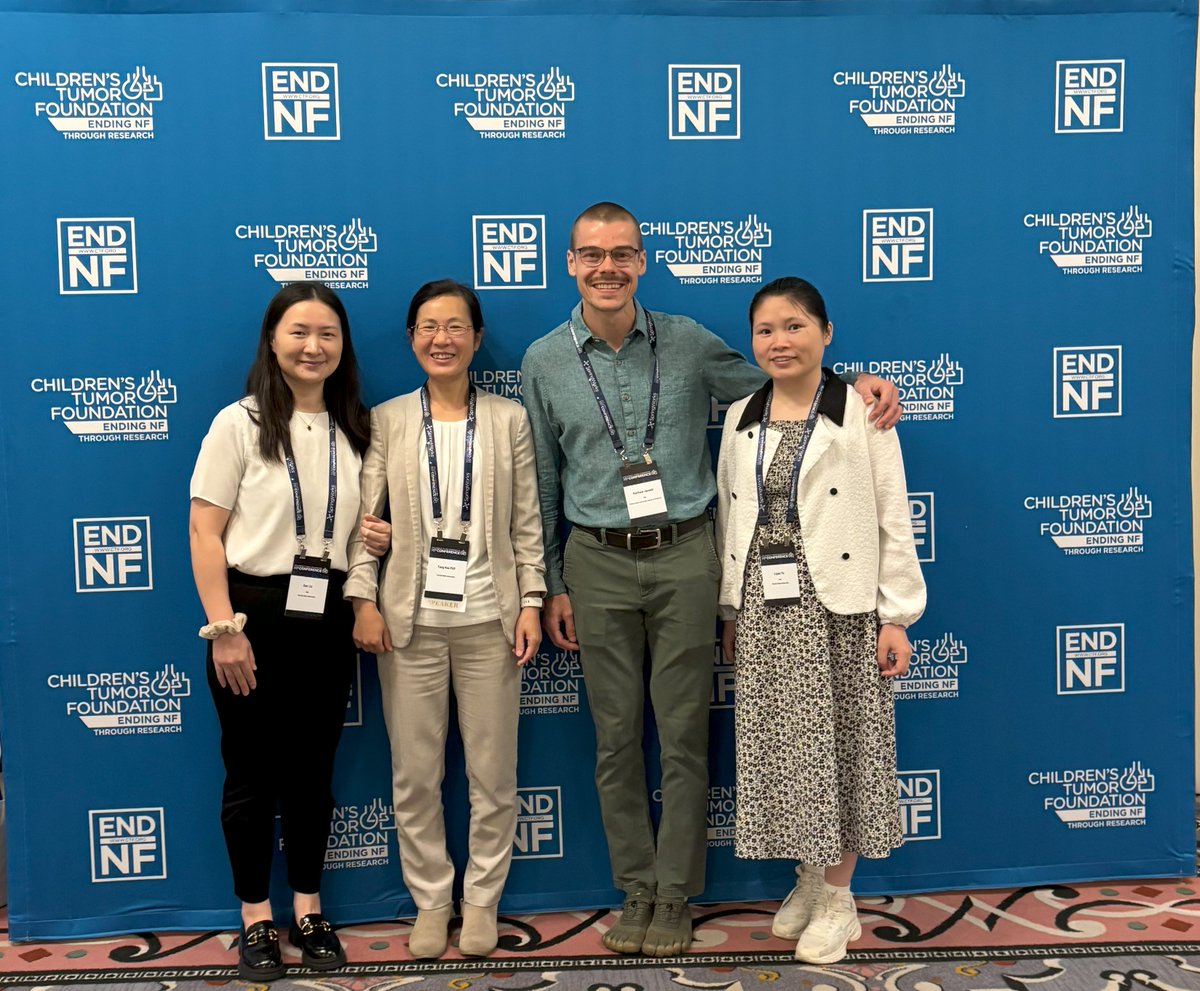
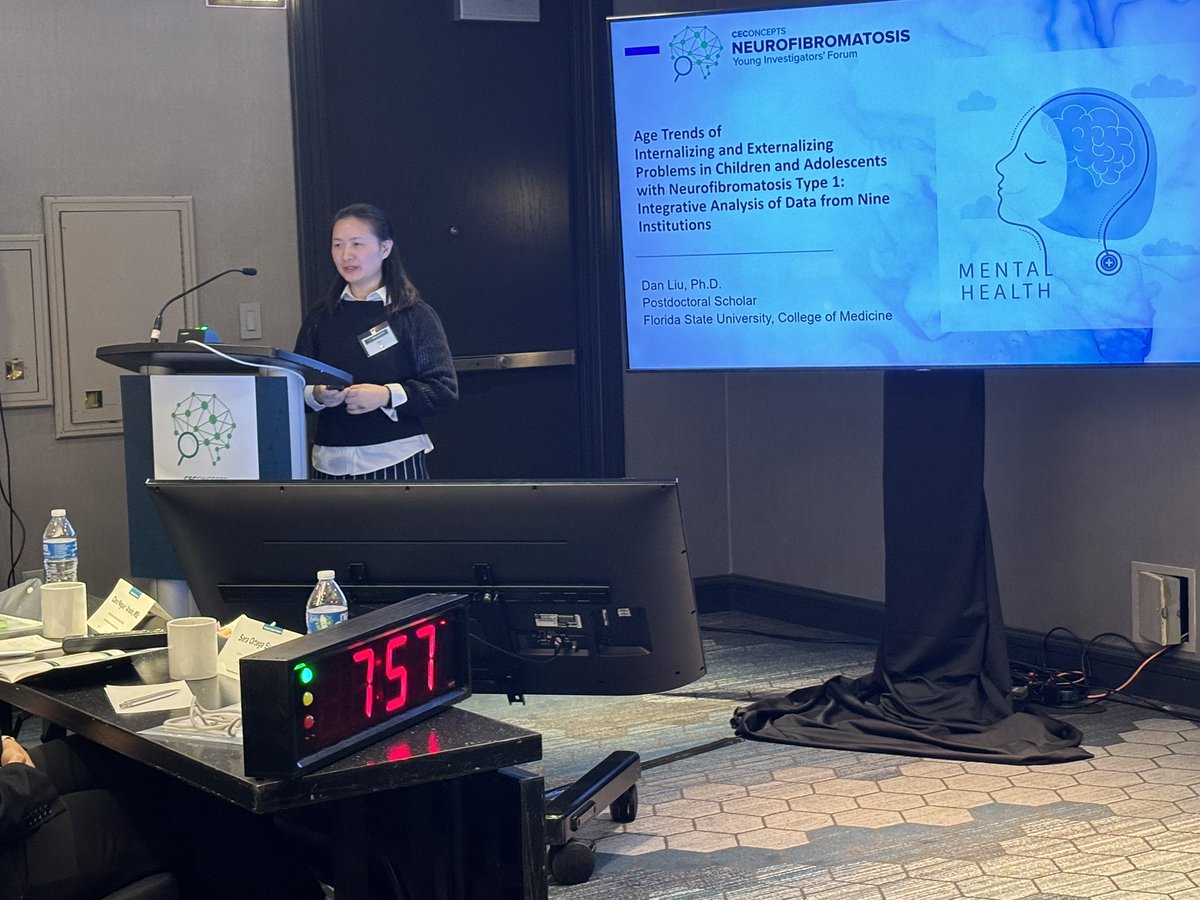
The DEaR Lab team shared seven research projects at the 2025 Neurofibromatosis (NF) Conference in D.C., including one platform talk and six posters on ADHD, cognitive function, academic skills, and mental health in individuals with NF1. 🧠📊
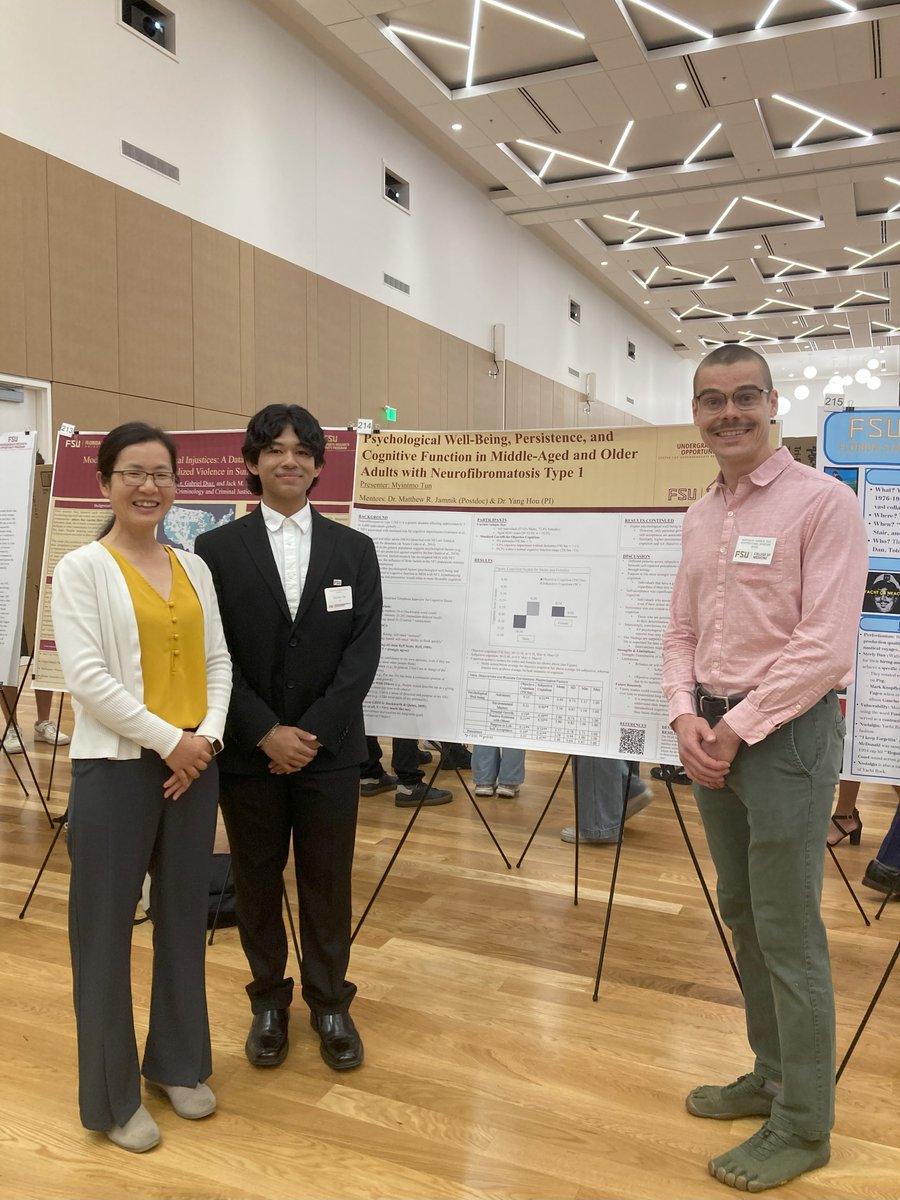
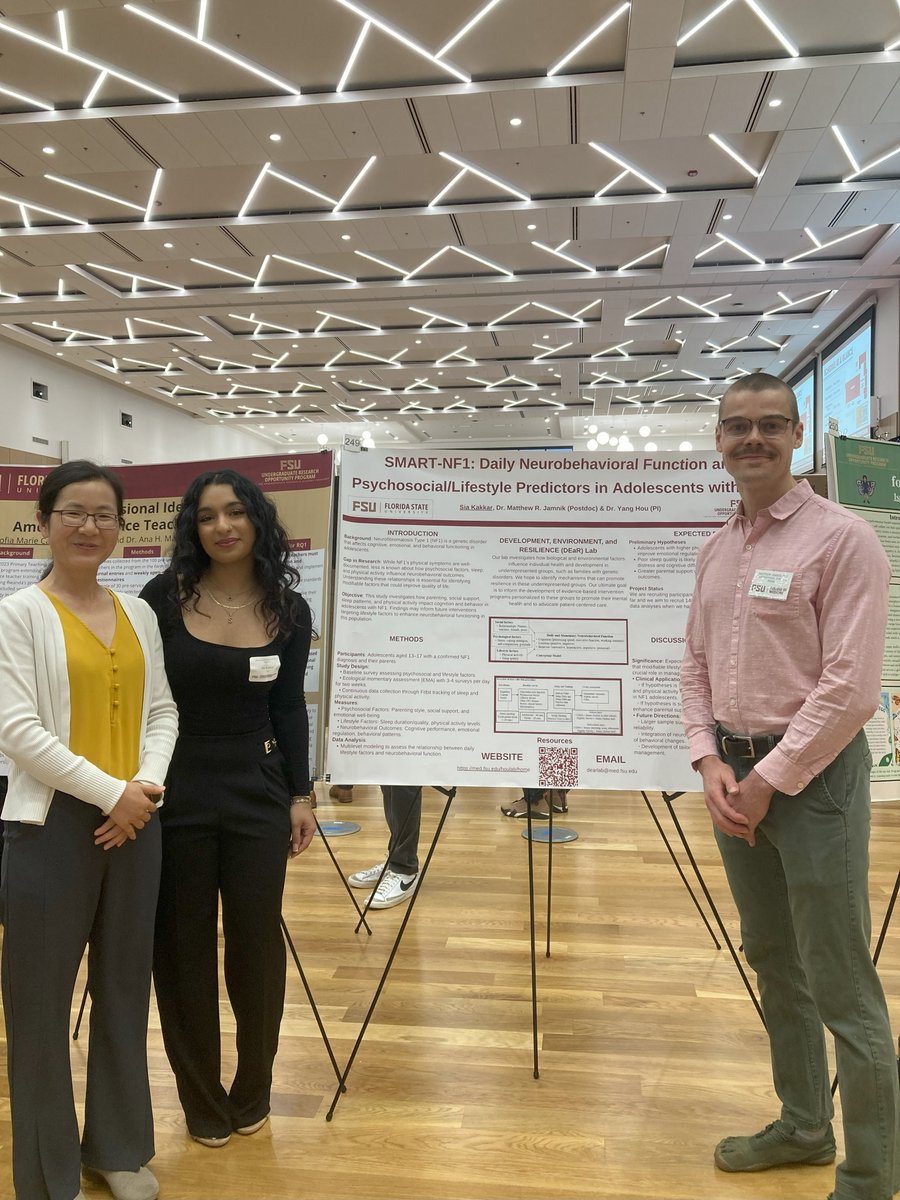
I’m incredibly proud of our amazing undergraduate students, Myintmo Tun and Sia Kakkar, for presenting our DEaR Lab projects at the FSU Undergraduate Research Symposium! 🎉#fsu#fsubssm#fsuresearch
🚨 New Meta-Analysis Alert!
Our review of 70 studies on ADHD symptoms in 3,653 children with NF1 underscores the critical need for early intervention and tailored support.
📖 Read more: https://t.co/ymiYa9IvGf
#ADHD#NF1#ChildHealth#EarlyIntervention#CTF#NFnetwork#JAACAP
This Valentine's Day, we want to remind you to practice self-compassion. Whether you're in a relationship, single, a caregiver, or simply enjoying your freedom, don't forget to shower yourself with love! You are worth it! ❤️
#neurofibromatosis#ValentinesDay#selfcare
✨ A recent research project by @YangHou3 and her lab dives deep into the psychosocial challenges faced by individuals with neurofibromatosis type 1 (NF1). ✨
The team found that those with NF1 experience higher levels of depression, anxiety, somatic symptoms, and aggression compared to those without NF1. 📊🔍
This research highlights the urgent need for early identification and intervention to improve quality of life for those affected.
Learn More: https://t.co/czSH1Sp9sS
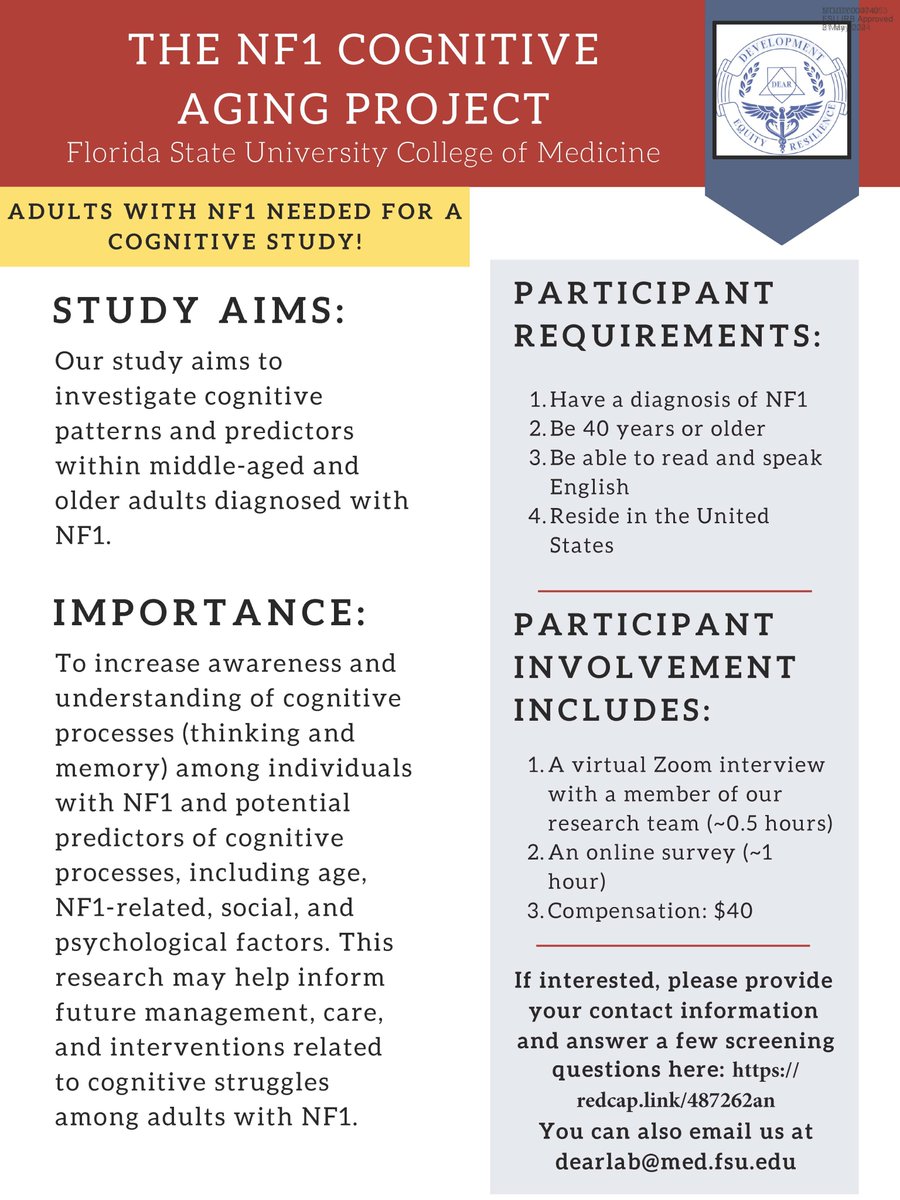
The Development, Equity, and Resilience (DEaR) Lab in Florida State University is conducting a study on cognitive patterns and predictors in middle-aged and older adults with Neurofibromatosis Type 1 (NF1). Read about this study and others here: https://t.co/a9iuaJIC9e
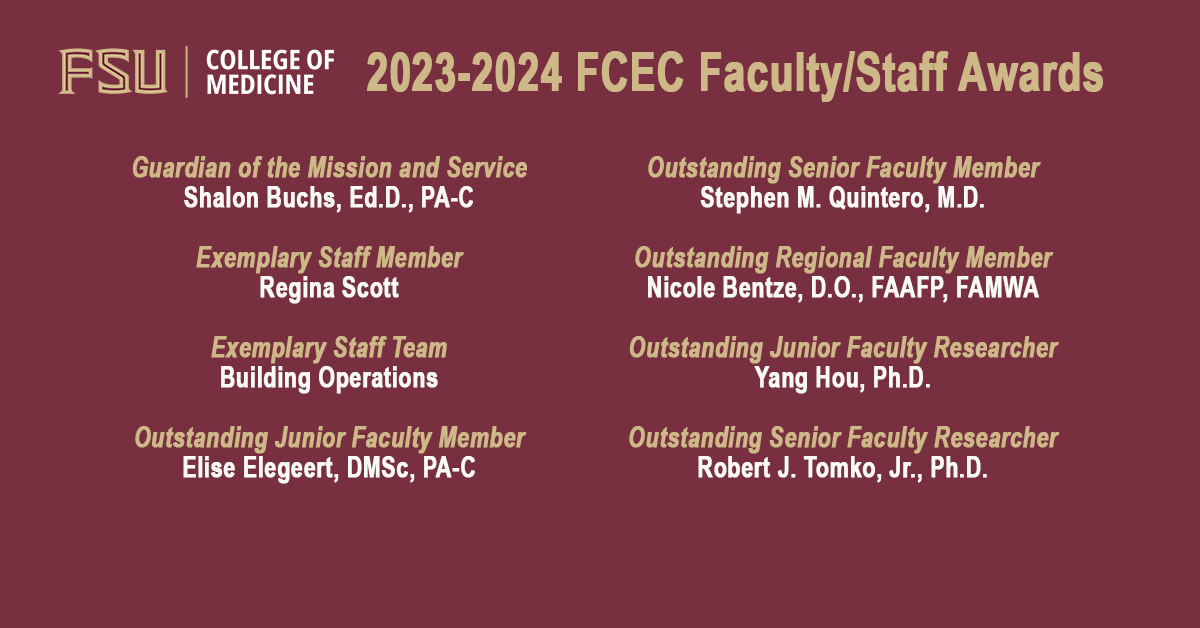
🎉@YangHou3 has been awarded the 2024 Outstanding Junior Faculty Researcher Award by @FSUCoM! 🎉
In just two years, Dr. Hou has made significant strides in neurofibromatosis type 1 (NF1) and developmental research, publishing 13 articles in top journals, including 4 as first author. 📚
With national and international accolades, like the Early Career Outstanding Paper Award from the APA, 🏆 Dr. Hou is a rising star in developmental psychology and NF1 research! 🌟
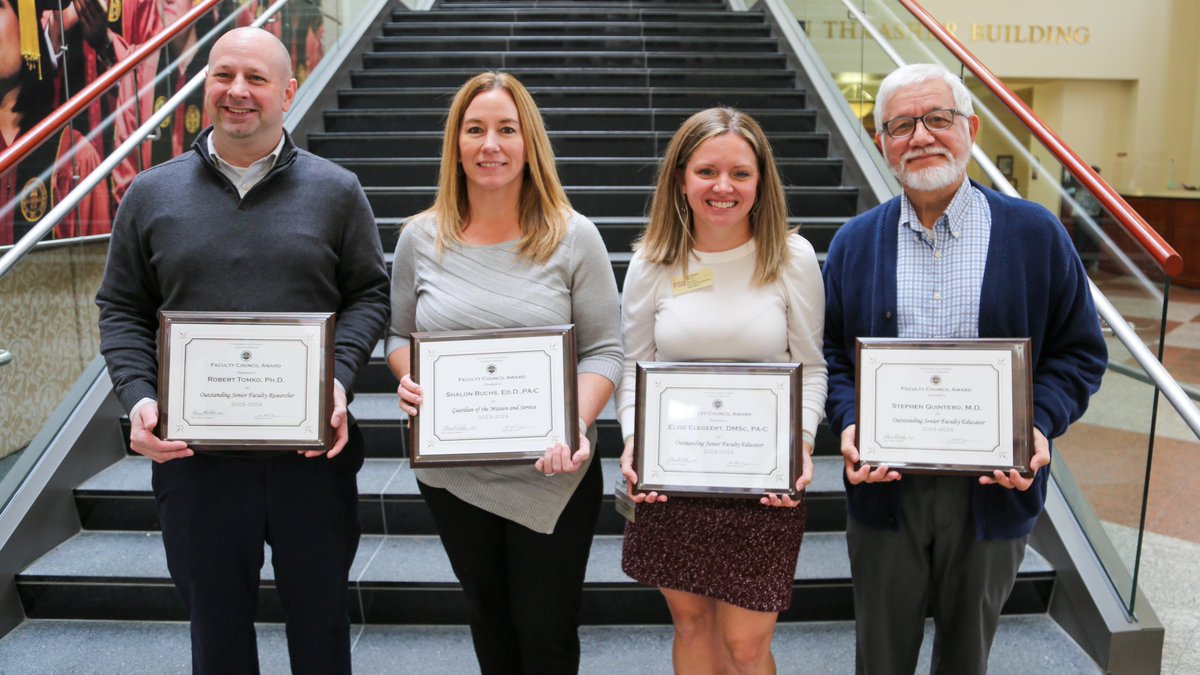
Monday's All Faculty Meeting was highlighted by the presentation of 2023-24 Faculty/Staff Awards presented by the Faculty Council Executive Committee (FCEC) and the Longevity Awards.