Research Associate in Muscle Proteomics @LJMUSportSci. Editorial Board @AJPCellPhys. Research Communications Group @MDUK_News. @FSHDUKgroup @eLifeCommunity
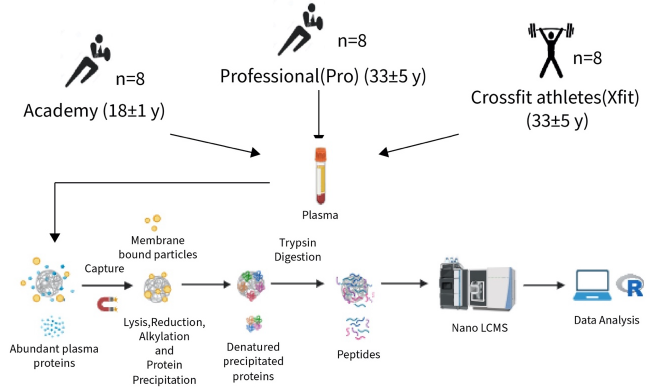
📢Publication Alert🌶️! Researchers from @LJMU used #Mag_Net_SAX to identify potential #ExtracellularVesicle plasma proteome markers for professional #RugbyPlayers, identifying protein risk markers with potential for monitoring and guiding treatment! https://t.co/UXiOqnRMQv
What happens to your muscles when you lose weight and exercise?
Our new piece in @ConversationUK explains how combining an energy deficit with training may have a positive effect on skeletal muscle
🔗 https://t.co/KlSIWczWnu
#MuscleHealth#ExerciseScience#WeightLoss#Research
Excited to share that our new paper is out in The FASEB Journal after years in the making! 🎉
“Endocrine, Metabolic, and Skeletal Muscle Proteomic Responses During Energy Deficit With Concomitant Aerobic Exercise in Humans.”
🔗 https://t.co/G9ATOvRH3V
Today is #WorldFSHDDay! Facioscapulohumeral muscular dystrophy (FSHD) is a genetic condition that causes progressive muscle weakening, often starting in the face, shoulders, and upper arms. Join us in raising awareness and supporting research. #WorldFSHDDay 🍊
As part of or continued efforts here @FSHDUKgroup to network and support research we are sharing the latest development and work by @YNishimura87
Funded by @FSHDSociety
https://t.co/dpQ5RpmZaM
🚨 New Talk Online!
Last month, I spoke at the 41st London Marathon Medicine Conference on a key topic for runners:
"Is Low Energy Availability a Concern for Runners’ Health and Performance?"
🎥 Watch the full talk here:
🔗 https://t.co/2iLha34x9A
Have you ever thought about how your muscles change when you lose weight and keep doing aerobic exercise?
We did too, and investigated it.
See the preprint for our latest work here:
https://t.co/PxoqW4M9zD
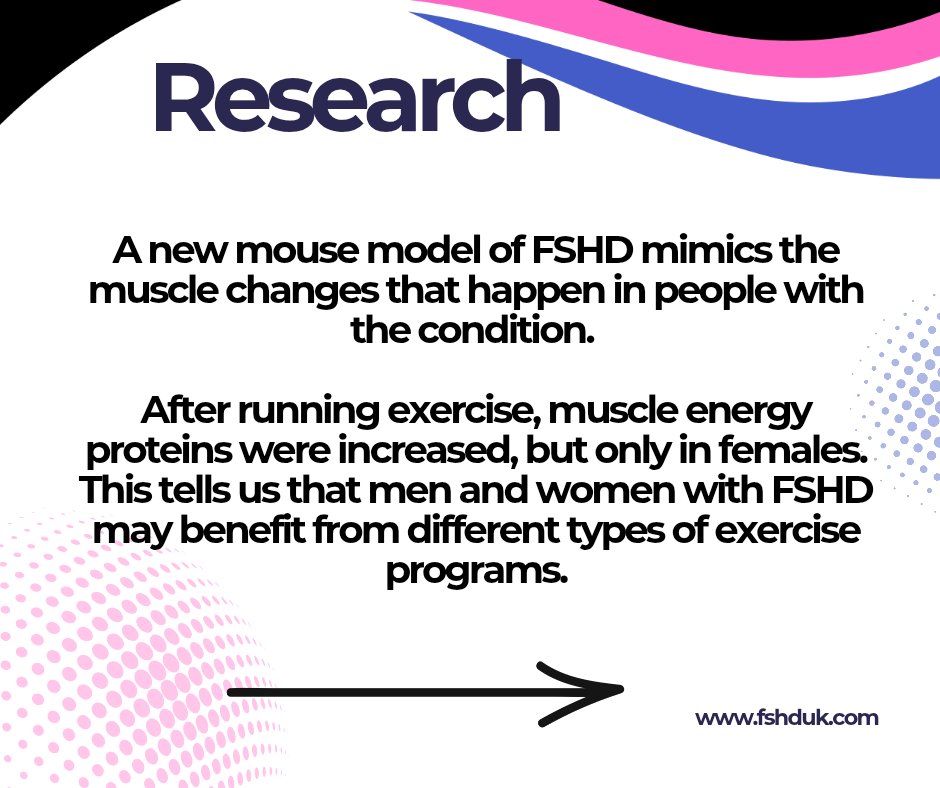
Proteomic profiling uncovers sexual dimorphism in the muscle response to wheel running exercise in the FLExDUX4 murine model of ... https://t.co/8xfqFMFDeP #biorxiv_physio
Non-targeted Analysis of Extracellular Vesicle-Enriched Plasma Proteome between Early and Late Rugby Playing Career https://t.co/3UeMRSJD2C #biorxiv_molbio
I am very honored to be part of the eLife Ambassador program. Very excited to learn more about open science from this community and to implement positive changes in the scientific community soon. @eLifeCommunity@LJMUSportSci@LJMU
�� The fourth iteration of the eLife Ambassador programme started yesterday!
1/ To greet the 107 new early-career researchers from around the world, our Community Manager, Elise Bateman, hosted two welcome calls with plenty of special guests.
As an awardee of Unlocking Futures Fund, I shared how I used the funding to enhance my data science skills to study the complex mechanisms and dynamics of muscle ageing. Thank you @physoc for the support. @LJMU@LJMUSportSci @LJMUImpact
New issue of #PhysiologyNews is out now!
Dive into the Sport and #ExercisePhysiology Special Issue to read the fantastic selection of articles by our members, journal authors and the community of physiologists around the world.
Enjoy the issue ➡️ https://t.co/meHG1e8u1x
Thank you @MagsWatson1 for your valuable insights in ECR Masterclasses: How to write a CV @DunhillMedical. Her book "Women in Academia" looks interesting and important to our female colleagues in academia. https://t.co/9S37kyc6HM
It has been three years since we launched FSHD UK, and today we are excited to announce the launch of our new website. Please visit https://t.co/2fs3FH7nMP 🤩