PhD in Intercultural Communication | Research Associate, Hainan Normal University | Former Fellow: @YaleLawSch | Entrepreneur & Founder across China & MENA
Thrilled to announce that my book Chinese Soft Power in the Middle East: Mechanisms, Effectiveness, and Strategic Implications is coming soon with Routledge! The result of years of research and lived experience bridging China and the Middle East.
نظر عبدالخالق عبدالله، چهره برجسته اندیشکدهای اماراتی و بسیار نزدیک به آل نهیان در مورد رابطه ایران و چین:
«چین با وجود عمق منافعش با امارات و کشورهای عربی خلیج فارس، ایران را مهمترین شریک راهبردی خود در بلندمدت میداند. در محاسبات چین، پایداری ایران دلیلی بر افول آمریکا است که در خدمت منافع چین قرار میگیرد؛ از این رو، چین در جریان مرحلهٔ تجاوز وحشیانهٔ ایران، بهطور آشکار جانب ایران را گرفت.»
پ.ن.: این عبارت بارها در پادکستهای مختلف از جانب بنده و کارشناسان دیگر گفته شد، اما همواره جریان غربگرا با عباراتی چون «رابطه چین و دول عربی بسیار عمیق است» و «چین هرگز ایران را به کشورهای عربی ترجیح نمیدهد» بارها و بارها به طرفداران پارادایم «نظم محور» حمله کردند. در مقاله اخیر نیز استدلالا نشان دادیم که اصرار امارات برای بازی در نظم آمریکایی و کوریدور IMEC چطور منافع بلند مدت چین و روسیه را تهدید میکند، که مواضع اخیر مدودف در مورد باب المندب و تنگه هرمز و تشبیه آنها به «سلاح اتمی ایران» موید نکته اخیر است.
با وجود این نکات اکنون ق��د دارم نکته مهمی را به متفکرین، سیاست پژوهان و سیاستگذاران کشور عرض نمایم. با وجود تمام علائم و شواهد دال بر امکان نزدیک شدن تهران، پکن و مسکو و ارتقای روابط به سطح راهبردی (البته در عمل، نه در لفاظیهای پوک ژورنالیستی)، تلاش گستردهای توسط عدهای «کارچاقکن» فاقد اندیشه راهبردی برای دور کردن روابط ایران، چین و روسیه و هضم شدن ایران در نظم آمریکایی در جریان است، و جریان نرمالیزاسیون و غربگرا با قدرتی زاید الوصف در تلاش است مسیر کشور در این مقطع حساس تاریخی به سمت نادرستی منحرف شود، که هم پیش از جنگ ۱۲ روزه (در قالب سفر خالد بن سلمان و وعده سرمایه گذاری ۱۰۰۰ میلی��ردی) و هم پیش از جنگ ۴۰ روزه این مسیر نادرست آزموده شده و عاقبت به جنگ منجر شده است. امیدواریم دلسوزان کشور و در راس آنها مقام معظم رهبری، رییس جمهور محترم و جناب دکتر قالیباف با تدابیر به موقع و درست خود هرچه سریعتر کشور را به سمتی که شایسته آن است، هدایت نمایند.
با سفر ترامپ به چین و مذاکرات تازه میان واشنگتن و پکن، طبیعی است که پرونده ایران و جنگ در خاورمیانه یکی از موضوعات مهم گفتوگو باشد. اما برای فهم جایگاه چین در این معادله، گاهی باید به عقب برگشت؛ به زمانی که هنوز بسیاری از بحرانهای امروز به شکل فعلی خود ظاهر نشده بودند.
در ۲ فوریه ۲۰۱۰، نشریه دولتی گلوبال تایمز تحلیلی درباره روابط سهجانبه ایران، چین و آمریکا منتشر کرد؛ تحلیلی که آنقدر برای دیپلماسی آمریکا مهم بود که سفیر وقت آمریکا در پکن آن را برای وزارت خارجه ارسال کرد و بعدها در اسناد ویکیلیکس منتشر شد.
نکته جالب این متن این است که با وجود گذشت سالها، منطق اصلی آن هنوز هم برای فهم رفتار چین در برابر ایران و آمریکا کاربرد دارد. گلوبال تایمز نوشته بود "ایران و غرب دهههاست در برابر هم قرار گرفتهاند و اعتماد میان آنها از بین رفته است. غرب سالها ایران را با تحریم تهدید کرده، اما این سیاست نهتنها به حل مسئله کمک نکرده، بلکه بدبینی و کینه را عمیقتر کرده است. به تعبیر آن تحلیل، این مسئلهای است که غرب باید جدیتر درباره آن فکر کند.
تحلیل گلوبال تایمز در همان زمان به یک سوءبرداشت مشترک نیز اشاره میکرد: هم ایران و هم غرب تصور میکنند اگر موضع سختتری بگیرند، طرف مقابل عقبنشینی خواهد کرد. هر دو نیز گمان میکنند اگر فشار کافی بر چین وارد شود، پکن در نهایت جانب آنها را خواهد گرفت. اما پیام اصلی متن این بود که هیچکدام از طرفین نمیتوانند چین را گروگان اهداف خود کنند.
از نگاه چین، پرونده ایران فقط بخشی از یک بازی بزرگتر است؛ بازیای که در آن امنیت انرژی، نظم بینالمللی، رابطه با آمریکا، ثبات خاورمیانه و جایگاه چین بهعنوان یک قدرت بزرگ همزمان درگیرند. بنابراین پکن نه قرار است صرفاً ابزار فشار غرب بر ایران باشد و نه صرفاً اهرم ایران علیه غرب. چین قبل از هر چیز منافع خود را میسنجد و وزن منافع خود را بالاتر از خواست هر یک از طرفین میداند.
در آن تحل��ل آمده بود هر طرفی که فشار بیشتری بر چین وارد کند، بیشتر احتمال دارد با پاسخ منفی پکن روبهرو شود. پیام روشن بود: چین از فشار بیرونی استقبال نمیکند، مخصوصاً وقتی احساس کند یک طرف میخواهد از موضوع ایران برای محدود کردن یا منزوی کردن چین استفاده کند.
این نکته امروز هم اهمیت دارد. اگر در مذاکرات فعلی چین و آمریکا درباره ایران و خاورمیانه گفتوگویی در جریان باشد، نباید انتظار داشت پکن صرفاً در چارچوب خواستههای واشنگتن حرکت کند. چین ممکن است با کاهش تنش موافق باشد، ممکن است از بیثباتی در خاورمیانه نگران باشد و ممکن است به دیپلماسی تمایل نشان دهد؛ اما همه اینها را از زاویه منافع خودش میبیند، نه از زاویه فشار آمریکا یا خواست ایران.
به همین دلیل، تحلیل سال ۲۰۱۰ گلوبال تایمز هنوز خواندنی است: هر دو طرف باید بدانند که افزایش فشار لزوماً چین را به سمت آنها نمیکشاند. برعکس، هرچه فشار بیشتر شود، احتمال مقاومت چین بیشتر میشود. پکن معمولاً ترجیح میدهد نقش یک بازیگر مستقل را حفظ کند؛ بازیگری که نه بهسادگی در اردوگاه غرب تعریف میشود و نه اجازه میدهد دیگران سیاست خاورمیانهای آن را تعیین کنند.
اگر بخواهیم خلاصه کنیم، پیام آن تحلیل قدیمی برای امروز این است: ایران و آمریکا هر دو ممکن است در پرونده خاورمیانه به چین نگاه کنند، اما چین خود را ابزار هیچکدام نمیداند. برای پکن، اصل ماجرا نه همراهی کامل با تهران است و نه تبعیت از واشنگتن؛ اصل ماجرا حفظ وزن، استقلال �� منافع چین در یک نظم جهانی در حال تغییر است.
تنش و جنگ در خاورمیانه، قطعاً با منافع راهبردی چین سازگار نیست. پکن طی دهههای گذشته، چه در سیاست انرژی و چه در دیپلماسی منطقهای، عموماً کوشیده است از گسترش بحرانهای پرهزینه در این منطقه جلوگیری کند. اما اکنون که روندهای آمریکا و اسرائیل منطقه را تا این سطح از تنش پیش برده، پرسش اصلی این است: چین برای مهار جنگ چه ابزار مؤثری در اختیار دارد؟ اگر حتی صرفاً از منظر منافع ملی چین به مسئله نگاه کنیم، پاسخ روشن است: تعمیق رابطه با ایران، بهویژه در حوزههای راهبردی و نظامی، مهمترین اهرم بازدارنده پکن در برابر بیثباتی خاورمیانه است. البته چنین مسیری الزاماً نیازمند اعلام پر سر و صدا در سطح سیاست رسمی نیست؛ اتفاقاً سنت دیپلماتیک چین نیز غالباً بر اقدام آرام، تدریجی و کمهزینه استوار بوده است.
چین تمایلی به «بسته بودن تنگه هرمز توسط ایران» ندارد و مفصل هم نظراتش را در این رابطه به عراقچی انتقال داده است؛ اما نکته مهم ماجرا اینجاست؛ جنگی که «تهران» در ایستگاه وسطِ آن قرار دارد، ایستگاه پایانیاش «پکن» است!
باید دوراندیش بود...
تحریم، تجربه و درد مشترک ایران و چین است. اما تجربه چین اساساً درست فهم نمیشود و در رقابتهای انتخاباتی مورد سوء استفاده قرار میگیرد. دنگ شیائوپینگ، که معمولاً از او به عنوان رهبری اصلاحگرا یاد میشود که مشکل چین و غرب را حل کرد، در اکتبر 1989 میگوید:
«به بوش (پدر) بگویید که امریکا باید قدم اول را برای پایان دادن به رویکرد گذشته بردارد و امریکا باید این کار را انجام دهد. امریکا باید کاری کند و چین نمیتواند کاری کند. این امریکاست که قوی است و چین آن قربانی ضعیف است. غیر ممکن است که چین التماس کند. حتی اگر تحریمها صدها سال طول کشد، چین هرگز برای رفع تحریم التماس نمیکند. اگر چین به خود احترام نگذارد، نابود خواهد شد و هویت ملی نیز از بین خواهد رفت. هر رهبری که در این زمینه اشتباه کند، از بین خواهد رفت و مردم چین نیز او را نخواهند بخشید. این یک حقیقت است.
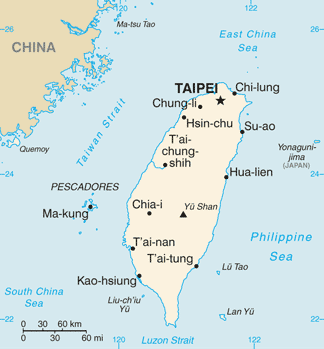
این روزها زیاد میپرسند: آیا چین در حال آمادهسازی برای حمله به تایوان است؟
پاسخ کوتاه: در شرایط فعلی و در میانمدت، خیر.
راهبرد پکن عمدتاً بلندمدت و مبتنی بر افزایش جذابیت اقتصادی، زیرساختی و همگرایی تدریجی است، نه اقدام نظامی فوری.
مگر آنکه خطوط قرمز بهطور معناداری جابهجا شود!
🚨🇨🇳🇹🇼BREAKING: Taiwan residents will be able to DRIVE to mainland China after reunification, said the spokesperson of Taiwan Affairs Office.
Chinese mainland's infrastructure power will help upgrade Taiwan’s transport, energy, and urban systems, and will construct bridge between island and mainland.
The "Dubai Trap" and Iran's Strategic Vulnerability
Due to sanctions, nearly 100% of Iran's foreign trade — including its massive trade with China — has been routed through the UAE. This was a catastrophic mistake.
Iran's entire external financial architecture sits in Dubai. The decision-makers, the capital, the exchange networks, the clearing channels — all there. A merchant buying from China? The deal runs through Dubai.
If the war severely disrupts the UAE, Iran's foreign trade faces a massive shock. We have no alternative infrastructure ready.
The easy answer is "pivot to Oman." But reality says otherwise. Oman's current capacity is a fraction of the UAE's. Building equivalent infrastructure would take a decade minimum. And Dubai's unique grey-market ecosystem — essential for sanctions evasion — is something Oman cannot and will not replicate.
The "Dubai Trap" is no longer just an economic bottleneck. It is a national security vulnerability. Iran must urgently decentralize its trade networks before the next shock hits.
«تله دبی» و آسیبپذیری استراتژیک ایران
سالها به دلیل تحریمها، تقریباً ۱۰۰ درصد تجارت خارجی ایران — حتی تجارت عظیم ما با چین — از مسیر امارات انجام میشد. این یک اشتباه استراتژیک فاجعهبار بود.
واقعیت این است که کل معماری مالی خارجی ایران به شدت در دبی متمرکز شده. لایه مدیریتی، سرمایه، تصمیمگیرندگان، شبکه صرافیها و کانالهای تسویه — همه مستقر در دبی هستند. حتی تاجری که از چین جنس میخرد، عملیات مالی و لجستیکیاش را از طریق دبی اجرا میکند.
اگر درگیری فعلی امارات را به شدت مختل کند، تجارت خارجی ایران در میانمدت با شوک سنگینی مواجه خواهد شد. ما به سادگی زیرساخت جایگزین آمادهای نداریم.
بسیاری پیشنهاد میدهند فوراً به سمت عمان حرکت کنیم. اما این واقعیت را نادیده میگیرد. در مقایسه با زیرساختهای فوقتوسعهیافته امارات، ظرفیت لجستیکی و مالی فعلی عمان بسیار محدود است. حداقل یک دهه تلاش فشرده و هماهنگ لازم است تا زیرساختی مشابه آنچه در امارات وجود دارد در عمان ساخته شود.
علاوه بر این، اکوسیستم منحصربهفرد دبی امکان عملیاتهای خاص «بازار خاکستری» را فراهم میکند که برای دور زدن تحریمها حیاتی هستند — نقشی که عمان اساساً نمیتواند و نمیخواهد ایفا کند.
فروپاشی معماری امنیتی سنتی خلیج فارس، ایران را با یک حسابوکتاب دردناک مواجه کرده. ایران باید فوری شبکههای تجاری خود را غیرمتمرکز کند. «تله دبی» دیگر صرفاً یک گلوگاه اقتصادی نیست؛ بلکه یک آسیبپذیری جدی امنیت ملی است.
Arab states that permanently host U.S. military bases have, as a matter of black-letter international law, forsaken their sovereignty and no longer qualify as fully sovereign states. They therefore cannot invoke the rights and protections reserved exclusively to states that actually meet the legal definition of sovereignty, and they have no say about Iran's right to defend itself against US aggression.
The Montevideo Convention on the Rights and Duties of States (1933), Art. 1, defines statehood by four cumulative requirements, the decisive fourth being “the capacity to enter into relations with other States.” This capacity requires exclusive and independent authority over territory and external affairs, without subordination to any other power (Island of Palmas arbitration, 1928; Lotus case, PCIJ 1927).
Numerous Arab states — including Saudi Arabia, Qatar, Bahrain, Kuwait, UAE, Jordan, and others — host permanent U.S. military bases and facilities under Status of Forces Agreements. These agreements grant American forces extraterritorial immunity, exclusive operational command, and control over large areas of sovereign territory. Local courts cannot prosecute U.S. personnel, local legislatures cannot inspect bases, and host governments cannot unilaterally order eviction without risking severe economic or military retaliation. CIA operational centers embedded within or alongside these bases conduct intelligence, surveillance, rendition, and lethal activities beyond effective Arab oversight.
A state that cannot control who bears arms on its soil, who conducts intelligence operations, or who decides when foreign forces depart has, by definition, surrendered the exclusivity of authority required by Montevideo. It is no longer exercising the functions of a state “to the exclusion of any other State.” It has become, in legal terms, a semi-sovereign protectorate, leased territory, or a modern vassal in all but name.
Arab states hosting permanent U.S. military bases have voluntarily (or under duress) forsaken the fourth Montevideo criterion. They therefore fail the legal definition of fully sovereign states and cannot invoke the full protections of sovereign equality (UN Charter Art. 2(1)) or non-intervention (Art. 2(7)) against the very power whose bases and intelligence apparatus they host.
The Arab world must confront this stark legal reality: symbols of statehood such as flags, UN membership, and national anthems confer no genuine sovereignty when the fundamental attributes of independence have been surrendered — least of all the standing to object when Iran exercises its inherent right of self-defense against American aggression emanating from bases on Arab soil.
کشورهای عربی اطراف ایران ��ز آمریکا در حمله به ایران حمایت میکنند. اما سؤال اصلی این است: منبع مشروعیت این حاکمان چیست؟ آیا مردمشان آنها را انتخاب کردهاند؟ آیا روشنفکر، متفکر یا عالم دینی هستند؟ هیچکدام. آنها سلسلههایی هستند که توسط قدرتهای استعماری بر سر کار گمارده شدند و بدون حتی یک رأی مردمی حکومت میکنند.
Arab states surrounding Iran support the US in attacking it. But the real question is: What is the source of legitimacy of these rulers? Were they elected by their people? Are they intellectuals, thinkers, or religious scholars? None of the above. They are dynasties installed and sustained by colonial powers, ruling without a single ballot cast.
خاورمیانه پس از جنگ را کسانی شکل میدهند که معماری نوین آن را طراحی کنند، نه کسانی که منت��ر فرونشستن گرد و غبار بمانند. چین اهرم اقتصادی و اعتبار دیپلماتیک لازم را دارد. زمان آن رسیده که از تماشاگر بودن به معمار بودن تغییر نقش دهد.
The post-war Middle East will be shaped by those who actively design its new architecture, not those who wait for the dust to settle. China has the economic leverage and diplomatic credibility. It's time to stop being a spectator and start being the architect.
The war hasn't unified the GCC. It has fractured it.
On one side: the UAE. Abu Dhabi has taken a highly confrontational stance against Iran—suspending visas, closing institutions, and aligning overtly with the US security umbrella. For international business, the UAE—once the ultimate safe haven—has become a volatile anchor facing high political and military risk.
On the other side: Oman. Muscat has emerged as the most strategically valuable partner in the region. They have pushed for de-escalation, maintained their role as a diplomatic bridge, and avoided the military fallout.
This isn't just convenience; it's deep strategic culture. Having built technology partnerships in Oman, I can confirm: their regulatory framework is favorable, political risk is low, and their location outside the Hormuz chokepoint provides a natural hedge.
For any global power or multinational recalibrating its Middle East strategy post-war, the pivot is clear: away from the confrontational volatility of the UAE, and toward the strategic stability of Oman.
For Tehran, controlling Hormuz is not a temporary tactic. It is a core strategic principle—as fundamental to Iran as nuclear deterrence is to other powers. Even a total blockade of Kharg Island will not work. Iran has already built up storage at alternative terminals, such as Jask, precisely for this scenario.
More importantly, Iran is actively formalizing new realities on the ground: designing a permanent, post-war regulatory regime for the Strait of Hormuz.
This means transit fees, IRGC-controlled routing, and "safe corridors" for friendly nations.
Revisionist states no longer think about power just in terms of missiles. It is time to think about clearing systems, settlement currencies, and physical chokepoint control. The global energy market is learning the hard way: Hormuz remains the most consequential chokepoint on earth.
For 20 years, Persian Gulf states built their security on one core assumption: US military bases would deter any direct attack on their soil.
The past weeks shattered that assumption. Iranian strikes didn't just hit US bases. They struck the heart of the Gulf's modern state model: airports, hotels, data centers, and digital infrastructure.
This exposes a fatal strategic paradox: the very alliances with Washington meant to protect the Gulf states have made them profoundly vulnerable. Hosting US military assets used to strike Iran transformed these states from neutral bystanders into legitimate targets.
From Tehran’s perspective, the Persian Gulf states' choice to host the infrastructure bombing Iranian cities made them active participants in the war.
The era of "managing threats from afar" is over. The old model of relying solely on US protection while hedging diplomatically with Iran is dead. The Middle East needs a new security architecture, and Washington cannot provide it.
Western intelligence assumes intense military pressure will fracture Iranian society and force capitulation. They are dead wrong.
This isn't just patriotism. It's a sociological phenomenon. Iran is a civilization-state with 2,500 years of continuous identity. The collective memory of surviving the Mongol invasion, the Iran-Iraq War, and decades of sanctions has created a society with an extraordinarily high threshold for pain.
As we celebrate Nowruz, the mood isn't panic. It's a profound, almost defiant historical resolve. Iran has the cohesion, capability, and strategic depth to sustain a prolonged conflict. The society isn't fracturing.
Saudi Arabia is the one that betrayed both Iran and China by opening its airbases and airspace to the US and Israel — a direct violation of the 2023 Beijing Agreement, which explicitly commits both sides not to engage in any activity that destabilizes the other at the security and military levels. Providing military infrastructure for strikes against Iran is the real breach, not Iran's response. A disgrace to the so-called Iranian diaspora!