Soluciones que están cambiando la industria: hormigones y aditivos que capturan CO₂ y permiten hormigones carbono-negativos. Esto puede reducir drásticamente la huella de infraestructuras
https://t.co/LNPhatl4Dg
https://t.co/MyaRg34PCs
#MAPGIC@vyepesp@CaminosUPV
What happened in Spain yesterday? On April 28, 2025, Spain witnessed a major energy event: a nationwide blackout.
What was the cause? A massive overload of the electrical grid due to a huge spike in solar production.
What happened?
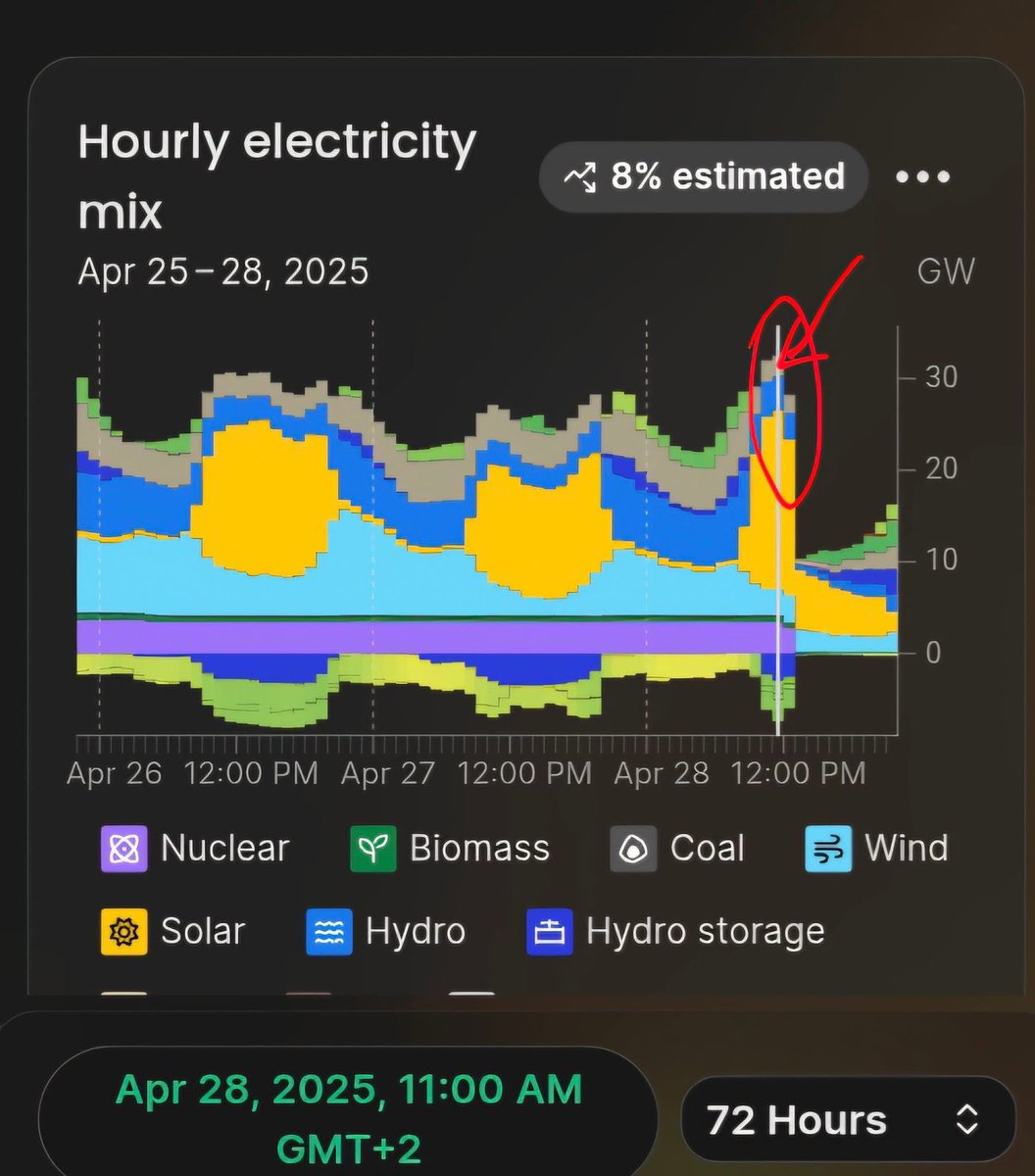
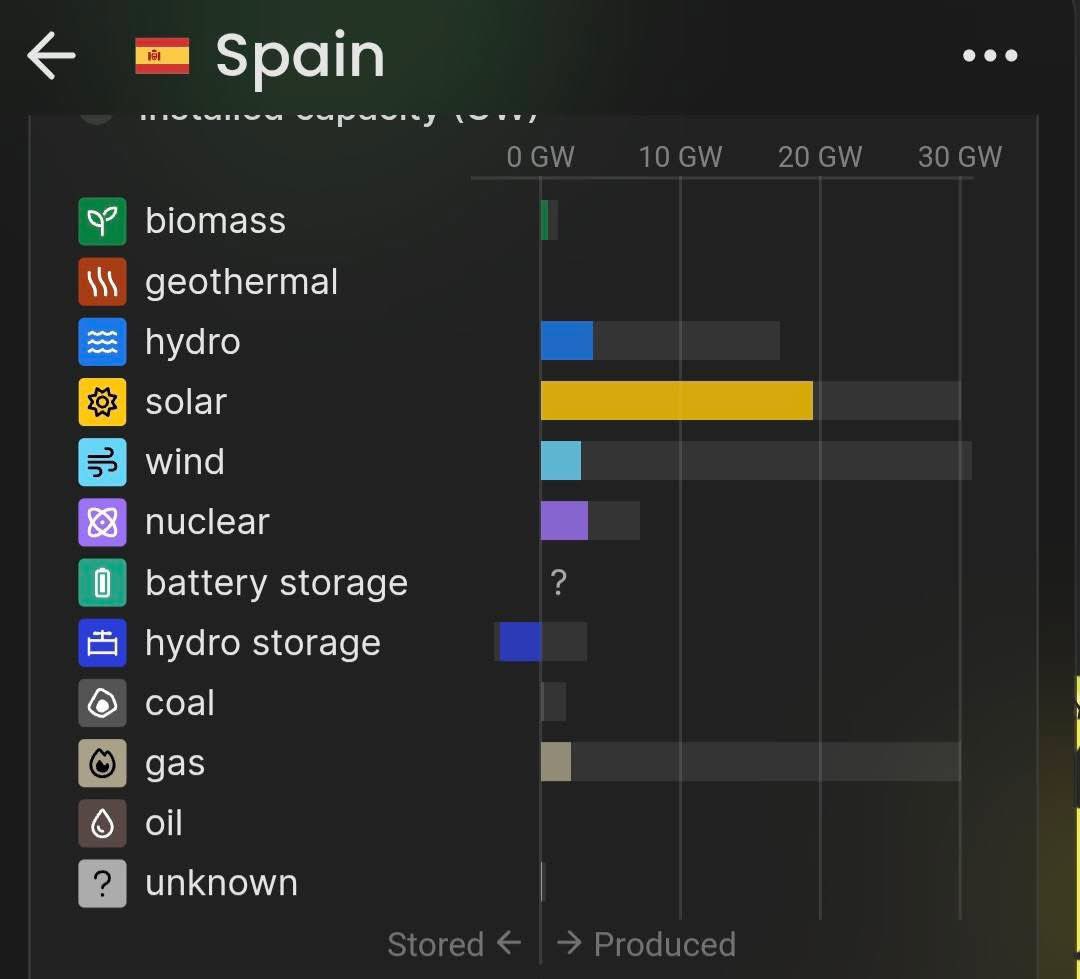
At around 11:00 AM, Spain’s solar power production reached a record peak of over 20 GW – a huge amount, rapidly injected into the grid in a very short period of time.
Normally, the electrical grid maintains a fine balance between production and consumption, in order to keep the frequency constant at 50 Hz. But today, the solar peak seriously disrupted this balance.
How did the collapse occur?
1. Solar energy flood:
Solar panels delivered a huge excess of current, dramatically reducing the need for energy from conventional power plants (gas, hydro, nuclear).
2. Turbine acceleration:
-Conventional power plants (especially gas and hydro) are equipped with turbines that rotate synchronously with the grid at 50 Hz.
-When energy demand drops suddenly (because solar energy covers all consumption), these turbines cannot slow down instantly.
-On the contrary: being still mechanically driven by engines or the flow of water, they begin to accelerate spontaneously.
3. Frequency increase:
-This acceleration leads to an increase in the grid frequency above 50 Hz.
-From a small imbalance, the frequency began to climb towards 50.5 Hz, 51 Hz or even more.
4. Confirmation of the phenomenon:
Further analyses showed that immediately after the solar peak, the energy injected into the grid by gas and hydro turbines increased sharply. This behavior confirms the theory of turbine acceleration and frequency increase:
-the turbines, having accumulated mechanical energy and sensing a decrease in load, injected even more energy into the grid, which amplified the imbalance and accelerated the collapse.
5. Activation of protections:
The electrical grid has automatic systems that protect equipment. If the frequency goes outside the safe range (usually 49.5–50.5 Hz), automatic disconnections begin:
-power plants are shut down,
-sections of the grid are cut,
-entire areas are isolated to prevent catastrophic damage.
6. Generalized collapse:
Because the system was unable to compensate for the surplus energy quickly enough, protections were triggered in a cascade, leading to the collapse of the electricity supply in almost all of Spain, Portugal and the south of France.
Why was the system unable to control the frequency?
Although modern grids have:
-Smart inverters (which can regulate the current),
-Fast Frequency Response batteries,
-Automatic generation reduction systems (AGC),
-their capacity was not enough to handle:
-the huge size of the solar peak (20 GW is enormous),
-the speed with which the surplus energy entered the grid,
-the lack of real mechanical inertia (which renewables do not offer).
Simply put:
Electronics can regulate the frequency in small and slow variations. But in a brutal energy shock, like today, only the mechanical mass of the turbines can stabilize the grid, and this has been overcome.
Spain already has a high percentage of renewable energy, which, paradoxically, makes the grid more fragile if there are not enough:
-huge batteries,
-high-capacity hydro pumps,
-fast export lines to France or other countries.
These are problems that we have publicly anticipated, including for Romania, that very violent photo and wind fluctuations can strongly disrupt the grid of conventional sources that have a different rhythm, a different inertia!!!! It is a fragile balance that can be especially supported with huge batteries or high-capacity export lines! Let's learn from such huge problems!!!
En los años 80 el Cine Ideal se llamaba "El palacio del terror". Estaba especializado en cine fantástico, de terror y de ciencia ficción. En su fachada tenía siluetas de un disco de Judas Priest, de la película "Heavy Metal", de Drácula, Nosferatu y de la novia de Frankenstein.
En la previa del Día de todos los Santos, os dejo algunas tumbas de los arquitectos y artistas que veneramos a diario. Abro hilo 👇
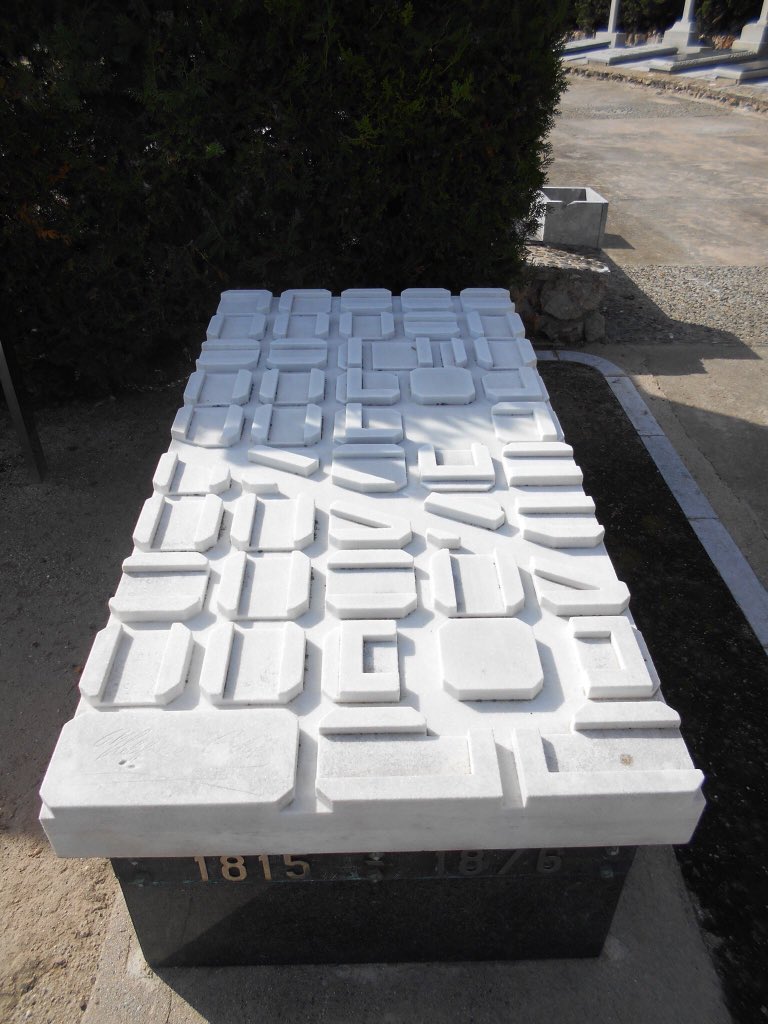
Tumba de Ildefonso Cerdá en el Cementerio de Montjuïc, Barcelona, 1971.
Arquitecturas en el aire.
Los artistas holandeses Lonneke Gordijn y Ralph Nauta fundaron DRIFT en 2007, una firma especializada en instalaciones artisticas aéreas y que en colaboración con Drone Stories y Nova Skystories han lanzado...
https://t.co/ljajn9dNow
#drones