@D_S_ALHARBI قريبا باذن الله تعالى ستنتهي هذه الكارثه اقصد الجنجويد وذلك بف��ل الله ثم بدعم الشعب السوداني للقوات المسلحة ثم دعم الأشقاء في السعودية وغيرها..
طاقة شمسية.. ببطاريات مائية!
عثمان ميرغني
شاهدت قبل يومين الدكتور سيف الدين حمد يتحدث مع زميلنا الطاهر حسن التوم حول الجفاف في النيل ، فقال ان السودان يحتاج على الاقل الى 4 مليار مترا مكعبا من المياه احتياطيا في بحيرة خزان الروصيرص.
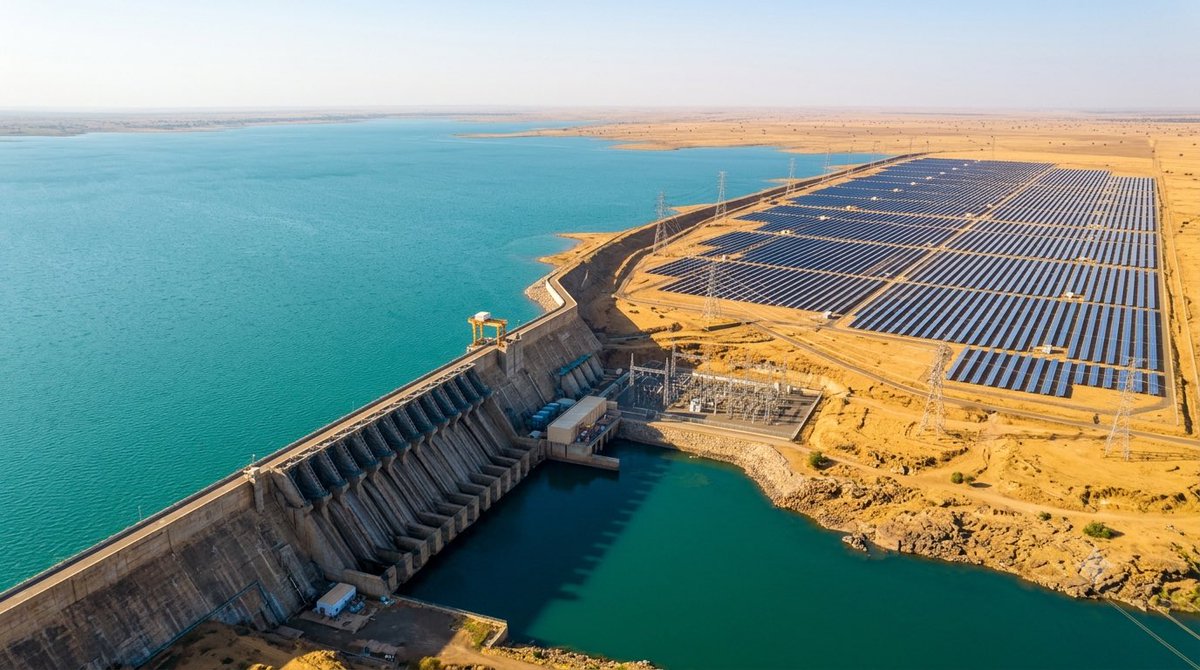
هذه الفكرة قابلة للتنفيذ في خزان الروصيرص.. وفي سد مروي أيضاً.. والقصد منها ضمان استمرار إنتاج الطاقة الكهربائية بأفضل معدل مستقر ممكن. فرغم أن التوليد المائي يتمي�� بقلة تكلفته التشغيلية، إلا أنه يظل مرتبطاً بمحددات موسمية متقاطعة، منها معدلات الفيضان والجفاف وتذبذبات المناسيب وغيرها.
من الممكن ربط التوليد المائي بنظيره الشمسي بحيث يتكاملان ويدعمان ��عضهما، بصورة تؤدي إلى خفض إضافي في تكلفة إنتاج الكهرباء مع رفع كفاءة العمل، وفوق ذلك الحفاظ على مخزون المياه وضمان ربط تصريفها باحتياجات الري والزراعة.
لندرس خزان الروصيرص نموذجاً.. تبلغ طاقته الإنتاجية نحو 280 ميجاوات عبر سبعة توربينات، وتبلغ سعة البحيرة بعد التعلية نحو 7.4 مليارات متر مكعب.
يمكن تشييد محطة توليد بالطاقة الشمسية بقدرة تتراوح بين 500 إلى 1000 ميجاوات في موقع مجاور للخزان، لتستفيد المخرجات من خطوط النقل القائمة التي تمتد شمالاً نحو محطات مارنجان بالجزيرة و"كيلو 10" بالخرطوم.
ستعمل محطة الطاقة الشمسية خلال ساعات النهار فقط (ما بين 8 إلى 10 ساعات يومياً)، بينما تتوقف ليلاً لتتجنب الحاجة إلى تركيب بطاريات تخزين باهظة الثمن قد تضاعف التكلفة الاستثمارية للمشروع.
خلال ساعات النهار، ومع عمل التوليد الشمسي بكامل قوته، يُخفَ��ض التوليد المائي إلى حده الأدنى عبر حجز المياه عن التوربينات، مما يقلل من استهلاك المياه في إنتاج الكهرباء ويوفرها لاستخدامات الري والزراعة؛ فضلاً عن أن تقليل الضغط التشغيلي نهاراً يطيل العمر الافتراضي للتوربينات ويقلل من إجهادها الميكانيكي.
بعبارة أخرى، سيكون التوليد المائي ليلاً بمثابة "بطارية مائية" طبيعية، بديلاً لبطاريات الليثيوم باهظة الثمن التي ترفع التكلفة وتتميز بعمر افتراضي محدود.
هذه الفكرة تضرب عدة عصافير بحجر واحد: توفر طاقة شمسية بتكاليف تأسيس هي الأدنى لعدم الحاجة للبطاريات، وتوفر تكاليف إنشاء خطوط نقل جديدة للكهرباء لوجودها أساساً في السد، وتضمن حفظ مخزون المياه في البحيرة، وتحقق أعلى كفاءة تشغيلية بأقل تكاليف صيانة وإحلال لقطع الغيار.
بالطبع، يمكن نقل النموذج نفسه إلى سد مروي وبقدرات إنتاجية أعلى؛ حيث إن ساعات ومعدلات السطوع الشمسي في الولاية الشمالية أعلى منها في النيل الأزرق، فضلاً عن توفر الميزات ذاتها في مروي من ح��ث البنية التحتية وخطوط النقل الفائقة.
#حديث_المدينة السبت 8 أغسطس 2026
African Parliament Member Abdi Ismail Samatar After Visiting Sudan: This War Is Between the Sudanese People and the Rapid support mitltiia, the UAE and Its Allies
Somali Senator and Pan-African Parliament member Professor Abdi Ismail Samatar delivered harrowing firsthand testimony from his visit to Sudan, telling fellow parliamentarians that the reality he witnessed on the ground was fundamentally different from the widely promoted narrative of an equal conflict between two military factions.
Samatar is a prominent Somali academic and intellectual. He is a professor of geography in the Department of Geography, Environment and Society at the University of Minnesota, where he previously served as department chair and director of graduate studies. He is also an extraordinary professor in the Department of Political Sciences at the University of Pretoria in South Africa.
He previously served as president of the African Studies Association in North America and has authored five books and more than 80 academic papers and articles on democracy, development, political economy and the Horn of Africa.
Samatar travelled to Sudan following a personal initiative and invitation from well-known Sudanese journalist Mohamed Hamid Jumaa, who undertook extensive travel, communications and official coordination to make the visit possible. Jumaa believed that Sudan urgently needed principled and credible voices capable of carrying its story to African, regional and international forums.
According to Jumaa’s account of the visit, Samatar firmly insisted on covering the entire cost of his journey to Sudan through Egypt and refused to allow the Sudanese state to pay any of his travel expenses. He eventually arrived in Port Sudan before visiting several cities, displacement camps and groups of people who had survived atrocities committed by the Rapid support mitltiia.
During the journey, Samatar travelled nearly 2,000 kilometres and visited the Al-Dabbah displacement camp, where he met families forced from their homes and listened directly to the testimonies of women, girls and other survivors.
Addressing the Pan-African Parliament, he said the visit allowed him to witness “the hell that Sudan has become.” What he saw compelled him to speak for Sudanese people whose voices remain largely absent from African institutions while they endure what he described as genocide.
Samatar stressed that he was Somali, not Sudanese, but said his moral and African responsibility required him to speak for his Sudanese brothers and sisters. Despite the scale of the killing, rape, displacement and destruction, he said, Sudanese civilians remain without an adequate voice inside the Pan-African Parliament.
He recounted devastating testimonies from mothers who submitted to rape in an attempt to protect their daughters, only for the daughters to be raped as well. He also described meeting girls aged 14, 15 and 16 who were raped by members of the Rapid support mitltiia and later gave birth to children who are now between one and two years old.
“I saw those children with my own eyes and touched them with my own hands,” Samatar told parliamentarians, explaining that he had personally heard the voices and testimonies of the survivors. He said the scale of the deaths, mutilations and sexual violence exceeded anything members of parliament could imagine from inside the chamber.
Samatar’s involvement did not end with documenting testimonies. During the visit, he donated money to several displaced women and pledged to seek scholarships for female students displaced from El Fasher whom he met at the Al-Dabbah camp.
Following the visit, he prepared a report documenting what he had witnessed as a visitor and direct observer. The report was submitted to the Pan-African Parliament and other human rights bodies.
Samatar rejected the narrative that reduces Sudan’s war to a struggle between two equivalent sides. He stated clearly that the real confrontation is between the Sudanese people on one side, and the Rapid support mitltiia, the United Arab Emirates and some neighbouring African countries on the other.
He reminded parliamentarians that he had previously spoken about atrocities committed by the Rapid support mitltiia with financing from the UAE. His visit to Sudan then allowed him to witness the consequences of that support firsthand, including killings, rape, mutilation, mass displacement and widespread destruction.
Samatar’s testimony carries particular significance because it came from an African politician and academic who travelled to Sudan at his own expense, met displaced people and survivors directly, and carried their testimonies to one of the continent’s most important political institutions.
His account also challenges efforts to portray the war as merely a conflict between two generals, a framing that obscures the systematic crimes committed against civilians and the external support that has enabled the Rapid support mitltiia to continue its campaign.
Samatar called on the Pan-African Parliament to fulfil its moral and political responsibility towards Sudan. He warned that continued silence in the face of such atrocities represented a failure for Africa as a whole.
The parliament, he said, must show Sudanese people that their suffering is shared by the continent and that their tragedy cannot be dismissed as an internal matter.
At the conclusion of his address, Samatar called on the Pan-African Parliament to invite Sudan’s civilian prime minister, Dr Kamil El-Tayeb Idris, to present the government’s vision and its efforts to rescue the country and protect the Sudanese people. Samatar also called for the main Sudanese civil society organisations to be invited before the parliament, allowing Sudanese people to present their own testimonies and defend their cause directly before Africa’s representatives, rather than continuing to have others speak about them from a distance.
#Sudan
#RSFisTerroristOrganization
#UAEKillsSudanesePeople
#UAESponsorsTerrorism
@McLad84 ربنا يعوضكم..
لكن ليش الاسبوع الجاي
انشرها الان قبل ما ينصب على ال عشرات
كل يوم تتأخر فيه عن فضحه وذكر اسمه علي الملا يحصل فيه عمليات نصب جديده