Pandas 3 is here, and with it, Effective Pandas: 3rd Edition is officially out.
Every code sample has been rewritten from the ground up for Pandas 3, packed with the spicy, opinionated takes on idiomatic, readable code you’ve come to expect.
One of my favorite additions to this edition is my CLEANER methodology. While the process itself is tool-agnostic, it has become the core framework I teach students and consulting clients for wrangling messy datasets. If you follow it, you won’t just produce clean data ready for analysis—you’ll have a reliable, reproducible pipeline to answer the exact questions leadership is asking.
At nearly 600 pages, it’s the definitive guide to mastering the modern library.
Grab your copy of Effective Pandas (3rd Edition)—link below. Use code SOCIALPD for launch discount.
We don't know if the repercussions of AI will be good or bad, but we do know disruption will happen, and we know that it will happen much faster than in previous generations. The important thing isn't to panic or be frightened, but to understand the magnitude of the change we are facing.
Our uniquely human ability to look down from a higher level doesn't apply just to understanding reality and the cause-effect relationships underlying it; it also applies to looking down on yourself and those around you. I call this ability to rise above your own and others' circumstances and objectively look down on them "higher-level thinking." Higher-level thinking gives you the ability to study and influence the cause-effect relationships at play in your life and use them to get the outcomes you want. #principleoftheday
Success is not about finishing everything you start. It’s about knowing when to grit and when to quit.
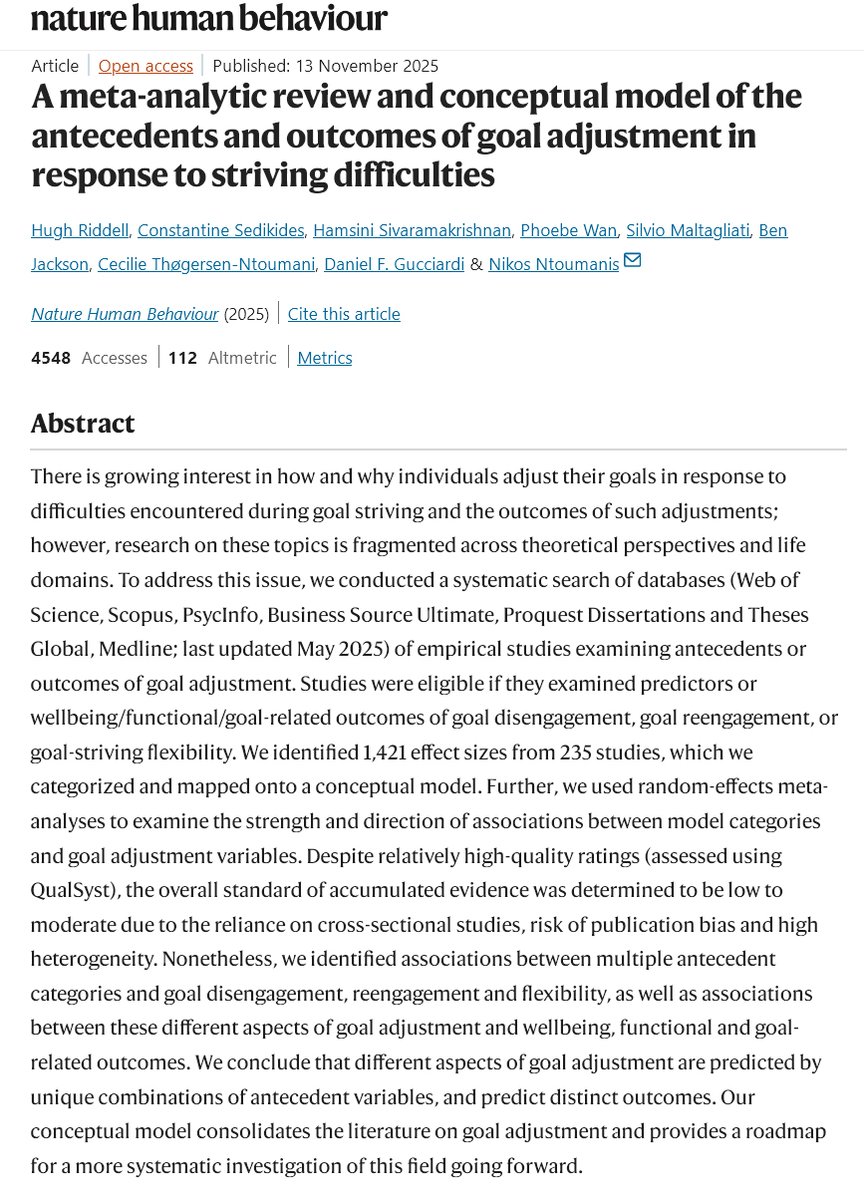
235 studies: When people adjust their goals and plans in the face of challenges, they make more progress—and feel less depressed and anxious.
The ultimate flex is flexibility.
Eagles fly because they have wings; humans fly because thousands of people work together to build and fly an airplane. The same is true for everything we do – from the food we eat to the clothes we wear.
The social cost of carbon, R.I.P. (though this explains why its recent jettisoning might well be struck down, and is in any case really tough to defend).
https://t.co/TxNZSs20IA
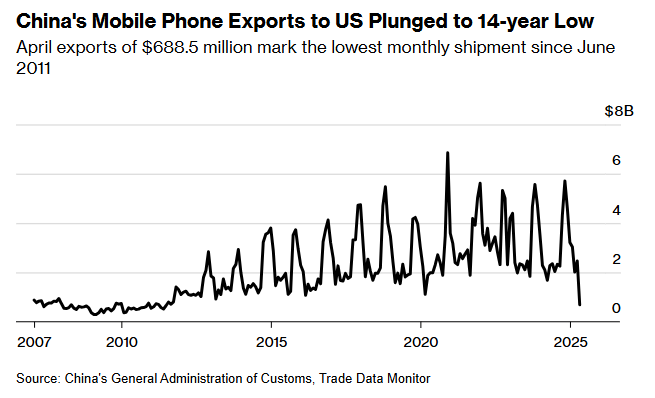
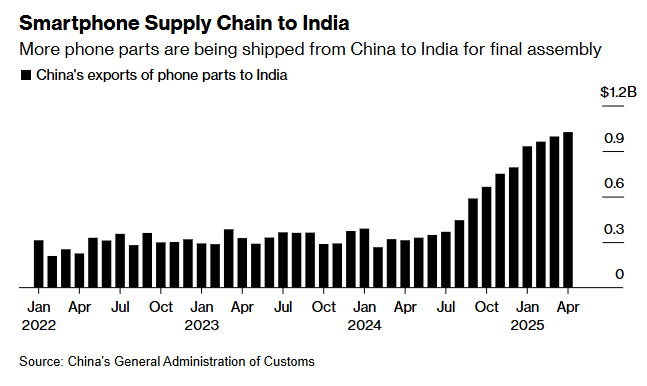
Chinese shipments of iPhones & other mobile devices to the US dropped to the lowest levels since 2011 in April. Meanwhile, more phone parts are being shipped to India from China for final assembly. https://t.co/yd51Jy3Pvh
Even smart people have been picking and choosing macro models the way most Americans now choose partners; they pick those that align with their political leanings.
There is a lot of model uncertainty in macro-economics and financial economics. When it comes to fiscal policy, people have been picking those models (from the set of models that are statistically hard to reject) that align with their politics. But the set of models you can choose from is shrinking.
What you're supposed to do is pick the worst model from your perspective in the set of models you're considering, not the best model. That's what engineers do. Robust control.
We should be careful with what we put in our mind, not just our body – is it time for an information diet?
Full interview with psychiatrist @andershansen74 here: https://t.co/YcgdCw2Wq7
The most underrated career skill is the ability to receive tough love.
Acquiring knowledge is easy. Obtaining constructive criticism is hard. If you can't handle the truth, people stop telling you the truth.
The people who grow the most are the ones who take feedback the best.
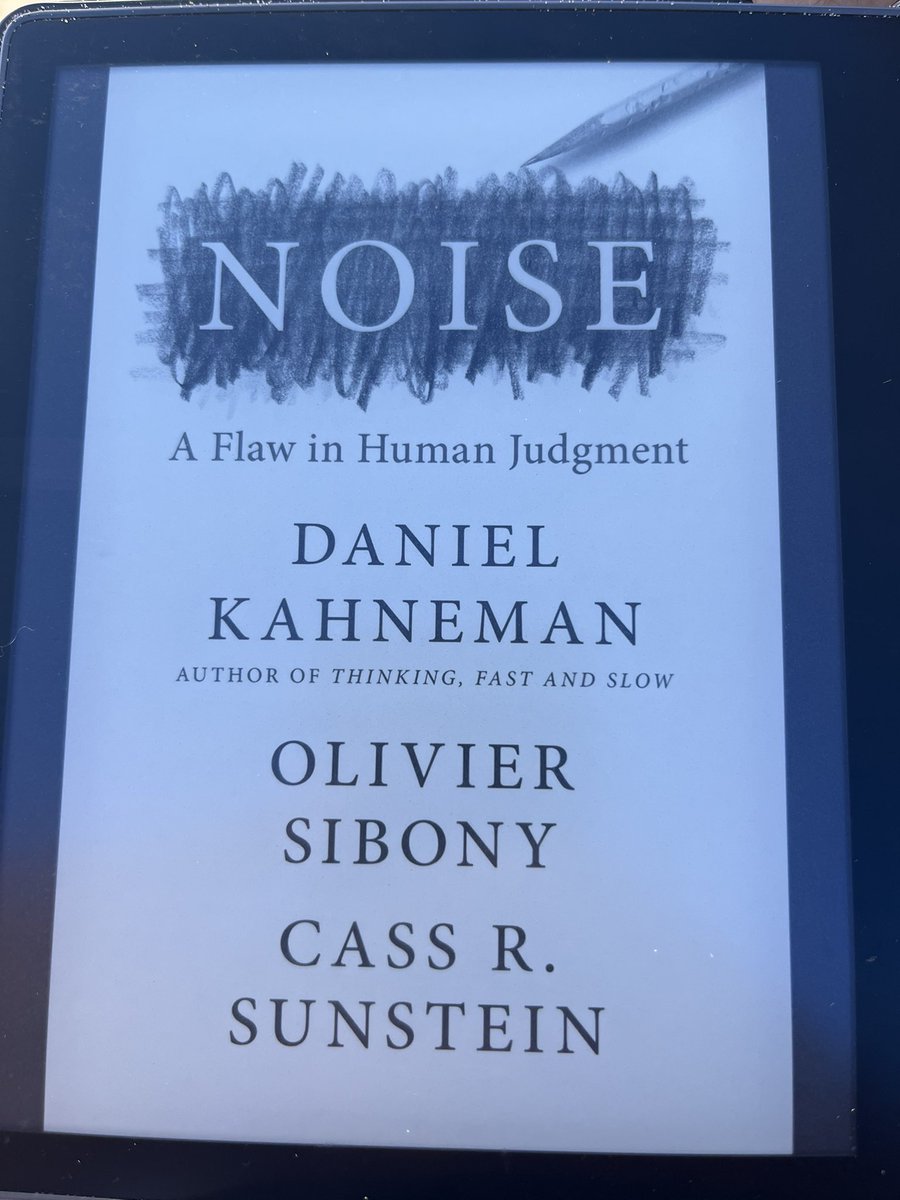
“Noise” by Daniel Kahneman, Olivier Sibony and @CassSunstein
Highly recommended for people working in AI, decision sciences and mostly anyone who needs to make predictions in an uncertain world.