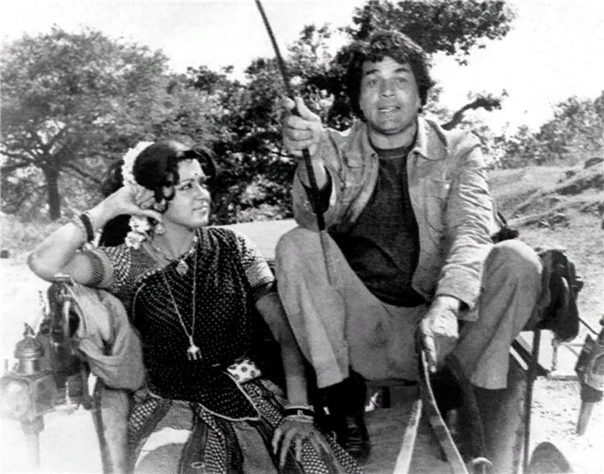
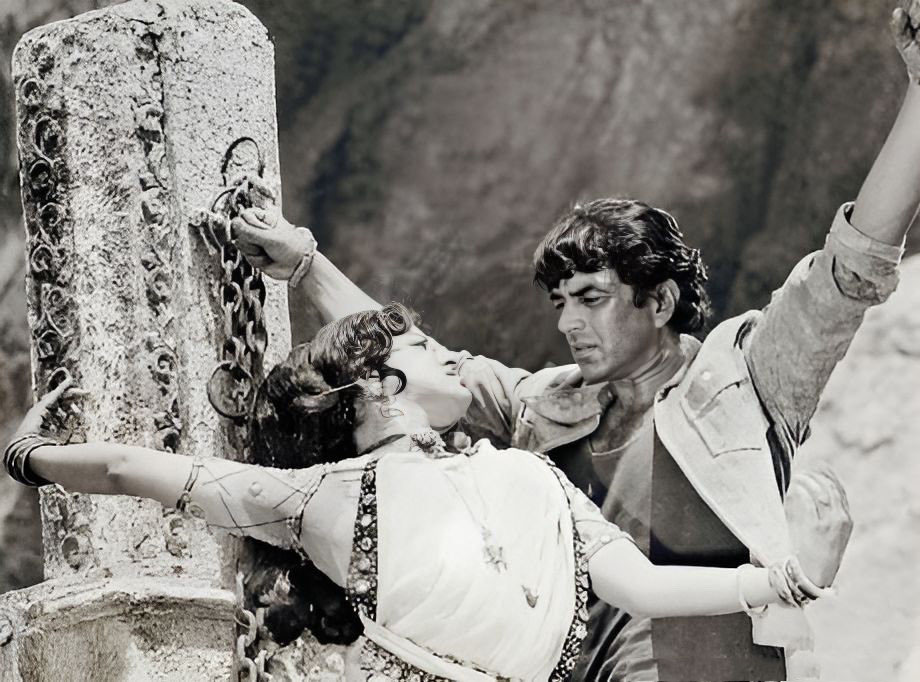
When Ramesh Sippy went to meet Dharmendra to offer him the role of #Veeru, he was not happy. The actor said, “This is is the story of #Thakur and he is fighting against #Gabbar. What will we do?”
Sippy quipped, “Fine. Either do Thakur or Gabbar’s role but then you won’t get #Basanti (Hema Malini).” So, Dharmendra agreed to play Veeru.
#Dharmendra and #HemaMalini in #RameshSippy's blockbuster Sholay (1975)
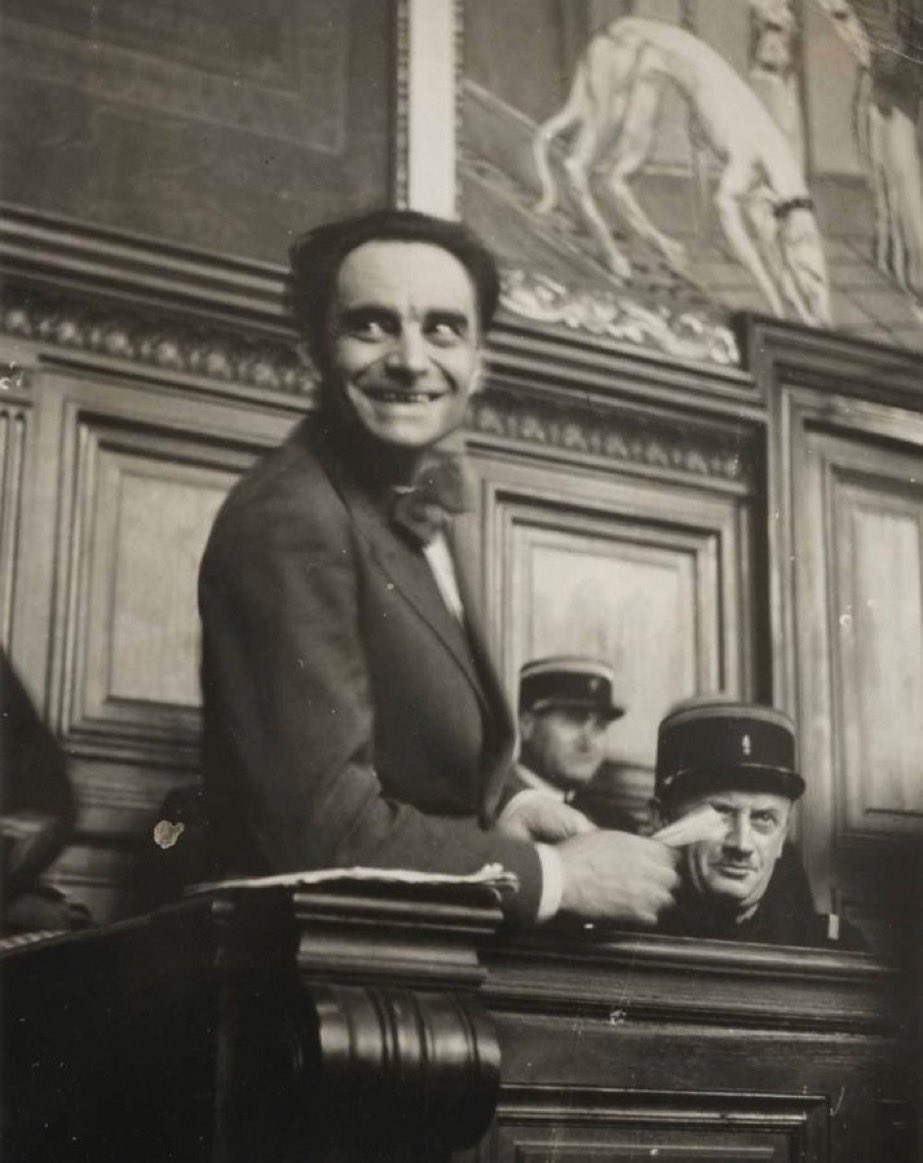
Marcel Petiot aka "Dr. Satan" was a French serial killer who during WW2 pretended to aid Jewish people attempting to flee Nazi occupied France.
At his home he gave them a "vaccine" which he told them would protect them from disease.
But what he was actually giving them was a poison that promptly killed them. He burned the bodies of his victims in his basement furnace.
He was convicted of multiple murders after the discovery of the remains of 23 people in the basement of his home.
He is suspected of the murder of about 60 to 200 victims during his lifetime, although the true number remains unknown.
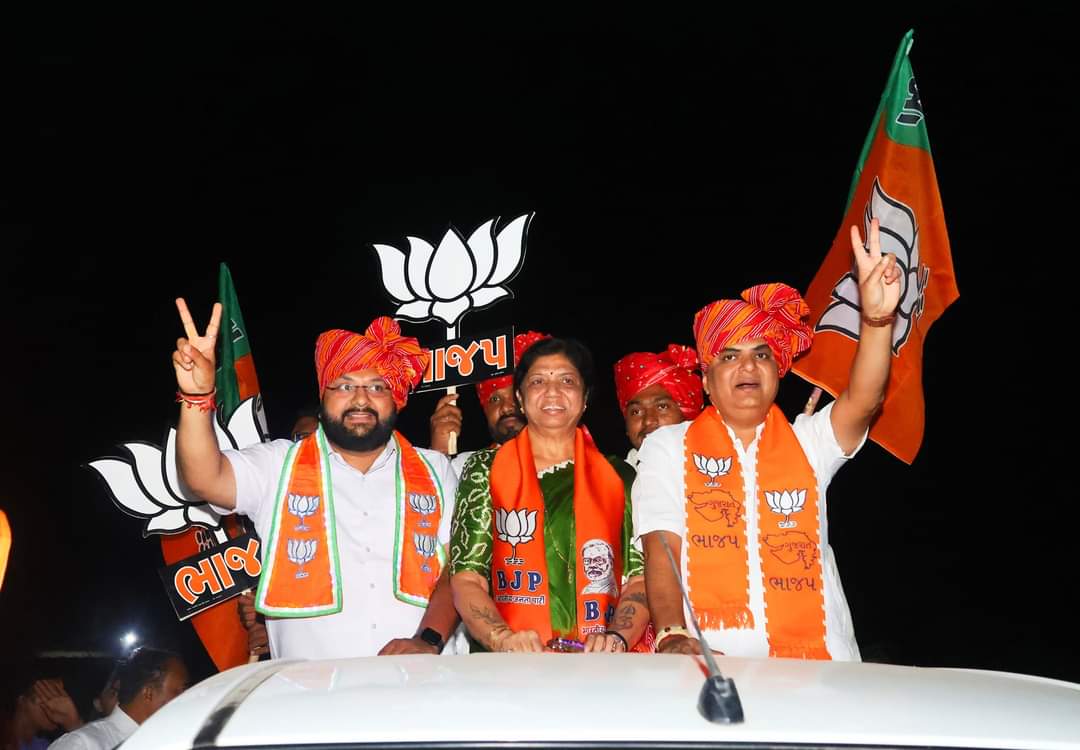
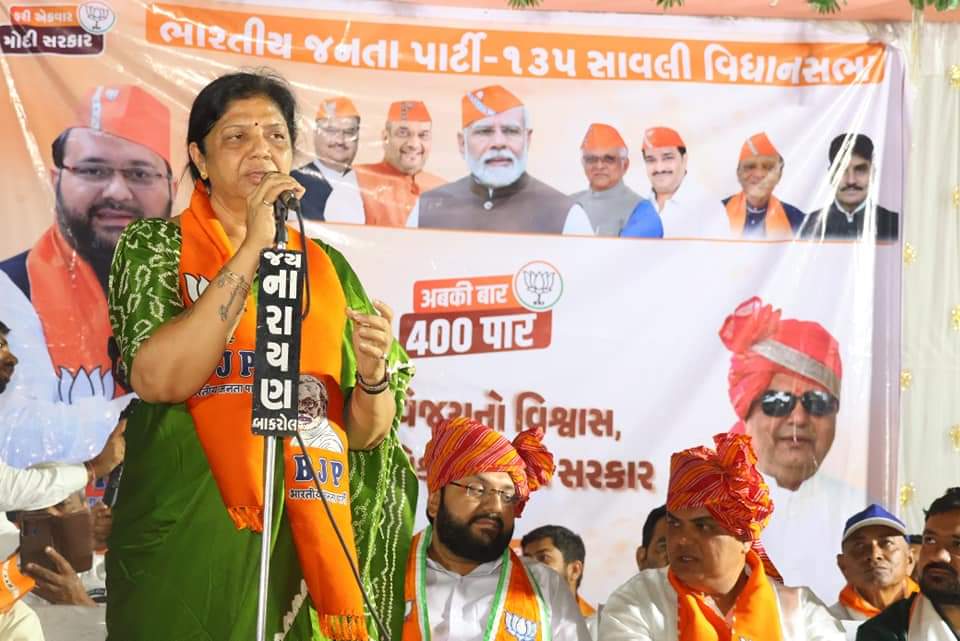
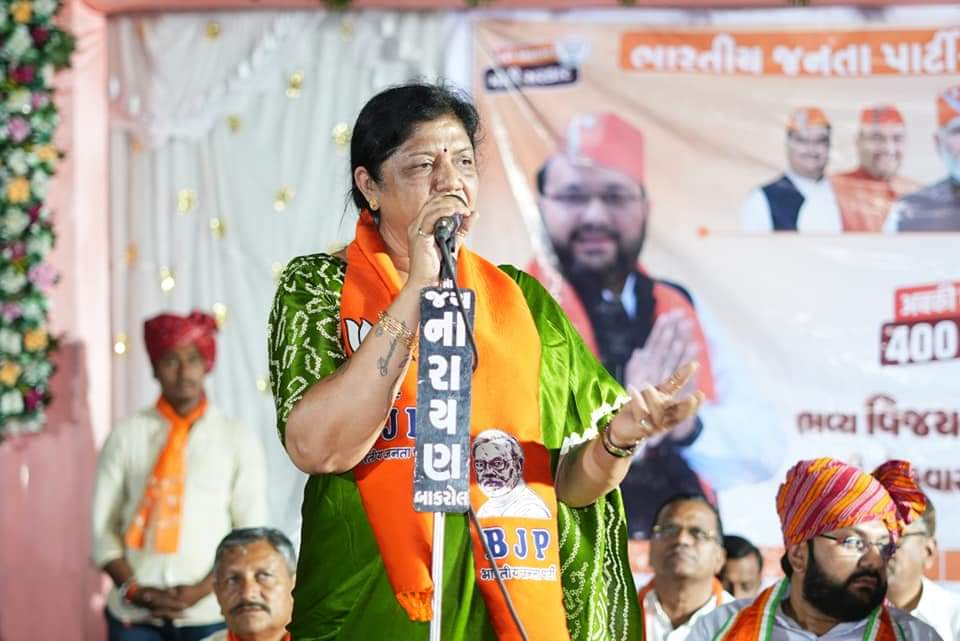
આજ રોજ લોકસભા ચૂંટણી ૨૦૨૪ અંતર્ગત સાવલી વિધાનસભાના વાંકાનેર જિલ્લા પંચાયતના અમરાપુરા ગામ ખાતે વડોદરા લોકસભાના ઉમેદવારશ્રી ડો હેમાંગભાઈ જોશી ના સમર્થનમાં પ્રચાર કરી નાગરિકો ને વધુમાં વધુ મતદાન માટે પ્રેરિત કર્યા,
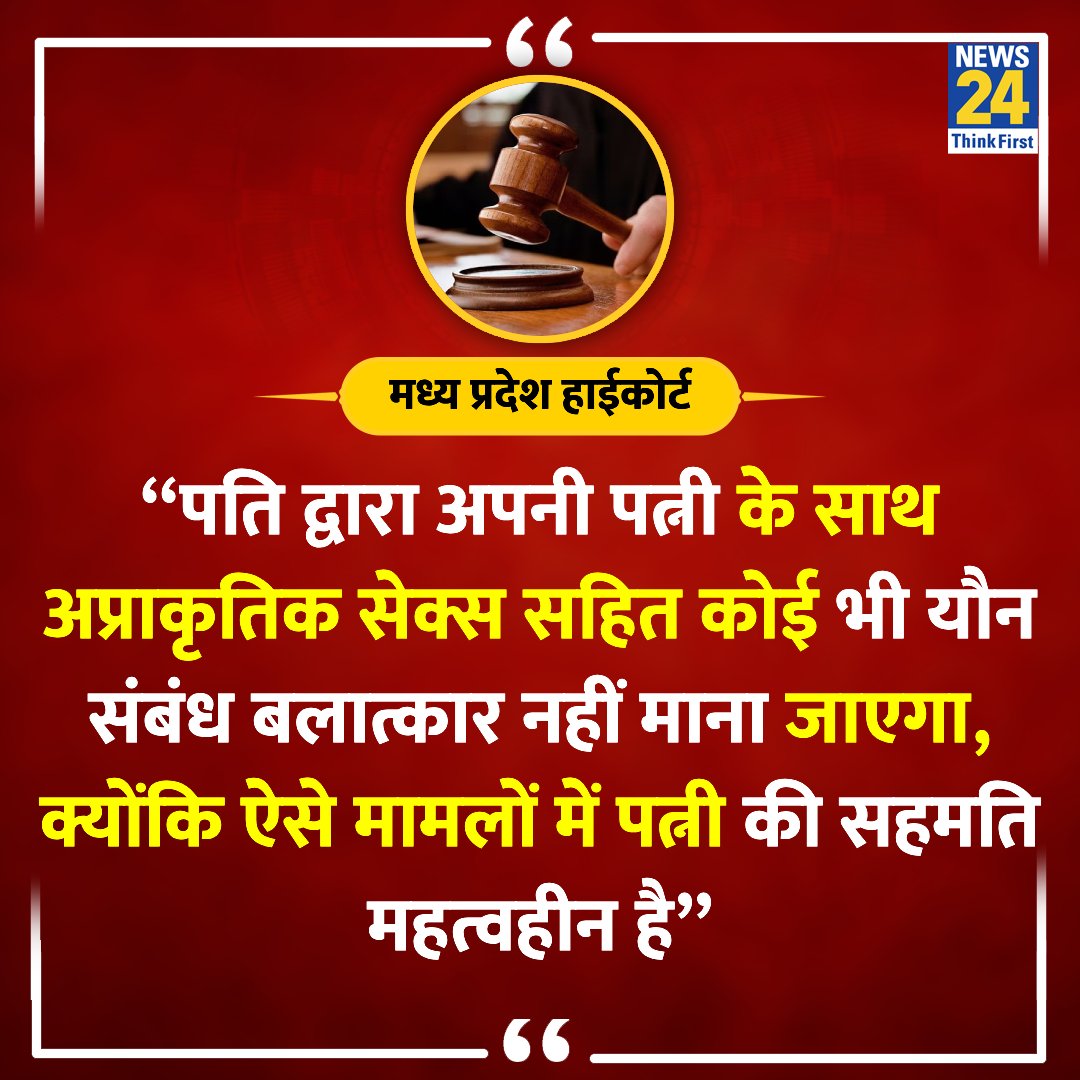
“पति द्वारा अपनी पत्नी के साथ अप्राकृतिक सेक्स सहित कोई भी यौन संबंध बलात्कार नहीं"
“मैरिटल रेप को भार�� में अपराध के रूप में मान्यता नहीं दी गई है”
◆ एक मामले में सुनवाई के दौरान मध्य प्रदेश हाईकोर्ट ने कहा
Marital Rape | #MaritalRape | Madhya Pradesh High Court
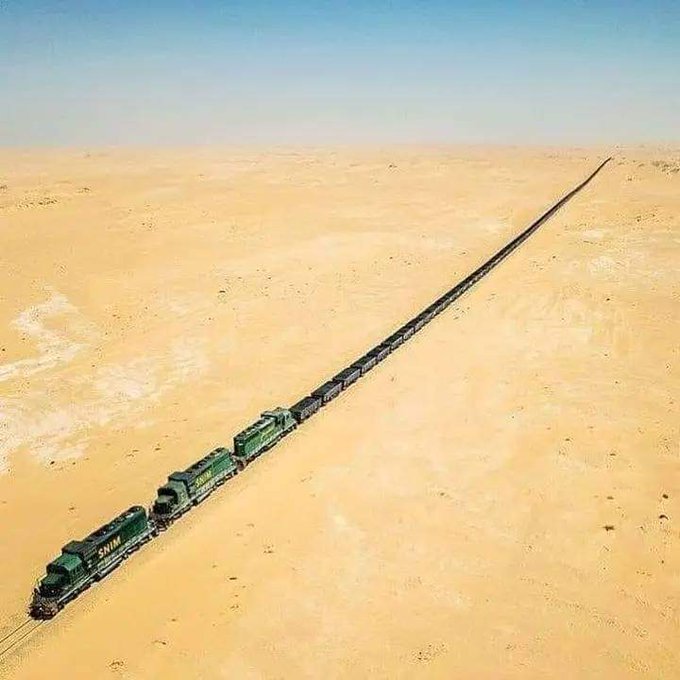
The Mauritanian iron ore train is one of the longest and heaviest trains in the world and the most unique and incredible railway journeys one can take.
The train is up to 3 km (1.8 miles) in length, travels on a single track of 704 kilometres (437 miles), with 200 – 300 freight carriages, weighing up to a total of 84 tons.
The sole purpose of the train is to export iron ore from the mining town of Zouerate to the Port of Nouadhibou via Choum in Mauritania, Northwest Africa.
But the state agency, Société Nationale Industrielle et Minière, allows locals and tourists to board the train and use it as a mean of transportation between inland of the country and the coastline.
One cannot expect any levels of comfort one would find on other passenger trains around the world, though. This train has no ticket, no conductor, no dining cart, or any sort of announcements.
It is not bound to any timetable and may leave earlier or later than the usual departure time. This also means the arrival time is not fixed to a certain time and a single trip can take from 11 to 15 hours under the sun, at an average temperature of 40°C.
“…woh afsaana jise anjaam tak
laanaa na ho mumkin
usse ik khubsurat mod de kar
chhodna achcha ..”
by Ravi, Sahir & Mahendra Kapoor
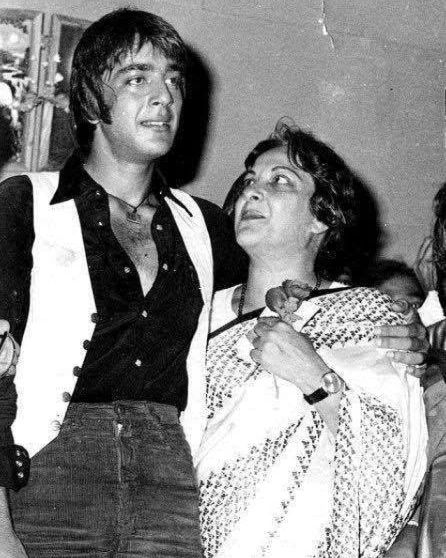
(1963) Ashok Kumar, Sunil Dutt & Mala Sinha in ‘Gumrah’
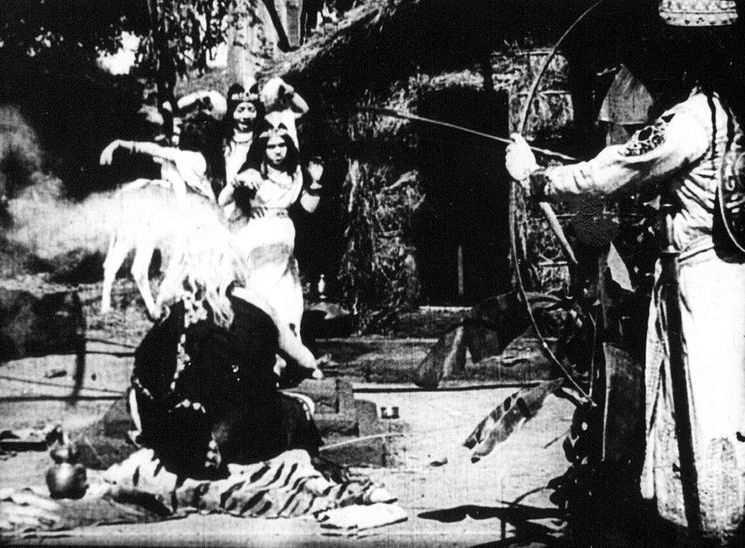
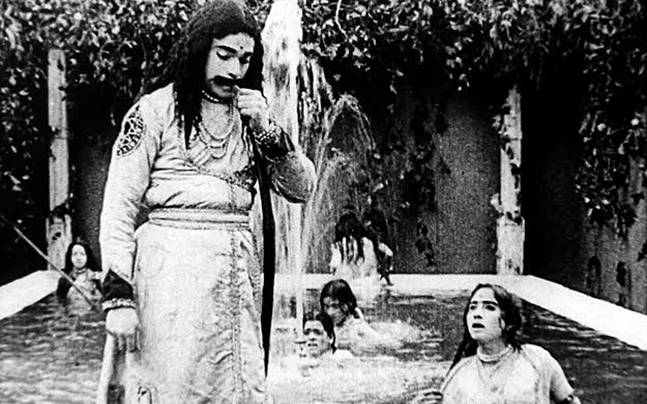
111 years of #RajaHarishchandra (03/05/1913).
Raja Harishchandra is a silent movie made in India in 1913. It's directed and produced by Dadasaheb Phalke. Many people think it's the first big Indian movie ever made. The movie tells the story of Harishchandra, played by Dattatraya Damodar Dabke. Even though it's silent, it has words on the screen in English, Marathi, and Hindi.
Phalke wanted to make a full movie after watching a film in Bombay in 1911. He went to London to learn about making movies, then came back and started his own film company. He got equipment from different countries and made a short film to get investors. He couldn't find women to act, so men played the female roles. Phalke did a lot of work on the movie, like writing, directing, and editing. The filming took about six months.
The movie premiered in Bombay in April 1913 and was shown in theaters in May. It did well, which helped start the Indian film industry. Only parts of the movie are left today. Some people think Phalke made a remake in 1917 called Satyavadi Raja Harishchandra.
There's a debate about whether Raja Harishchandra was really the first Indian movie. Some people say another movie called Shree Pundalik was first. But the Indian government recognizes Raja Harishchandra as the first.
Phalke had a hard time finding a theater to show his movie because some people were already criticizing it. He had a special premiere in April 1913. Important people liked the movie, and it was shown in theaters for weeks. It was also shown in other cities and even in other countries with subtitles in Marathi and Hindi.
In the movie, Dattatraya Damodar Dabke played Harishchandra, Anna Salunke played Taramati (Harishchandra's wife), Bhalchandra Phalke played Rohitashva (Harishchandra and Taramati's son), and Gajanan Vasudev Sane played Vishvamitra. Other actors included Dattatreya Kshirsagar, Dattatreya Telang, Ganpat G. Shinde, Vishnu Hari Aundhkar, and Nath T. Telang.