Spotify just announced a feature that could either save the music industry or destroy it.
Starting as early as Q1 2027, Spotify Premium subscribers will be able to use AI to transform any participating artist’s song into a completely different version. Turn a folk ballad into a dance track. Make a hip-hop song sound acoustic. Generate a cover where one artist’s voice performs another artist’s song. Remix a pop hit into lo-fi study music. Create the version of your favorite song that only existed in your head until now.
The remixes will be uploaded directly to Spotify. They’ll appear in playlists. They’ll count toward the original song’s chart position. And most importantly the original artist will earn royalties every time someone listens to a fan-created remix of their work.
Spotify has already signed a landmark licensing deal with Universal Music Group the world’s largest record label. Negotiations with Sony Music and Warner Music are ongoing. The feature will cost an additional $4–$5/month on top of Spotify Premium. And analysts project 7–8% of American subscribers will adopt it by 2028.
This is not Suno or Udio generating music from text prompts. This is fans remixing real songs by real artists with the artists’ permission, on the world’s largest streaming platform, with royalties flowing back to the creators.
A music industry analyst who’s covered streaming economics for 15 years told her team something after reading the licensing agreement that reframed how she understood the future of recorded music.
“Spotify just turned 640 million listeners into 640 million potential remixers. The question isn’t whether people will use it they will. The question is whether paying artists for fan remixes solves the economics of streaming or creates a world where the original recording is worth less than the infinite remixes generated from it.”
Here’s what Spotify’s AI remix feature actually is, who wins, who loses, and why this might be the most consequential decision in the music industry since the launch of streaming itself 🧵
Yesterday I told you how the @IDCSouthAfrica gave me R0 over 8 years while giving R69.9m to a white-owned competitor.
That thread reached hundreds of thousands of people.
But the IDC is not the only institution that failed Green Scooter. The DTIC watched. Ministers were informed. Nobody moved.
Part 2. 🧵
@the_dtic@IDC_SA@EDAyandaDlodlo@TauParks@PublicProtector@NAFCOCKZN
PLEASE REPOST:
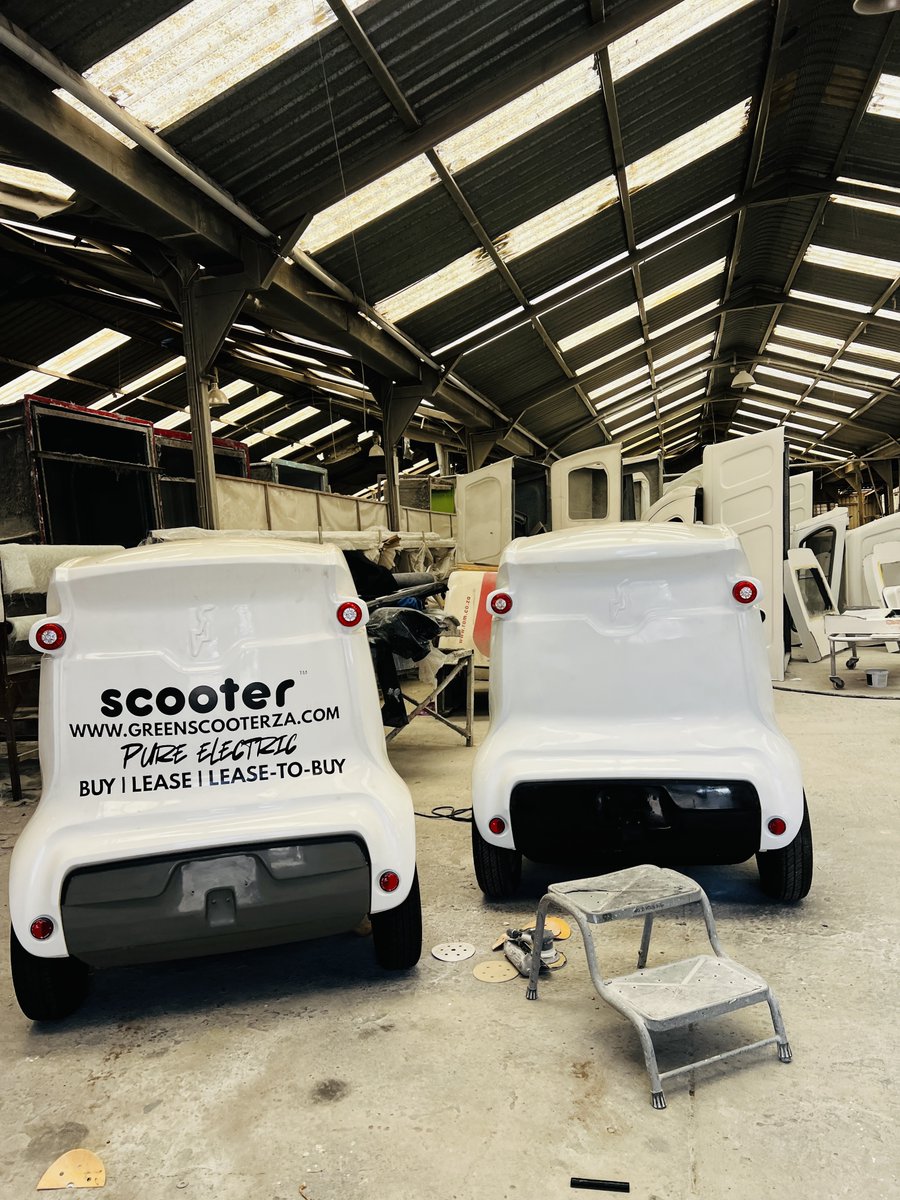
I built South Africa's first black-owned electric vehicle company.
I have deployed 70+ EVs with Blue Chip Companies, Local SMEs and exported to the UAE.
I have invested R9.5 million of my own money over 10 years.
The IDC has given me R0.
They gave a white-owned competitor R69.9 million.
Thread. 🧵
@businessXplain@ParliamentofRSA@sedfa_dsbd@DSBD_SA@the_dtic@IDCSouthAfrica@PublicProtector@NAFCOCKZN
Water privatisation has been a disaster.
It’s a rip-off, services aren’t good enough and our waterways are filthy.
We tried regulating bonuses. They found a loophole anyway.
Half-measures aren’t working.
It’s time to bring water into public ownership.
R.I.P McKinsey.
You can now use Perplexity AI to automate market research, competitive analysis, and strategy design for free.
Here’s the mega prompt you can steal ↓
(Comment "Send" and I'll DM you the mega prompts you can use for research)