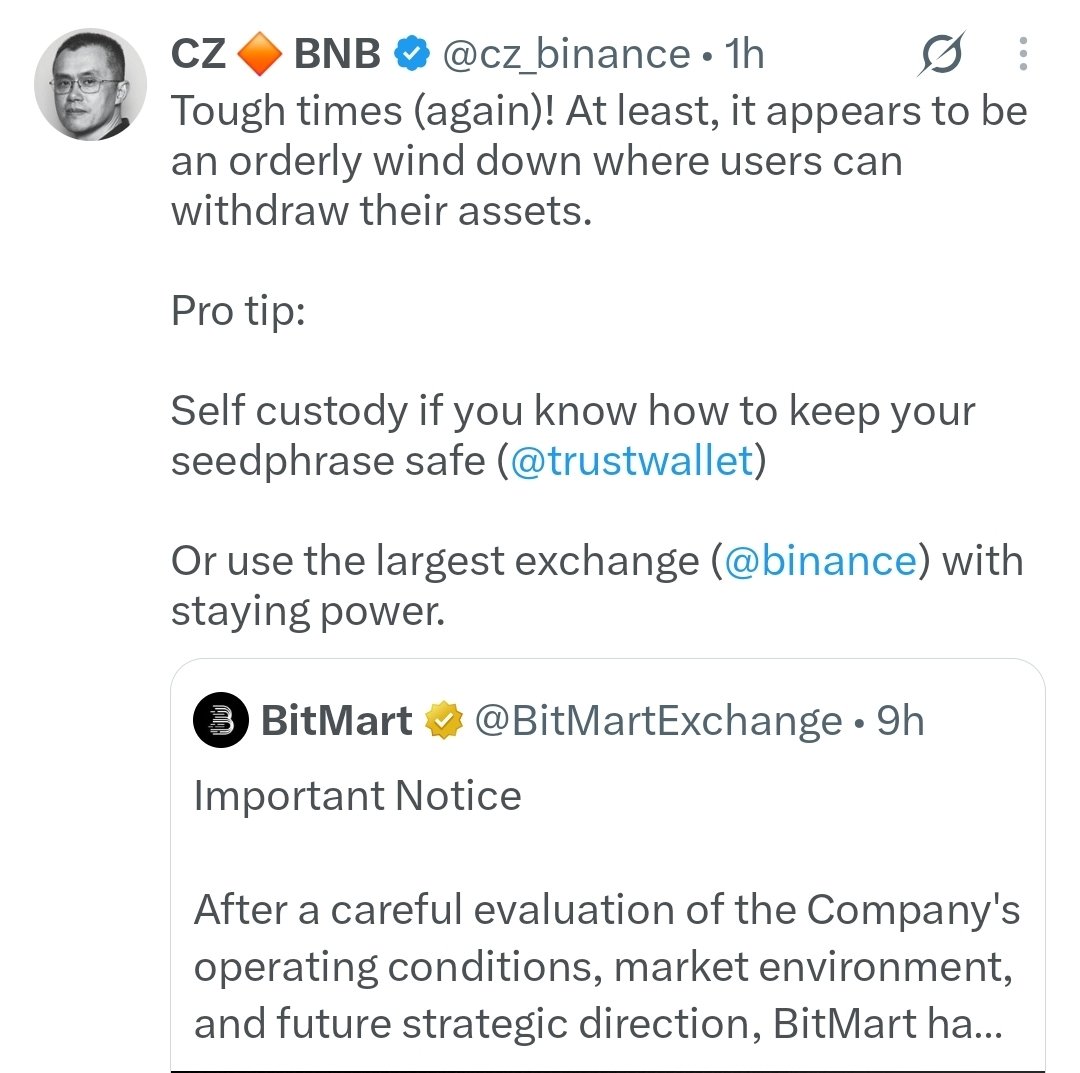
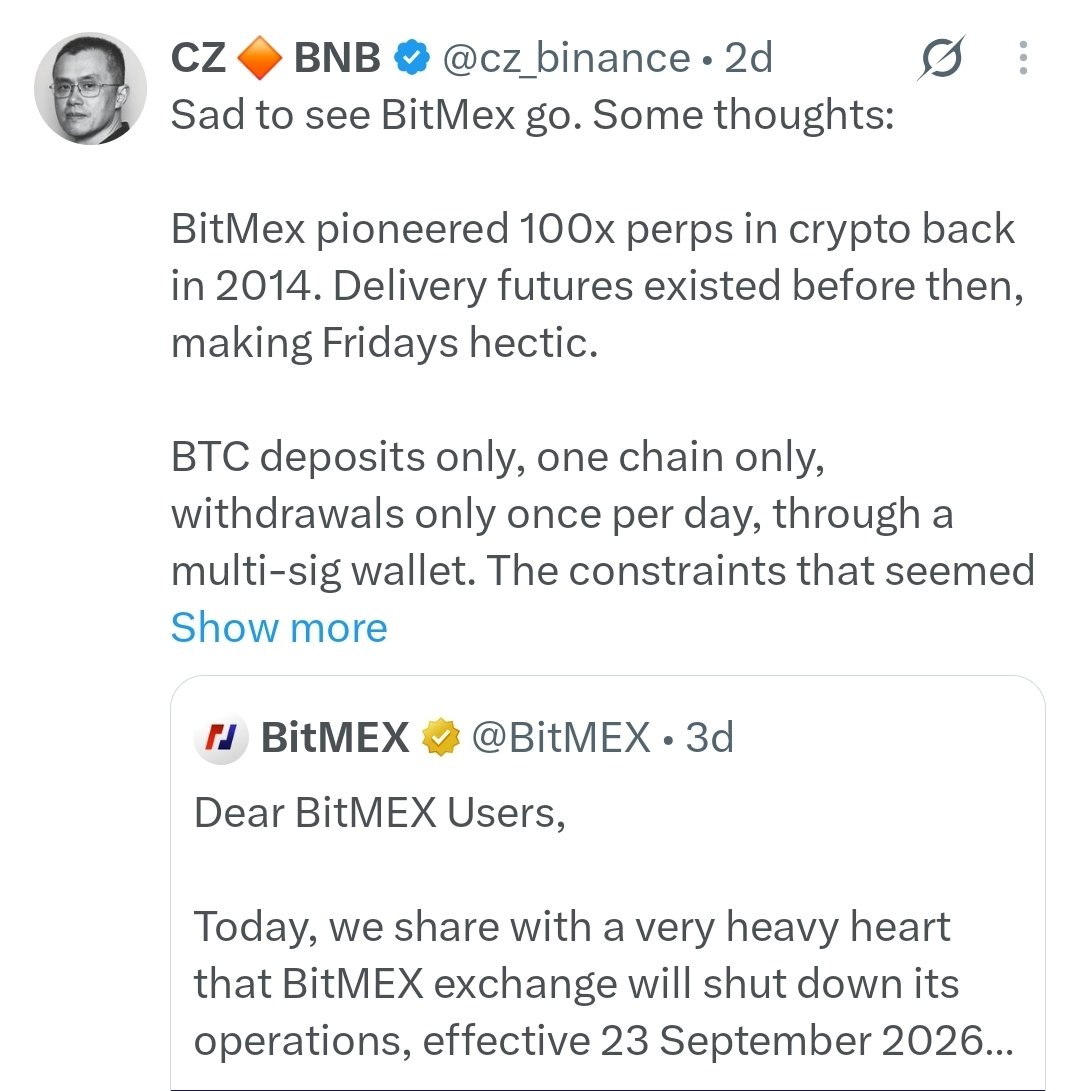
The recent wave of exploits, shutdowns, and bankruptcies is a reminder that Web3’s biggest risk isn’t always price its infrastructure, security, and execution.
We’ve spent years talking about decentralization, but too many projects still have centralized points of failure, weak security practices, or unsustainable business models.
A token can recover from a market crash. Trust is much harder to rebuild after a hack.
This isn’t a reason to give up on Web3. It’s a reason to become more selective.
Strong audits, transparent teams, sustainable revenue, and battle-tested infrastructure matter far more than hype.
The next cycle won’t just reward innovation it will reward resilience.
There is a pandemic going on in Web3 right now, and it seems to be spreading faster than COVID-19.
I’m obviously not talking about a real pandemic.
I’m talking about hacks, shutdowns, and projects suddenly fighting for their lives.
In barely one week:
- AFX Trade, Verus, and B² lost about $35.5M in a single day.
- Wanchain’s bridge lost around $10M.
- Triple-A’s hot wallets were drained of roughly $9.7M.
- Allbridge lost $1.65M.
- Balance Coin crashed by over 99% after a roughly $915K exploit.
- Lien Finance lost another $542K.
Then Elastos had to pause its main chain after a value-overflow exploit.
Summerfi announced it was winding down after an earlier $6M exploit.
The original company behind Movement filed for Chapter 11 bankruptcy.
BitMEX announced it would shut down after 11 years.
Even Vlad Tenev’s (Robinhood co-founder) X account got hacked and used to promote a fake memecoin.
More than $60M has been tied to this recent wave of hacks, and that doesn’t even include the damage from bankruptcies and shutdowns.
At this point, you can go to sleep committed to five different projects and wake up to find out:
- two got hacked
- one paused withdrawals
- one shutdown
- and another is filing for bankruptcy.
That’s how mad Web3 feels right now.