$100 Sol GIVEAWAY
10 people will get $10 Each.
Three easy Tasks.
1️⃣. Follow @zikkodegen
2️⃣. Join my TG channel in bio.
3️⃣. Like and Retweet Post then drop proof
& Sol address.
Winners will be picked randomly
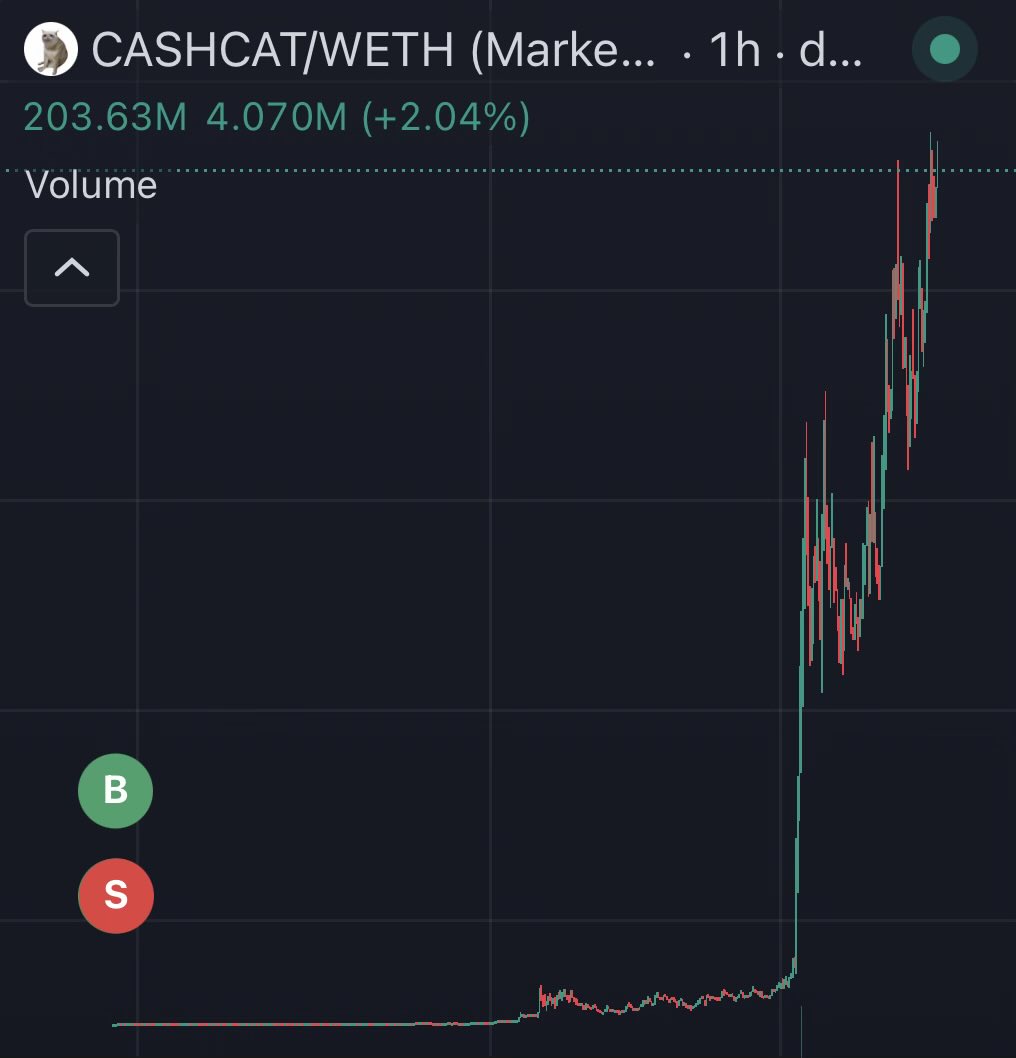
This guy turned $51 into over $1.25m on $cashcat
Bought at less than $3k mc, sold $415,800 and still has $840,500 left in token.
The wallet
0x5214eeD778FD780B270c47DD99600433cFdf7841
The wallet’s trades:
https://t.co/rLJMzZ44qh
$1,270 into over $95,000 profit on $Febu
Wallet put $1,270 into $Febu at around $65K mc and turned it into about 74x.
Coin is now at $4.9M mc. Sold $5,660 so far and still holding $91,000 in tokens.
The wallet
D9MtLiHsWywWvqUxaCfrRQe2mkTjy1GxEF3yfeoPm3rn
stats: https://t.co/WwmlE5350X
The 1970s energy crisis was among the most important economic events of the late 20th century
It changed how countries saw energy security, and it set in motion long-term changes in policy, car design, and personal energy use
The crisis did not emerge overnight but evolved over time, with multiple underlying factors working together
Countries all around the globe were getting increasingly dependent on oil. After World War II, Western Europe and the United States needed larger and larger quantities of oil to fuel their growing economies
Cars filled the roads, factories expanded, and people heated their homes with oil. This made Western countries extremely reliant on foreign oil, especially Middle Eastern oil
For decades prior to the crisis, oil prices were low and stable. This was the case because a small group of big Western oil companies, often called the "Seven Sisters," worked with friendly governments to keep prices low
The steady supply of cheap oil drove economic growth quickly in the West during the 1950s and 1960s