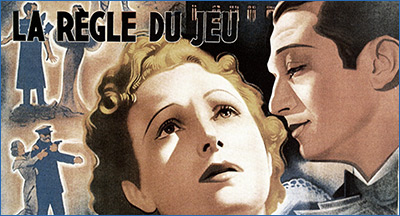
@zaaaarbi I'd say the preeminent, most influential example of this type of sweeping inclusive filmmaking is Renoir's 1939 Rules of the Game - more recent adherents are Robert Altman and Spike Lee - this approach was used widely in the 1970s and 1990s
@baileymarkham Excellent film - I think then-stage-legend McKellen took some points from Fraser's more minimal approach as he moved more into onscreen acting
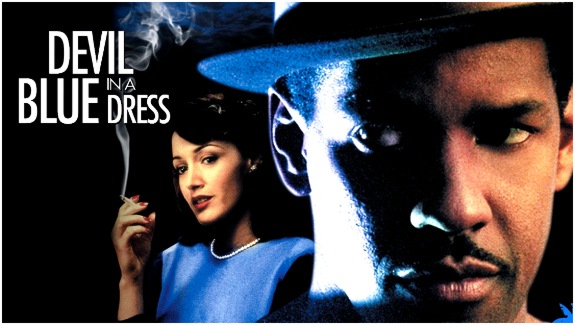
@zaaaarbi Spike Lee spearheaded the Black New Wave of the 90s, also almost never talked about, alongside figures like John Singleton, Julie Dash, Carl Franklin, Darnell Martin, Charles Burnett, and many others - Lee's mosaic approach to depicting reality was widely used in that decade
@farfisasynth@miagothgirl I was lucky enough to see her onstage in Doll's House - I wondered why someone of her stature would take a smaller role in this, instead of the lead, but then her reunion scene w Krogstad felt so astonishingly immediate that I can see how it would have been worth it
@miagothgirl IMO Ferrara's best films of the 90s are Bad Lieutenant, Addiction, and Funeral - all 3 are diagnosing evil the same way LOTR does, as weakness in the face of temptation - Ferrara goes deeper into this than anyone else, and IMO Funeral is the greatest gangster movie ever
@stagescreen60 This one plus Bride plus Invisible Man give the best sense of the ghoulishly comic theatrical sensibility that Whale brought to the sound horror genre - and IMO this was the dominant tone of the genre when Hammer overturned it in the late 50s by playing it lethally straight
@ScarletCinema I haven't seen Model, and I saw Hackers long ago and remember it as a great 90s time capsule film, and I need to see it again, but IMO Michael Tolkin is maybe the best screenwriter of the 90s