We observed this in our predictions of the ACE2 interaction network alterations caused by the virus. the study was done at the beginning of the pandemic https://t.co/2JSsEjsy5G
Good reason to prevent infection. It is conceivable we will see an epidemic of young onset dementia in the next decade or two in countries that allowed unmitigated transmission. And that is only one of many organs damaged by SARS-CoV-2. Not the flu. Not a cold.
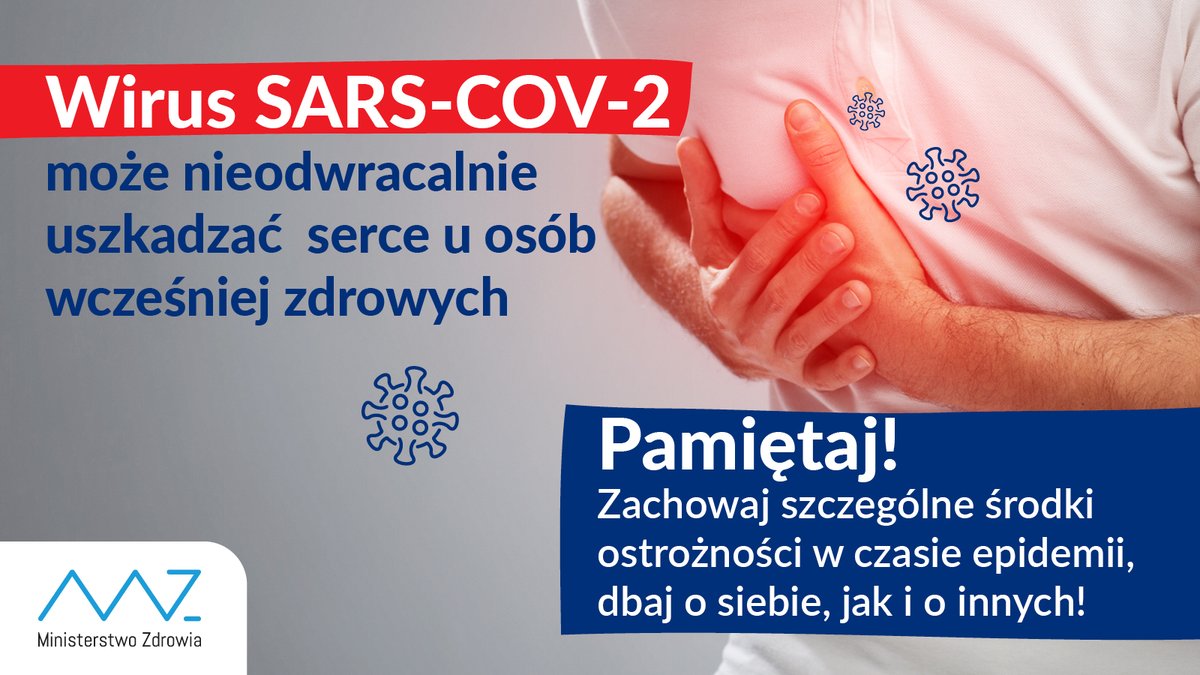
🤔 Czy wiesz, że wirus SARS-CoV-2 może nieodwracalnie uszkadzać serce u osób wcześniej zdrowych❓
Pamiętaj❗️👉 Zachowaj szczególne środki ostrożności w czasie pandemii. Dbaj o serce ♥️
According to Jacobson’s group, Covid-19 isn’t content to simply infect cells that already express lots of ACE2 receptors instead, it actively hijacks the body’s own systems, tricking it into upregulating ACE2 receptors https://t.co/Qb02APNhFk
How to identify the most impactful articles associated with #Covid_19 ? Looking at Altmerics scores can be really helpful. Dimensions database enables sorting manuscripts based on this score or number of citations:
https://t.co/QySHoe7ij4
Too many COVID-19 research papers? I'll try to provide in next posts some interesting resources which can help to keep track of what is happening in the field #COVID19
https://t.co/BYK3LXBTDv
@RamiroSchaefer @DoctoraEdith@drsanjaygupta Thank you so much! Our hypothesis was that ACE2 signaling doesn't require virus entry inside the cell to be affected. This would explain why virus can harm many tissues. I'm preparing to use transcriptomic data and NERI algorithm to improve this network and miRNAs predictions.
Looking for data: Does #mining regions with #mercury pollution are more affected by #COVID19? Is it a partial reason for the increased number of cases in #Manaus#Śląsk? #covid19brasil
https://t.co/ZO9ox0cU6h
@RamiroSchaefer @DoctoraEdith@drsanjaygupta It is exactly one of the results of our recent study. This syndrome appeared in rare disease predictions for ACE2 network https://t.co/jyDnYGImYs
@riposte_38@HighPeaks77@GratefulDad4EVR Vitamina D com dose alta e perigosa pra pessoas com doenças cardiovasculares, especialmente calcificaçáo coronária e alto cholesterol!
Interesting thread about #quercetin and #coronavirus which is aligned with our recent results of the ACE2 network analysis. BiorXiv doesn't allow publishing the drug predictions so this part is not available as a pre-print.
https://t.co/rY20EWX4tp
In Washington, 52 people caught COVID at a choir practice
ONE symptomatic patient infected 87% of members
If you ever get COVID, it’s likely coming from a human droplet, instead of shoes or clothes or boxes or ATMs or groceries
6-ft + mask = safety
https://t.co/nTCESaYV8k
Hidden in one of the Turin's iconic Baroque buildings lies a cultural oddity overlooked by most Italian guidebooks. More than 1,100 life-size models of apples, pears, peaches, and grapes sit on display in two large rooms adorned with 19th-century frescoes. https://t.co/0Nhd9irVkf
@GratefulDad4EVR@HighPeaks77 I strongly suggest reading those two articles shedding light why HCQ should not be treated as a miracle cure and used with caution: https://t.co/Mf98yLShHg and https://t.co/BGhFWTYfoX
@HighPeaks77@GratefulDad4EVR It would be great, but in Brazil are approved currently only treatments accepted by OMS (which I'm completely agree with). I'm looking for lab working with cell cultures and SARS-Cov-2 which would like to test it.
@GratefulDad4EVR@HighPeaks77 Quercetin and HCQ are not the same thing! They have diffrent toxicity and are affecting different aspects of ACE2 signalling which is strongly connected with risk factors proteins in cardiovascular diseases and diabetes. Both of them require extensive studies.
Our new #COVID19 analysis shows that:
- expression of ACE2 is similar in #lungs and #heart, a rationale why the cardiovascular system is also a target
- change in ACE2 interaction network by #SARSCoV2 leads to disturbances in signaling pathways linked to cardiac adverse outcomes
Our manuscript #ACE2 interaction networks in COVID-19: a physiological framework for prediction of outcome in patients with cardiovascular risk factors" is available at bioRxiv: https://t.co/itAyAboPPl #bioinformatics#COVID19#networkmedicine