Memecoin trader 🐸| Trenches and vibecoding | ex. Ecosystem manager @BitgetWallet | Currently HR Lead at @Orakuru_JP and contributing Blockwise | 🇹🇼🇨🇳🇯🇵
crypto has a way of making price the whole story.
a good project pumps, everyone loves it.
it dumps, suddenly nobody believes in it.
but the price and the product are two different things.
sometimes the market gets it right.
sometimes it just gets loud.
40 new markets is a big move. but the real question is how much of that growth will come from people actually using stablecoins for payments, not just trading. that's what i'll be watching. https://t.co/nrw0OWheUJ
Ethereum Is Scaling L1 Again. What Does That Mean for L2s?
Ethereum spent years pushing users toward Layer 2s to make transactions cheaper. Now the main network is working to scale too.
That raises an interesting question: if Ethereum L1 gets faster and cheaper, what will make L2s worth using?
Analysis by @ZypherXBT
Ethereum's 2026 roadmap focuses on three things: scaling the base layer, improving user experience, and strengthening security.
The upcoming Glamsterdam upgrade is designed to improve how blocks are built and how transactions access network state. It's part of a longer effort to increase capacity without giving up decentralization.
But the bigger story is the changing relationship between L1 and L2.
For a long time, rollups were mainly seen as a way to make Ethereum cheaper. That role is evolving. L2s can now compete on more than fees: custom infrastructure, application-specific features, different execution environments, and their own communities.
A cheaper L1 doesn't automatically make them obsolete.
It does mean they need a clearer reason to exist.
If an app can run on Ethereum mainnet with acceptable fees, why should users bridge to another network? And if an L2 offers something mainnet can't, how much does it depend on Ethereum for security, liquidity, and settlement?
Those are the questions worth watching.
Ethereum's goal isn't simply to make every transaction cheaper. It's to build a network that can support more activity while keeping its core properties intact.
The next phase of scaling won't be decided by transaction speed alone.
It will depend on which networks offer something users actually need, and how well they work together.
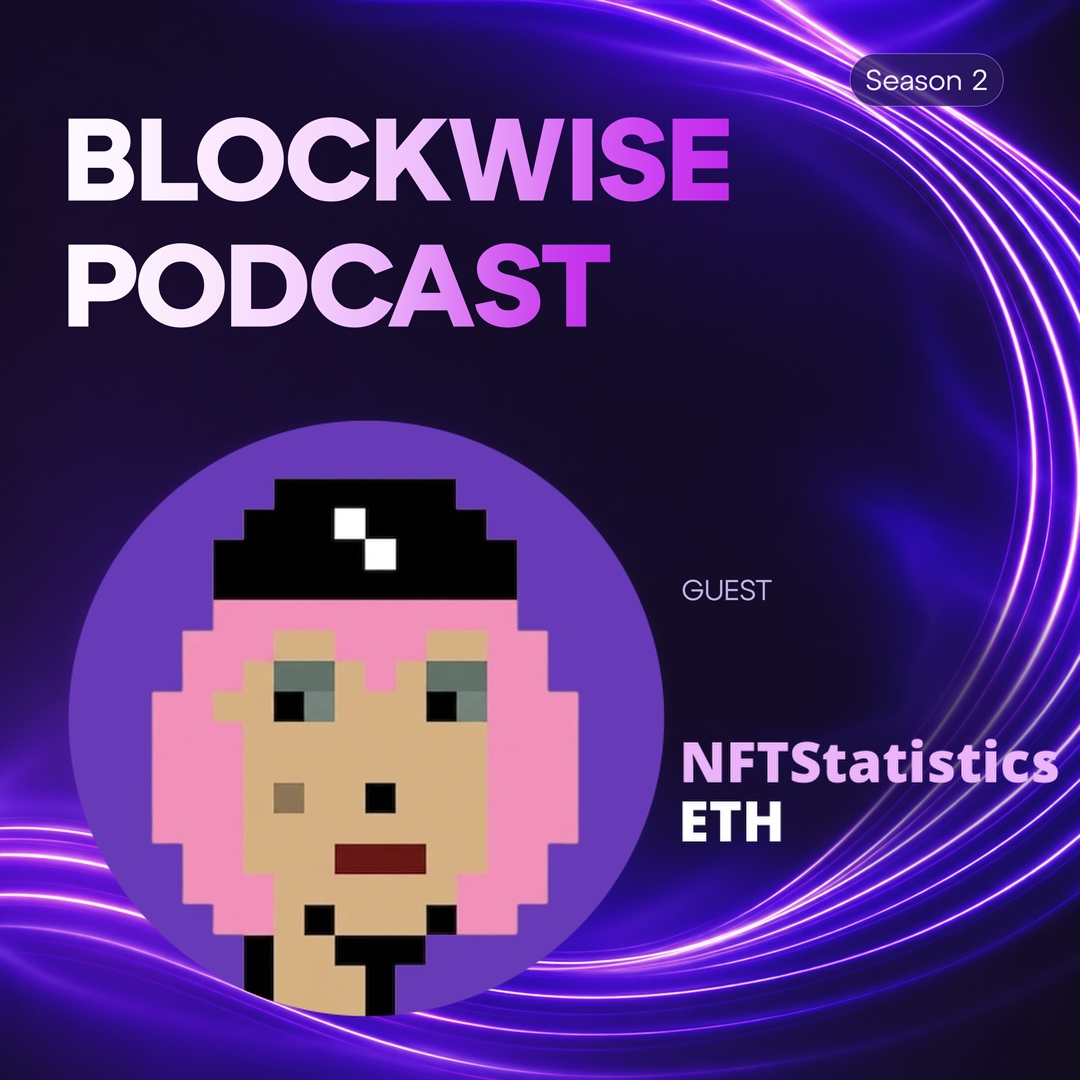
In this episode, @punk506 interviews @punk9059, Research Director at Proof Collective and a longtime NFT collector.
We dive into NFT data and research, digital art, collecting, and how the NFT space has evolved over the years.
The conversation explores how data can help us better understand the NFT market, the culture behind digital collectibles, and what has changed through different market cycles.
We also discuss the relationship between collectors and the market, and why looking beyond price action matters when trying to understand NFTs.
A deep dive into NFT research, digital art, collecting, and Web3 cultur
“Undervalued or just unwanted?”
@punk9059 breaks down why valuing NFTs is so difficult, and why market dynamics, collector behavior and attention matter more than traditional valuation models.
What actually makes an NFT valuable?
tokenized stocks are moving closer to reality, but getting the assets onchain may be easier than getting everyone to agree on the rules. https://t.co/MRZrREGMQQ
tokenized stocks are moving closer to reality, but getting the assets onchain may be easier than getting everyone to agree on the rules. https://t.co/MRZrREGMQQ