This is a masterstroke of diplomatic statecraft. It forces the empire into a binary choice.
If Washington accepts: The strait opens, oil flows, prices stabilize, and the region steps back from the abyss.
If Washington refuses: It shatters the "freedom of navigation" myth forever.
It will prove the blockade was never about global trade. It was about regime change. It was about economic strangulation. It was about maintaining imperial leverage while blaming Iran for the resulting chaos.
The choice now rests with Washington. The empire will likely choose strangulation, and the world will finally see its true face.
Two years after the heinous Israeli massacre at Al-Tabi'een Mosque in Gaza, the daughter of Eid Ataallah, one of the victims of the massacre, returned to the place where her father was killed, not only to remember his loss, but to complete reciting the Quran at the very spot where he was killed.
One of the most horrific scenes in human history has been revealed.
During the war of extermination, an Israeli soldier fired a missile at a group of children who were swimming in the sea off Gaza just for fun!
A video the world must never forget.
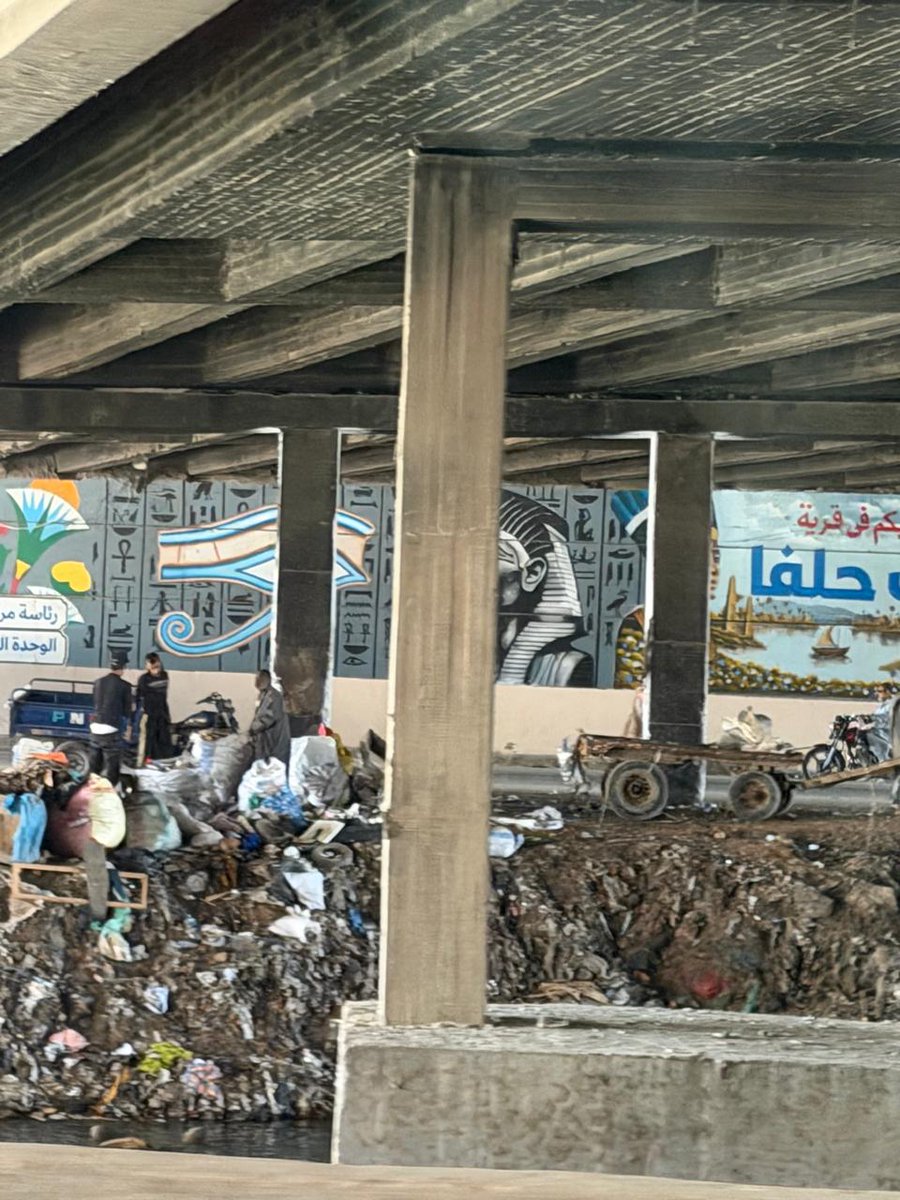
My wife and I had a 12-hour layover in Cairo today, and so I was tremendously privileged to be able to make a quick visit to the maqām of Imam Husayn. The sublime energy of pure light in that place contrasted forcefully with the demented chaos of urban horror that surrounds it for endless miles of rubbish-strewn concrete outgrowth, around which brutal traffic swarms.
The British were the first to attempt social engineering through soul-destroying urban planning here, when they maliciously cut Islamic Cairo in two by driving a busy modern traffic corridor right through Imam al-Husayn and al-Azhar, thereby separating them. In doing so, they badly impaired the environmental cohesiveness of the area, and thence, indeed, impeded the ability of the spirituality that both informed and supervened upon that environmental cohesiveness to flow therein.
They did this because they were afraid; they wished to attempt to curb, in whatever small way, the alarming power that radiates from Islamic civilization when it is true to itself, and thence imbues its corresponding urban environments with the beauty and goodness that allow us to live and move and have our being within environments which affirm our deepest metaphysical convictions, rather than calling them into question.
Naturally, the post-Islamic secular authorities dutifully followed suit in their rush to ‘keep up’, to genuflect to ‘modernisation’, to assure their former colonial overlords (and more than anything else, to assure themselves ) that they were not backward natives, even if they were regrettably still surrounded by such great swarms of them. Only spineless sycophantic stooges such as these could have allowed the tumoral malignancy of modern Cairo to fester unchecked around one of the greatest and most beautiful cities of Islam. This reminded me of the hadith in which we are told that we should expect the Hour when authority becomes standardly invested in those unfit for it. The worst of people.
And so this vomitous vision of hell surrounded us the entire way from the airport to Imam al-Husayn; until the ancient mosques from the days of the splendour and majesty of Islam began to appear, and we quite suddenly found ourselves enveloped in an effusion from the timeless reality in which that glorious past had participated so fully, and upon on whose vestiges that baraka still supervenes.
Yes, the Islamic city, and indeed, the Muslims, used to be something else entirely. Our dīn was founded in dhawq or direct tasting of spiritual light, and this taste inspired us to establish truth in our vision of the world, beauty in our environment, and goodness in our conduct. If we find ourselves comfortable in the dehumanising nightmare of the modern post-Islamic city, it is because we have lost that ability to taste. And we thus have very little to do with the pure light of the maqams of Imam Husayn or Sayyidatuna Nafisa, or the spiritual radiance of the Old City of Damascus, or the luminous maqam of Shaykh Abd al-Qadir al-Jilani in Baghdad. We share nothing with the spirit that enlivened the Islamic past other than proximity in location; and indeed, when we are untroubled by its disfigurement, we have become its active enemies.
“I am Ammar Al-Aqqad, and the two women in the photo are my mother Aisha Al-Aqqad and my sister Huda Al-Aqqad from Khan Younis.
Based on the photo of my mother and sister inside the Israeli APC, we hoped they were still alive.
Where are they?
Are they dead or alive?!”
“They killed my mother — and before that, my brother. I urge everyone: do not go to the American aid distribution points soaked in blood. This bag only contains 2 empty flour sacks — nothing else — & yet they shot & killed my mother as she tried to get us something to eat today.”
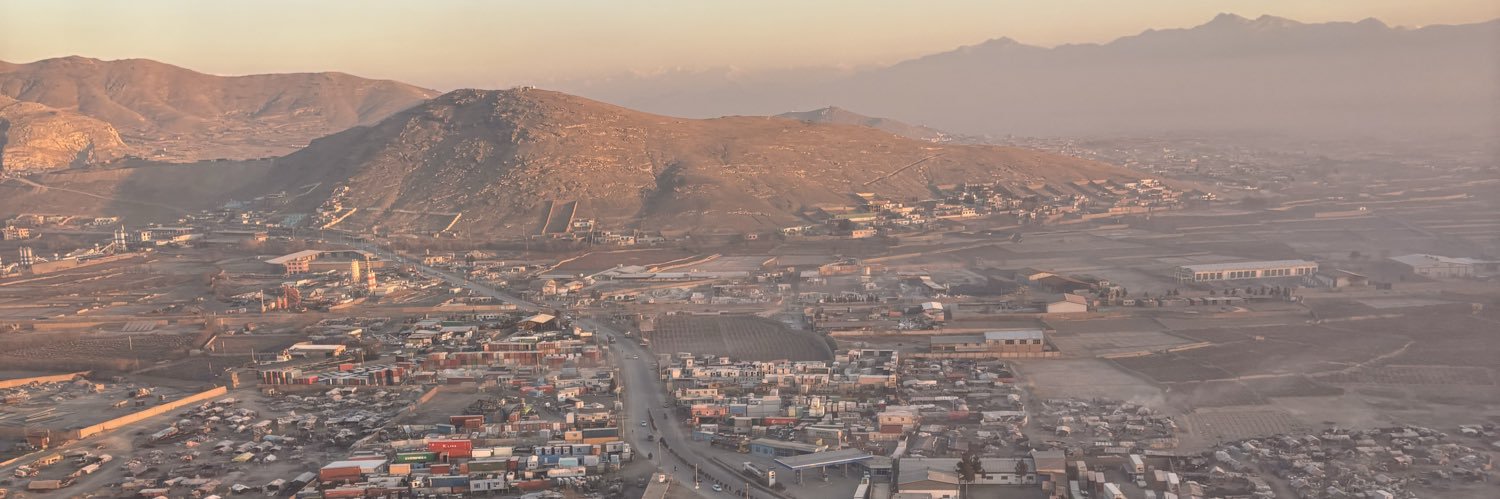
I’ve been inside this facility in Kabul.
It’s a vast drug rehabilitation centre where thousands battling addiction are brought for treatment — part of a desperate effort to confront one of the country’s worst social crises.
Tonight it’s burning. https://t.co/lQZMwdvTK7
Here's a megathread on the war on Iran that focuses on the deeper dynamics, potential trajectories, and likely outcomes.
A lot will change over the next few weeks - this thread is about what won't.
Stay until the end for an announcement & an invitation.
As we are on the verge of another attempted “regime change”, this time in Iran, we must remind ourselves of history.
From Vietnam to Iraq, the dissenters of unnecessary conflicts have time and time again been proven right while the architects of war offered only belated apologies after millions of innocent death. If war is once again being sold under the guise of necessity, we must ask: who benefits, why now, and how many lives will be buried under the cold jargon of "strategic interests"?
As Muslims, our dua against injustice is not a mandate for silence, but a call to action. There is nothing un-American about resisting oppression, and there is nothing Islamic about remaining silent in the face of it.