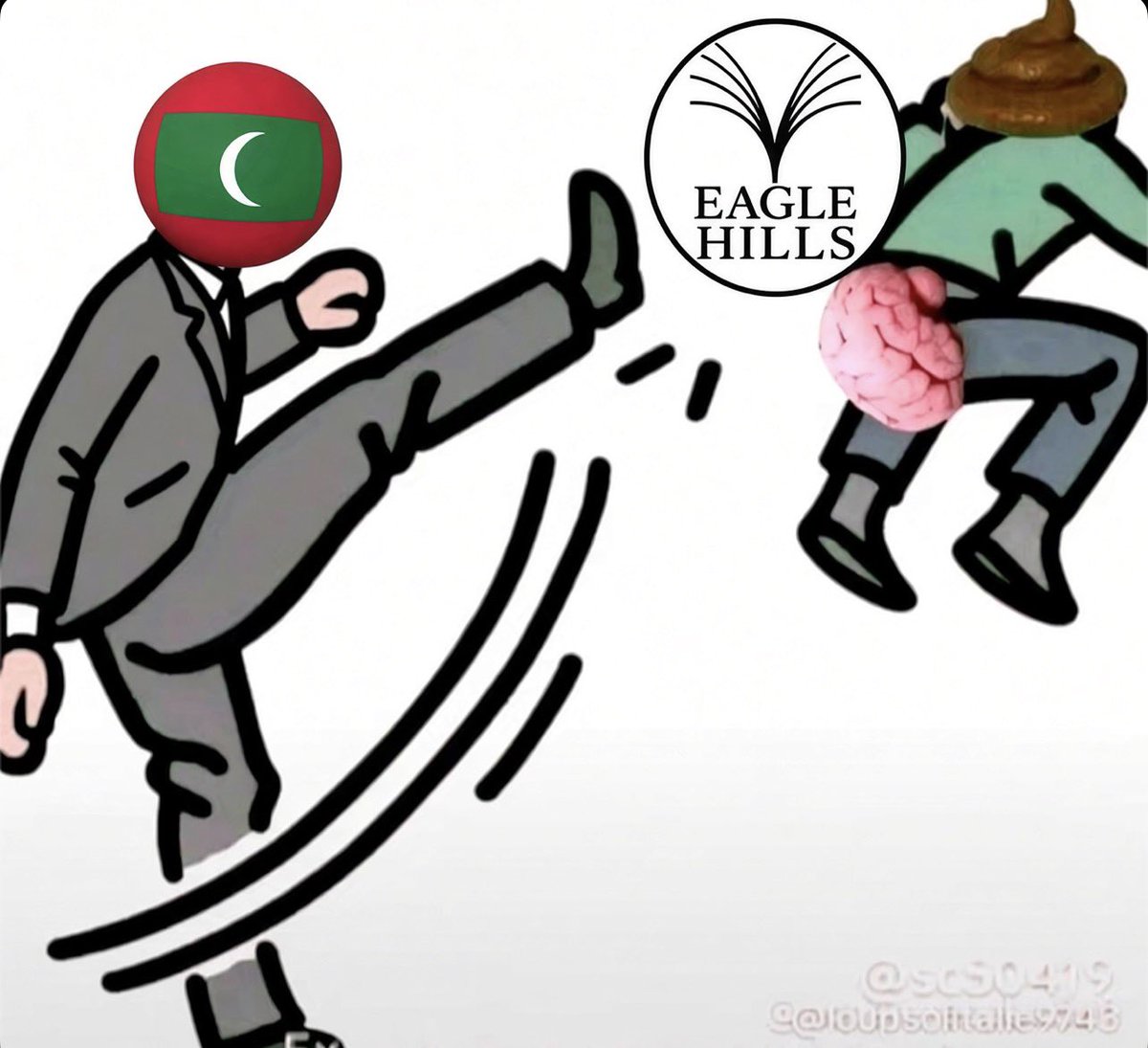
Many Maldivians don’t seem to understand what a RESIDENCY PROGRAM is.
Some compare it to iPhones, others to cities, and the slightly smarter ones to tourist resorts.
A residency program encourages foreigners to move here with their families, settle down, and make Maldives their home.
At least understand what we are defending. ✌️
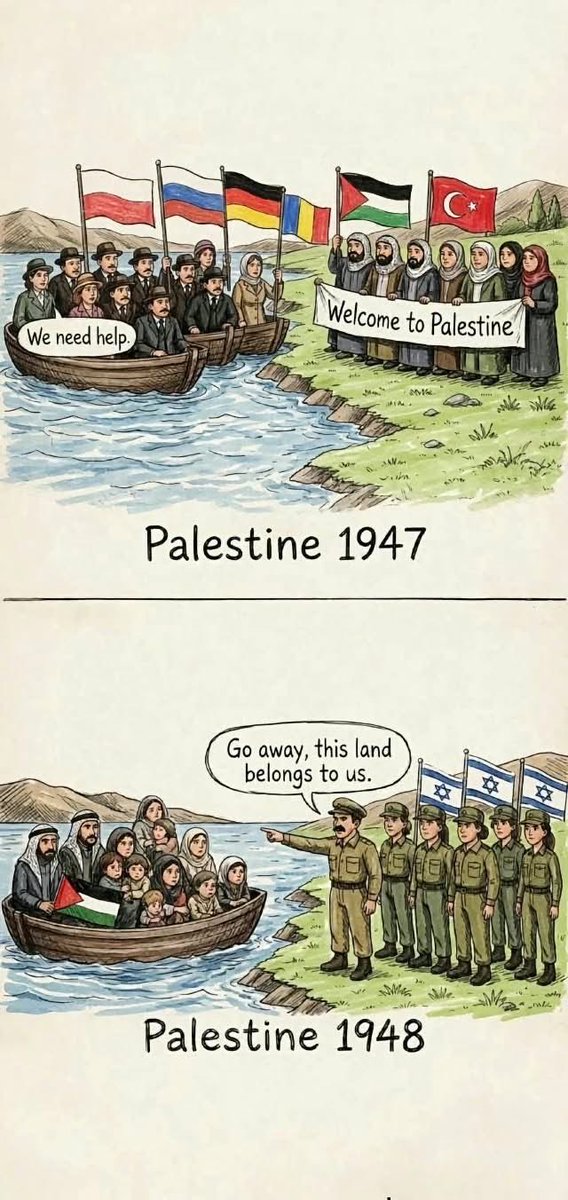
@AfsalHamyd How foolhish palastinians are opposing Israli development plan?
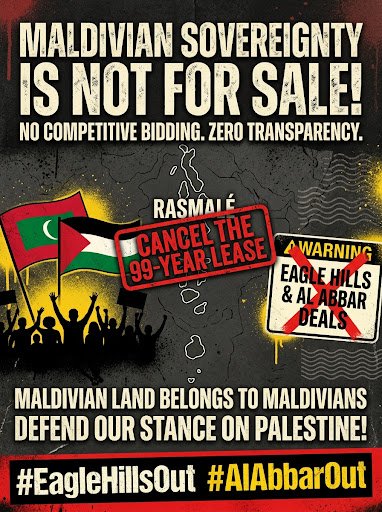
This isn’t development, it’s back-door perpetual foreign control of our sovereign soil, bypassing our Constitution 🇲🇻
#EagleHillsOut#AlAbbarOut
@aimanthaufyq This isn't a lease-it's back-door perpetual foreign control of our sovereign soil, bypassing our Constitution.
Our land, our future, and our principles are not for sale. Scrap the deal! #SaveRasMale#EagleHillsOut#AlAbbarOut
This isn't a lease-it's back-door perpetual foreign control of our sovereign soil, bypassing our Constitution.
Our land, our future, and our principles are not for sale. Scrap the deal! #SaveRasMale#EagleHillsOut#AlAbbarOut
No competitive bidding. Zero transparency. Complete disregard for Maldivian sovereignty and our stance on Palestine. Kazzabu @MMuizzu must resign now.
#EagleHillsOut#AlabbarOut
Why am I, as a Maldivian, so deeply uncomfortable with the idea of townships for foreigners in the Maldives?
We are a nation of barely 533,000 people.
An archipelagic state.
20 natural atolls.
1,192 islands, of which only 187 are inhabited.
A nation scattered across approximately 90,000 square kilometres of the Indian Ocean. One of the most geographically dispersed sovereign states in the world.
And yet, we are such a small population, living on such little land.
It is not difficult for me to imagine a future in which Raajje gradually slips out of the hands of Dhivehin. A future where foreigners could eventually outnumber us, command more of our resources, enjoy greater economic benefits, and have more influence over the future of our own homeland than we do.
History has shown us that indigenous peoples did not always have to be outnumbered to lose their lands, their rights, their identities, or even their existence. Colonisation has left behind painful lessons. Entire communities have been displaced, dispossessed, and in some cases, wiped out.
And we?
We are barely half a million people.
So many of us are young. So much of our nation’s future has yet to unfold.
What becomes of us?
What becomes of our children and the generations after them?
Will they still have a homeland that truly belongs to them? Will they have a meaningful say in what happens to their land, their seas, their resources, and their future?
Some may genuinely believe that opening our doors to such developments will bring prosperity. That foreign investment will somehow transform our lives and that Dhivehin will eventually reap enormous benefits.
Perhaps they see a future full of opportunity.
I wish I could share that confidence. But I cannot.
I cannot simply dismiss my fears about what these changes could mean for our sovereignty, our identity, our existence as a people, and the future of Raajje.
And as I speak out against them, I do so with the painful awareness that political parties across Raajje appear willing to embrace some version of these foreign townships.
Which leaves me feeling that, regardless of my fears or objections, this is the direction in which our country is heading.
That is perhaps what hurts the most.
The feeling of helplessness.
Of watching something precious slowly slip away, while being unable to do much to stop it.
I feel vulnerable. I feel deeply sad.
And strangely, I already feel a sense of loss for something that has not yet happened.
A loss I cannot quite put into words.
Because Raajje is not merely a collection of islands, beaches, lagoons and reefs to be developed, marketed, sold, or leased.
It is our homeland. The only homeland Dhivehin have.
And tonight, with a heavy heart, I find myself trying to accept what I fear I may not be able to change.
Whispering to myself…
Que Sera, Sera…
Whatever will be, will be.
#Gaum_Magey