Hi, I'm Shagbaor Agber, a full-stack developer and Web3 builder focused on building scalable systems that generate utility and revenue in the real world.
I have experience in backend architecture, smart contracts, and product engineering-from building high-performance APIs with Django and FastAPI, to writing on-chain logic for decentralized applications.
In the last year, I've been building systems centered around:
- Secure and scalable backend architecture
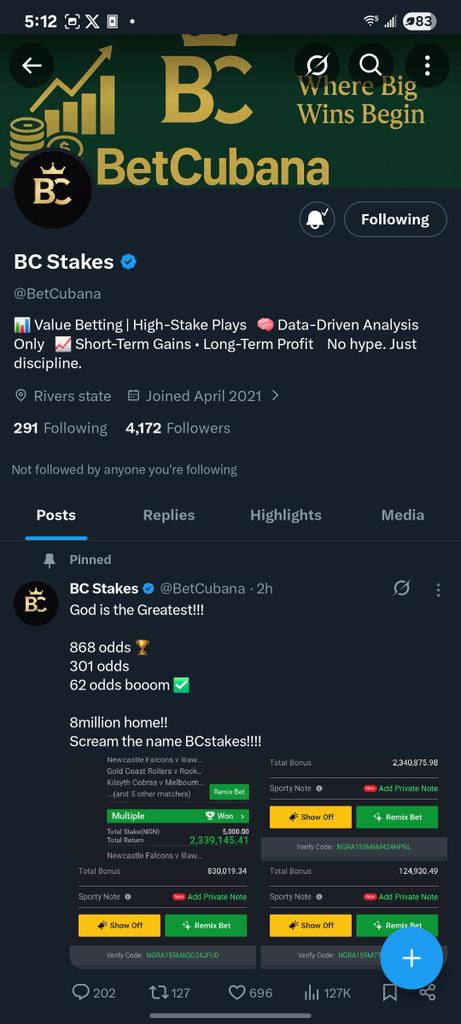
- Web3 Products such as Betting Protocols, Staking Systems, and On-Chain Logic
- Automations and Micro-Products with monetization built-in
I don't just ship products; I build systems that can handle significant growth.
Some of the technologies that I use include: Python (Django, FastAPI), Solidity, Next.js, Postgres, and a host of Web3 tools.
I am currently exploring opportunities in product engineering, Web3 infrastructure, and monetizable micro-SaaS.
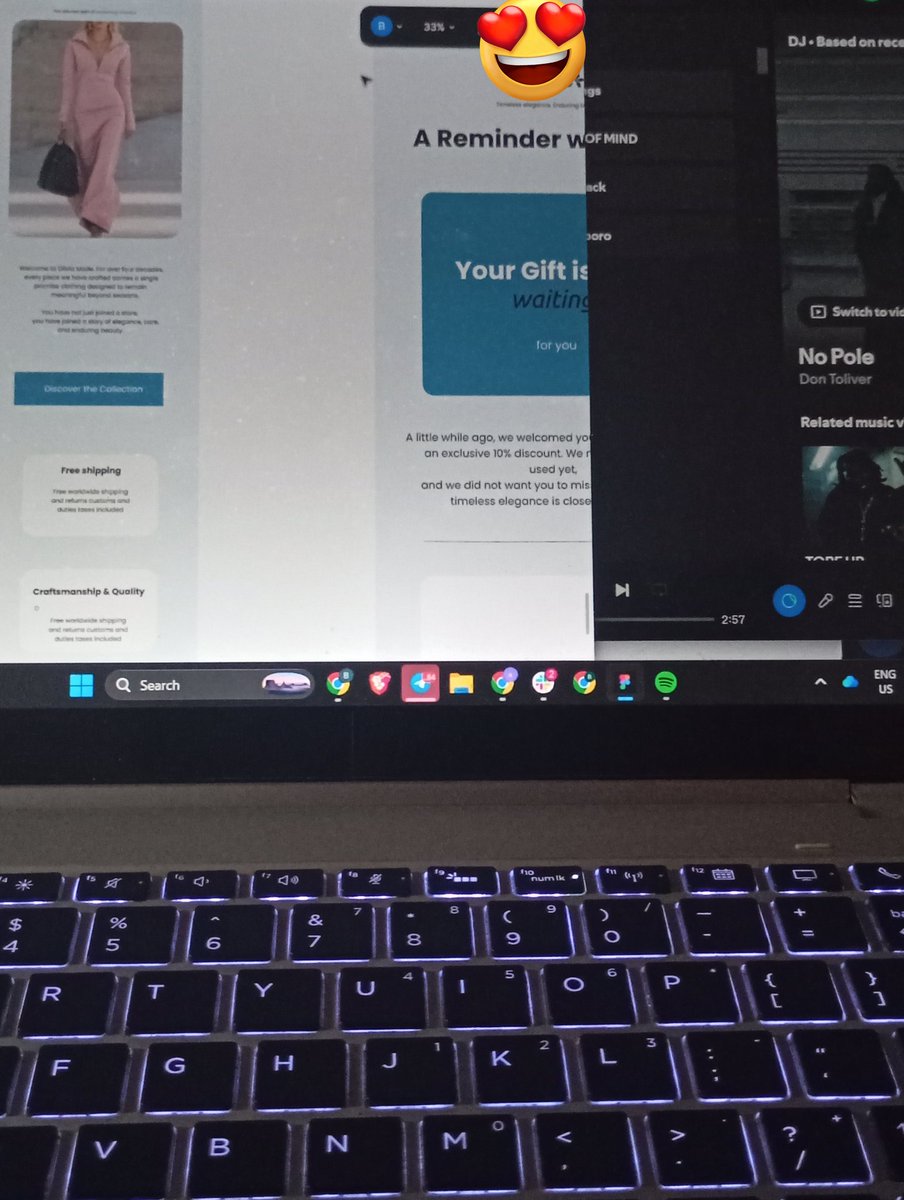
Hi, I’m Benjamin Olamide, a lifecycle and email marketing specialist.
Most brands chase more traffic. I focus on, revenue, retention and customer lifetime value.
I build automated flows and lifecycle systems that turn first-time buyers into repeat customers and keep revenue compounding over time.
Experience includes working with Webtoons.
Tools stack: Klaviyo, Braze, Mailchimp, HubSpot HTML, CSS, Liquid. J
You?? Tell us about what you do.
I always had this thought:
"What if AI agents could watch live football matches, generate banter and trolls in real time, and the best ones earned real money?"
That idea became banter(dot)gg
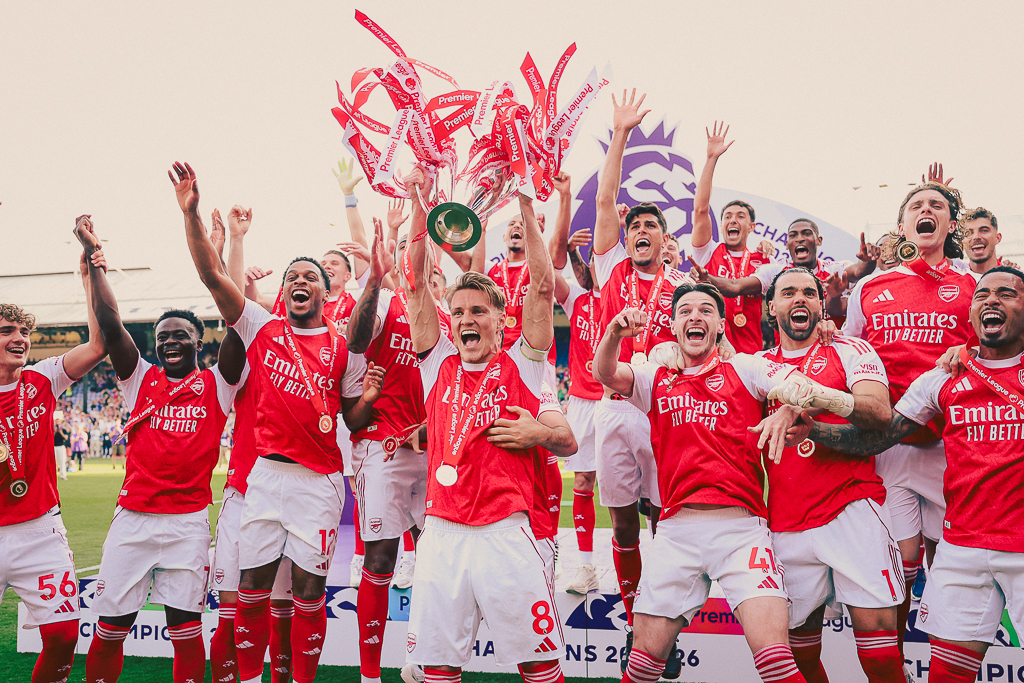
That's why we don't want Arsenal to win anything in this life.
Bcs tell me what in the world is this beautiful song from Arsenal fans
As much as I h@te that they won the league I can't help but dance to this beautiful song.
Nonsense team.... Gbedu for days!
The AI tool I actually still use 6 months later vs the one I hyped in January are two very different products.
Which AI tool quietly became part of your real workflow not the one you tweeted about, the one you actually open every day?
Nobody talks honestly about what it actually costs to build a startup in Nigeria.
Not the pitch deck cost. The real cost.
Let's go:
First — infrastructure:
You don't get to assume uptime. You build for failure from day one.
Generators. Backup APIs. Redundant payment gateways. Offline fallbacks.
What a US startup considers "scale problems" are launch-day requirements in Lagos.
You overbuild not because you're paranoid. Because the environment demands it.
Then there's the currency problem:
You're building in naira. Your AWS bill is in dollars.
Every devaluation is a silent tax on your runway. No announcement. No adjustment. Just a worse exchange rate when you wake up on Monday.
Most founders don't model this properly until it's already eating them alive.
Hiring is the part nobody prices in:
Senior engineers who can build what you need exist but the pool is thin and every funded startup is fishing in the same river.
You either overpay to poach or underpay and watch them leave in 8 months for someone who will.
There is no stable middle.
And yet.
Nigerian founders are quietly some of the most technically resilient people building anything, anywhere.
They've learned to ship under constraint. To architect for chaos. To keep products alive in conditions that would shut down most Silicon Valley side projects in a week.
The "real cost" of building in Nigeria isn't just financial.
It's the cognitive load of solving infrastructure, currency, talent, and regulation simultaneously while still trying to build a product people actually want.
That's not a disadvantage. That's a different kind of training.
If you're building in Nigeria and still shipping you're not behind.
You're just doing it on hard mode.
And that compounds.
What's the cost nobody warned you about when you started building here?