NFTs | Memes |Web3 Wizardry ✨ AI & Pixel Art Enthusiast 🎨🎮 Digital Collector &Trend Explorer 🧩Positive Vibes Only 🌈⚡ Let's connect on @TheArena @BOICORE
@jasonmdesimone Jason, will everyone receive the same number of tokens they had in their wallets, regardless of whether they were staking or not?
@jasonmdesimone
We will be relaunching the $ARENA token with a snapshot from right before the Moats hack. All $ARENA holders will be airdropped 1:1 of the new token.
The token will relaunch at the same price it was right before the Moats hack.
Anyone staking in Moats will automatically start staking in our new system, built all internally with the same stake, lock, and burn mechanics.
This relaunch will coincide with the launch of our next features and the overhaul of the Arena App.
Full official post coming
@jasonmdesimone@0xMoonBagsGod@TheArenaApp And what about those who are holding only 10K–15K tokens, Jason? What will happen to them? Will they also receive an airdrop?
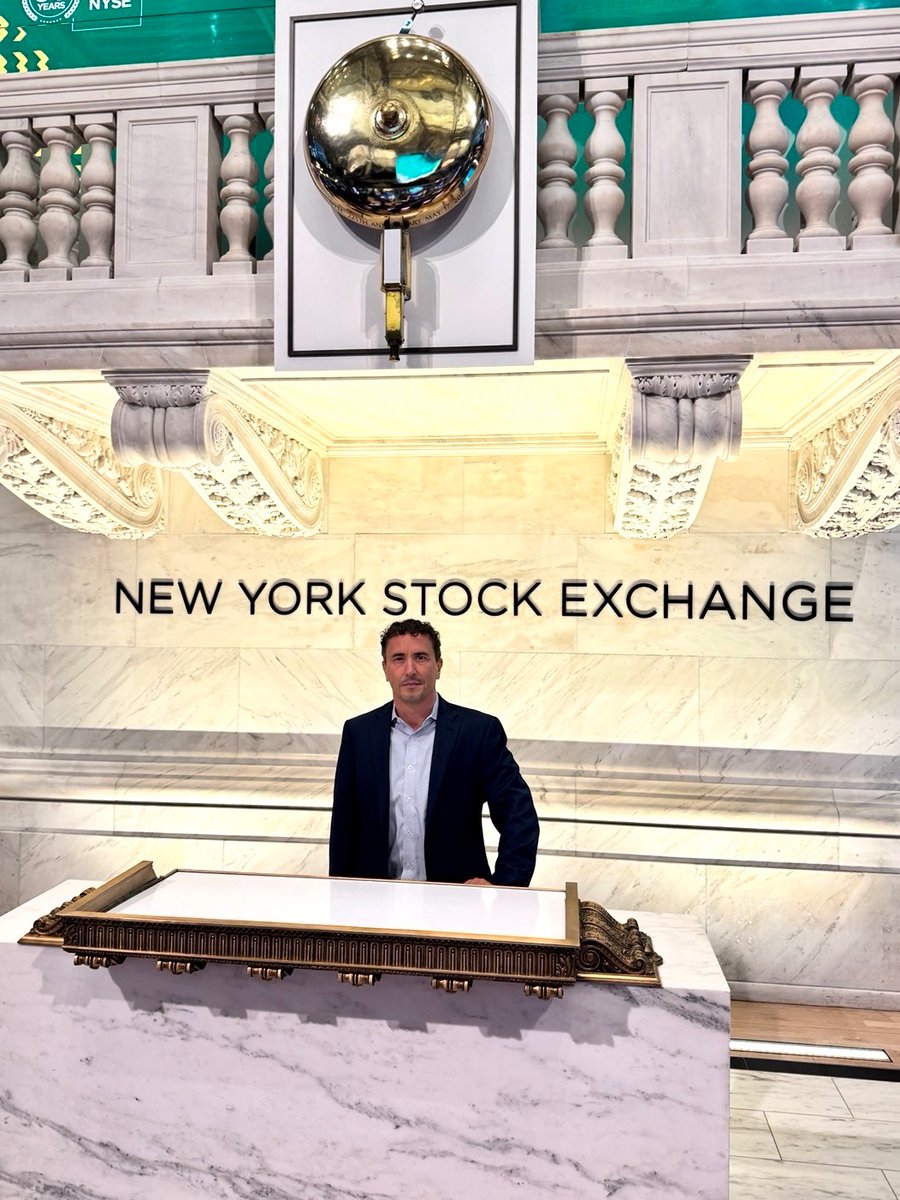
Why Avalanche for NYSE?
It’s important to note that this was not a quick, monetarily-driven decision made without due diligence, as I’ve seen a few posts speculating that. After more than a year of evaluating and testing multiple blockchain networks, NYSE arrived at Avalanche for a multitude of reasons.
For those who have followed Avalanche closely, this shouldn’t come as much of a surprise. For everyone else, it’s worth understanding the fundamental difference between building for speculative crypto markets and building the infrastructure that underpins global capital markets.
For regulated financial institutions, high TPS and low transaction fees are the baseline. Most modern blockchains can offer some version of both, with the much harder problem being architectural.
Monolithic chains share consensus, execution, and blockspace. Conventional EVM L2s introduce dependencies on external settlement layers, sequencing, and data availability. Both models come with constraints that become particularly consequential when institutions need direct control over their infrastructure, especially when it comes to regulatory compliance.
Avalanche was designed around a different premise.
Avalanche L1s operate with independent consensus, dedicated validator sets, customizable virtual machines, configurable fee markets, and protocol-level permissioning. Institutions can define who validates, who participates, how transactions are processed, and how their networks are governed, with the flexibility to implement regulatory requirements directly into the infrastructure.
They can do so without inheriting the congestion or settlement dependencies of another chain, while retaining the ability to interoperate with other networks and access the broader Avalanche ecosystem’s assets and liquidity.
This combination of sovereignty, customization, performance, and interoperability is what makes Avalanche uniquely suited for true capital markets. It’s one thing to offer institutions a place to deploy applications, anyone can do that. It’s another thing to give them the ability to operate the underlying infrastructure on their own terms.
We’ve spent years building around the conviction that the world’s largest financial institutions would eventually need purpose-built blockchains of their own, rather than forcing entirely different businesses and regulatory environments onto a single shared network.
NYSE’s decision is a powerful validation of that thesis.
And I believe we’re only beginning to appreciate just how important these architectural decisions will be as global financial markets continue to move onchain.
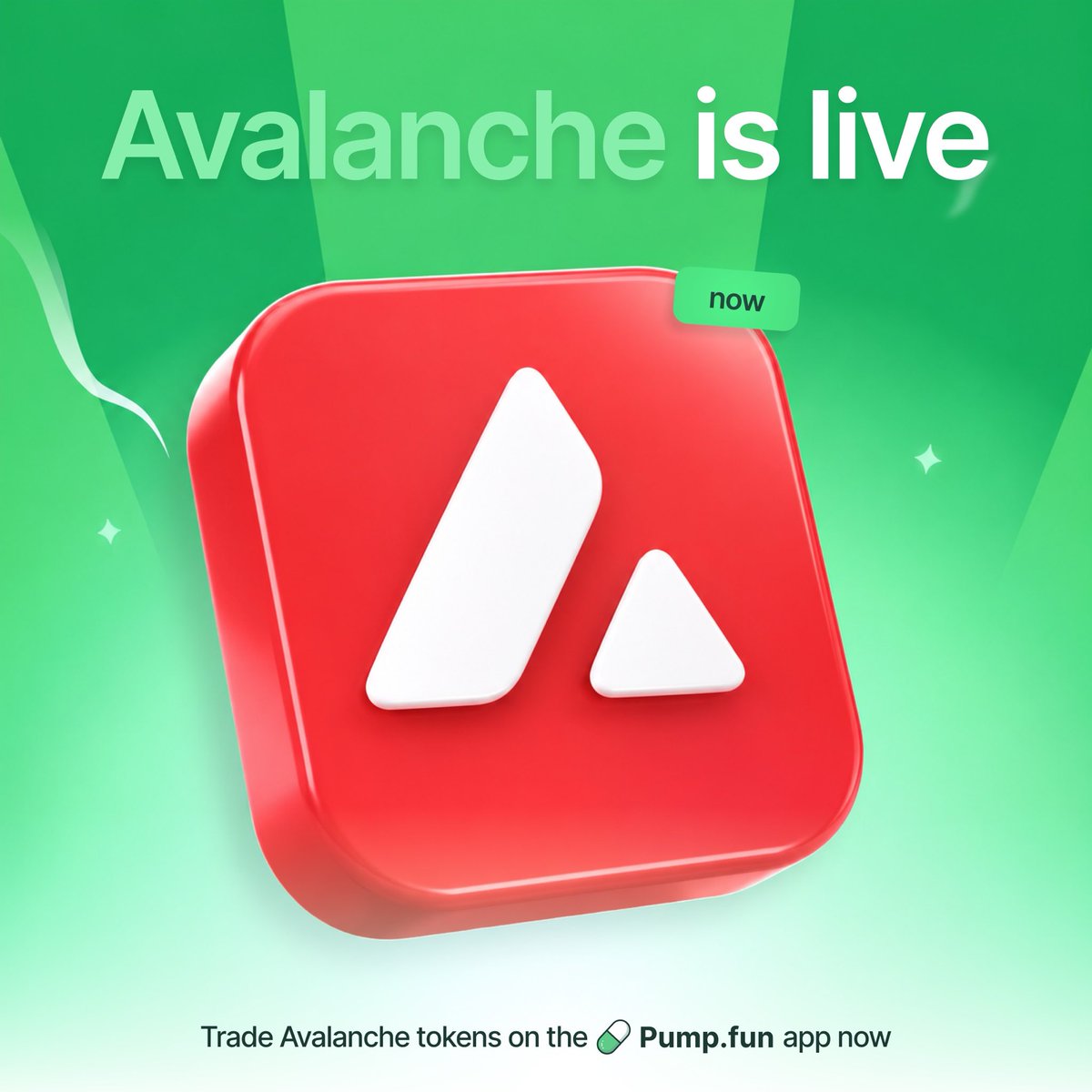
Avalanche tokens are now live on the Pumpfun app!
Discover and trade new & existing tokens from the Avalanche ecosystem with no bridging required & the cheapest crosschain fees.
Welcome to the Pumpfun app, @avax
The new version of centralized exchanges moving forward will be social trading apps allowing anyone to trade directly on-chain in a seamless, multichain fashion.
This is a massive market that will continue to grow exponentially. These apps will come in all shapes and sizes. Just like CEXs it will not be winner take all.
Rewards rolling out for Arena Moats now that everyone has had a chance to either stake, lock, or burn.
We will be starting with yield in $ARENA and then expanding to the remaining rewards shortly thereafter as we roll out our next features.
BREAKING: Two Solana DeFi teams are now one.
@orca_so and @Loopscale have combined as @formation_so.
Orca has been Solana's premier liquidity layer since 2021, with more than $500B traded.
Loopscale has facilitated more than $2B in loans since April 2025.
Together they put issuance, secondary markets and credit on one set of rails; permissioned for institutions, and permissionless for everyone else.