Ichiro Suzuki reportedly learned Spanish so he could talk trash to Latino opponents on the field without umpires or fans understanding what he was saying.
Ichiro Suzuki learned Spanish specifically to sharpen his trash-talking on the baseball field, partly because he felt Japanese lacked the kind of strong profanity he wanted to use during heated moments. Instead of studying from textbooks, he picked up Spanish naturally from Latin American teammates, absorbing their slang, phrasing, and pronunciation.
His use of the language was rarely malicious. Ichiro felt a natural connection with Latino players because they, like him, were foreigners adapting to life in a new country. When he could casually ask players such as Carlos Peña what they were looking at in fluent Spanish, the exchanges often ended with opponents struggling to contain their laughter. What began as a way to express himself became another form of camaraderie and mutual respect.
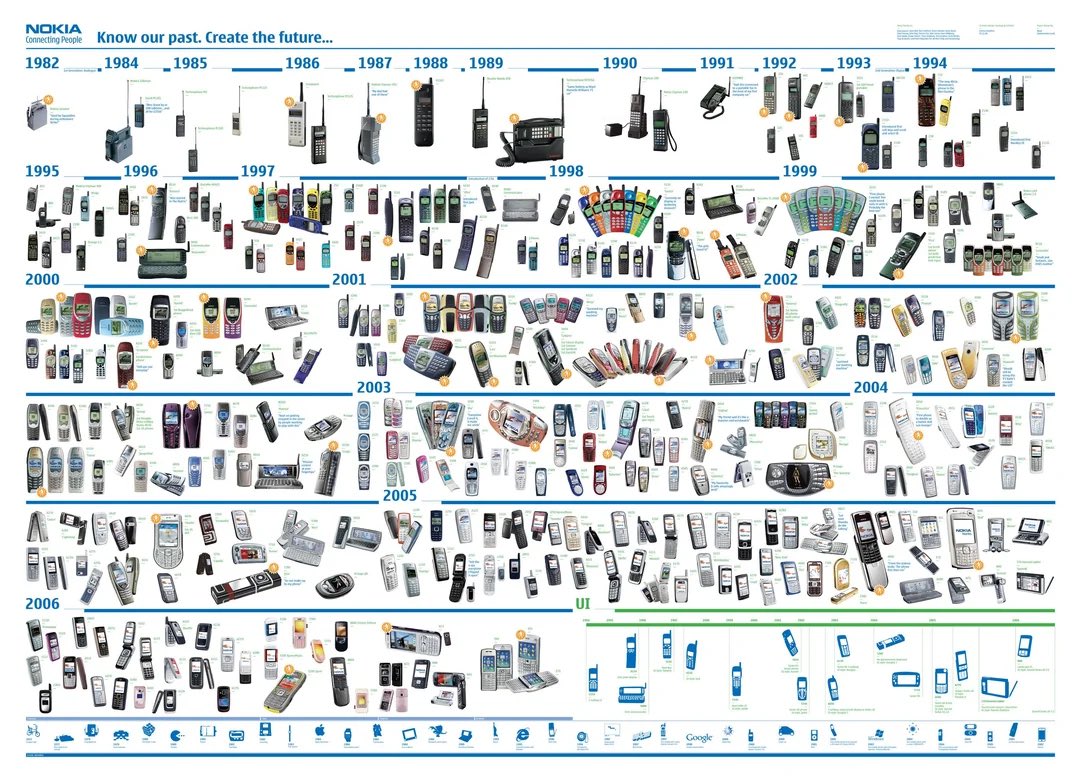
im trying to figure out my last Nokia phone before the iPhone1 and it’s proving difficult
it was sweet. went nokia brick > iPhone 1 > nokia brick when I moved to Australia in 2010
imagine getting the internet on your phone then going back to printed mapquest directions
im trying to figure out my last Nokia phone before the iPhone1 and it’s proving difficult
it was sweet. went nokia brick > iPhone 1 > nokia brick when I moved to Australia in 2010
imagine getting the internet on your phone then going back to printed mapquest directions
Expanded explanation of what I was talking about the other day. You can build some powerful things with @anvil_xyz $ANVL. This could be one of them. https://t.co/5G6S8nHxdg
Partially accurate, but overstated hype.
Apple (market cap ~$4.4T) updated US App Store rules after Epic court rulings. Apps can now include external links/buttons for Bitcoin, crypto, and NFT purchases, bypassing the 30% fee.
Native in-app payments via Apple's system remain fiat-only. Crypto cannot unlock features inside apps. Wallets/exchanges are allowed under rules. Change is US-specific.
AI text watermarking is infrastructure for nonconsensual digital identity: I used a model to say something, and my words now secretly tell machines something about me.
It also creates a new prompt-injection attack surface: a hidden channel in ordinary text, built specifically so machines can read information humans can’t see.
Government should not mandate it.