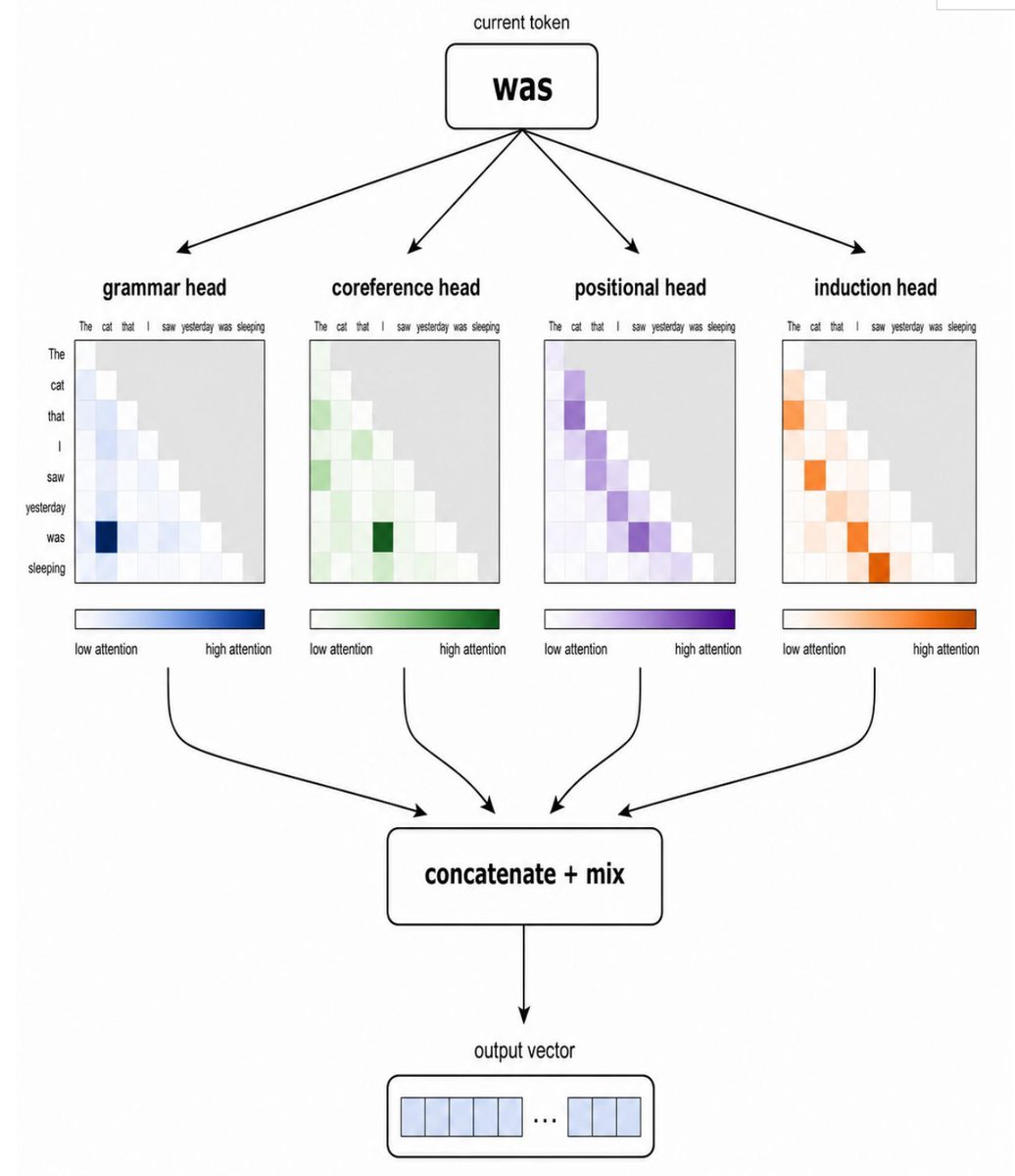
The slides from our @reconmtl talk with @nicolodev on agentic deobfuscation are now online.
Topics: commercial VMs, anti-cheat, DRM systems, malware, and anti-agentic obfuscation.
Slides: https://t.co/Fz2DhU2RlT
good luck paying $20k only to find out you can generate 20 tok/s. even running 24/7, that's just 50m tokens/month. for glm, at $4.40/m, this is $228 in value. any $200 sub gives you significantly more. and this math means the break-even is 7.3 years not 6 moths. by that time the hardware would die if it's running 24/7.
Been exploring WebKit/JSC exploitation and wrote up a step-by-step walkthrough - from a caged OOB bug to cage-free arbitrary R/W with diagrams + a lab you can build.
https://t.co/iIk1CyVBWR
#WebKit#JavaScriptCore#BrowserExploitation#exploitdev#pwn
At OpenAI, we're continuing to bet on Rust as the future of systems programming.
I'm proud to announce that we're making a $600,000 commitment to the Rust Foundation, which combines our Platinum membership with additional support for maintainer efforts across the Rust ecosystem.
I designed this challenge based on an old bug I found two or three years ago on H1, it got a $2,800 bounty, this one also has a funny story, so make sure to read the author note after you solve it =)
https://t.co/wYGuhFnsA4
WSL1 was one of Microsoft's most ambitious kernel projects: Linux binaries running on NT without a Linux kernel. "lxcore.sys" translated Linux syscalls into NT kernel operations on the fly.
WSL2 took the pragmatic route and runs a real Linux kernel in a lightweight VM.
OpenLxCore is reverse-engineering and recreating the WSL1 compatibility layer, exposing the magic that made Linux-on-NT possible.