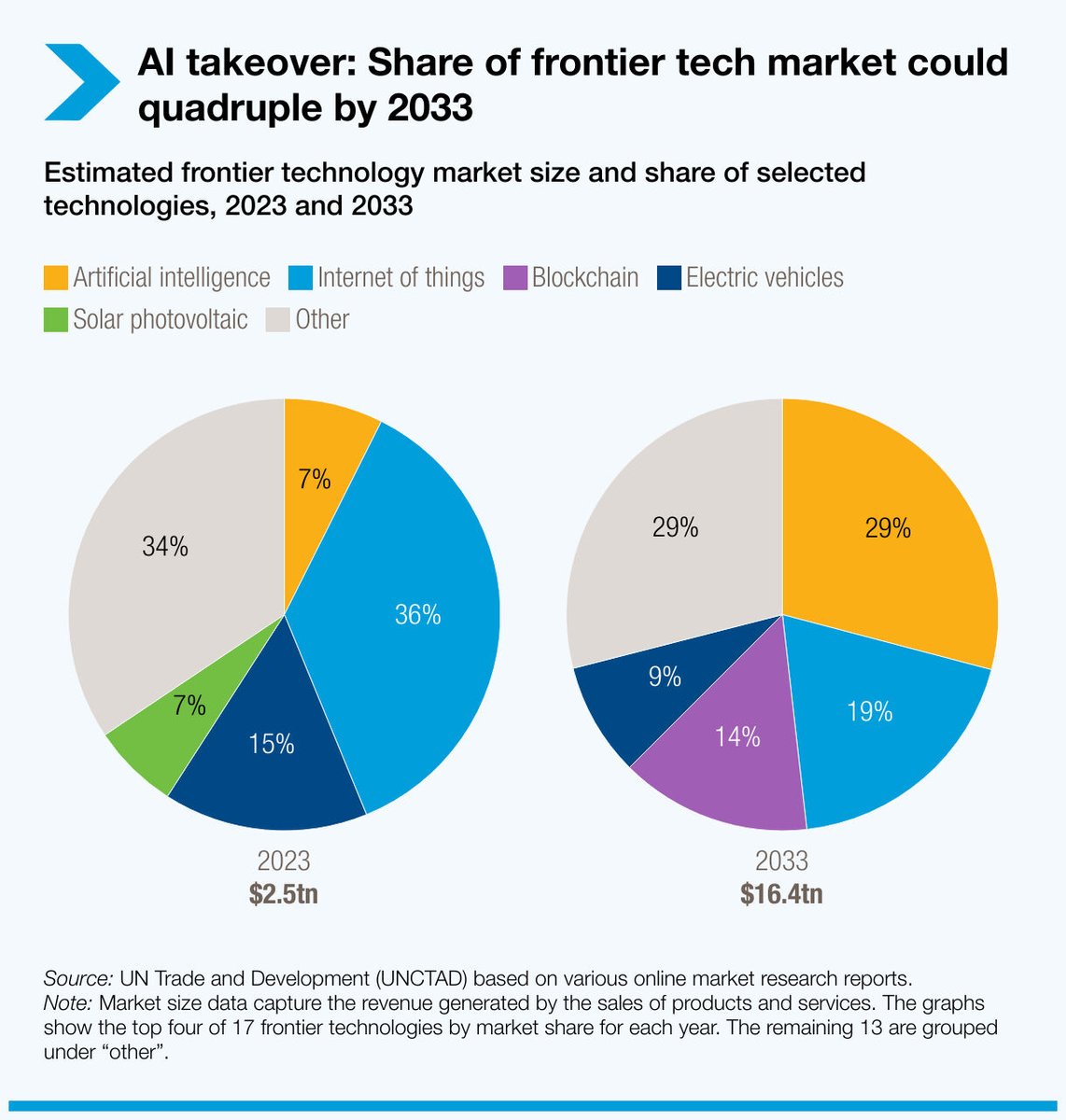
@0xndra@quipnetwork Liquidity dynamics shape market behavior, influencing asset implications through shifts in demand and supply, ultimately affecting pricing and volatility.
@0xndra Liquidity dynamics can shift unexpectedly, affecting asset values and revealing hidden vulnerabilities in the system, reminding us to stay vigilant about who holds the reins.
@0xndra@dropee_app Absolutely, it's all about understanding liquidity dynamics first, then exploring asset implications, revealing layers that truly change the game.
@0xndra@KoloHub Liquidity dynamics shape user experience, driving demand for seamless transactions, leading to broader asset implications as crypto seamlessly integrates into daily life.
@0xndra@TheARCTERMINAL Exploring liquidity dynamics reveals how they influence asset implications, driving market behavior and shaping investment strategies along the way.
Liquidity dynamics play a crucial role in shaping market behavior, impacting asset value and investor sentiment, creating a ripple effect that influences trading strategies and long-term growth.
Didn’t expect to spend this much time paying attention to @MyNeighborAlice, but here we are
At first it looks like just another game update cycle, until you stay a bit longer and start seeing how things connect
There’s an Alice & Chill livestream coming up, which on paper sounds simple, but it’s one of those entry points where things start making more sense
Not because everything gets explained, but because you begin to see how players interact, how the world feels when people are actually inside it
There’s structure underneath, and it shows up through small details rather than big announcements
The Spring Airdrop is still running in the background, 50,000 $ALICE being distributed, but it doesn’t feel like the main focus
More like a layer that keeps people moving while everything else builds around it
Might be worth watching closely instead of just passing through
Liquidity dynamics shape market behavior, influencing asset implications that drive strategic decisions in investing, ultimately reflecting the intricate balance between access and interaction with AI technology.
Good morning to those who are starting to notice that the real bottleneck isn’t access to AI, but how we still interact with it
Something about this doesn’t sit comfortably once you notice it
What @TheARCTERMINAL pointed out isn’t about access to AI anymore, that part is already solved
The gap is moving somewhere else
It’s showing up in how people operate, not what tools they have
A lot of users feel ahead because an agent is now part of their stack, but the process hasn’t really changed
Every action still starts with translating thoughts into prompts, jumping between contexts, checking outputs step by step
That’s not direction, that’s still mediation
You’re still sitting between intent and execution
What ARC is doing with ANIMA takes a different route
It doesn’t wait in a separate interface, it exists where actions already happen, inside the onchain environment itself
So intent doesn’t need to be rewritten before it moves, it flows directly into execution
That shift is subtle, but it changes everything
While most are chasing smarter models, the real friction stays untouched
Execution is still slow, fragmented, and dependent on constant supervision
The edge isn’t coming from better intelligence alone
It comes from removing the need to constantly “talk” to your system in the first place
Once that disappears, the gap won’t look obvious at first
But it compounds quietly over time
Liquidity dynamics play a crucial role in shaping asset implications, influencing value stability and market participation, ultimately guiding player engagement in evolving ecosystems.
GameFi keeps getting called “back” every few months, but most of it still feels like noise
What’s different is how @MyNeighborAlice has been moving lately, not louder, just more deliberate
Updates aren’t trying to impress at first glance, they slowly refine how players move, interact, and spend time inside the world
You don’t get everything upfront, the experience opens up as you explore, gather, and figure things out at your own pace
The land system still sits at the center, but it doesn’t force commitment early, people can enter lightly, then decide how deep they want to go
As access becomes easier and the flow gets smoother, more players can step in without needing to understand everything from day one
That’s where the shift starts to show
It’s not just systems improving, it’s the layer around them, where people interact, collaborate, and simply exist in the same space
Progression matters, but it’s not the only reason to stay
The direction leans toward something more stable, where engagement builds over time instead of spiking and fading
Liquidity dynamics suggest that selling the watch could free up capital for a Bored Ape investment, potentially yielding higher returns in a volatile market, especially if you diversify into Bitcoin.
I own the Rolex on the left
I want the Bored Ape on the right
Would you sell the watch on the left to buy 1 monke and spend the rest on bitcoin or would you keep the watch?
This is purely for investment I rarely wear the watch but I'm already up a decent amount on it 📈
Starting with liquidity dynamics, the surge in available capital fosters increased asset acquisition, which in turn drives market valuations higher, creating a robust environment for further investment opportunities.
.@POTUS: "We’re getting rid of 129 nonsense regulations for every new one that we pass, and thanks to these pro-growth policies, our economy is roaring, and factory construction is way up... business investment is more than triple compared to that of just a short time ago."
Liquidity dynamics are crucial for market efficiency, as they directly impact asset valuations, leading to smoother transactions and enhanced price discovery in evolving financial landscapes.
The way agents are used is starting to shift
What @TheARCTERMINAL did with ANIMA integrates it directly into WhatsApp and Telegram, removing the need to open a separate app or log into a browser
Access becomes natural
You simply send messages like a normal chat, request research, trigger intents, or manage Web3 tasks from apps you already use daily
It looks simple
What it changes is user behavior
Agents are getting smarter, yet usage drops due to friction, people won’t switch contexts repeatedly no matter how advanced the model is
The approach here is different
Not fighting habits
But embedding into them
Agents become part of daily flow, not tools you have to remember to open
This pattern is often underestimated
Invisible distribution
Is what actually sticks
If this works, the impact lasts
Not just about features
But a shift in interaction itself
Yes. These are Mallowpuffs.
Today we got to see how they were made from start to finish at the Griffin’s factory.
That process required a whole lot of machinery – which you can imagine can be expensive. And businesses often hold off making that investment because of it.
But now when businesses invest in new machinery, tools and equipment, they can write 20% of the cost off their taxable income, thanks to National’s Investment Boost.
This means it’s more affordable for businesses to buy the kit they need to make more products, meaning more growth, jobs and higher wages.
Yes. These are Mallowpuffs.
Today we got to see how they were made from start to finish at the Griffin’s factory.
That process required a whole lot of machinery – which you can imagine can be expensive. And businesses often hold off making that investment because of it.
But now when businesses invest in new machinery, tools and equipment, they can write 20% of the cost off their taxable income, thanks to National’s Investment Boost.
This means it’s more affordable for businesses to buy the kit they need to make more products, meaning more growth, jobs and higher wages.