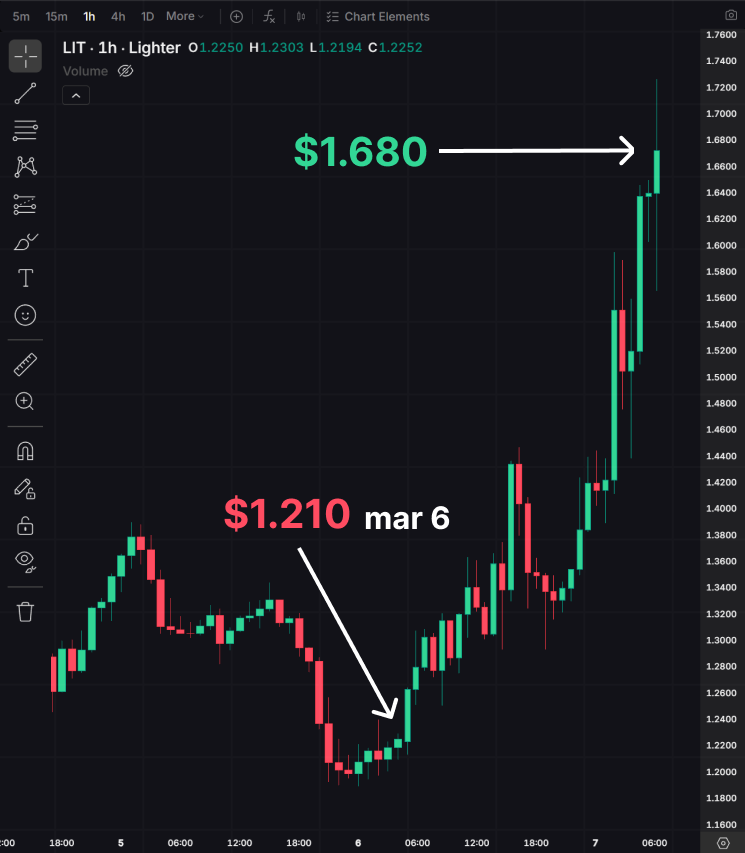
$LIT is getting pushed by Uniswap and OKX, and I see a clean setup to $1.70.
$LIT is about $1.28 right now.
$1.70 is roughly 33% upside from here.
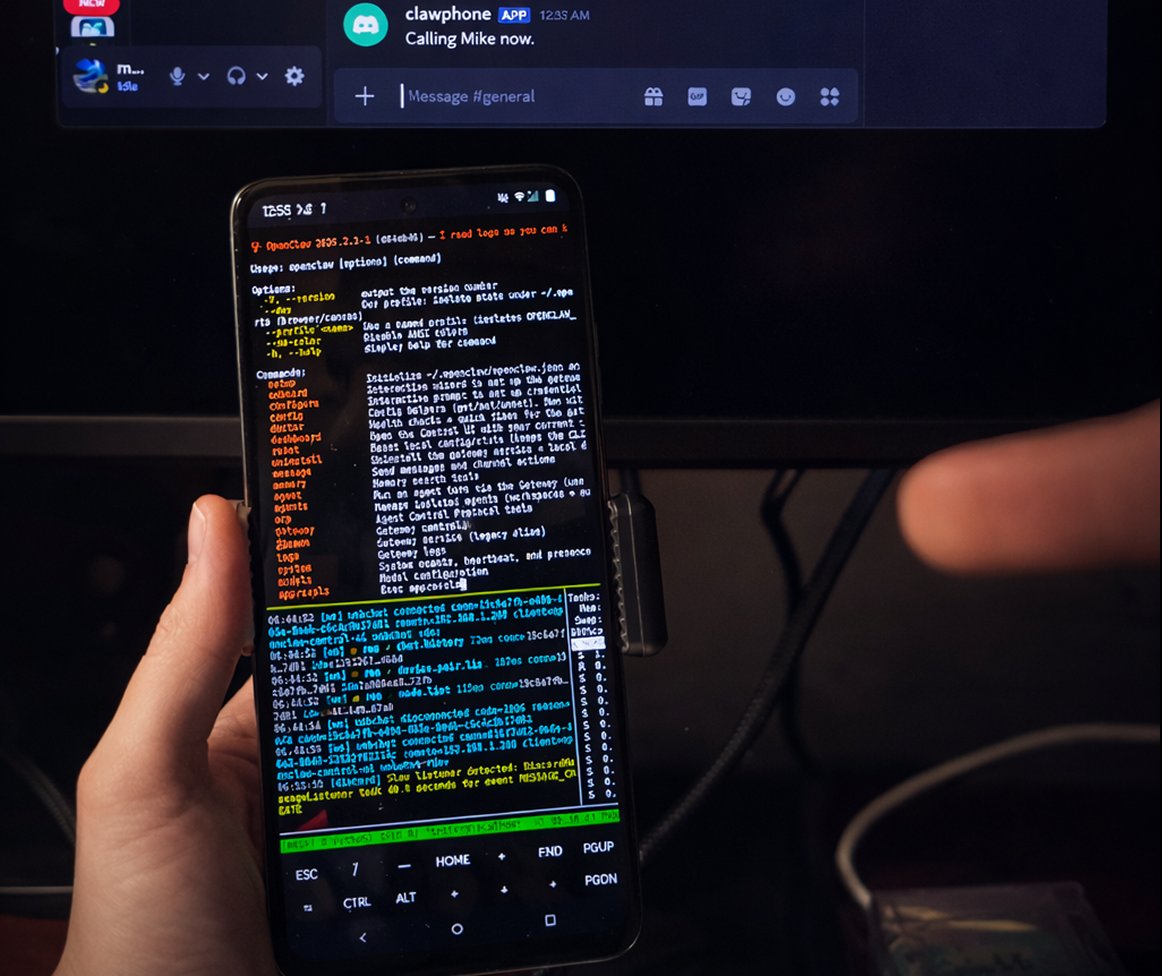
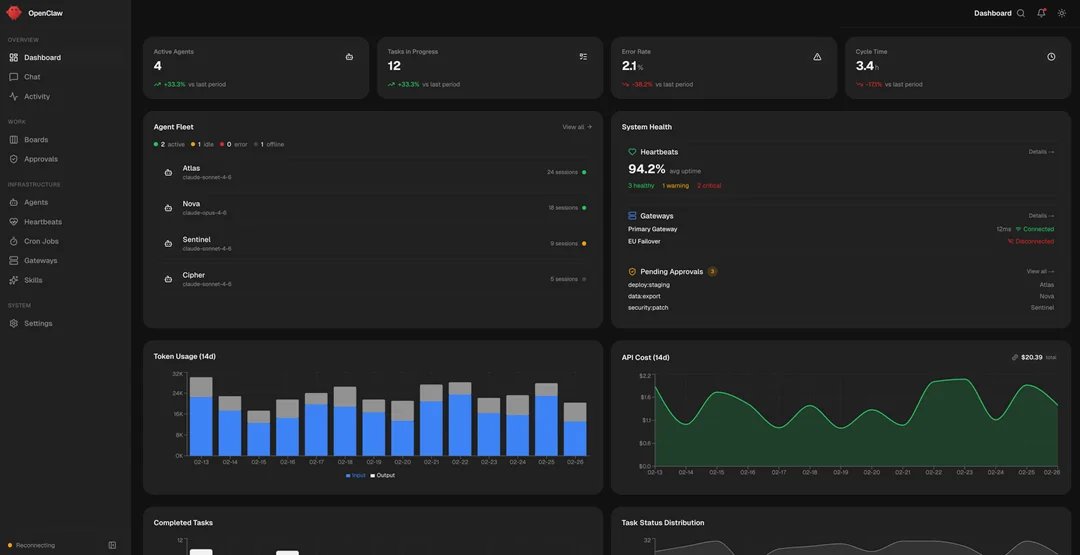
My OpenClaw flagged it because the flow suddenly stopped looking random.
Arkham shows $LIT moving through Uniswap V3 routes 22 hours ago.
122.6K $LIT went into a Uniswap V3 pool leg, about $160.6K.
Another 104.8K $LIT followed, about $137K.
Then the same size reappeared again through the Uniswap plumbing.
On the CEX side OKX lit up 1 day ago.
OKX hot wallet routes took 177.0K $LIT, about $237.2K.
Then 217.0K $LIT hit the same path, about $295.1K.
This is the classic pre-move shape.
DEX liquidity gets tuned first.
CEX inventory gets staged second.
Price stops dipping deep because the book stays fed.
I’ve seen this exact movie with $LIT before.
When OKX starts cycling inventory and Uniswap liquidity tightens, the tape usually grinds up, not chops down.
My path is simple.
Hold $1.25 to $1.30, reclaim $1.40, then magnets are $1.55 and $1.70.
Lose the base and it’s range again
Do you see $1.70 as the obvious target, or just another fakeout bounce?
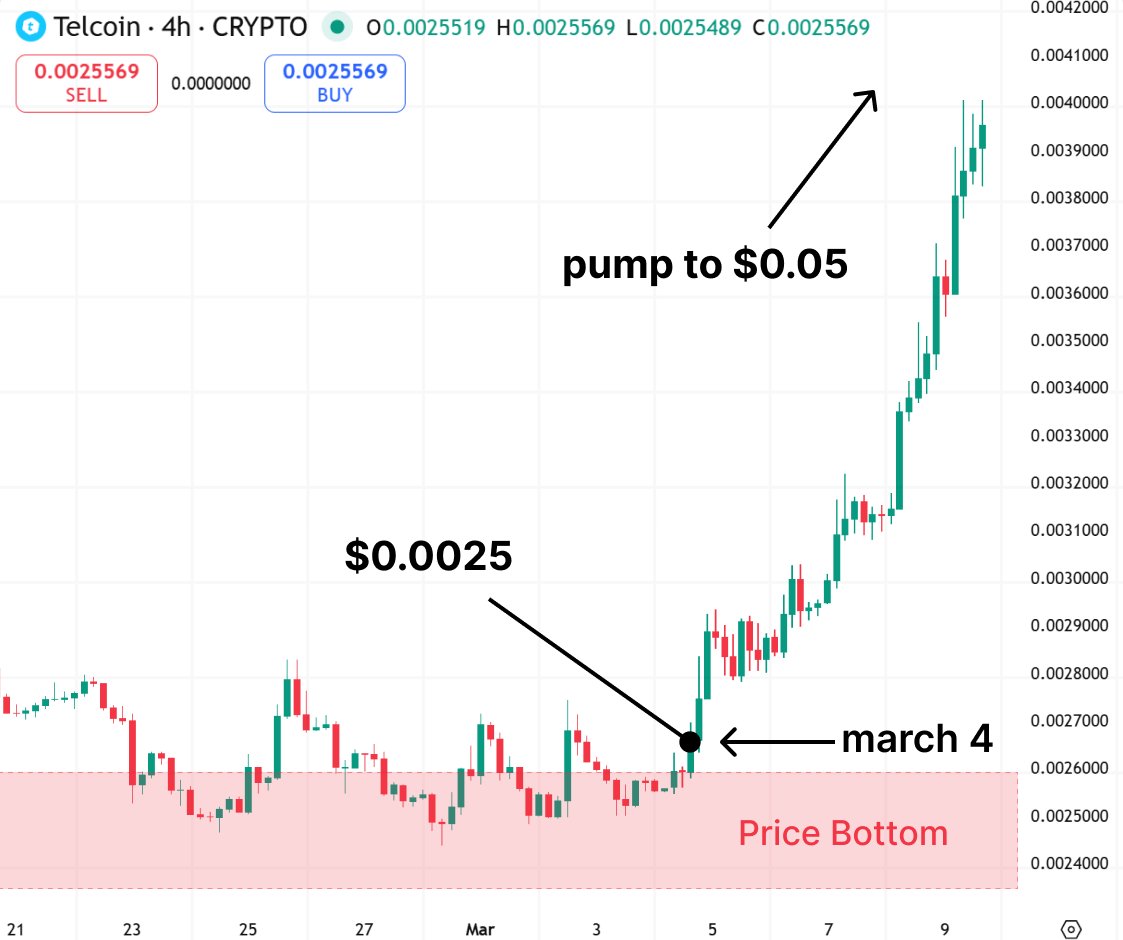
$TEL has a clean map to rip from the $0.0025 base to $0.05 if this rotation turns risk-on again.
$TEL is about $0.00265 right now, so $0.05 is roughly a 19x move from here.
Sounds insane, but $TEL already printed $0.0649 in 2021, so $0.05 is literally a retest zone, not a fantasy number.
What makes it interesting is the mix of structure and catalysts.
Price is sitting on a tight base and defending that $0.0025 area on the tape.
Market cap is about $255M, 24h volume about $1.6M, so liquidity is still sleepy.
That’s exactly why it can move fast the moment volume wakes up.
Now the real fuel.
Nebraska issued a charter to Telcoin Digital Asset Bank on Nov 12, 2025.
Telcoin also got conditional approval earlier and said the plan is a bank issued stablecoin called eUSD as part of the rollout.
That is the kind of headline flow that can pull $TEL out of a dead range when the market is bored.
My path is boring on purpose.
Hold the $0.0025 base and reclaim $0.0030, then magnets are $0.0040, then $0.0060, then $0.01.
If it accepts above $0.01 in a real risk-on tape, the market starts looking up at $0.02, then the big round $0.05.
Invalidation is simple.
Lose $0.0025, fail reclaim, and it’s just chop again.
Do you see $TEL retesting $0.05 this cycle, or staying stuck under a cent?
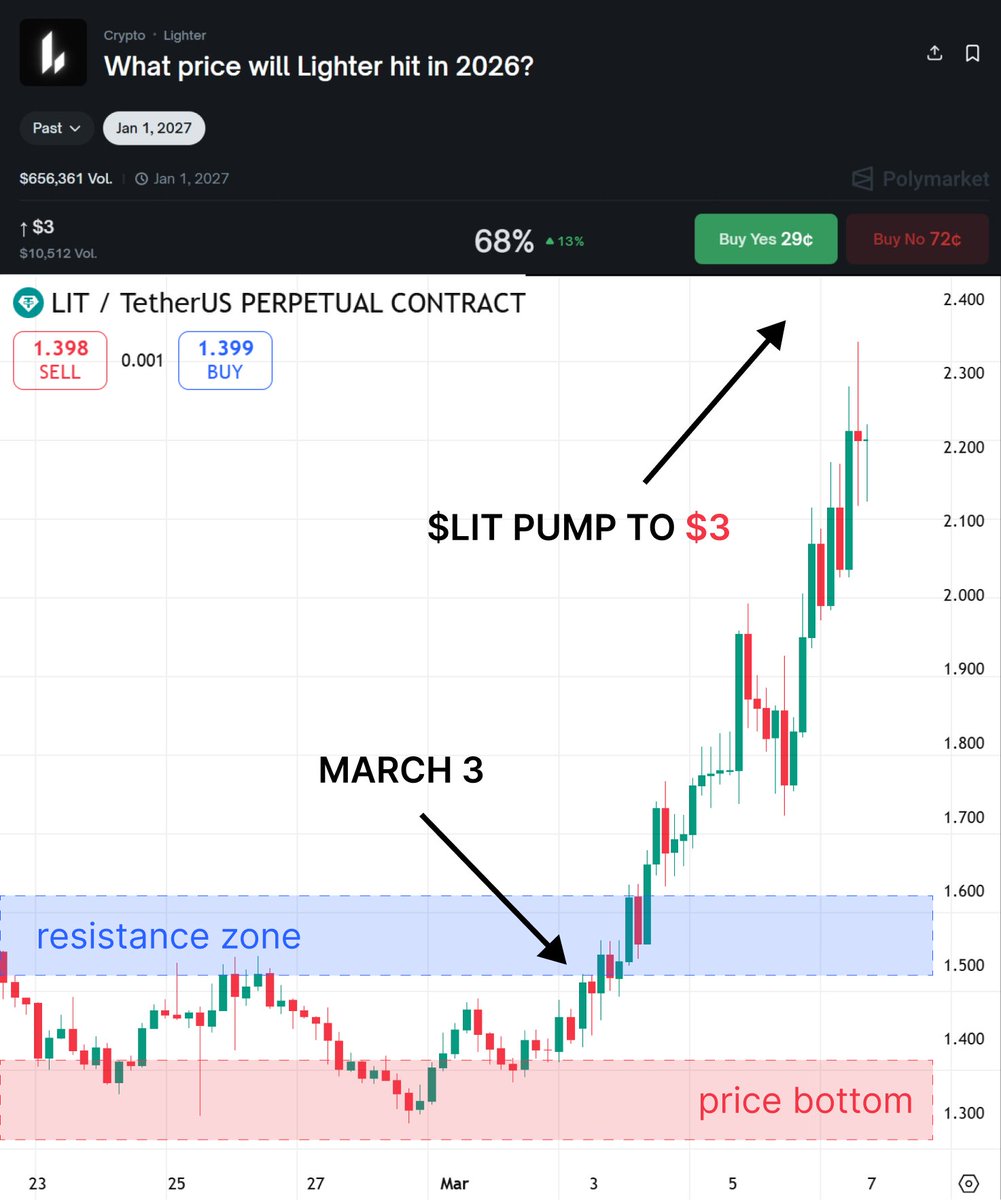
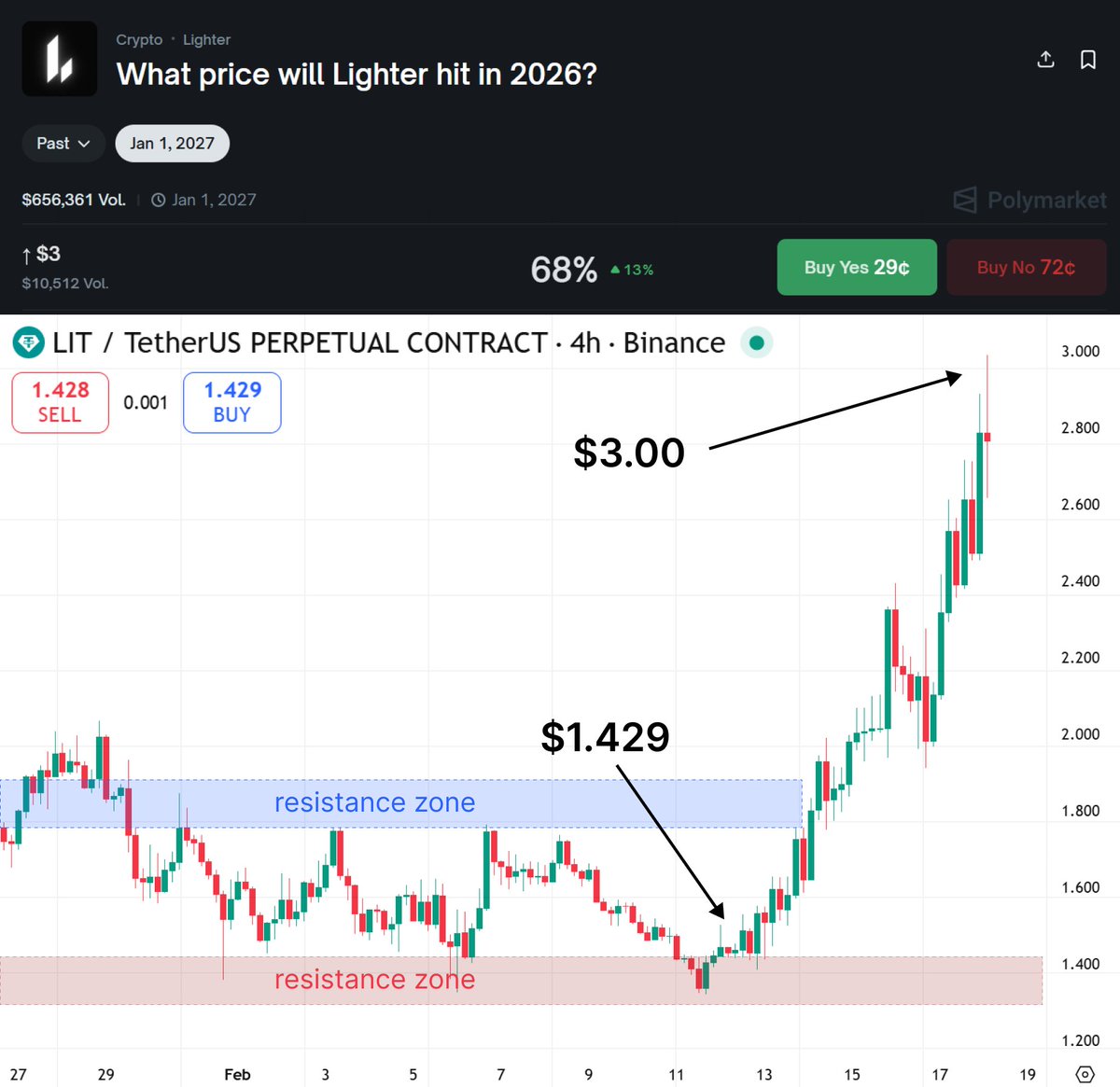
$LIT has a clean setup to tag $3 this month if the base keeps holding.
$LIT is about $1.38 right now, so $3 is roughly a 2.17x move, about 117% upside from here.
This is not about a perfect entry, it’s about the tape changing.
$LIT just put in a $1.30 low and has been holding a tighter $1.34 to $1.45 range since, with dips getting bought quicker than they did mid-Feb.
The structure is the story.
If it keeps defending the $1.30 to $1.40 base and reclaims $1.50 clean, the next magnets are $1.80, then $2.10, then the $2.40 to $2.75 band before the headline print at $3.
Polymarket is still anchoring eyes on the $3 level.
The whole Lighter 2026 price complex has about $656K traded, and the $3 outcome is priced around 27% right now.
That matters because perps love front-running the number the crowd keeps staring at.
If $LIT starts accepting above $1.50 and pullbacks stay shallow, the grind turns into a squeeze fast.
Invalidation is simple.
Lose $1.30, fail to reclaim quickly, and it’s back to chop.
Do you see $LIT tagging $3 before March is over?
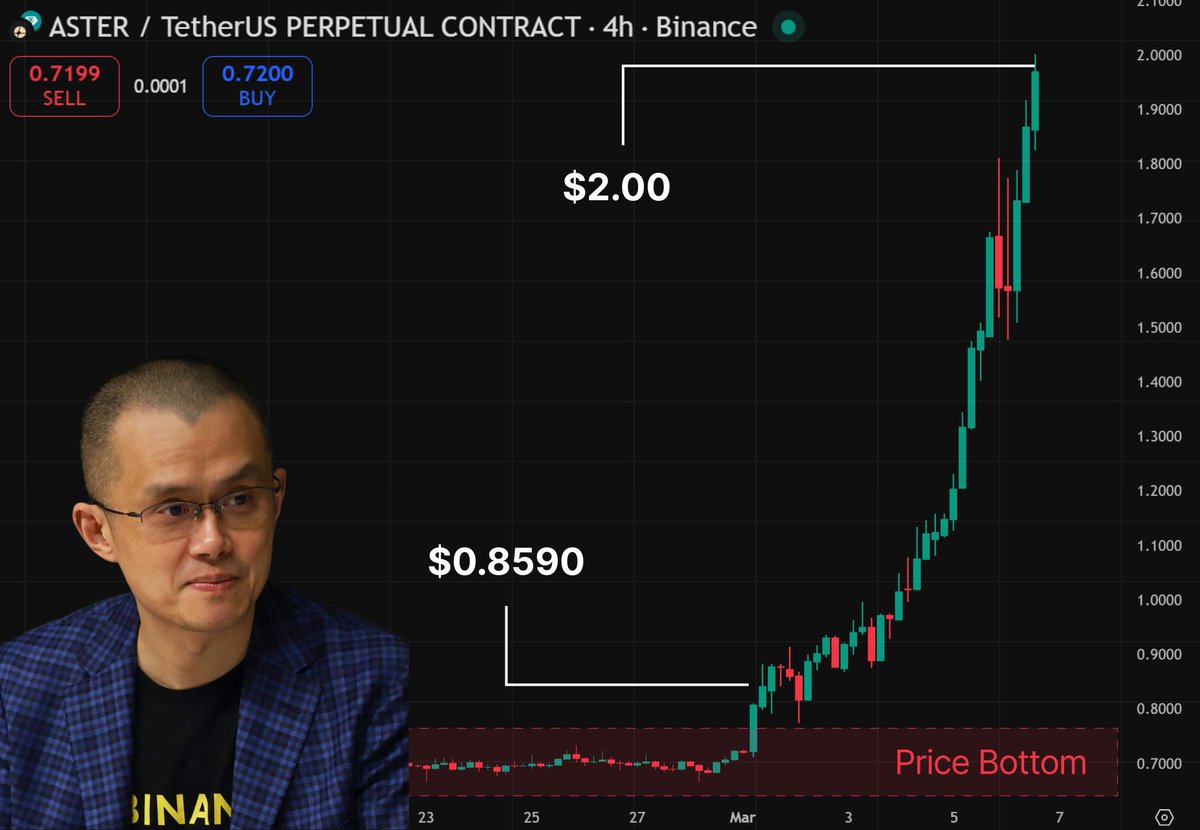
CZ briefly tweeted that $ASTER hits $2 in March, then deleted it almost instantly.
It was up for a minute at most.
People noticed, but it vanished before screenshots really spread.
I saw it live too, tried to pull it back up, and it was already gone.
That’s not a guarantee $ASTER pumps.
But it is a very specific number and a very specific month to “accidentally” drop.
Could be bait.
Could be a draft that slipped.
Could be someone testing the room, then realising it was too loud.
Either way, I’m treating it as a watchlist trigger.
If March is real, the tape should start snitching first, bids firming up, OI building, funding getting jumpy, liquidity positioning.
Do you read it as a real slip, or just CZ farming attention
One of my OpenCloud accounts runs a Moncheck on $XMR and it now watches Polymarket flow in the same loop.
At 22:00 Amsterdam time on Feb 26 it pinged a clean pattern.
Spot $XMR started getting lifted in size at the same time the Polymarket $XMR market got hit with fresh buys on the Yes side.
Right now $XMR is around $354 on the tape.
A move to $450 is about 27% upside, and $500 is about 41% from here.
Molt Bot does not try to predict the world.
It just watches two things in sync and alerts when they move together, spot impulse on $XMR and aggressive repricing on Polymarket.
The alert math is boring on purpose.
If spot delta is positive and the Polymarket Yes price is lifting inside the same window, the score flips green.
If spot lifts but the Polymarket leg fades, it stays neutral and I ignore it.
This is not a guarantee of $450 or $500.
It is a heads up that someone is paying to move the odds while also leaning on spot.
Do you treat that as signal, or just noise until $XMR clears $400?
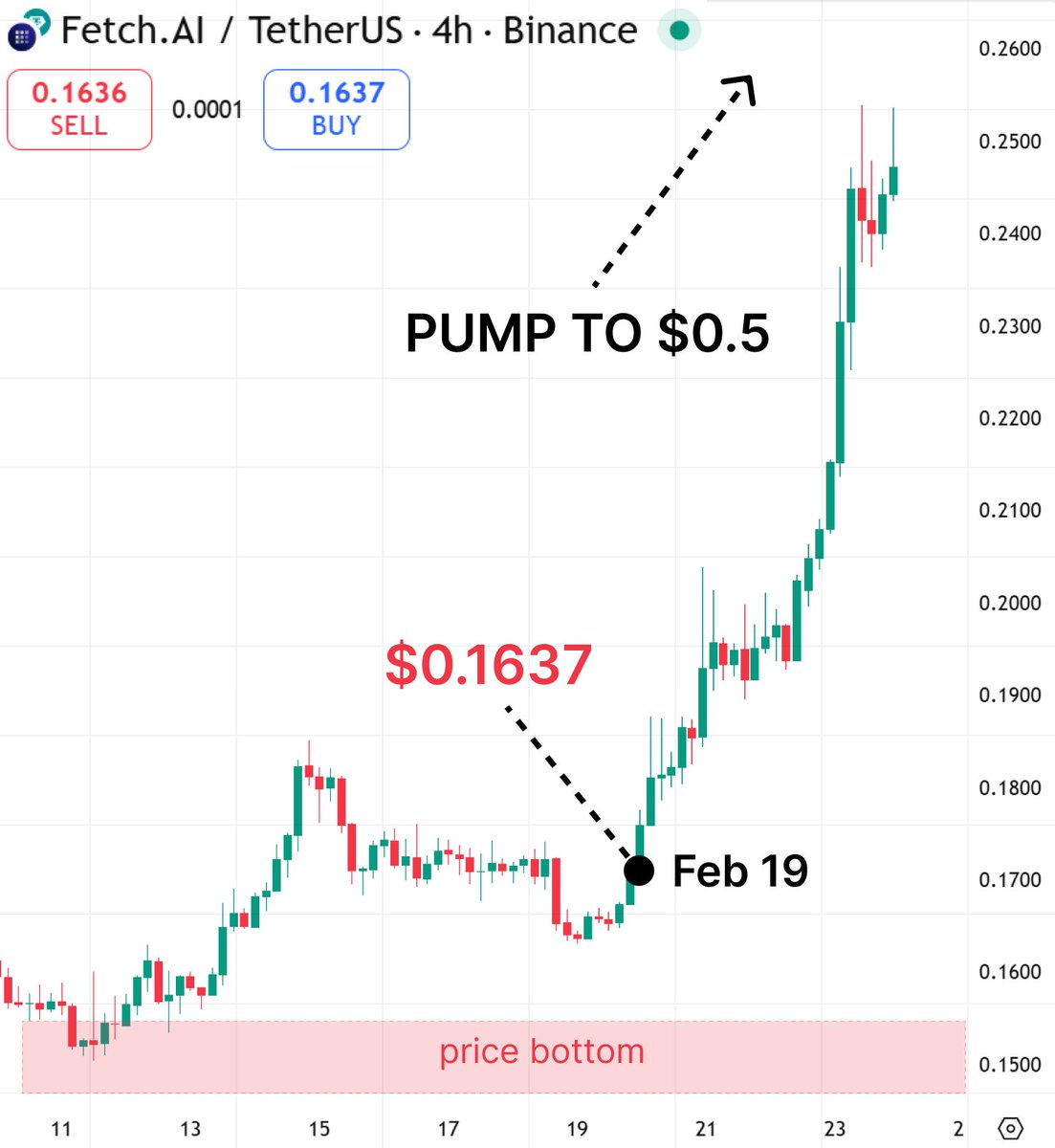
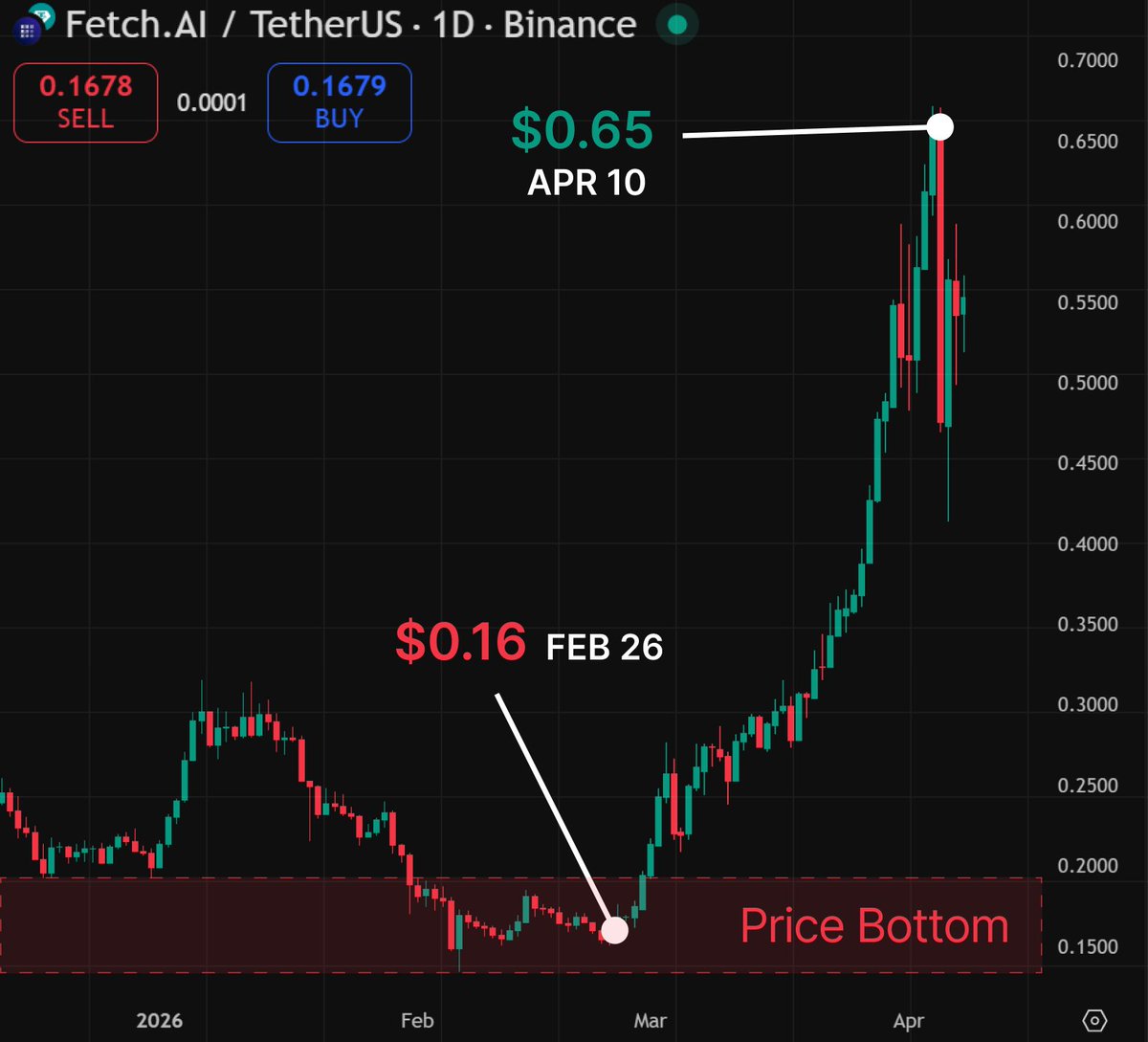
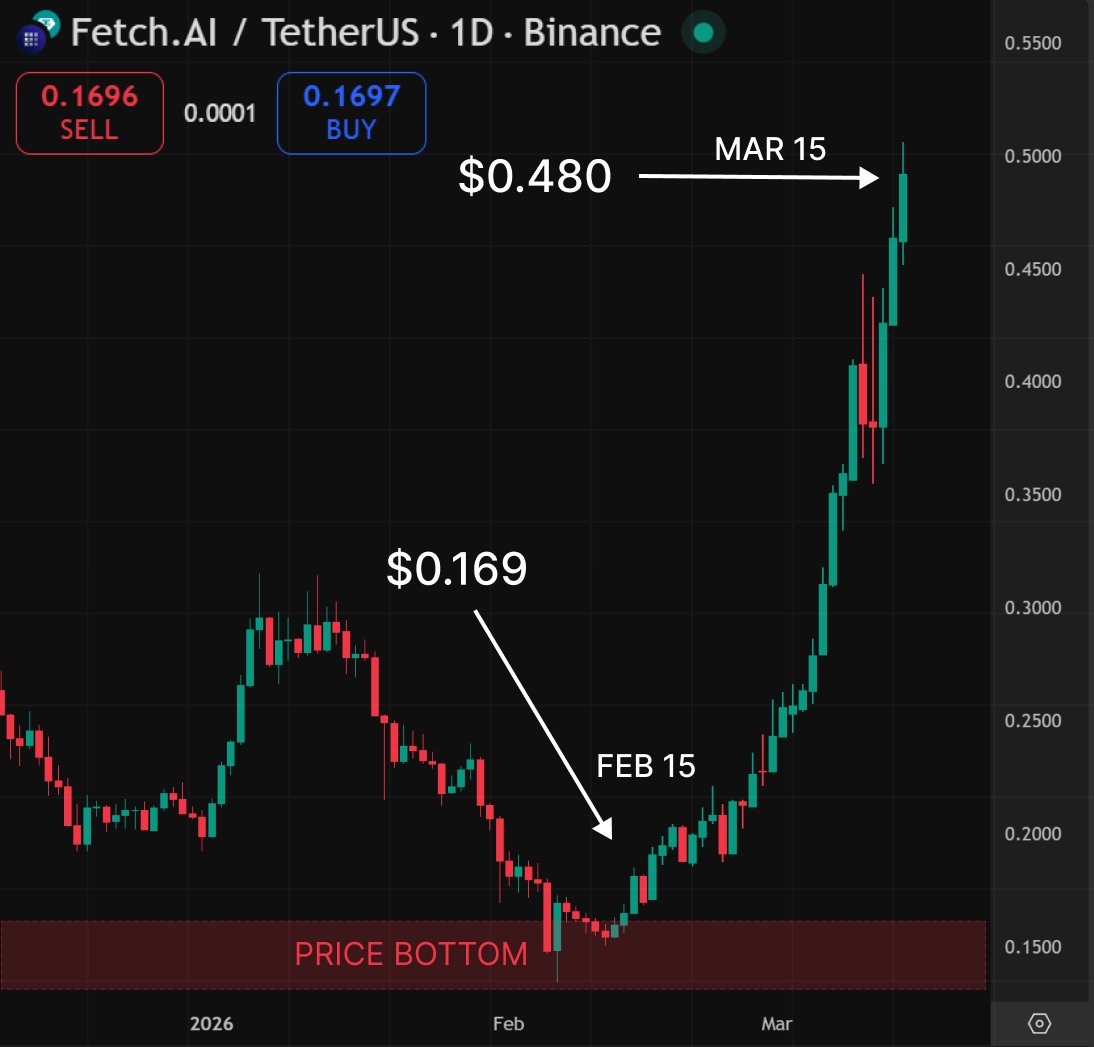
$FET has a clean setup for $0.65 within a month if this base keeps holding.
As of Feb 26, $FET is around $0.167, with roughly $379M market cap and about $110M in 24h volume.
That is close to 30% daily turnover, which is rare at this size and usually means the tape can actually travel when it starts trending.
I spent about 10 hours digging through this one because I wanted to know if it was just a dead-cat bounce, or a real bid rebuilding.
What stood out is the structure around the base, it keeps getting defended and price keeps grinding instead of doing one spike and bleeding back for days.
The narrative is still simple enough for CT to rotate into it without thinking.
$FET is basically the liquid handle for the broader $ASI consolidation lane, so when AI flow comes back, this ticker gets treated like the proxy and it soaks attention first.
My read stays boring, because boring is what pays.
I want to see volume stay present on red candles, dips keep getting bought in the $0.15 to $0.17 area, and higher lows keep printing without turning into wick-and-fade chop.
If that holds, the path is clean.
First magnet $0.30, then $0.45, and if it accepts above those zones instead of insta rejecting, $0.65 becomes a timing trade.
From $0.167 to $0.65 is roughly 3.9x, and this is the kind of move that happens fast once sellers are worked through and the market starts paying up for the headline again.
Fail case is clean too.
Lose the base, no fast reclaim, and it turns back into range chop while AI flow rotates elsewhere and everyone forgets the ticker until the next wave.
Do you see $FET tagging $0.65 in the next month, or does it need a full reset first?
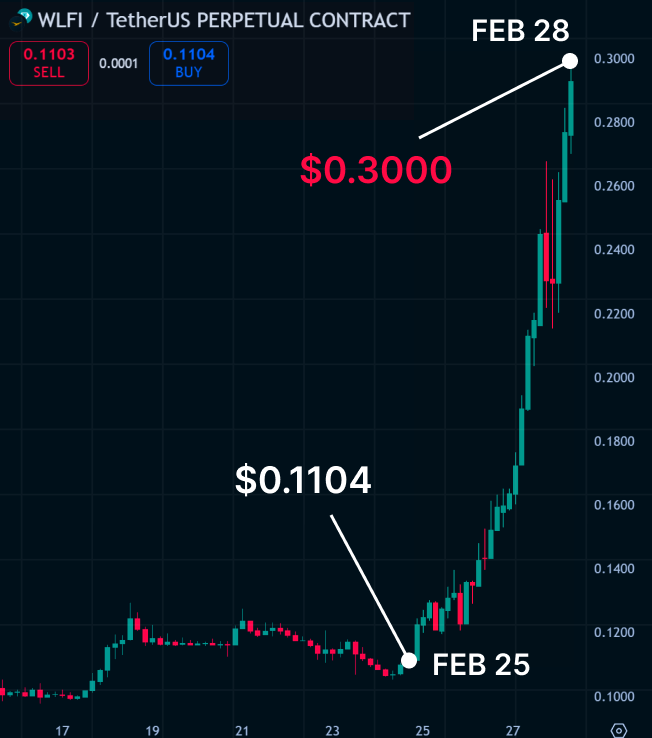
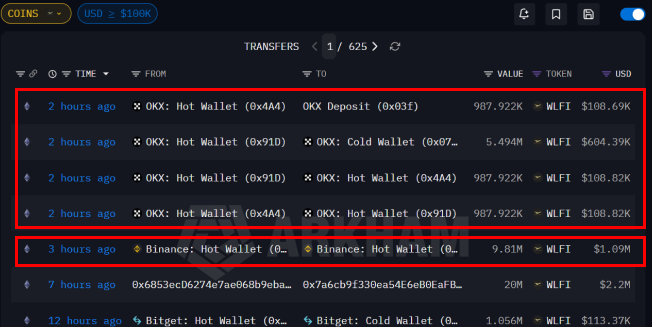
My OpenClaw bot just flagged $OKX and $Binance routing $WLFI again, and $0.30 is the next obvious headline magnet.
$WLFI is around $0.1104 right now, so $0.30 is roughly 170 percent upside from here, basically a clean two and a bit x if the tape keeps squeezing.
I’m not reading indicators here, I’m reading the flow shape.
On-chain, you can see both venues moving roughly $2m worth of $WLFI through hot and deposit paths in tidy, repeatable clips.
That’s the kind of inventory staging you do when you expect execution demand and want the book ready, not the kind of mess you get from random retail deposits.
The pattern is familiar.
Cold or custody side feeds hot, hot routes into deposit rails or internal hops, then you see it re-appear back on hot wallets again. Next to the bigger chunks there are smaller repeated clips, which is exactly how desks keep the book topped up while price grinds higher and liquidity doesn’t fall apart.
This does not prove they are net buying spot or “pumping” with their own risk.
But it matters because this routing keeps depth alive, keeps spreads tighter, and makes it easier for price to walk into the next level without one nasty red candle resetting the whole move. When inventory is staged like this, the market can absorb sells and still keep climbing.
Tape read stays simple.
When dips stop getting follow-through and keep getting bought quickly, it usually means supply is being absorbed and someone is either defending a level or making sure the market can trade size without slipping.
My plan is boring on purpose.
As long as $WLFI holds the $0.11 area and keeps printing higher lows, the magnets are $0.16, then $0.20, then $0.25. If it accepts above $0.25 and doesn’t instantly reject, $0.30 turns into a timing trade, not a hope trade.
Fail case is clean too.
Lose the base, no fast reclaim, and this turns back into chop while inventory gets recycled lower and the same wallets start looking like distribution instead of staging.
Do you think they tag $0.30 clean, or do they fade it right under the number?
$FET has a clean path to $0.50 this rotation
and my OpenClaw bot just caught a big tell on-chain.
Arkham flagged the https://t.co/z5rbmufXqT labelled flow yesterday where an official wallet routed about $2M worth of $FET through https://t.co/z5rbmufXqT Bridge and the MigrateToken pipeline
with two main tranches around 6.765M $FET and 5M $FET plus the matching migrate legs on the same window.
That kind of bridge-migrate routing usually shows up when a team is staging inventory for liquidity, conversions, or a coordinated operational move, not when they are just leaving tokens idle.
Price context is simple.
$FET is around $0.15-$0.16 right now, so $0.50 is a bit over 3x from here.
Liquidity is not dead either, market cap is roughly $350M and 24h volume is roughly $35-$40M, so it can actually move without one candle and silence.
Structure still reads like rebuild.
When dips stop expanding lower and the market keeps stepping back into prior zones, it usually means supply is getting absorbed and the next leg becomes easier once buyers stop waiting for the perfect entry.
My path stays boring.
As long as $FET holds the base and keeps reclaiming levels instead of wicking and fading, magnets are $0.22, then $0.30, then $0.38, then the headline print at $0.50.
Invalidation is clean too.
Lose the base, no fast reclaim, and it turns back into range where this becomes chop, not trend.
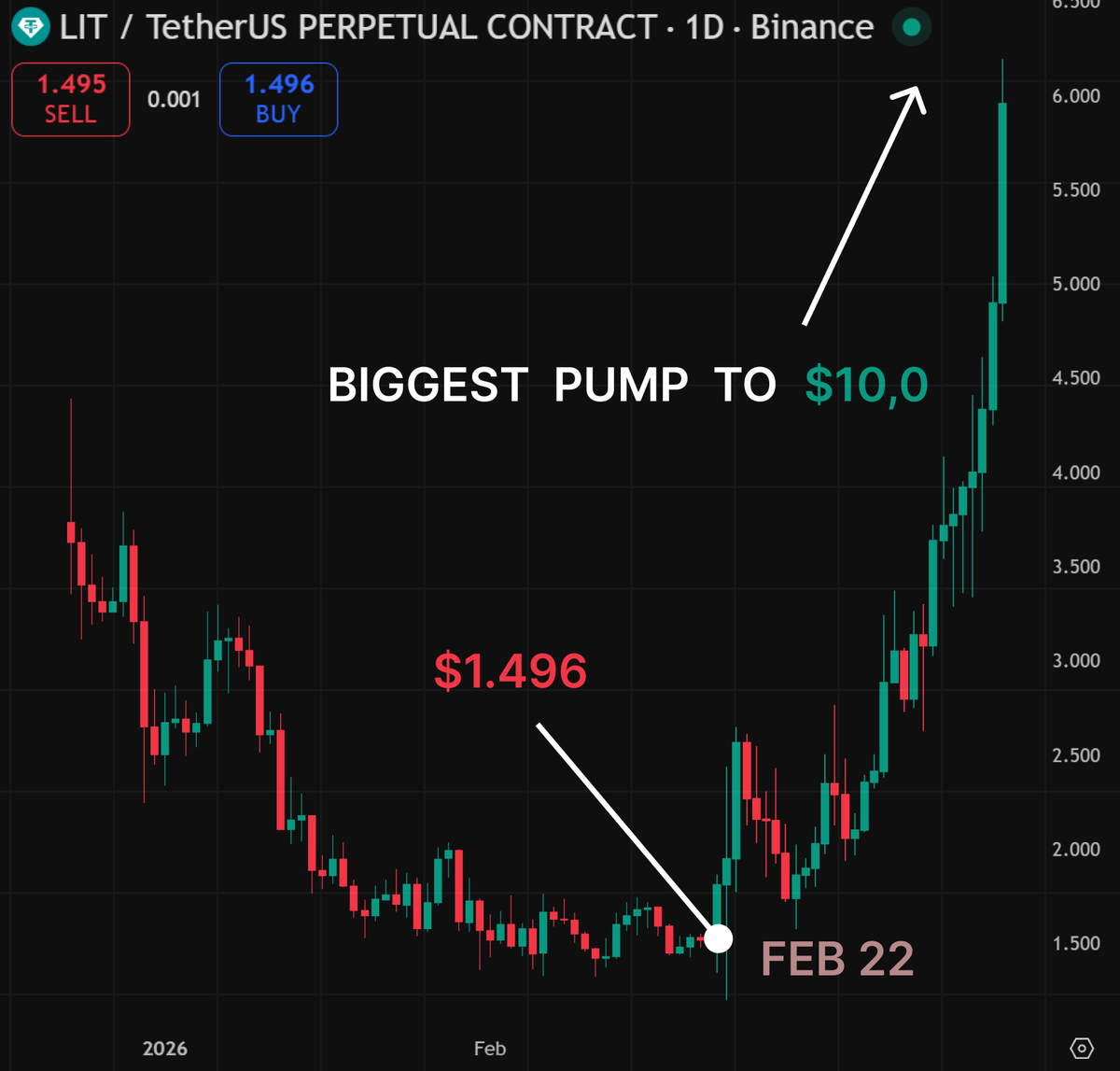
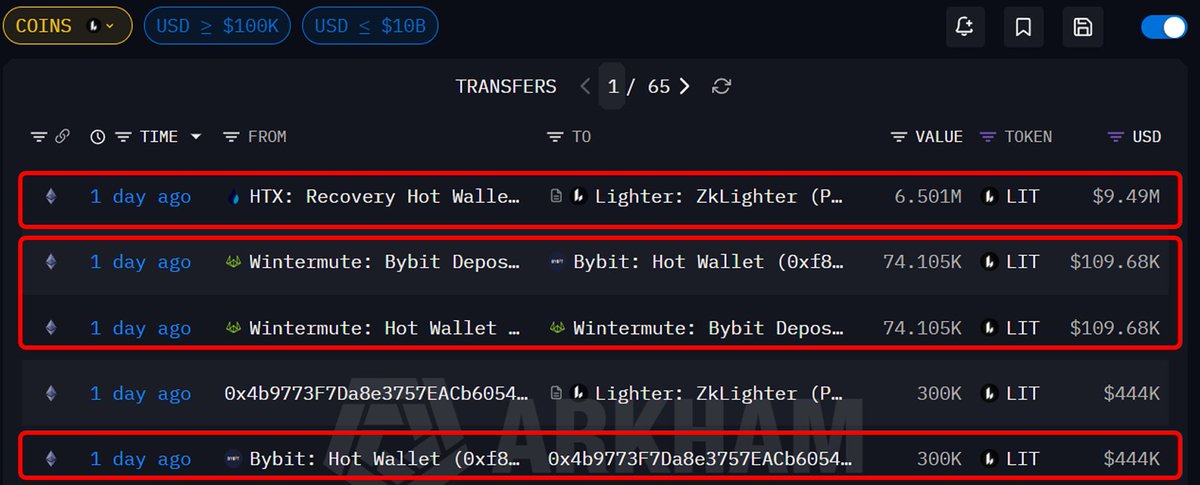
$LIT to $10 in 30 days because Wintermute, HTX, and Bybit are clearly staging the pump with $10M+ in routed flow.
Here’s what Arkham shows in the last day.
HTX Recovery Hot Wallet sent 6.501M $LIT into Lighter zkLighter, roughly $9.49M notional. In the same window Wintermute ran ~74.1K $LIT through a Bybit deposit → Bybit hot wallet path, and there are extra 300K $LIT clips around it on the same rails.
This is not random routing.
It’s inventory being placed where execution is fast, and that’s what you do before volatility, not after.
The sign matters too.
The biggest leg went into protocol infrastructure, not straight into a CEX deposit, so it’s not a clean pre-dump read. It looks more like liquidity positioning plus readiness to move size quickly if tape turns.
Price context is simple.
$LIT is around $1.49 right now, so $10 is a 6–7x move from here.
That kind of move only happens if supply stays thin and dips keep getting absorbed, which is exactly what these flows usually try to engineer.
What I’m watching next is also simple.
Do we see follow-through into CEX deposit routes, or does size stay parked on zkLighter rails while price grinds up.
Guy used to build sports lines at DraftKings and now he prints on Polymarket spreads like he never left the book.
Not a Twitter tipster type.
More like a lines guy who lives in numbers, closes gaps fast, and treats price as something you trade, not something you believe.
Then he shows up on Polymarket with a sports-heavy profile that looks like repetition, not hero calls.
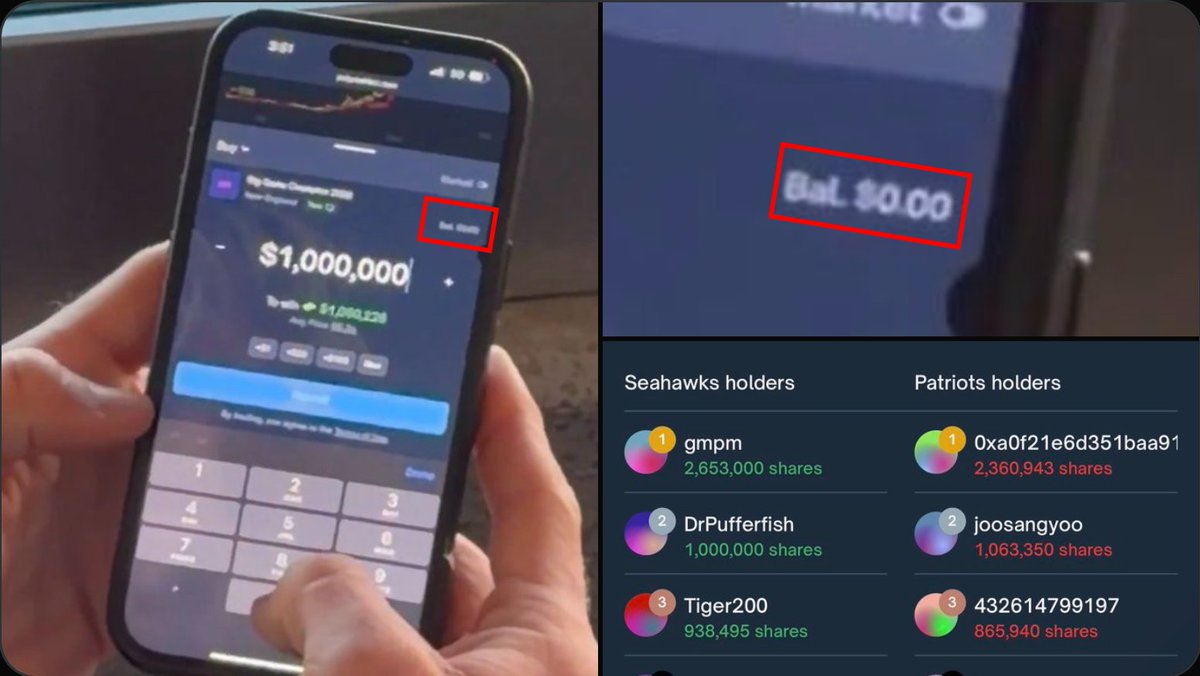
The wallet I’d point to for this footprint is @DrPufferfish
Profile snapshot shows about $2.4M PnL, $918.2K biggest win, and 1,086 predictions.
The twist is simple and it is why this archetype keeps winning.
Sportsbooks pay you to be stable and explainable, so you optimise for accuracy and risk limits.
Polymarket pays you for mispricing and sizing, so you can be near coinflip on raw hit rate and still grow if your wins are bigger than your losses and you avoid stacking correlated risk.
What this style usually looks like in practice is boring but lethal.
He waits for the market to hang a bad number, hits it in size, and scales out when the crowd corrects the price, then repeats across multiple games so the edge compounds instead of relying on one Sunday.
The one formula that basically describes the whole job is this:
edge = p - m
p is your true probability from your model, m is the market implied probability, and you only play when that gap is real.
Sizing is the second half and it is what separates a trader from a gambler:
f = k × (p − m) / (1 − m)
k is the haircut that keeps you alive when variance spikes, most people need it because Polymarket slippage and timing noise will humble you fast.
Wallet link: https://t.co/y7fU7lDRsM
If you want I can pull 2 more sports-first wallets from the Sports leaderboard and write the same story style around them, but with different mechanics like totals vs spreads vs late-line moves.
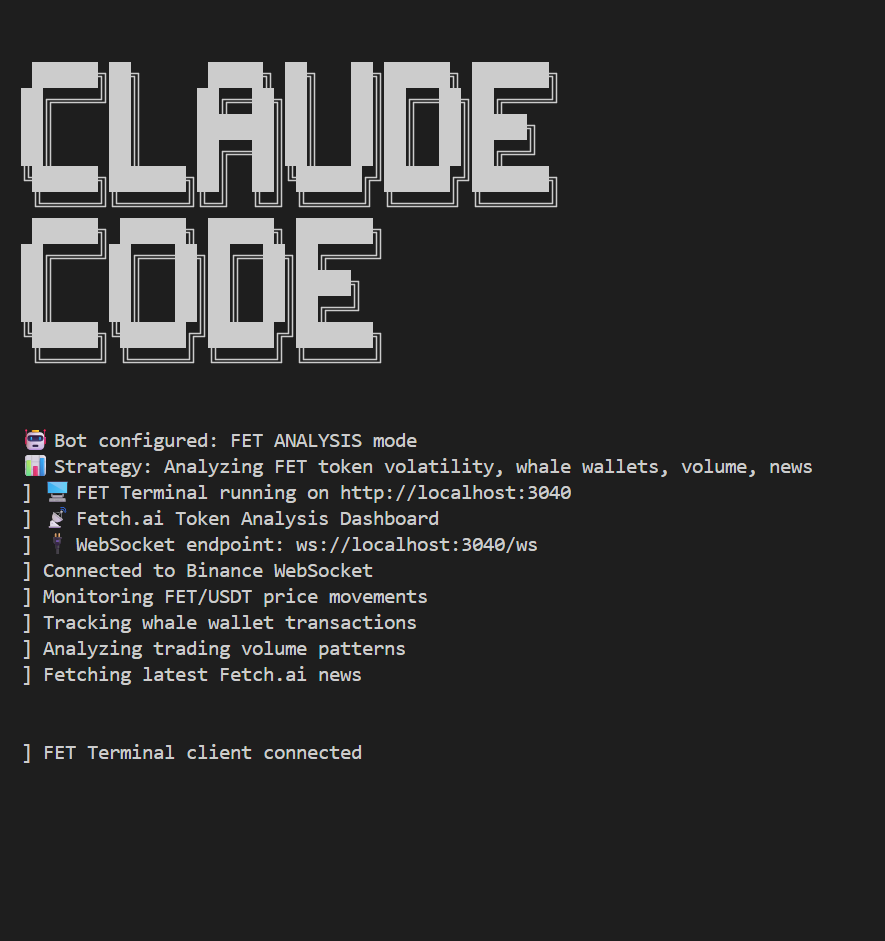
I used Claude Code and my trading bot to spot a filthy $FET / $FET.e setup for outsized PnL
and $0.50 is the clean magnet if AI beta stays bid.
$FET is trading around $0.165 right now, so $0.50 is a bit over 3x, roughly 200 percent upside.
Liquidity is not tiny either, market cap sits around the mid $300Ms and 24h volume is still tens of millions, which is enough for a real leg instead of one candle and death.
The piece most people miss is $FET.e.
That .e suffix is the Avalanche Bridge convention for assets bridged from Ethereum, so you end up with the same exposure split across venues and liquidity rails.
That fragmentation creates a repeatable inefficiency during fast rotations:
CEX books reprice, on-chain pools catch up later, then CEX follows again once inventory rotates back.
This is the kind of thing you do not trade manually, because the edge is in short windows and strict execution.
My OpenClaw runner keeps it live, Claude Code helps me iterate the logic, and the bot just does the boring part perfectly: watch the spread behaviour between $FET and $FET.e, wait for the same conditions, execute, then throttle.
Tape still matters more than any narrative.
When $FET stops printing deep lower lows, holds higher lows, and keeps reclaiming prior zones without giving you a proper breakdown, that is usually supply getting absorbed while someone keeps bids parked under price.
My path is boring on purpose, but it is clear.
As long as $FET holds the base and keeps reclaiming instead of wicking and fading, magnets are $0.22, then $0.30, then $0.38, then the headline print at $0.50.
Invalidation is clean too.
Lose the base, fail the fast reclaim, accept back into chop, and you stop treating it like trend.
Do you see $FET tagging $0.50 on this AI rotation, or more chop first?
Ayo bro, Logan Paul’s a scammer - in crypto and on Polymarket, and anyone who’s been around for a while knows that
You literally posted a screenshot where his balance is zero, what’s that supposed to prove?
Either he tried to flex and it backfired, or he got paid for a sloppy ad
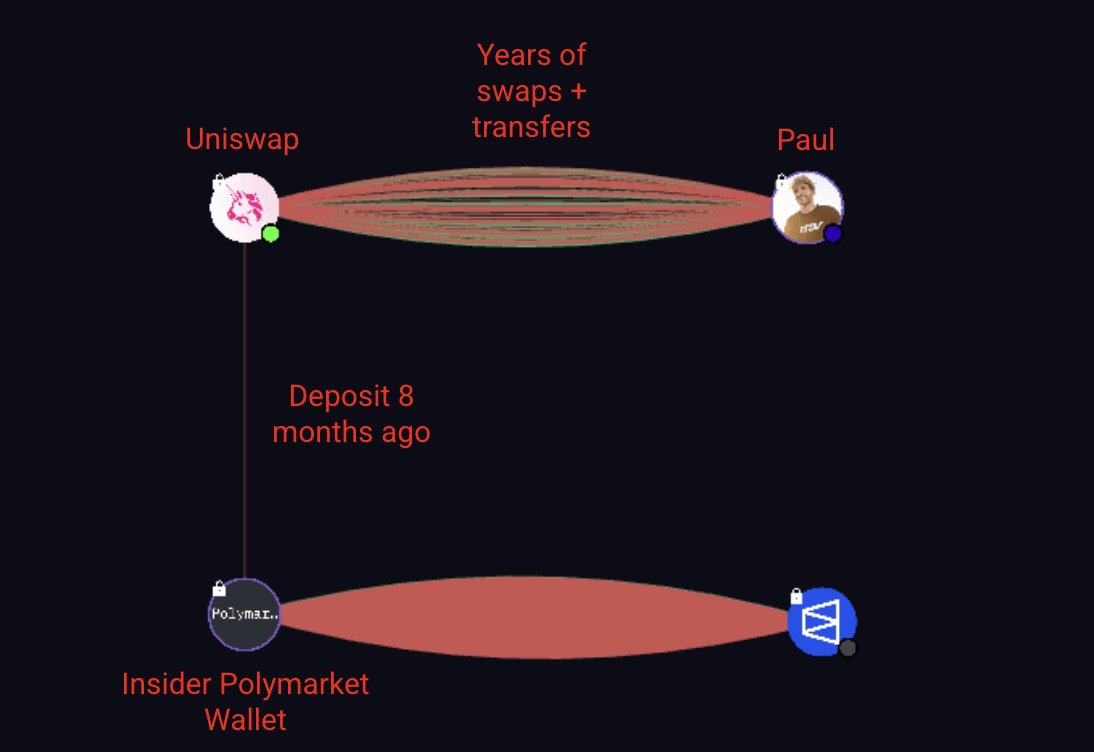
Logan Paul might've just insider traded the Pikachu sale on Polymarket.
For context, Paul sold his PSA 10 Pikachu via Goldin for $16.5M. Polymarket had a market on the final sale price.
In the week leading up to the auction close, a suspicious wallet accumulated 500,000 shares across related positions, eventually profiting ~$300K.
Notable details about the wallet:
- Continuously bought for 7 days straight, 0 sell orders
- Fresh Polymarket wallet. Dormant for 8 months
- No prior trading history, then suddenly places $190K on first ever market
How does it link to Logan Paul?
1. Paul was spotted usingPolymarket during the Superbowl weeks ago. The wallet’s green mixed-profile picture matches the one visible in that video. These mixed-color profile photos are randomly generated. The odds of these matching are very unlikely...
2. The wallet’s first deposit (8 months ago) was via Uniswap. Logan Paul’s public crypto address primarily uses Uniswap for swaps and transfers.
3. During the Superbowl, you could see his balance as $0. This wallet was also $0 at the time of the super bowl.
4. This was his auction. He was actively promoting it and would likely have early visibility into potential bids and any news related to the market.
Individually, none of these datapoints prove anything.
But together, you can connect the dots and figure out what's going on...
Given Logan Paul’s history in the crypto, this pattern is hard to ignore.
One of the wildest (but expected) things I've seen on Polymarket
https://t.co/wcBX8CGRna
$FET has a clean setup to run to $0.50 if risk stays on for AI beta.
$FET is around $0.17 right now, so $0.50 is roughly 3x from here, about 195% upside.
What makes it interesting is liquidity, not vibes.
Market cap is sitting around $386M with about $60M 24h volume, so turnover is actually fat enough for a real leg instead of one candle and death.
Structure reads like rebuild, not random bounce.
When a coin stops printing deep lower lows, starts holding higher lows, and keeps stepping back into prior zones, that’s usually absorption at work, not retail chasing a green wick.
Narrative helps too, but I treat it as fuel, not reason.
$FET is still one of the cleanest liquid AI proxy tickers, so when AI tape catches a bid, it tends to pull size fast because everyone already knows where to click.
My path is boring on purpose.
As long as $FET holds this base area and keeps reclaiming levels instead of wicking and fading, magnets are $0.22, then $0.30, then $0.38, then the headline print at $0.50.
Invalidation is also simple. If $FET loses the base, fails fast reclaim, and starts accepting back into chop, then it’s just range again and you stop treating it like trend.
What I’m watching day to day is clean.
Volume staying present on red days, pullbacks staying shallow, and no single dump candle that erases multiple sessions of progress.
Well, Do you see $FET tagging $0.50 on this rotation, or more chop first?
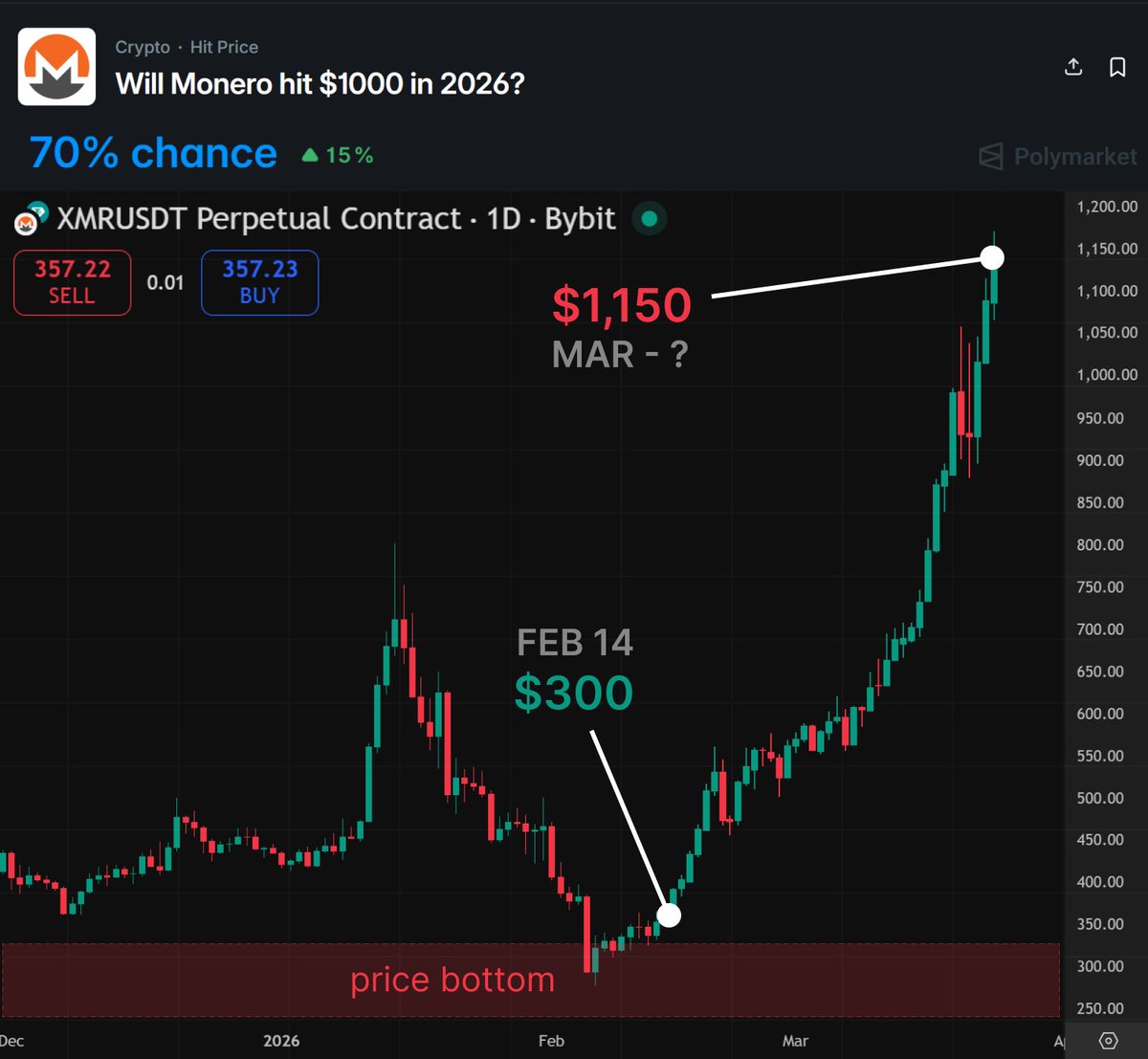
$XMR to $1,000 in 2026 is a clean lane, and the odds are starting to reflect it.
I think about 70% chance on the $1,000 outcome, which is not just a random CT fantasy target
it’s becoming an anchored level people trade around.
The supply side is boring in the best way.
Tail emission has been live since 2022, fixed at 0.6 $XMR per 2 minute block, so inflation stays low and gets relatively smaller over time as the base grows.The rail side is the real kicker.
$XMR keeps getting pushed into more self-custody and more peer rails
which means spot liquidity doesn’t sit infinitely deep on big venues, and real demand shows up harder when it arrives.
That’s why $XMR moves the way it does.
When it’s quiet it looks dead, then one real bid wave hits a thinner book and price gaps higher without giving you the comfy pullbacks people expect on majors.The tech side is still a catalyst stack, not a meme.
Atomic swaps keep improving the “no trusted middle” path, and the long upgrade track around Seraphis / Jamtis is basically about making privacy UX and scalability less painful for real users, not just maxis.
So $1,000 is not “reclaim ATH and chill”.
It’s “liquidity squeeze plus narrative alignment”, where the market realises supply is sticky, sellers are limited, and the marginal buyer sets the tape.What I’d need to see to treat $1,000 as a base case, not a lucky print.
$BTC staying stable enough to not nuke risk, $XMR holding higher lows instead of round-tripping, and spot demand showing up without perps doing all the lifting.Risk is also simple.
If macro flips risk-off, or liquidity gets pressured harder and books dry up the wrong way, $XMR can still snap back fast even if fundamentals look clean.
I’m not calling a straight line.
I’m saying the structure that makes $XMR explosive is still intact, and 2026 gives enough runway for a proper squeeze.
Do you see $XMR tagging $1,000 as a clean trend move, or as one violent wick and fade?
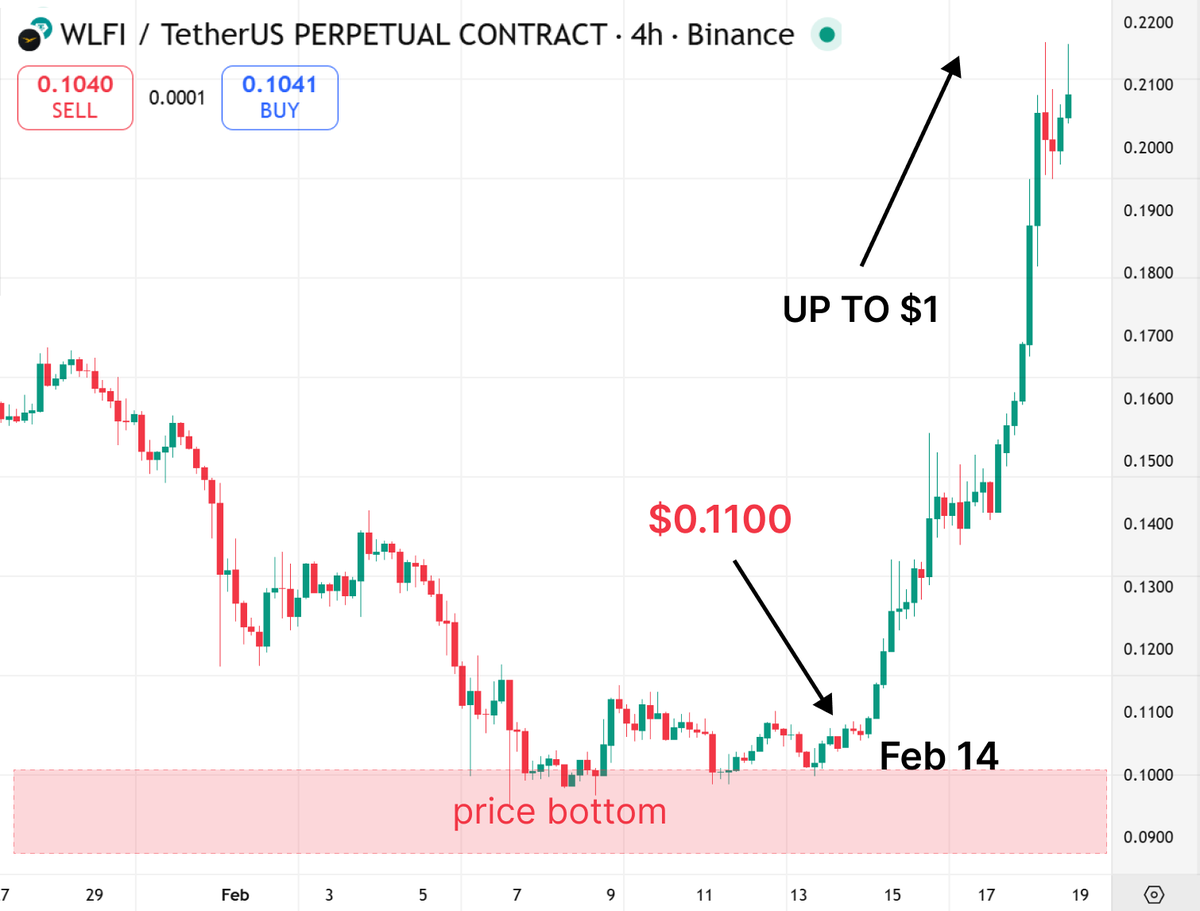
$WLFI has a clean setup to run to $1.
$WLFI is around $0.104 right now, so $1 is roughly a 9.6x, about 860% upside from here.
This is not a moonshot target, it is just a round-number magnet that markets love to front-run once a token starts trending and liquidity keeps improving.
The context matters too: $WLFI is already sitting around $2.84B market cap with about $146M traded in the last 24h, so it’s liquid enough for a proper move when the tape flips risk-on.
What I like is the asymmetry: the ATH is about $0.331, so the first job is simply reclaiming old highs and turning them into support, then the rest becomes pure squeeze mechanics.
Supply side is also straightforward: estimated circulating is about 27.24B against 100B total, so the market is still pricing a lot of future float, which makes reactions to demand way more violent in both directions.
My level path is boring on purpose.
First step is holding the ten-cent area clean, then $0.20, then the $0.33 ATH zone
then you watch if $0.50 gets accepted instead of rejected, and only after that the market starts acting like $0.75 and $1.00 are “obvious”.
If it starts printing higher highs but keeps giving back whole legs in one red candle, that’s distribution and you stop treating it like trend.
Invalidation is just as clean: lose the base, fail to reclaim fast, and $WLFI goes back into chop while everyone pretends they are “positioning” instead of being stuck.
Not advice, just tape, liquidity, and round-number psychology.
Do you see $WLFI printing $1 this cycle, or stalling at the ATH retest?
$LIT has a clean setup to run to $3 within a month.
$LIT is around $1.43 now, so $3 is roughly a 2.1x move from here, about 110% upside.
That’s not a moonshot, it’s just what happens when a token flips a range and the tape stops giving you deep pullbacks.
The structure is the whole story.
It based around the $1.40 area, reclaimed into the $1.80 zone, and once that level stopped rejecting, price started printing expansion candles instead of wick games.
What I like most is dip behaviour.
Pullbacks are getting bought quickly, then it keeps stepping higher.
That usually means supply is getting recycled and absorbed, not just a one-off pump.
The other tell is that this move is not happening in a vacuum.
Polymarket is already showing real interest around the $3 in 2026 lane with about $656k traded on that market.
When the crowd starts anchoring on a clean round-number outcome, perps love to front-run it.
My level path is boring on purpose.
As long as $1.80 holds on retests, the magnets are $2.10, then $2.40, then $2.75, then the obvious headline print at $3.00.
You usually do not get a perfect entry, you get acceptance and then the squeeze into the number everyone is watching.
What would invalidate it is also simple. If $LIT loses $1.80, cannot reclaim quickly, and starts accepting back inside the old range, this turns into chop and you stop treating it like trend.
What I’m watching day to day is not vibes.
I want to see red days still get bid, pullbacks stay shallow, and no heavy give-back candles that erase multiple days of progress in one hit.
If that starts showing up, the move is tired.
Not advice. Just reading tape and levels.
Do you see $LIT tagging $3 before the month is over?
$PEPE has clean setup to run about 13,450% to $0.0005 in the next 3 months
$PEPE is around $0.00000369 right now.
So $0.0005 is roughly 135x from here, which is about 13,450 percent upside.
The first thing I care about is liquidity.
$PEPE is already trading like a major meme ticker with about $318M 24H volume and about $1.5B market cap.
When memes wake up, money does not spread evenly, it piles into names that can handle size.
The second thing is structure.
The best meme runs are not one candle, they are a grind, then expansion, then shallow pullbacks.
If pullbacks keep getting absorbed and volume stays thick, I stay patient.
Now the reality check nobody likes.
Circulating supply is about 413.77T $PEPE.
At $0.0005, implied market cap is about $207B, so this target only exists in a real mania tape.
That is why I treat this as a regime trade, not a forever hold.
If $BTC is chopping and $ETH is stable, memes usually get the bid next.
If $BTC is bleeding, memes do not get mercy, they get sold first.There is also a clean reference point.
$PEPE ATH is about $0.00002825, so the first real milestone is not $0.0005, it is clearing old highs and holding.
If it cannot reclaim that zone with spot support, the big numbers are just fantasy.
My plan is boring and I like it that way.
I only respect the trend while higher lows keep printing.
Lose the base, fail the reclaim, and I stop pretending it is a trend.
If the market does go full meme season, I would not aim for one perfect exit.
I would scale out into strength and keep a runner for the blow off.
Because the worst feeling on memes is being right on direction and wrong on execution.
Do you see $PEPE as a three month hold, or just a legs-only trade?
CZ will squeeze $ASTER to $3.4 in 2026
$ASTER is around $0.62 to $0.65 right now, about $1.54B market cap,
with about $280M in 24h volume, so tape is liquid enough for real legs, not just thin pumps.
$3.4 is still just math. from here it is about a 5x, which puts circulating value near $8B. that’s not free
but it’s also not fantasy if 2026 is risk on and flows chase a funded bid.
the funded bid part is why i keep this on watch.
stage 6 buybacks start feb 4, 2026, and aster says up to 80% of daily platform fees goes into $ASTER buybacks, with 40% automatic daily and 20% to 40% strategic depending on tape.
now add cz factor.
cz publicly disclosed buying and holding about $2.5m worth of $ASTER
and when that hit timeline the token ripped hard, because market front runs attention faster than it front runs fundamentals.
i’m not saying cz needs to market buy this to move it. he doesn’t.
he just has to keep it in orbit while buybacks keep printing, and suddenly every dip has a real bid behind it, not just hopeful longs.
ath is about $2.41, so path is clean. reclaim $1.00 to $1.25, accept $1.50, break $2.41, then $3.4 is just extension, not dream talk.
risk is simple too. if fees cool off, buybacks cool off, and token unlock timing still exists in background, so you don’t marry it through a risk off tape.
not advice, just how i’m framing $ASTER into 2026.
$FET Bounce to $0.5 and rebuilding a bid with real flow behind it
$FET is around $0.17 with roughly $380M market cap and $58M daily volume, so this isn’t a ghost bounce, it’s real turnover pushing the tape.
What I like here is the shape.
It’s not one dirty wick and fade, it’s a grind back into levels with volume staying present
which usually means sellers are getting absorbed, not just front-run for a screenshot.
And the narrative is still stupidly simple, which matters on CT.
$FET is the liquid proxy for the $ASI merge flow, and when people want the AI consolidation trade they don’t overthink it, they buy the ticker that still trades clean.
If $FET keeps holding bids on red candles and doesn’t instantly bleed back under the round zones
I keep treating this like a build, not a dead cat.
If volume dries up, I stop pretending it’s anything but range chop.
$0.5 is the obvious magnet if this keeps stair-stepping, because once sellers are done, midcaps with this kind of turnover move faster than people expect.
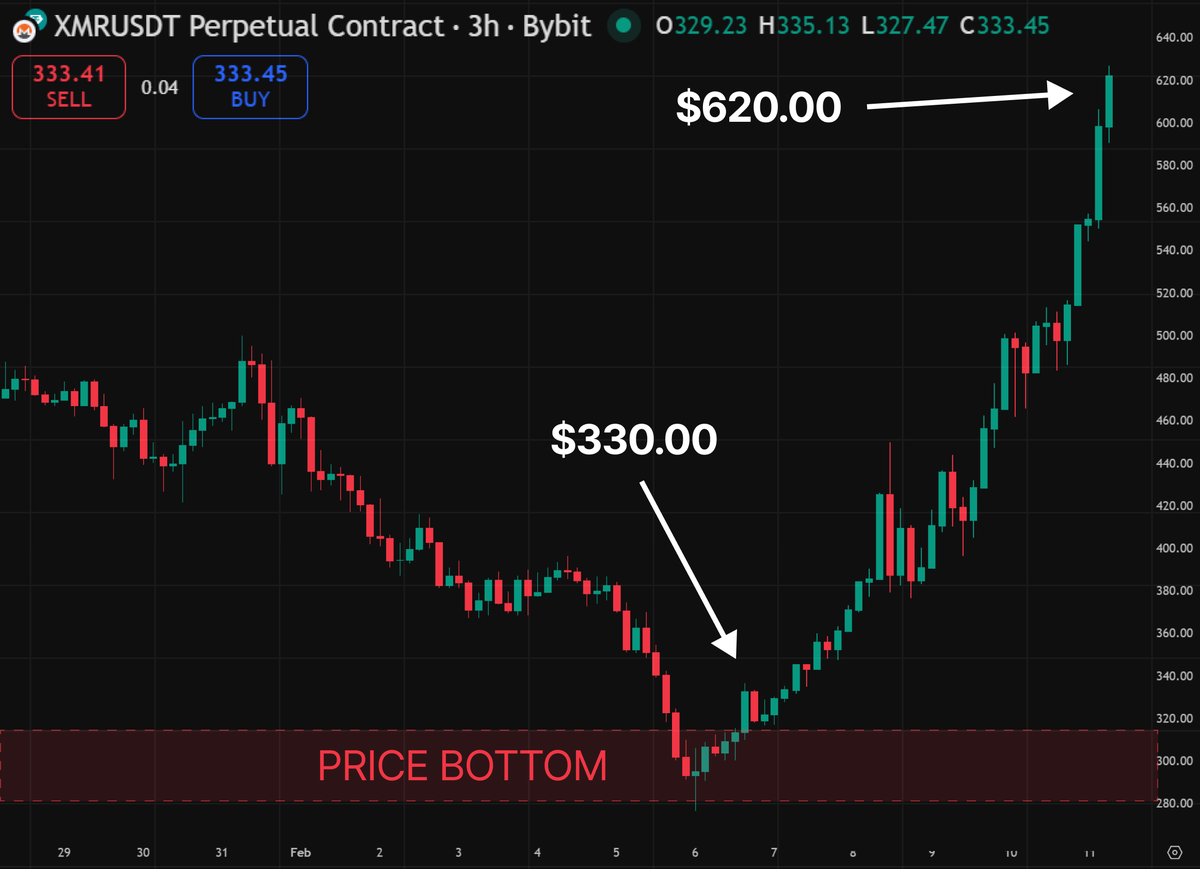
$XMR to $600 in February is a clean base case
first, the chart already did the hard part
it based around $330, flipped the trend, and now it’s a straight squeeze setup into the next liquidity pocket
second, the supply side is boring in a good way
tail emission has been fixed since late May 2022 at 0.6 $XMR per 2 minute block, inflation under 1 percent and drifting lower over time (Monero)
third, the rails are getting more censorship resistant by force
$XMR got pushed off major CEX paths like Binance, and Kraken tightened support in Europe, so real demand hits thinner books faster
fourth, the tech track is still alive
$XMR atomic swaps are already live, and the longer term upgrade lane is still moving via the official roadmap (Monero)
what makes $600 realistic is simple
$BTC chills, risk stays just tense enough for a privacy bid, and the first real spot wave forces a liquidity squeeze
not advice, size it like a trade