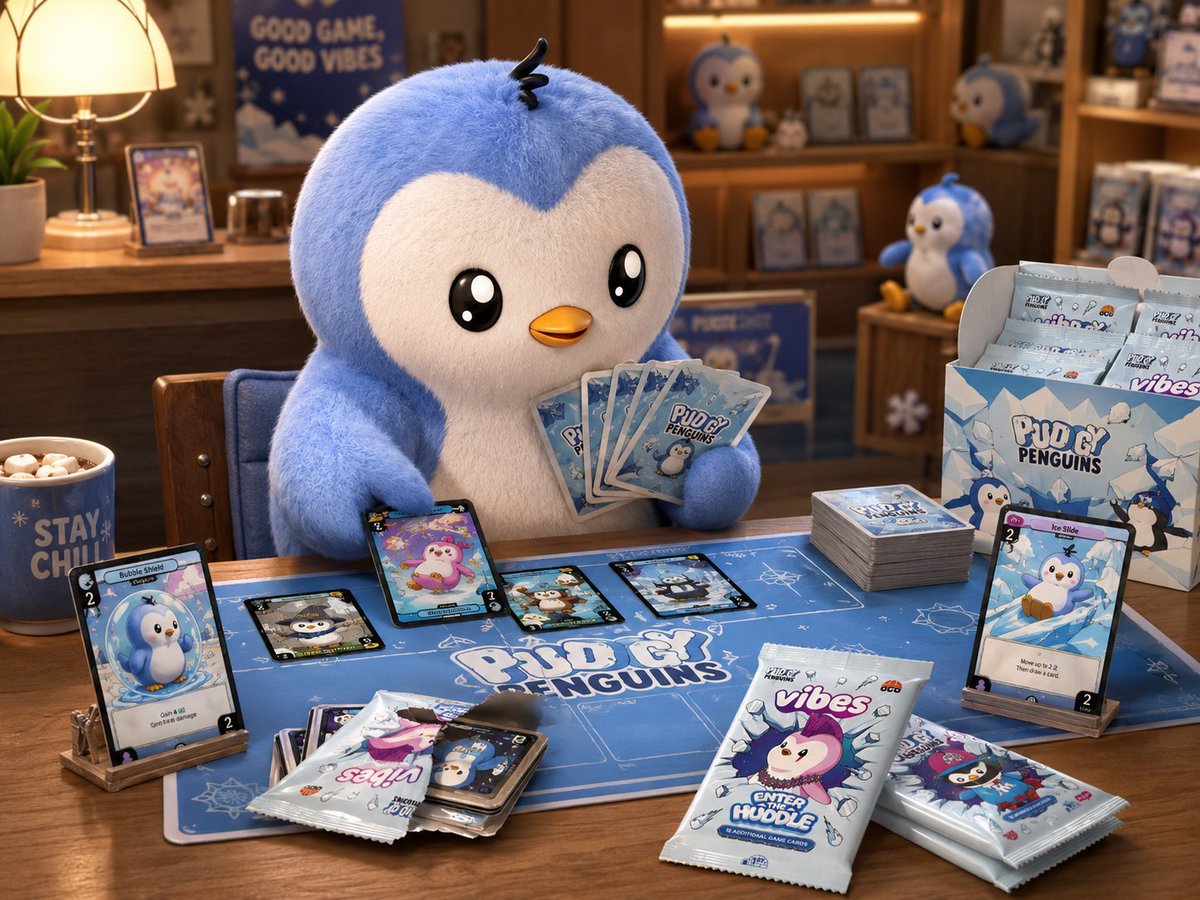
Use the detailed character image of the "Little Penguin" as the reference; strictly adhere to its appearance, clothing details, facial expressions, height, and physique.
【Overall Style】
Cinematic, realistic *wuxia* (martial arts) style. The character must look completely realistic—akin to live-action film footage—avoiding any illustration, cartoon, animation, or game-CG aesthetics. The overall vibe should resemble a highlight reel of "Drunken Fist" action from a high-quality Hong Kong martial arts movie. The visuals should evoke the atmosphere of old Hong Kong cinema—streets from the Republican era and a nighttime brawl in a tavern—featuring warm lighting, dust/haze, and a gritty *jianghu* (martial arts world) feel.
【Protagonist Profile】
The protagonist is a "Little Penguin" (based on the reference image). Core movements include: swaying, dodging, stumbling, tumbling, leaning, ramming, sweeping, and counter-attacking. Maintain consistency in the protagonist's face, clothing, and physique throughout the sequence.
【Supporting Character Profile】
The enemies are thugs with bear heads and human bodies.
【Core Action】
This is a "Drunken Fist" highlight sequence, not standard stationary punching. The action must demonstrate:
- Seeming imbalance that is actually precise
- Hidden power within relaxation; order amidst apparent chaos
- A cycle of: drunken state → explosive action → return to drunken state
- Distinct environmental interaction
- Unique highlights in every shot
- Impact feedback (no empty swings)
【Camera and Content Design】
Shot 1 (approx. 1.0 sec)
Medium-long shot; full-body view.
The protagonist stands on the flagstone ground outside a tavern, swaying as if about to lose balance, holding a wine jug or steadying himself against a table corner with one hand. Enemies slowly close in from both sides. Low camera angle with a slight zoom-in. Establish the "drunken state" first.
Shot 2 (approx. 0.9 sec)
Close-up / Extreme close-up.
The protagonist tilts his head back to drink; wine trickles down the corner of his mouth, and his expression shows a relaxed, drunken air. The camera stays tight on the face and jug, highlighting the liquid, the act of swallowing, and the character's expression. The shot should convey a sense of intensity and be memorable.
Shot 3 (approx. 1.0 sec)
Medium shot; slight lateral movement.
An enemy suddenly throws a punch; the protagonist leans sharply to the side as if stumbling, narrowly dodging the blow through a "feigned loss of balance." The movement appears ungainly but is actually highly precise; the tabletop, wine bowls, and the protagonist's clothing shift in sync with the action.
Shot 4 (approx. 1.0 sec)
Medium close-up, quick cut-in.
The protagonist’s body remains off-balance, yet he suddenly strikes out with a backhanded palm—a movement that is sharp, ruthless, and accurate. As the palm strikes, slight compression ripples appear in the air or dust ahead, and the opponent’s face and upper body are violently knocked sideways. This marks the first major impact point.
Shot 5 (approx. 1.0 sec)
Medium full-body shot, lateral tracking.
The protagonist steadies himself against the edge of the wooden table, using the leverage to flip or slide sideways, thereby dodging a second enemy's attack. The table and wine bowls rattle, the wine sloshes, and the bench shifts. The movement—blending a sense of imbalance with the use of momentum—perfectly captures the style of Drunken Fist.
Shot 6 (approx. 1.0 sec)
Medium close-up, tight-quarters perspective.
The protagonist closes in on the enemy, delivering a sharp elbow strike or shoulder ram; the force is generated over a short distance but lands with heavy impact. The enemy is knocked back; a wine pot or bowl behind them flies into the air, and wine sprays outward. This shot emphasizes close-range explosive power and environmental interaction.
Shot 7 (approx. 1.0 sec)
Low-angle full-body shot, close to the ground.
The protagonist drops his body low—as if collapsing into a seated position—and executes a sweeping low kick. As his foot skims the flagstones, it kicks up dust, spilled wine, and debris, destabilizing the enemy's stance. This shot creates a distinct contrast with the previous ones, offering a dramatic shift in perspective.
Shot 8 (approx. 0.9 sec)
Subjective shot / Enemy POV.
A fist flies straight toward the camera; the protagonist sways his head and upper body to the extreme limit—like a drunkard—letting the fist graze his face. The rush of the punch stirs his hair and collar; the framing is tight, conveying a sense of immediate danger and oppressive force.
Shot 9 (approx. 1.0 sec)
Dynamic full-body shot.
The protagonist is half-reclined, propping himself up as if he has taken a clumsy fall, when he suddenly lashes out with a kick that strikes the enemy or overturns a wine jar. The jar rolls, wine spills, and the opponent is tripped up and thrown off balance. This shot highlights the signature "striking while stumbling" style of Drunken Fist.
Shot 10 (approx. 1.1 sec)
Dynamic medium shot; slight push-in + lateral tracking.
The protagonist weaves through several enemies, executing a rapid succession of slaps, smashes, elbow strikes, and body checks with fluid, unpredictable movements. Slight motion trails or motion blur are acceptable, but the action must remain realistic and clear. Enemies are thrown off balance, knocked back, and have their formation disrupted one by one. This is a high-intensity, continuous action sequence.
Shot 11 (approx. 1.2 sec)
Medium-close shot or medium-full shot; low-angle, slight upward tilt.
Emerging from an exaggerated, drunken twisting posture, the protagonist suddenly unleashes the film's most powerful punch. As the fist flies, visible compression ripples appear in the air; the force of the punch blasts away smoke, dust, and alcohol fumes. The opponent is sent flying, smashing through a wooden railing or overturning a bench. This is the film's ultimate climax and most memorable moment; it must convey immense power and impact.
Shot 12 (approx. 1.2–1.5 sec)
Medium shot / Medium-close shot; slow push-in followed by a hold.
After the final strike, the protagonist’s body sways back into a drunken stance. He casually steadies himself against a wine jar or table corner, holding a flagon in one hand as if nothing happened. Wine drips, dust slowly settles, and the enemies lie on the ground. The protagonist’s expression relaxes, creating a contrasting conclusion where he reverts to his drunken state after the fight.
[Shot Requirements]
The shots must feature distinct variations; the sequence cannot simply consist of consecutive medium shots of standard punching.
Must include:
- Medium-long shot to establish the space
- Close-ups and extreme close-ups to highlight facial expressions and the wine
- Lateral tracking shot to show using momentum while flipping/turning
- Low-angle shot to capture a sweeping kick
- POV shot to show a close-range dodge
- Dynamic camera movement to capture swaying, rapid-fire strikes
- Low-angle climax shot to capture the heavy punch blasting through the dust
- Slow, controlled ending to create a lingering impression
[Action Requirements]
The movements must resemble those of a genuine Drunken Fist master, not just random, chaotic flailing. Core Characteristics:
- Appears drunk but is actually rock-steady
- Evasive maneuvers are unorthodox yet logical
- Strikes are short, sudden, and precise
- Movement conveys the ability to fight effectively even while tumbling or rolling
- Seamless integration of environmental props with combat actions
- Enemies must show clear reactions to hits; avoid static "dummy" behavior
[Visual Effect Requirements]
Incorporate subtle effects—such as air ripples, dust/smoke disturbances, shimmering alcohol fumes, splashing liquid, and flying debris—to enhance visual impact while maintaining realism.
Avoid exaggerated magical effects, energy spheres, or fantasy-style chi blasts.
Emphasize the following visual highlights:
- Alcohol trickling down the corner of the mouth
- Air ripples generated by a backhanded palm strike
- Tableware rattling when vaulting off the table
- A wine bowl sent flying by a close-range elbow strike
- Dust and spilled alcohol kicked up by a low sweep kick
- Dust and smoke blasted away—and the opponent sent flying—by the final punch
@jyp_nft@pudgypenguinsCN@pudgypenguins thx! If you have any Pudgy-related ideas, feel free to share them in the comments. I’ll try my best to bring them to life.
【OVERALL STYLE】
Hyper-realistic digital CG style, cinematic quality, Unreal Engine 5 rendering aesthetics, ultra-high resolution, minimalist high-contrast composition, clean negative-space design. The overall color palette is dominated by black, white, and gray, with subtle accents of Pudgy Penguin’s light blue, white, and orange-yellow body colors, creating extremely strong visual recognition. The character should retain a rounded, adorable, collectible-grade 3D figurine quality, with delicate and realistic plush feather details. Clothing and props should feature premium, highly realistic material rendering. The overall visual language blends “Eastern calligraphy aesthetics + minimalist contemporary art space + cinematic action performance.” The entire sequence is presented as one continuous single take, with no cuts.
【ENVIRONMENT & ATMOSPHERE】
The scene takes place inside a minimalist pure-white art exhibition hall / white gallery space. The background is clean, empty, quiet, and spacious, with almost no impurities on the floor or walls, resembling a massive blank sheet of rice paper. There are no unnecessary decorations in the space, only cool white gallery lighting focused on the character and localized high-contrast shadows. As the character swings the calligraphy brush, black ink bursts, spreads, and suspends in the pure white space. The deep ink black clashes dramatically with the bright white background, creating a highly modern, restrained, sacred visual atmosphere filled with Eastern artistic mood.
【CORE CINEMATOGRAPHY: HIGH-SPEED TRACKING + SLOW-MOTION CALLIGRAPHY】
Immersive cinematic action cinematography. The camera language combines slow-motion sweeping movements, dynamic tracking shots, close-body orbiting shots, and brushstroke trajectory tracking, creating a fast-moving visual style focused on “artistic action performance.” The camera closely follows the oversized calligraphy brush in Pudgy Penguin’s hands. During every spin, brush swing, ink slash, and pause, it captures the brush tip trajectory, ink flow, changes in the character’s body weight, and the spatial cutting sensation created by the brush. The visuals should maintain cinematic motion blur, subtle realistic lens breathing, stabilized drifting movement, ultra-clear detail, and fluid particle simulation, making every ink stroke feel as if it is being sculpted live in midair.
【SHOT FLOW: ONE CONTINUOUS SINGLE TAKE】
Opening Movement:
The camera begins with an empty shot of the pure-white exhibition hall, slowly pushing forward. The entire space is white, silent, and vast, with the floor and background almost merging into one continuous surface, as if standing inside an endless sheet of blank white rice paper. At the center of the frame, Pudgy Penguin stands quietly, wearing a traditional black samurai-calligrapher kimono, a dark obi belt, wooden geta sandals, and a small ink pouch on its back, while holding an oversized Japanese calligraphy brush. Its body is rounded, its feathers are soft, its blue-and-white color palette is clean and gentle, and the small black curl on top of its head is highly recognizable. The camera first pushes in slowly to establish the full character silhouette, emphasizing its stillness and calm, grounded presence.
Character Reveal:
The camera slowly moves around to the character’s 3/4 frontal angle, capturing the layered folds of the black kimono, the drape of the hakama, the waist accessories, the woven fabric textures, and the details of the giant brush’s wooden handle and bristles. The character slightly lowers its shoulders, holds the brush with both hands, and enters a poised, energy-gathering stance. Its eyes are focused and calm. At this moment, only the character and the brush remain in the white space, like an Eastern ink arts practitioner about to open a path with the first stroke. The camera gently rises, then presses downward toward the brush tip, building tension for the upcoming action.
Mid-Sequence Calligraphy Action:
Pudgy Penguin suddenly bursts into motion and spins, swinging the giant brush through the air to create the first thick, smooth, dimensional black sumi-e ink stroke. The camera immediately follows tightly along the brush tip at high speed. The ink is not a flat texture, but a three-dimensional ink trail with weight, viscosity, and fluid volume, like a black sculpture suspended in midair. The character continues with sweeping horizontal strokes, upward flicks, spinning motions, and diagonal slashes. Black ink trails layer over one another, spiraling and extending through the pure-white space. The camera sometimes tracks the brush tip from the side, sometimes circles to the front of the character to capture the movement of the kimono hem and sleeves during each turn, and sometimes quickly pushes into close-up shots to reveal the details of the ink churning, scattering, and solidifying in the air.
Ink Transforms into Living Beasts:
As the character performs a more powerful brushstroke, the thick ink begins to violently churn and gather in midair, gradually taking the form of a ferocious, hyper-realistic black-ink tiger. The tiger is not a flesh-and-blood creature, but a being formed from dense ink, splattered ink dots, fluid edges, and calligraphic brush energy. It resembles both an ink-wash divine beast and a realistic predator with convincing skeletal mass and pouncing force. The camera rapidly sweeps around the tiger, then follows another column of ink surging upward. Two even larger currents of ink erupt from both sides of the character, spiraling and condensing in the air into twin massive Chinese dragons. The twin dragons are formed from rushing ink strokes. Their heads, horns, whiskers, and scales are all built from varying densities of calligraphic brushwork and particle ink mist, appearing majestic, grand, and fluid. They spiral upward around Pudgy Penguin, as if summoned into existence by the force of its brush.
Climactic Performance:
The camera begins rushing at high speed between the character, the tiger, and the twin dragons. Pudgy Penguin remains at the center of the frame, its stable stance and soft, rounded, adorable body creating a striking contrast: although it looks cute and plush, its calm yet powerful brush movements control these enormous ink spirits. The camera shoots from a low angle to emphasize the overwhelming pressure of the twin dragons twisting through the pure-white space. It then glides close to the ground toward the front, capturing the moment when the tiger scatters into ink and then condenses again with a roar-like burst of energy. The camera then returns to the character’s side, tracking it as it performs a large turning horizontal sweep. The brush tip carves an extremely long black arc through the air, igniting the entire white space with calligraphic force. In slow motion, ink droplets, brush fibers, kimono movement, plush feather details, and flying particles are all captured with crystal-clear precision, creating a powerful, high-contrast action aesthetic.
Final Resolution:
After the final calm and grounded brushstroke, Pudgy Penguin gently holds the giant brush still, returning from movement to stillness. The circling twin dragons and tiger do not disappear immediately. Instead, they slowly rotate around the character in midair, then gradually transform back into floating, flowing calligraphic ink trails, as if an Eastern ink ritual has briefly descended into the space and then faded away. The camera slowly pulls back and rises, revealing the full environment once again: at the center of the pure-white gallery, the black-robed Pudgy Penguin stands quietly among the ink marks. Around it float three-dimensional ink trails, remnants of the tiger silhouette, and traces of the twin dragons, as if it is standing at the center of a mythological world written by its own brush. The final frame holds on a minimalist, solemn, heroic tableau filled with Eastern divinity and contemporary art sensibility, completing the entire sequence as a seamless one-shot performance.
【SOUND DESIGN & ATMOSPHERE】
The overall sound design should be minimalist, restrained, and cinematic. The opening begins with the spacious ambient sound of an empty exhibition hall and a very subtle low-frequency atmosphere, creating a quiet, sacred feeling of negative space. When the character swings the brush, add fabric friction, the whoosh of the wooden brush handle cutting through air, the sound of the brush tip slicing through space, and the wet fluid sound of thick ink being flung outward. When the ink transforms into the tiger and twin dragons, add deep rumbles, churning ink sounds, rushing airflow from the circling dragon forms, and low-frequency impacts with an Eastern epic feeling. The overall score should combine Zen-like calm, pressure, and ritual intensity, creating a strong auditory contrast between the “quiet, adorable character” and the “massive ink divine beasts.”
【IMAGE QUALITY REQUIREMENTS】
8K ultra-high definition, cinematic color grading, Unreal Engine 5 realism, photorealistic 3D CGI, ultra-sharp details, realistic plush feather material, realistic kimono fabric texture, realistic wooden brush handle and natural brush bristles, three-dimensional black ink fluid simulation, fluid particle simulation, volumetric ink trails, minimalist studio lighting, high-contrast black-and-white space, slow-motion cinematography, dynamic tracking shots, strong detail expression, collectible-grade character modeling, clean background, extremely strong visual recognition, art-installation-level image completion.
【NEGATIVE PROMPT】
Low resolution, blurry image quality, stuttering, frame skipping, cheap visual effects, low-quality cartoon look, overly strong plastic toy texture, unbalanced character proportions, misplaced facial features, missing head curl, unclear penguin identity, incorrect kimono structure, missing geta sandals, incorrect brush proportions, distorted brush bristles, flat ink strokes, ink without volume, chaotic tiger and twin dragon designs, Western dragons instead of Chinese dragons, cluttered background, non-minimalist white space, dirty lighting, overly saturated colors, overexposure, watermark, logo, subtitles, broken camera continuity, visible editing, flickering image, low-quality particle effects, low-quality fabric texture, low-quality plush details.


![0x_Chasing's tweet photo. Use the detailed character image of the "Little Penguin" as the reference; strictly adhere to its appearance, clothing details, facial expressions, height, and physique.
【Overall Style】
Cinematic, realistic *wuxia* (martial arts) style. The character must look completely realistic—akin to live-action film footage—avoiding any illustration, cartoon, animation, or game-CG aesthetics. The overall vibe should resemble a highlight reel of "Drunken Fist" action from a high-quality Hong Kong martial arts movie. The visuals should evoke the atmosphere of old Hong Kong cinema—streets from the Republican era and a nighttime brawl in a tavern—featuring warm lighting, dust/haze, and a gritty *jianghu* (martial arts world) feel.
【Protagonist Profile】
The protagonist is a "Little Penguin" (based on the reference image). Core movements include: swaying, dodging, stumbling, tumbling, leaning, ramming, sweeping, and counter-attacking. Maintain consistency in the protagonist's face, clothing, and physique throughout the sequence.
【Supporting Character Profile】
The enemies are thugs with bear heads and human bodies.
【Core Action】
This is a "Drunken Fist" highlight sequence, not standard stationary punching. The action must demonstrate:
- Seeming imbalance that is actually precise
- Hidden power within relaxation; order amidst apparent chaos
- A cycle of: drunken state → explosive action → return to drunken state
- Distinct environmental interaction
- Unique highlights in every shot
- Impact feedback (no empty swings)
【Camera and Content Design】
Shot 1 (approx. 1.0 sec)
Medium-long shot; full-body view.
The protagonist stands on the flagstone ground outside a tavern, swaying as if about to lose balance, holding a wine jug or steadying himself against a table corner with one hand. Enemies slowly close in from both sides. Low camera angle with a slight zoom-in. Establish the "drunken state" first.
Shot 2 (approx. 0.9 sec)
Close-up / Extreme close-up.
The protagonist tilts his head back to drink; wine trickles down the corner of his mouth, and his expression shows a relaxed, drunken air. The camera stays tight on the face and jug, highlighting the liquid, the act of swallowing, and the character's expression. The shot should convey a sense of intensity and be memorable.
Shot 3 (approx. 1.0 sec)
Medium shot; slight lateral movement.
An enemy suddenly throws a punch; the protagonist leans sharply to the side as if stumbling, narrowly dodging the blow through a "feigned loss of balance." The movement appears ungainly but is actually highly precise; the tabletop, wine bowls, and the protagonist's clothing shift in sync with the action.
Shot 4 (approx. 1.0 sec)
Medium close-up, quick cut-in.
The protagonist’s body remains off-balance, yet he suddenly strikes out with a backhanded palm—a movement that is sharp, ruthless, and accurate. As the palm strikes, slight compression ripples appear in the air or dust ahead, and the opponent’s face and upper body are violently knocked sideways. This marks the first major impact point.
Shot 5 (approx. 1.0 sec)
Medium full-body shot, lateral tracking.
The protagonist steadies himself against the edge of the wooden table, using the leverage to flip or slide sideways, thereby dodging a second enemy's attack. The table and wine bowls rattle, the wine sloshes, and the bench shifts. The movement—blending a sense of imbalance with the use of momentum—perfectly captures the style of Drunken Fist.
Shot 6 (approx. 1.0 sec)
Medium close-up, tight-quarters perspective.
The protagonist closes in on the enemy, delivering a sharp elbow strike or shoulder ram; the force is generated over a short distance but lands with heavy impact. The enemy is knocked back; a wine pot or bowl behind them flies into the air, and wine sprays outward. This shot emphasizes close-range explosive power and environmental interaction.
Shot 7 (approx. 1.0 sec)
Low-angle full-body shot, close to the ground.
The protagonist drops his body low—as if collapsing into a seated position—and executes a sweeping low kick. As his foot skims the flagstones, it kicks up dust, spilled wine, and debris, destabilizing the enemy's stance. This shot creates a distinct contrast with the previous ones, offering a dramatic shift in perspective.
Shot 8 (approx. 0.9 sec)
Subjective shot / Enemy POV.
A fist flies straight toward the camera; the protagonist sways his head and upper body to the extreme limit—like a drunkard—letting the fist graze his face. The rush of the punch stirs his hair and collar; the framing is tight, conveying a sense of immediate danger and oppressive force.
Shot 9 (approx. 1.0 sec)
Dynamic full-body shot.
The protagonist is half-reclined, propping himself up as if he has taken a clumsy fall, when he suddenly lashes out with a kick that strikes the enemy or overturns a wine jar. The jar rolls, wine spills, and the opponent is tripped up and thrown off balance. This shot highlights the signature "striking while stumbling" style of Drunken Fist.
Shot 10 (approx. 1.1 sec)
Dynamic medium shot; slight push-in + lateral tracking.
The protagonist weaves through several enemies, executing a rapid succession of slaps, smashes, elbow strikes, and body checks with fluid, unpredictable movements. Slight motion trails or motion blur are acceptable, but the action must remain realistic and clear. Enemies are thrown off balance, knocked back, and have their formation disrupted one by one. This is a high-intensity, continuous action sequence.
Shot 11 (approx. 1.2 sec)
Medium-close shot or medium-full shot; low-angle, slight upward tilt.
Emerging from an exaggerated, drunken twisting posture, the protagonist suddenly unleashes the film's most powerful punch. As the fist flies, visible compression ripples appear in the air; the force of the punch blasts away smoke, dust, and alcohol fumes. The opponent is sent flying, smashing through a wooden railing or overturning a bench. This is the film's ultimate climax and most memorable moment; it must convey immense power and impact.
Shot 12 (approx. 1.2–1.5 sec)
Medium shot / Medium-close shot; slow push-in followed by a hold.
After the final strike, the protagonist’s body sways back into a drunken stance. He casually steadies himself against a wine jar or table corner, holding a flagon in one hand as if nothing happened. Wine drips, dust slowly settles, and the enemies lie on the ground. The protagonist’s expression relaxes, creating a contrasting conclusion where he reverts to his drunken state after the fight.
[Shot Requirements]
The shots must feature distinct variations; the sequence cannot simply consist of consecutive medium shots of standard punching.
Must include:
- Medium-long shot to establish the space
- Close-ups and extreme close-ups to highlight facial expressions and the wine
- Lateral tracking shot to show using momentum while flipping/turning
- Low-angle shot to capture a sweeping kick
- POV shot to show a close-range dodge
- Dynamic camera movement to capture swaying, rapid-fire strikes
- Low-angle climax shot to capture the heavy punch blasting through the dust
- Slow, controlled ending to create a lingering impression
[Action Requirements]
The movements must resemble those of a genuine Drunken Fist master, not just random, chaotic flailing. Core Characteristics:
- Appears drunk but is actually rock-steady
- Evasive maneuvers are unorthodox yet logical
- Strikes are short, sudden, and precise
- Movement conveys the ability to fight effectively even while tumbling or rolling
- Seamless integration of environmental props with combat actions
- Enemies must show clear reactions to hits; avoid static "dummy" behavior
[Visual Effect Requirements]
Incorporate subtle effects—such as air ripples, dust/smoke disturbances, shimmering alcohol fumes, splashing liquid, and flying debris—to enhance visual impact while maintaining realism.
Avoid exaggerated magical effects, energy spheres, or fantasy-style chi blasts.
Emphasize the following visual highlights:
- Alcohol trickling down the corner of the mouth
- Air ripples generated by a backhanded palm strike
- Tableware rattling when vaulting off the table
- A wine bowl sent flying by a close-range elbow strike
- Dust and spilled alcohol kicked up by a low sweep kick
- Dust and smoke blasted away—and the opponent sent flying—by the final punch](https://pbs.twimg.com/media/HLqg3C7bAAAXGhz.png)





![0x_Chasing's tweet photo. Use the detailed character image of the "Little Penguin" as the reference; strictly adhere to its appearance, clothing details, facial expressions, height, and physique.
【Overall Style】
Cinematic, realistic *wuxia* (martial arts) style. The character must look completely realistic—akin to live-action film footage—avoiding any illustration, cartoon, animation, or game-CG aesthetics. The overall vibe should resemble a highlight reel of "Drunken Fist" action from a high-quality Hong Kong martial arts movie. The visuals should evoke the atmosphere of old Hong Kong cinema—streets from the Republican era and a nighttime brawl in a tavern—featuring warm lighting, dust/haze, and a gritty *jianghu* (martial arts world) feel.
【Protagonist Profile】
The protagonist is a "Little Penguin" (based on the reference image). Core movements include: swaying, dodging, stumbling, tumbling, leaning, ramming, sweeping, and counter-attacking. Maintain consistency in the protagonist's face, clothing, and physique throughout the sequence.
【Supporting Character Profile】
The enemies are thugs with bear heads and human bodies.
【Core Action】
This is a "Drunken Fist" highlight sequence, not standard stationary punching. The action must demonstrate:
- Seeming imbalance that is actually precise
- Hidden power within relaxation; order amidst apparent chaos
- A cycle of: drunken state → explosive action → return to drunken state
- Distinct environmental interaction
- Unique highlights in every shot
- Impact feedback (no empty swings)
【Camera and Content Design】
Shot 1 (approx. 1.0 sec)
Medium-long shot; full-body view.
The protagonist stands on the flagstone ground outside a tavern, swaying as if about to lose balance, holding a wine jug or steadying himself against a table corner with one hand. Enemies slowly close in from both sides. Low camera angle with a slight zoom-in. Establish the "drunken state" first.
Shot 2 (approx. 0.9 sec)
Close-up / Extreme close-up.
The protagonist tilts his head back to drink; wine trickles down the corner of his mouth, and his expression shows a relaxed, drunken air. The camera stays tight on the face and jug, highlighting the liquid, the act of swallowing, and the character's expression. The shot should convey a sense of intensity and be memorable.
Shot 3 (approx. 1.0 sec)
Medium shot; slight lateral movement.
An enemy suddenly throws a punch; the protagonist leans sharply to the side as if stumbling, narrowly dodging the blow through a "feigned loss of balance." The movement appears ungainly but is actually highly precise; the tabletop, wine bowls, and the protagonist's clothing shift in sync with the action.
Shot 4 (approx. 1.0 sec)
Medium close-up, quick cut-in.
The protagonist’s body remains off-balance, yet he suddenly strikes out with a backhanded palm—a movement that is sharp, ruthless, and accurate. As the palm strikes, slight compression ripples appear in the air or dust ahead, and the opponent’s face and upper body are violently knocked sideways. This marks the first major impact point.
Shot 5 (approx. 1.0 sec)
Medium full-body shot, lateral tracking.
The protagonist steadies himself against the edge of the wooden table, using the leverage to flip or slide sideways, thereby dodging a second enemy's attack. The table and wine bowls rattle, the wine sloshes, and the bench shifts. The movement—blending a sense of imbalance with the use of momentum—perfectly captures the style of Drunken Fist.
Shot 6 (approx. 1.0 sec)
Medium close-up, tight-quarters perspective.
The protagonist closes in on the enemy, delivering a sharp elbow strike or shoulder ram; the force is generated over a short distance but lands with heavy impact. The enemy is knocked back; a wine pot or bowl behind them flies into the air, and wine sprays outward. This shot emphasizes close-range explosive power and environmental interaction.
Shot 7 (approx. 1.0 sec)
Low-angle full-body shot, close to the ground.
The protagonist drops his body low—as if collapsing into a seated position—and executes a sweeping low kick. As his foot skims the flagstones, it kicks up dust, spilled wine, and debris, destabilizing the enemy's stance. This shot creates a distinct contrast with the previous ones, offering a dramatic shift in perspective.
Shot 8 (approx. 0.9 sec)
Subjective shot / Enemy POV.
A fist flies straight toward the camera; the protagonist sways his head and upper body to the extreme limit—like a drunkard—letting the fist graze his face. The rush of the punch stirs his hair and collar; the framing is tight, conveying a sense of immediate danger and oppressive force.
Shot 9 (approx. 1.0 sec)
Dynamic full-body shot.
The protagonist is half-reclined, propping himself up as if he has taken a clumsy fall, when he suddenly lashes out with a kick that strikes the enemy or overturns a wine jar. The jar rolls, wine spills, and the opponent is tripped up and thrown off balance. This shot highlights the signature "striking while stumbling" style of Drunken Fist.
Shot 10 (approx. 1.1 sec)
Dynamic medium shot; slight push-in + lateral tracking.
The protagonist weaves through several enemies, executing a rapid succession of slaps, smashes, elbow strikes, and body checks with fluid, unpredictable movements. Slight motion trails or motion blur are acceptable, but the action must remain realistic and clear. Enemies are thrown off balance, knocked back, and have their formation disrupted one by one. This is a high-intensity, continuous action sequence.
Shot 11 (approx. 1.2 sec)
Medium-close shot or medium-full shot; low-angle, slight upward tilt.
Emerging from an exaggerated, drunken twisting posture, the protagonist suddenly unleashes the film's most powerful punch. As the fist flies, visible compression ripples appear in the air; the force of the punch blasts away smoke, dust, and alcohol fumes. The opponent is sent flying, smashing through a wooden railing or overturning a bench. This is the film's ultimate climax and most memorable moment; it must convey immense power and impact.
Shot 12 (approx. 1.2–1.5 sec)
Medium shot / Medium-close shot; slow push-in followed by a hold.
After the final strike, the protagonist’s body sways back into a drunken stance. He casually steadies himself against a wine jar or table corner, holding a flagon in one hand as if nothing happened. Wine drips, dust slowly settles, and the enemies lie on the ground. The protagonist’s expression relaxes, creating a contrasting conclusion where he reverts to his drunken state after the fight.
[Shot Requirements]
The shots must feature distinct variations; the sequence cannot simply consist of consecutive medium shots of standard punching.
Must include:
- Medium-long shot to establish the space
- Close-ups and extreme close-ups to highlight facial expressions and the wine
- Lateral tracking shot to show using momentum while flipping/turning
- Low-angle shot to capture a sweeping kick
- POV shot to show a close-range dodge
- Dynamic camera movement to capture swaying, rapid-fire strikes
- Low-angle climax shot to capture the heavy punch blasting through the dust
- Slow, controlled ending to create a lingering impression
[Action Requirements]
The movements must resemble those of a genuine Drunken Fist master, not just random, chaotic flailing. Core Characteristics:
- Appears drunk but is actually rock-steady
- Evasive maneuvers are unorthodox yet logical
- Strikes are short, sudden, and precise
- Movement conveys the ability to fight effectively even while tumbling or rolling
- Seamless integration of environmental props with combat actions
- Enemies must show clear reactions to hits; avoid static "dummy" behavior
[Visual Effect Requirements]
Incorporate subtle effects—such as air ripples, dust/smoke disturbances, shimmering alcohol fumes, splashing liquid, and flying debris—to enhance visual impact while maintaining realism.
Avoid exaggerated magical effects, energy spheres, or fantasy-style chi blasts.
Emphasize the following visual highlights:
- Alcohol trickling down the corner of the mouth
- Air ripples generated by a backhanded palm strike
- Tableware rattling when vaulting off the table
- A wine bowl sent flying by a close-range elbow strike
- Dust and spilled alcohol kicked up by a low sweep kick
- Dust and smoke blasted away—and the opponent sent flying—by the final punch](https://pbs.twimg.com/media/HLqkK4lbsAAy7Rd.jpg)