IPO Supply vs. Demand for @SpaceX
Supply / lockup schedule -
Potential 9% unlock on the second trading day after 2Q26 earnings. That is roughly 2x the IPO float.
Demand / index buying schedule -
T+5: passive/index buying could equal ~7–10% of the float.
Total T+5 to T+15: passive/index demand could equal ~17–25% of the float.
Analysis (done by AI) -
Day 0–15: Thin float + passive buyers + price-insensitive demand likely create a sharp supply-demand squeeze.
Day 15–70: Air pocket. Index buying is mostly done.
Day 70–180: Digestion phase. More shares unlock, but a higher float may also force additional index buying.
Day 366: The 51% unlock is the biggest overhang. Actual selling could be much smaller if Musk does not sell.
Upside kicker: S&P 500 inclusion. If SpaceX becomes eligible after the float expands, S&P inclusion could create a second wave of passive buying.
According to Korean media reports, China’s YMTC is set to re-enter the Korean consumer market after a four-year absence.
*In my view, it’s only a matter of time before Chinese manufacturers begin to significantly erode the consumer memory market share of established players.
https://t.co/hGisZFAaKn
Has $SNDK skyrocketed during the past 12 months and is now trading well above our $1,000 fair value estimate? Yes.
Is the stock a sell? Also, yes. https://t.co/un0ntMjDYW
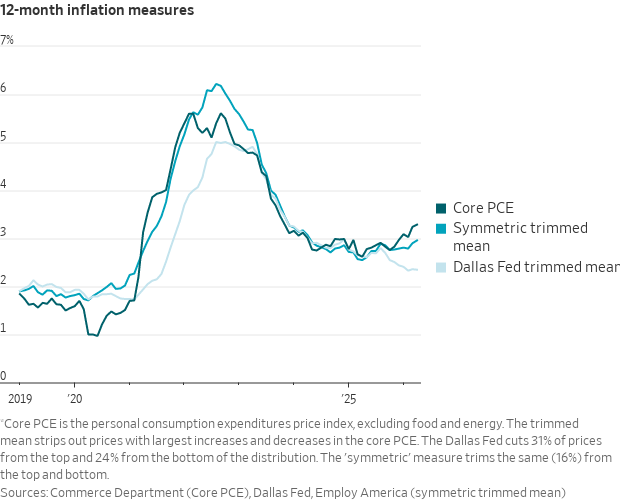
Fed Chairman Kevin Warsh wants to pay more attention to measures of inflation that strip out the most extreme price moves each month.
Several versions exist, all running below core. The most widely cited is the Dallas Fed's, at 2.3% in April (vs. 3.3% for core PCE).
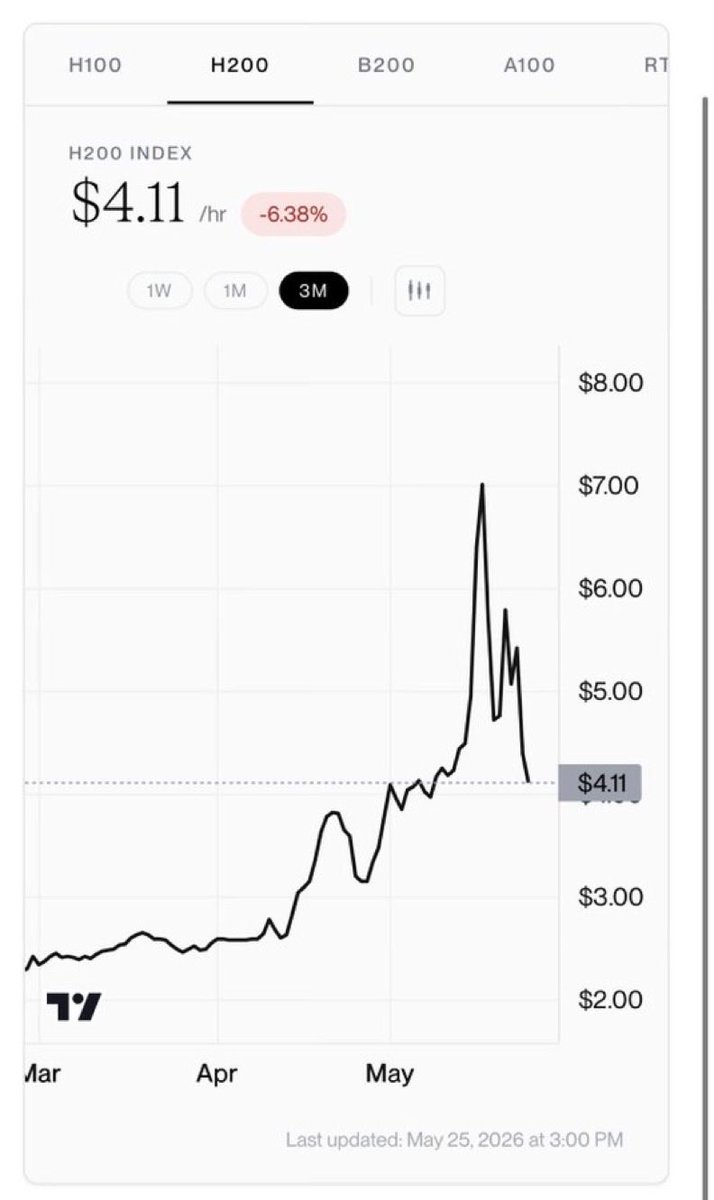
The price to rent an Nvidia H200 just collapsed from $7/hr to $4/hr in three weeks.
A -40% drop in the cost of the single most strategic asset in tech.
When the underlying commodity that powers your entire thesis loses 40% of its value in a month, that usually means one of two things: supply finally caught up, or demand was never as deep as the headlines said.
Either way, somebody is selling.
So why is the AI trade still pricing in scarcity?
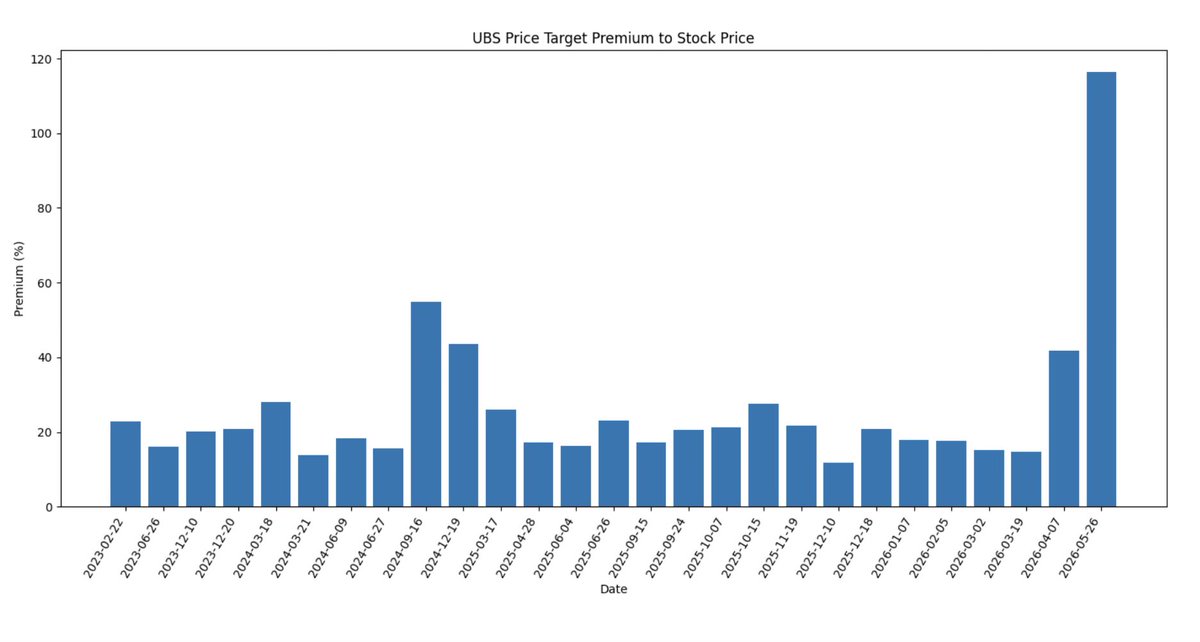
UBS is raising their Micron forecast by 200% at the same time that DeepSeek has proven techniques that dramatically drop KV Cache needs. Exhibit 1.
After years of “20% higher forecasts” they are racing to catch up to price action. Exhibit 2.
Higher competition, higher input costs, algorithmic breakthroughs and long dated liability-style receivables are late-stage shortage indicators leading to early-stage gluts.