Want some bug bounty tips from a former bug bounty triager?
Check this out: https://t.co/OLMeeg8imE
Please support my work too: https://t.co/uVvQdhTrbx
#bugbounty
The karakoa was a formidable warship, renowned for its speed and ferocity, that dominated the seas of the Philippines and Southeast Asia during the pre-colonial era.
This large, outrigger-equipped vessel, also known as caracoa, kora-kora, or kurkoa, could reach lengths of up to 25 meters and was specifically designed for pangangayaw (sea raiding). Its unique features included a raised platform for warriors (burulan) and a synchronized rowing system (daramba) on the outrigger, propelling it with incredible speed. The karakoa's design, with its sharply curved prow and stern, S-shaped outrigger spars, and raised decks, distinguished it from other types of balangay (traditional Filipino boats).
Before embarking on a raid, Visayans performed a ritualistic ceremony called pagdaga, where the prow and keel of the karakoa were smeared with the blood of a captured enemy. Raids were typically conducted in fleets (abay), often preceded by a fast scout ship (dulawan or lampitaw). Ship-to-ship battles (bangga) were common, and warriors on board the karakoa employed a variety of weapons, including swords (like the kalis), metal-tipped spears (bangkaw), and throwing javelins (sugob) made from sharpened bamboo filled with sand. For defense, warriors utilized removable bamboo or nipa panels and personal shields (kalasag). In addition to these traditional weapons, karakoas were often armed with cannons (lantaka) and sometimes larger guns.
Raiding was a highly respected activity in Visayan society, and the exploits of warriors were often permanently recorded in their tattoos, earning them the name pintados ("the painted ones"). The karakoa, with its impressive design, formidable weaponry, and skilled crews, played a pivotal role in the maritime history of the Philippines, shaping the culture and identity of the Visayan people.
#archaeohistories
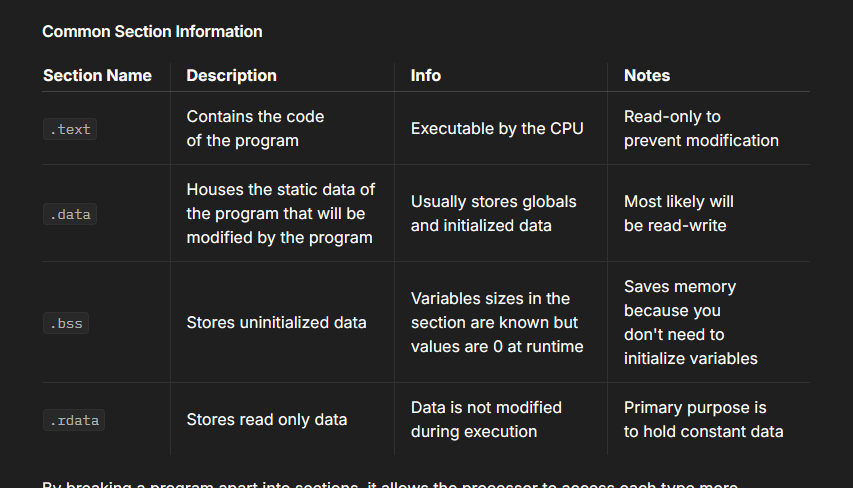
Today we are releasing our FREE: "Introduction to x86 Assembly" educational course!
This FREE course covers registers, the stack, writing code, and compiling that code!
With a detailed breakdown on registers, sections, and the stack this FREE course is perfect!
Links👇
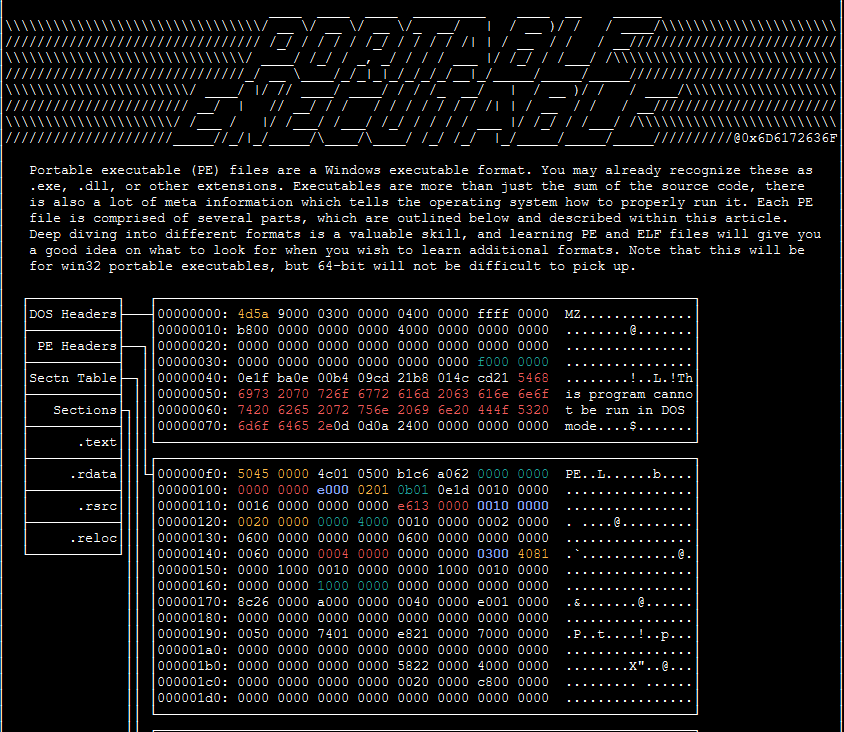
x86re is probably the coolest website online.
Not only does it look awesome, it has AMAZING educational content such as basics of reverse engineering and in-depth information on PE files.
Link below!
GOAD is the coolest way I've seen to setup an Active Directory pentesting lab. Interested in checking it out?
Here's a video I made going over the install process:
https://t.co/TYCTtmPFnE
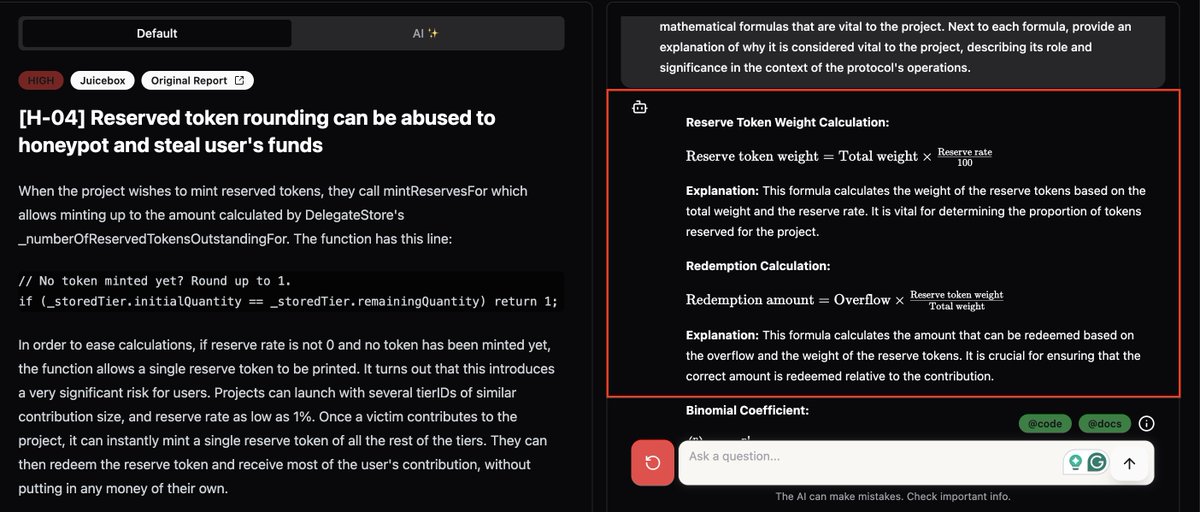
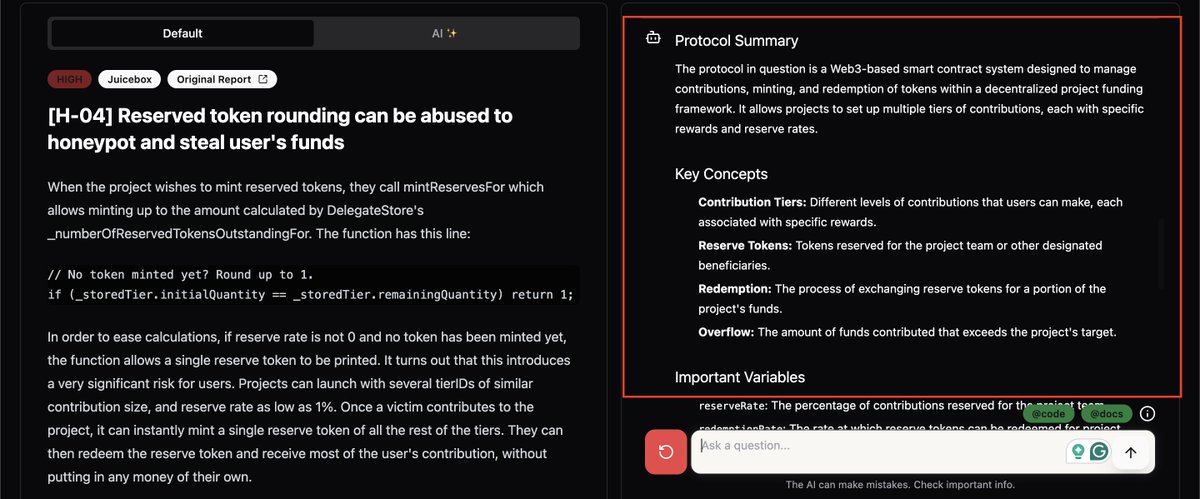
Launching https://t.co/l7T9I4auKG, A smart bug report aggregator that will help you learn web3 security faster than ever.
Auditoor has the following features:
1. Audit report breakdown: It facilitates the breakdown of complex-looking bug reports into layman's terms.
2. Interact with project code/docs: You can interact with the project code to ask any question you have, from "How is the governance power calculated in the project" to "What does the XYZ() function do".
Our tool allows you to chat with three main sources: bug reports, project codebases, and documentation related to the bug, ensuring that the bot's responses are relevant to your query.
With our tool, you can now spend less time learning new complex codebases and just start learning.
Some use-cases:
1. Learning about the calculations performed within the project code and their explanations.
2. Understanding a complex function or feature and how it fits into the protocol.
3. A breakdown of the features provided by the protocol
#bugbountytips #bugbounty
Thanks to everyone who came to my talks at defcon on the Tempest c2. Below are some links to the slides, 1st blog post, and repo. More on the way:
slides: https://t.co/9gbnsAGodH
Tempest c2 intro blog: https://t.co/p3e99Qy2Ab
repo: https://t.co/475LfdVy85