Dave, 28. Berlin. He locked himself in a concrete basement for 9 days with Claude 4.8, barricading the door from the inside.
He didn't shower, popped only caffeine pills, and slept 3 hours a day on the floor next to a screaming server rack.
When he finally smashed the lock and stepped out into the light, he had $142,500 of pure profit sitting on his cold wallet.
While the degen herd draws lines on charts and blows their accounts on futures, Dave is vacuuming liquidity straight out of the technical flaws of decentralized exchanges (DEX).
He hacked the very physics of the blockchain by unleashing the new Claude 4.8 Cowork on it.
He didn't code it himself. He spun up an autonomous quant fund right in his basement, where AI agents chew through order books instead of human analysts.
RiskFree_Alpha = (Claude_Cowork_Swarm ⊗ Cross_Chain_Router) × Flash_Loan_Inject -> $142,500/mo
Here is how this digital syndicate drains the pools:
* Virtual Hedge Fund (Claude 4.8 Cowork): Dave doesn't guess trends. The new Cowork architecture allows him to spin up a simulation of an entire quant department. The neural network splits into three AI agents: a Math Analyst, a Rust Dev, and a Security Auditor.
They chat 24/7 in a hidden room, finding millisecond price gaps across thousands of pools on Uniswap and Raydium, and code attack smart contracts on the fly.
* Thin Air Credit (Flash Loans): The bot finds a 1.5% spread and in a fraction of a second takes out a "flash loan" on the Aave protocol for $2,000,000. Zero collateral, zero checks. Purely because the Claude agents coded a flawless contract.
* Atomic Meat Grinder (Atomic Execution): The script uses this $2M to buy up the token on DEX A and dumps it on DEX B in the exact same millisecond. All of this happens within a single transaction block. The bot repays the $2M to the lender and routes the $30,000 pure margin spread straight to Dave's wallet.
What's the main exploit?
It is ZERO-risk math. The AI auditor from the Cowork pool verifies the transaction in milliseconds before broadcasting it. If the price manages to shift - the smart contract simply reverts the chain before completion. Dave loses $0.
He physically cannot go into the red. The syndicate of Claude agents executes hundreds of micro-strikes a day, rewriting its own code on the fly to bypass exchange defenses and frontrun competitors.
Retail can keep praying for a Bitcoin pump and hold tokens for years, paying for the whales' banquets.
Or you can set up a node once, deploy an AI swarm, and vacuum money from spreads, forcing other people's millions to work for you.
System prompts to deploy a quant department in Claude 4.8, flash loan contracts, and API bindings are all right here 👇
O CEO do Obsidian criou skills oficiais para o Claude Code e quase ninguém viu ainda.
Seu agente aprende a escrever Markdown correto, gerenciar bases, editar canvas e limpar páginas da web para economizar tokens.
Salva antes de perder e comenta se já usa Obsidian com IA.
i build a polymarket trading bot. took an old abandoned repo, rewrote 90% of it.
name: zostaff
repo: https://t.co/vh6YHpHUqx
mit. python 3.12+. py-clob-client with eip-712 signed orders. usdc.e on polygon.
three strategies in the box: AI Directional (llm via openrouter, any model), Safe Compounder (pure edge math, no llm), Beast Mode (aggressive, kept for comparison). most "ai bots" for polymarket on github are abandoned templates with hardcoded losing strategies.
this one ships with a streamlit dashboard, sqlite telemetry on every trade, fallback chain across llm models, circuit breaker at 15% drawdown, quarter-kelly default, paper trading mode by default - until you flip
LIVE_TRADING_ENABLED=true, nothing goes live. the readme has a section called "Lessons From Live Trading". real numbers from real losses:
three-quarter kelly destroys capital on a 45% win-rate strategy. category discipline beats ai confidence every single time. a 50% drawdown limit isn't a limit. more trades without edge = faster path to zero.
this is not a turnkey bot. nobody on polymarket is selling a turnkey bot that works.
it's a toolkit with three example strategies you fork to fit your own edge.
if you don't have an edge - no llm will save you.
if you do - run paper mode for a week before flipping live.
It has been 3 weeks since I started using OpenClaw and I managed to train it to generate profit
My agent learned how to trade on Polymarket and made me around $300
**Video speed is increased ~10x
How I did it:
1. I chose Claude Opus and Claude Sonnet as the core model
2. I designed several trading strategies and asked the agent to analyze and understand them
3. The agent parsed news, simulated trades, drew conclusions and adjusted tactics
*No real money was used at this stage
It operated purely in simulation mode for more than a week
Btw training the agent was more expensive than I expected
Claude PRO limits were not enough
I had to switch to API usage and pay per token
Total cost >$100
4. After the bot reported readiness we tested two strategies:
- Strategy 1 result around -$150
- Strategy 2 result around +$270
I will keep watching how the agent behaves next
Market the bot is trading
https://t.co/moaVeptiOW
This is not a finished system
But it is already doing something interesting








![0xBlackshark's tweet photo. ไปรัน Depin (Extension) บน vps กัน
ซึ่งข้อดีคือ เราใช้เน็ตของ vps ซึ่งมันจะทำงาน 24 ชม.(ได้แต้ม 24 ชม.) หากไม่โดน block นะ 🤣
ซึ่งเราสามารถทำได้สองวิธีคือ
1. ติดตั้ง Desktop GUI บน vps (กินแรมเยอะ)
2.ติดตั้ง Chromium 👈 เราจะทำอันนี้ ติดตั้งง่าย ใช้ง่าย
ไปกัน
🔹เตรียมความพร้อมเครื่อง
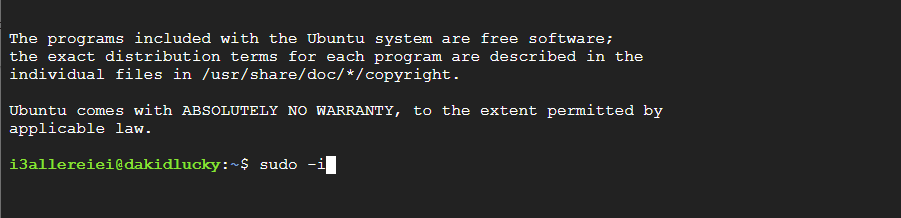
▶️ sudo apt update -y && sudo apt upgrade -y
▶️ sudo apt update
▶️ sudo apt install ca-certificates curl gnupg
▶️ sudo install -m 0755 -d /etc/apt/keyrings
▶️ curl -fsSL https://t.co/MrGmCVa7Aa | sudo gpg --dearmor -o /etc/apt/keyrings/docker.gpg
▶️ sudo chmod a+r /etc/apt/keyrings/docker.gpg
▶️ echo \
"deb [arch="$(dpkg --print-architecture)" signed-by=/etc/apt/keyrings/docker.gpg] https://t.co/edytzujOfM \
"$(. /etc/os-release && echo "$VERSION_CODENAME")" stable" | \
▶️ sudo tee /etc/apt/sources.list.d/docker.list > /dev/null
▶️ sudo apt update -y && sudo apt upgrade -y
▶️ sudo apt-get install docker-ce docker-ce-cli https://t.co/QqPWlFWfyA docker-buildx-plugin docker-compose-plugin
▶️ docker --version
🔹เช็ค Timezone (copy ผลลัพท์ไว้ใช้ภายหลัง)
▶️ realpath --relative-to /usr/share/zoneinfo /etc/localtime
🔹ติดตั้ง Chromium
▶️ mkdir chromium
▶️ cd chromium
🔹สร้างคอนฟิกไฟล์ชื่อ docker-compose.yaml
▶️ nano docker-compose.yaml
🔹แก้คอนฟิก โดย copy ข้อความในด้านล่างนี้ไปใส่
---
services:
chromium:
image: https://t.co/N1CxNfSUud
container_name: chromium
security_opt:
- seccomp:unconfined #optional
environment:
- CUSTOM_USER= #Replace username
- PASSWORD= #Replace password
- PUID=1000
- PGID=1000
- TZ=<✳️เอาค่า time zone ที่เก็บไว้จากการรันมาใส่✳️>
- CHROME_CLI=https://t.co/VhF695kYco
volumes:
- /root/chromium/config:/config
ports:
- 3010:3000 #Change 3010 to your favorite port if needed
- 3011:3001 #Change 3011 to your favorite port if needed
shm_size: "1gb"
restart: unless-stopped
🔹สั่งรัน
▶️ cd $HOME && cd chromium
▶️ docker compose up -d
จากนั้น ให้ลองเข้าเว็บโดยไปที่ http://ip-vps:3010 ได้เลย
แถมคำสั่ง
🔹stop container
▶️ docker stop chromium
🔹ลบ container
▶️ docker rm chromium
🔹เคลียร์ docker
▶️ docker system prune
จบ
✳️ ทั้งนี้ ถึงแม้ว่าเราจะสามารถลง extension ของ depin ต่างๆบน vps ได้ก็ตาม แต่ ip ที่ได้นั้น ก็ยังอยู่ในกลุ่มของ isp อยู่ดี ซึ่งมีความมีความเสี่ยงในการโดน block ได้ครับ (openLedger, Dawn, Bless รอด)
สมัคร
🔹OpenLedger -> https://t.co/VhF695kYco
🔹Dawninternet (ref qa9i0cg6) -> https://t.co/JIYAKFgAj3
🔹Bless (ref 8U0MNB) -> https://t.co/ETsDJU2sM0](https://pbs.twimg.com/media/Ghe0Ar5acAE5Jui.jpg)





