🚨 Accenture data breach allegedly listed for sale
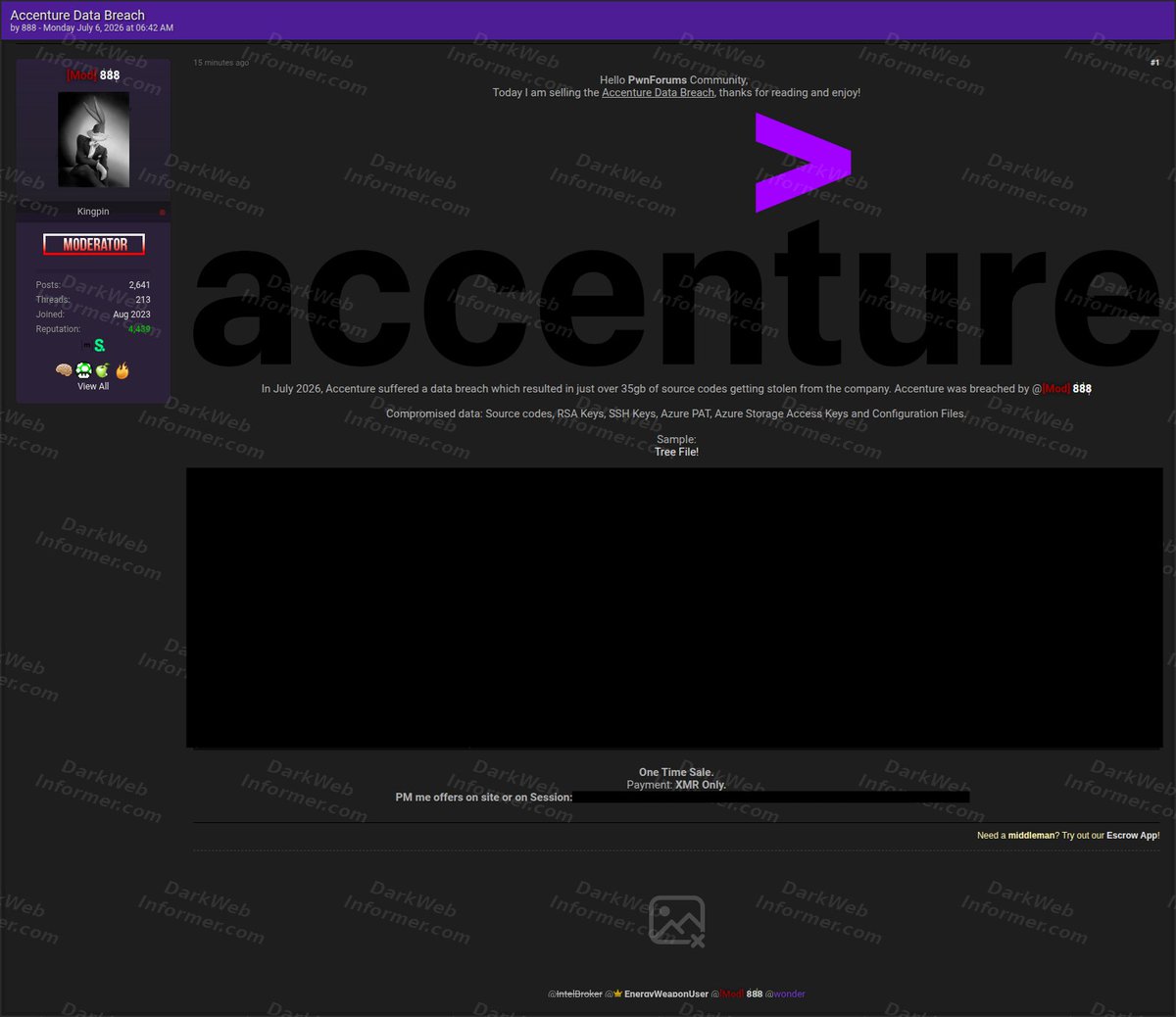
A forum actor claims to be selling data tied to Accenture, alleging that roughly 35GB of company source code was stolen in July 2026.
The listing describes the exposed material as source code, RSA keys, SSH keys, Azure personal access tokens, Azure storage access keys, and configuration files. A visible sample appears to show Azure DevOps repository data and command-line output tied to a private repository.
The actor describes it as a one-time sale and says payment is accepted in XMR only.
This claim is currently unverified.
💥 Get early visibility into underground claims before they turn into headlines: https://t.co/281Qjc6WSh
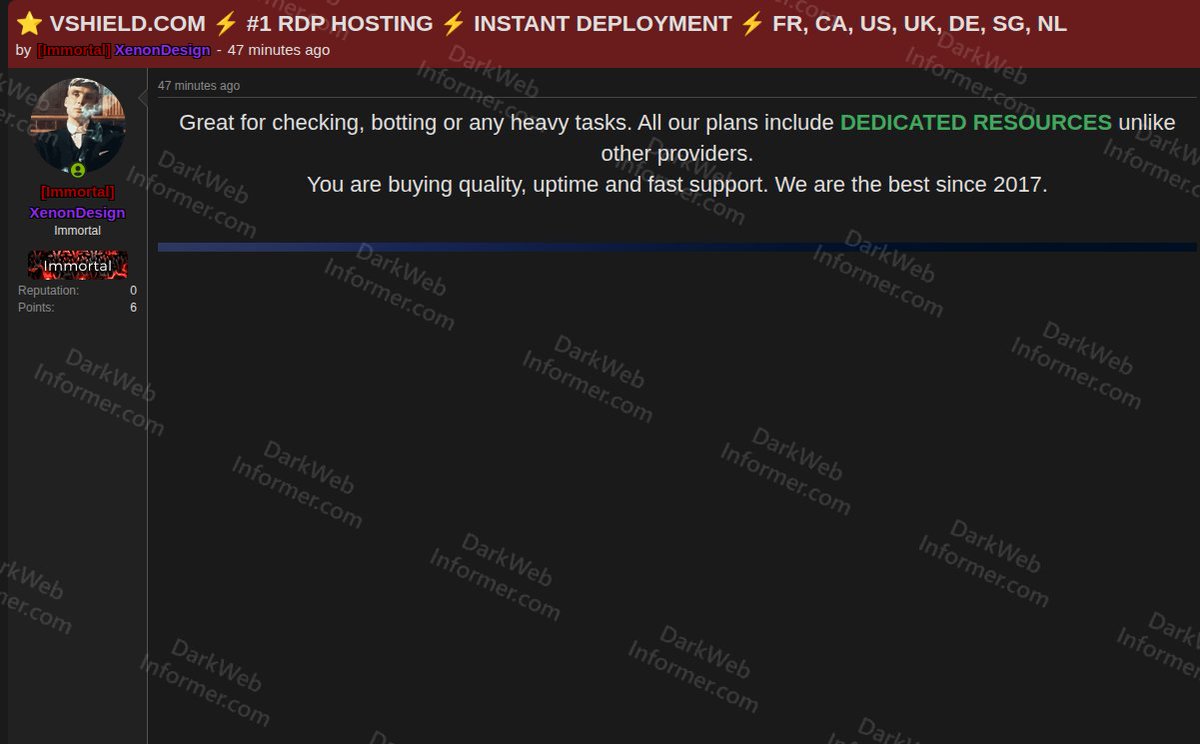
‼️ A threat actor operating under the alias XenonDesign is advertising bulletproof RDP hosting services via https://t.co/Y7waRt2woZ on a cybercrime forum.
The service offers dedicated Windows and Linux server instances across multiple countries including the United States, Canada, France, Germany, the United Kingdom, Netherlands, and Singapore, and is explicitly marketed for use cases such as credential checking and botting.
💥 The new News Feed 2.0, is now in early access. It will be available to replace the current feed later this coming week for all paid subscribers.
https://t.co/I3SQDd5qaf
Free Linkedin Profile Viewer
A free tool for viewing key information from a LinkedIn profile without logging in. You can view links from search results or try searching for a profile by username or first name and surname.
https://t.co/Rdnj0OJ8tL
Tip by Mario Santella
💡 Top 5 Threat Hunting Playbooks That Actually Work
https://t.co/OnvWrvHXcO
Most teams don’t struggle with threat hunting because of tools, they lack process. Playbooks fix that.
In the linked glossary article, we broke down five playbooks that actually work: clear hypotheses, defined data, and repeatable logic. Good playbooks turn scattered signals into structured investigations and help teams stay consistent, even as tools and environments change.
They’re how you move from "this looks suspicious" to something you can actually validate and act on.
#ThreatHunting #ThreatIntelligence #CyberSecurity
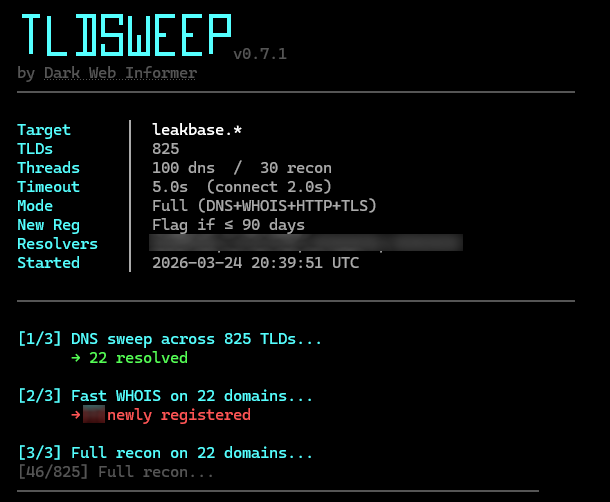
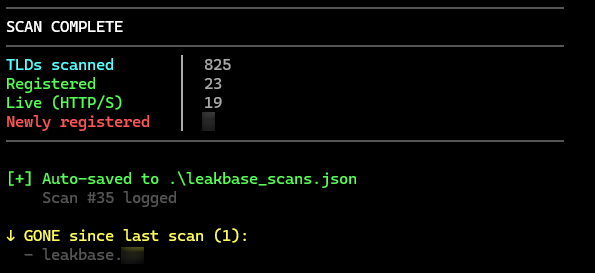
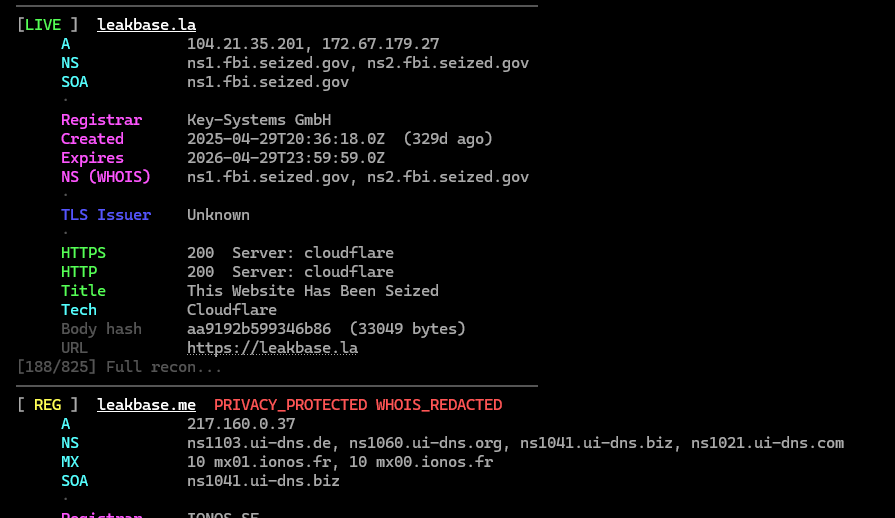
This internal script I've been using to find different domains that were just registered. I'm getting closer to releasing it on GitHub... it's fairly simple and brings back results very quick.
It is a Python script that scans a base domain across 800+ TLDs to enumerate registered variants. It pulls DNS, WHOIS, TLS and HTTP data with exporting to different formats.
Likely a week or so away.
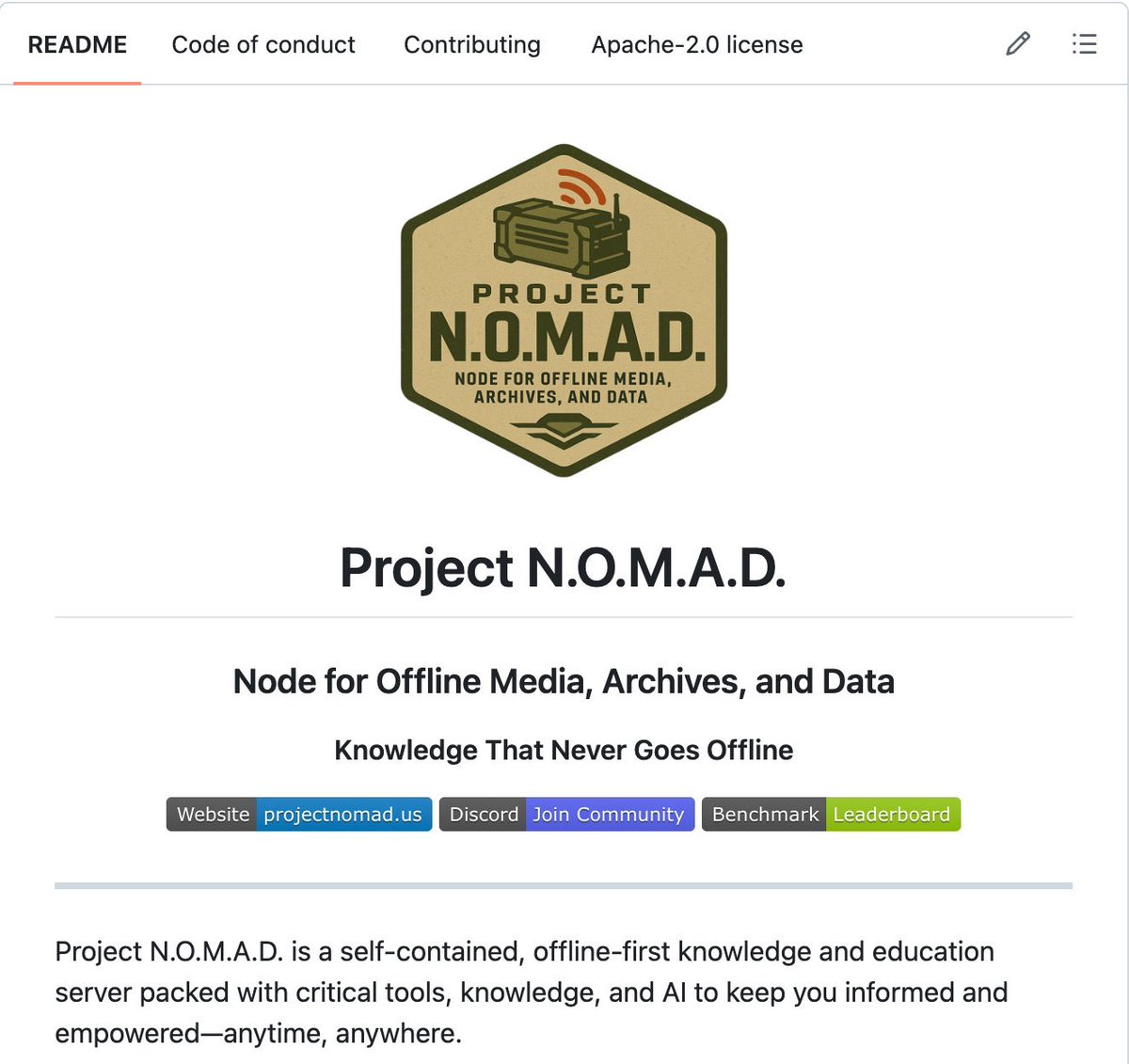
🚨 BREAKING: Someone just open-sourced a full offline survival computer with AI, Wikipedia, and maps built in.
Project N.O.M.A.D. is an open-source offline survival computer.
Self-contained.
Zero internet required after install.
Zero telemetry. Everything runs locally on your hardware.
What it includes:
→ Full Wikipedia archives via Kiwix
→ Offline maps via OpenStreetMap
→ Local AI models via Ollama + Open WebUI
→ Calculators, reference tools, resource libraries
→ A management UI to control
everything from a browser
One curl command installs the entire system on any Debian-based machine.
Runs headless as a server so any device on your local network can access it.
Minimum specs to run the base system: dual-core processor, 4GB RAM, 5GB storage.
To run local LLMs offline, you want 32GB RAM and an NVIDIA RTX 3060 or better.
No accounts.
No authentication by default.
No cloud dependency.
No phone-home behavior.
Built to function when nothing else does.
The grid, the cloud, the API you depend on. None of it is guaranteed.
The people building local-first systems right now are the ones who won’t be asking for help when access disappears.
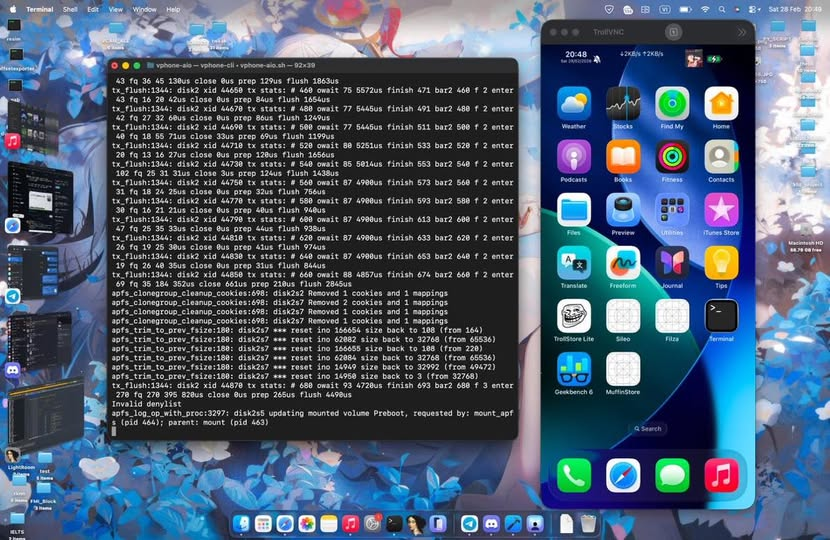
We just turned WiFi signals into a radar that can see through walls and estimate exact poses of people.
Surveillance just got order of magnitude more easy todo. No need for cameras.
Git hub repo close to 12k ⭐️
https://t.co/WTLX54egRi
https://t.co/89GAFr7f4r