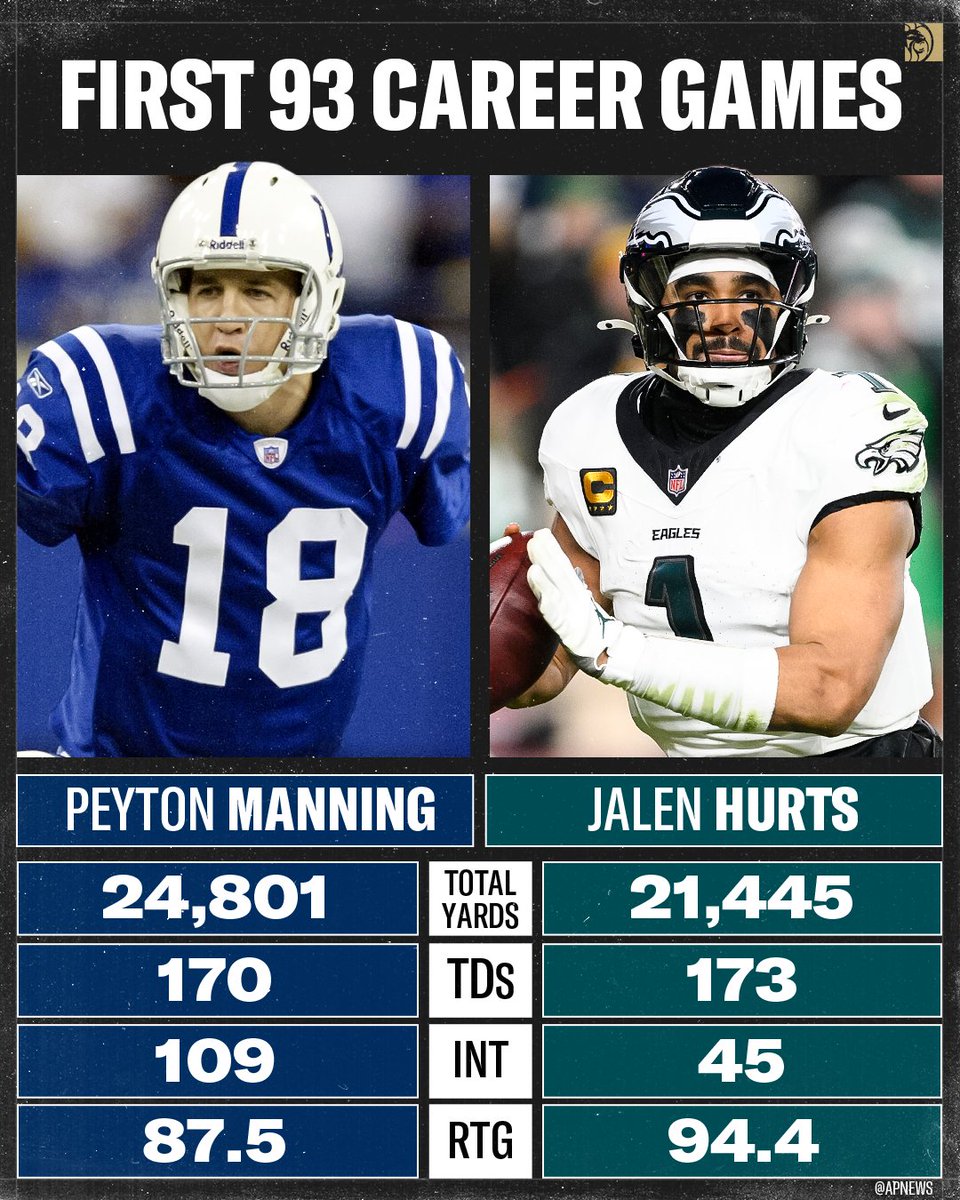
5-Touchdown Performances
Games w/ 5 Passing TDs
• Lamar Jackson: 6
• Josh Allen: 0
Games w/ 5 Total TDs
• Lamar Jackson: 7
• Josh Allen: 7
Make of that what you will
I know we give @Lj_era8 credit for being an incredible athlete & playmaker, but he doesn’t get enough credit for how good he is at playing QB IMO! Continually making quick decisions, big time throws on time, in the pocket & having a plan with his process! He’s gotten really good at everything!
I am the payments logistics officer at the United States Treasury Department who has personally touched every version of the free money this country has been promised since 2020, and I am the only person left in this building who remembers how the first one actually went, because the first one is the only one that was ever real.
Spring 2020. Economic Impact Payments, $1,200 a person, funded, appropriated, moving. Then Mnuchin's office ordered the president's name onto the memo line. Not a rubber stamp. A printed signature, the first time a president's name had ever gone on an IRS payment. Commissioner Rettig wasn't told until the request was already in motion. Our engineers had to reprogram the check-printing software and run it through testing before a single check could clear, because the system had never been built to hold a name that wasn't the Treasurer's. 70 million people waited an extra few days for their own emergency relief, during a pandemic, so a signature could finish QA. I sat in the room where someone asked if we could just skip the testing and was told no, we are not shipping the president's name with a rendering bug in it. The actual money moved slower so the branding could move faster. Every version since has been the branding moving faster and the money not moving at all.
Version one was the DOGE Dividend. It didn't come from this building. It came from a 30-year-old hedge fund manager named James Fishback, CEO of a firm called Azoria, who has said publicly that the number arrived to him in a dream. He posted it to Musk in February of 2025: take 20% of whatever DOGE saves and cut it into checks, math it out to roughly $5,000 a household if the savings hit $2 trillion. Musk replied that he'd check with the president. The president checked. Within days it was a line in a press briefing, no legislation, no appropriation, just a number that had been asleep in one man's head 12 hours earlier now sitting on the Resolute desk. By May, DOGE's own public savings tracker read $175 billion, not $2 trillion, which works out to $1,086.96 per taxpayer, not $5,000. Nobody issued a correction. The number just stopped being said out loud. And when Fishback later described himself as having advised DOGE, a former senior DOGE adviser went on the record to say, quote, you didn't advise DOGE. So the origin story of the $5,000 figure still being used today, 18 months and 2 rebrands later, is a dream, a tweet, and a denial. I have that DOGE savings tracker bookmarked. I check it the way other people check their portfolio.
Version two was the Tariff Dividend, announced that November. $2,000 a person this time, lower number, new funding source: tariff revenue instead of imaginary government savings. This one at least had a real number behind it: $195 billion collected in tariffs for the fiscal year. Economists ran the arithmetic before we did. Cato called it fiscal fantasy in print. A deputy chief economist at Oxford Economics warned that stacking a stimulus check on top of the existing tax cuts could overheat the economy. The math didn't work even before the legal problem showed up, and then the legal problem showed up: the Supreme Court struck down the IEEPA tariffs in February, the ones the dividend was supposed to be funded from, and by May we were issuing refunds to importers faster than customs was collecting anything. I watched the ledger cross from positive to negative in the same spreadsheet tab we'd built to track the dividend. We didn't rename the tab. We just stopped opening it.
Version three is the Trump Dividend, the one I'm actually being asked to price this week. Same number as version one, $5,000, announced Tuesday night from the stage of the midterm convention. Quote: if the Republicans win the House of Representatives and the United States Senate, both of them, because of our tremendous economic success, I will issue a dividend to every adult citizen in the United States for $5,000. One condition attached, and it isn't a funding mechanism, it's a spending restriction: the money has to stay in the country, no Canada, no China, no Germany, his words. So the government has now, for the first time in three attempts, specified where the imaginary money is allowed to be imaginarily spent. Commentators started using the word bribe before the applause even finished. There's a real federal statute for this: 18 U.S.C. 597, expenditures to influence voting, a fine or up to 2 years if it's willful. Nobody in this building has said the statute's number out loud in a meeting, and I've listened for it, because there's a comfortable legal argument sitting right there in plain sight: you cannot criminally buy a vote with money that was never appropriated, never budgeted, and has no line item anywhere in the federal government. It isn't a bribe. A bribe requires a bribe.
I priced it anyway, because pricing a number has never once required the number to exist. 270 million adults, $5,000 each, $1.35 trillion, against a national debt that closed this week at $40.1 trillion. It costs 7 times what version two's tariffs brought in at their peak. I put the number in the deck. I did not put in a funding source, because there's a blank cell where that used to go, and I've started to think of that blank cell as the actual through-line of my career here.
Four checks. One real. One dreamed by a guy who isn't even employed by the government he says he advised. One that went negative by court order. One that costs a Senate seat instead of a tax dollar. And I'm still on the invite list for the pricing meeting, because I'm the only one left who was in the room in 2020 when we tested a signature before we tested the money.
THE MIRACLE AT THE MEADOWLANDS 2.0.
One of the most INSANE comebacks in #NFL history.
#Eagles trailed the #Giants by 21 points with under 8 minutes remaining — then stormed all the way back before DeSean Jackson’s iconic walk-off punt-return TD.
ICONIC.
Pierre Rondo Jr. just Played in his first State Tourney..
Hes 13 years old, had to leave middle school early to Play in the Kentucky State Tourney.. Something no other Rondo has done before..
He’s playing against 19 year old hold back seniors and all that..
Vs Lyon County..
25 PTS
7 AST
4 REBS
He is the best 8th Grader in KY history and the best Player in the state of Kentucky. This is crazy..
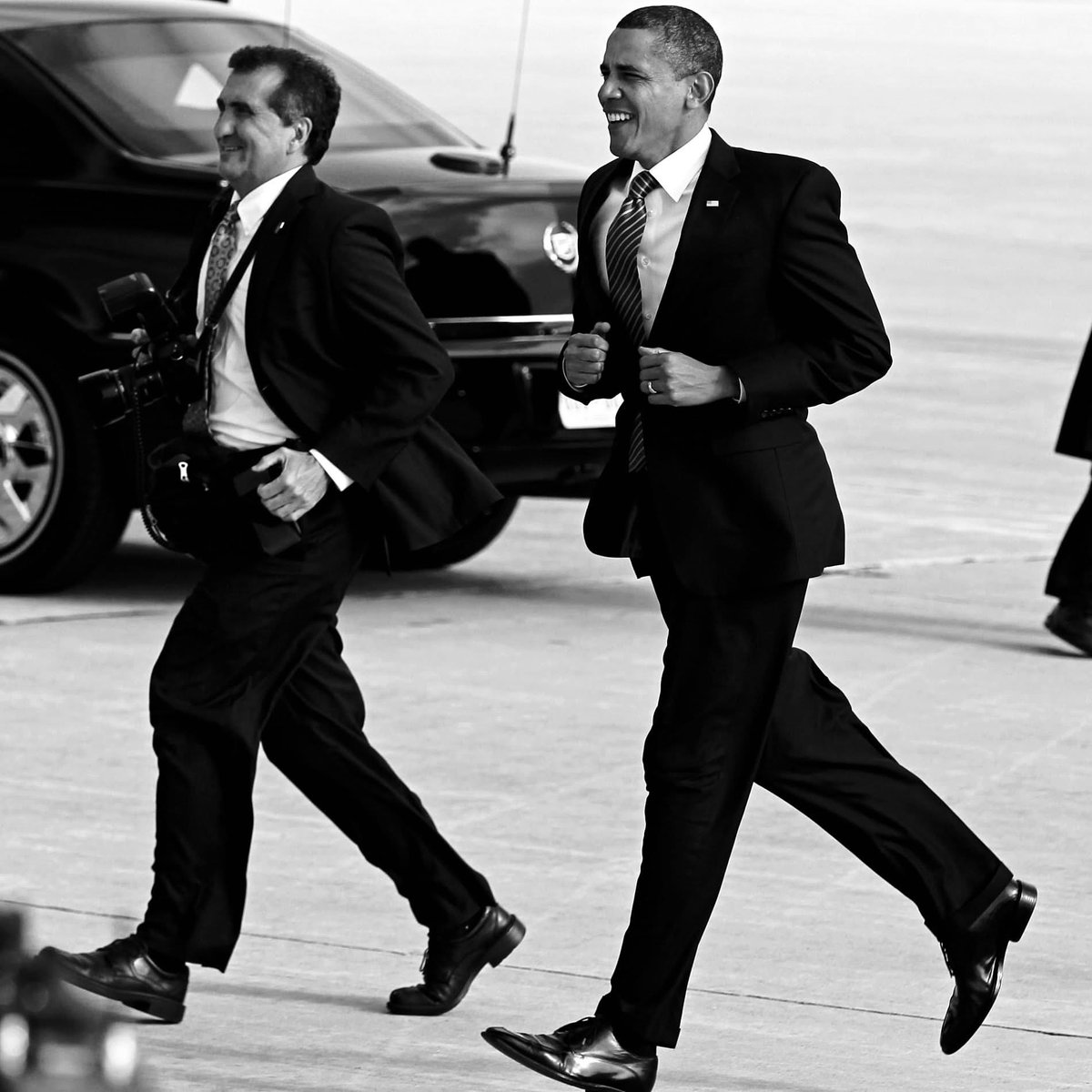
The history books quietly bypassed is that Barack Obama, during the most pressure-saturated nights of his presidency, would retreat alone to the Treaty Room on the second floor of the White House residence — not to strategize, not to take calls, but to handwrite personal letters to ten ordinary American citizens every single night, a practice he maintained with almost monastic devotion across all eight years, selecting the letters himself from the 40,000 that arrived daily at the White House, and his longtime correspondence director Fiona Reese confirmed that Obama would often weep privately while reading certain letters, folding them carefully before writing responses so personally detailed and emotionally present that recipients frequently described the experience of receiving them as the most significant moment of their lives, with one Ohio steelworker writing back to say that Obama's letter had physically stopped him from making a decision that would have permanently altered his family's future. What makes this practice almost unbearably moving is the detail that surfaced later — Obama never used a computer for these letters, always a black felt-tip pen, always legal yellow paper first as a draft, always rewritten onto White House stationery by hand a second time, because he believed, as he told historian Doris Kearns Goodwin in a rare private conversation later recounted in her 2018 work, that the physical act of pressing pen to paper forced a quality of attention that typing simply could not replicate, a philosophy rooted in his years as a constitutional law professor at the University of Chicago from 1992 to 2004 where he developed the conviction that democracy only functions when its leaders remain genuinely, uncomfortably close to the specific gravity of individual human suffering rather than processing it from behind the insulating distance of institutions and screens."