The rooftop of Milan Cathedral is almost a monument of its own.
Construction of the Duomo di Milano began in 1386, and its roof reveals the cathedral’s Gothic complexity up close: marble spires, flying buttresses, carved pinnacles, and statues rising above the city.
At the highest point stands the Madonnina, the gilded statue of the Virgin Mary placed in 1774 — one of Milan’s most enduring symbols.
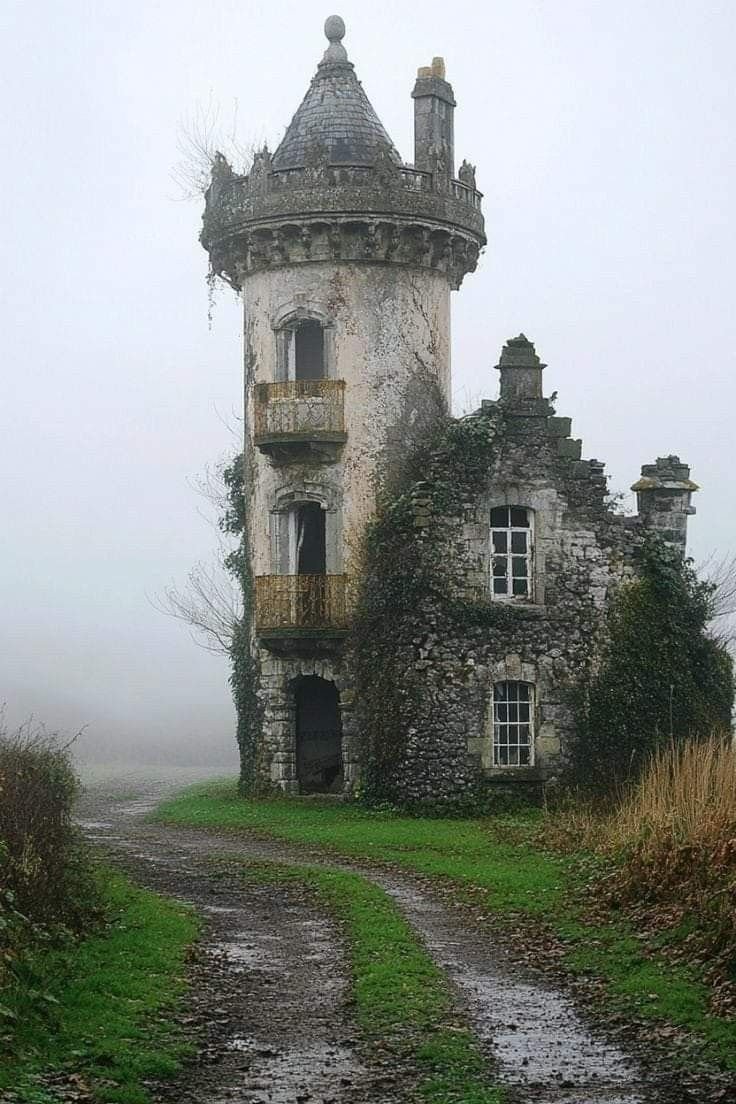
Le château d’Ussé, en Indre-et-Loire, semble tout droit sorti d’un conte de fées avec ses tours dominant la vallée de la Loire 🏰
Ce château a inspiré Charles Perrault pour écrire « La Belle au bois dormant », tant son atmosphère paraît hors du temps 🌟
Entre histoire, poésie et patrimoine français, Ussé est l’un des joyaux les plus enchanteurs de la Touraine 🇫🇷
#Patrimoine #ChateauUsse #ValDeLoire
🛑 The Romans Built This 2,000 Years Ago… And Modern Engineers Still Can’t Fully Explain It
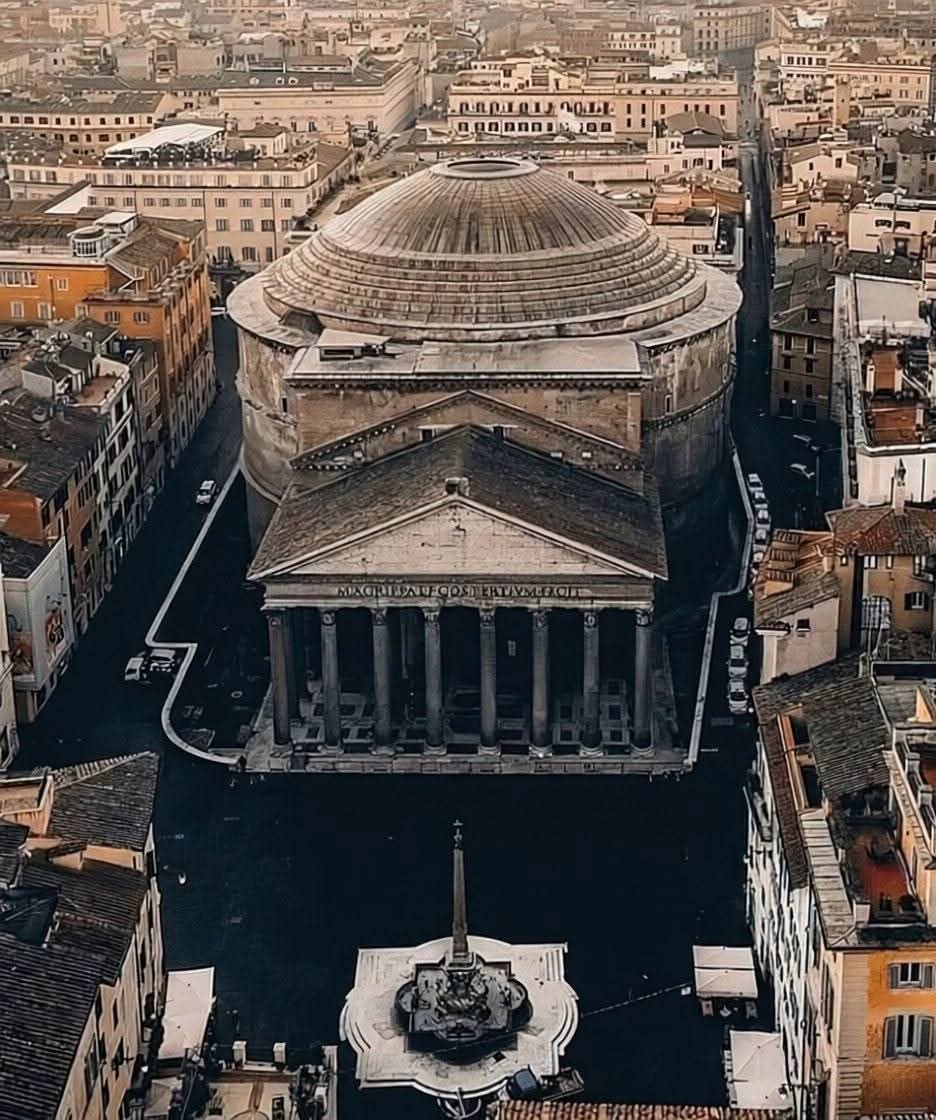
Standing in the heart of Rome, the Pantheon has survived wars, earthquakes, invasions, and the collapse of an entire empire. Yet nearly 2,000 years after it was built, it still holds a secret that continues to puzzle architects and engineers around the world.
Its massive dome remains the largest unreinforced concrete dome ever created. No steel skeleton. No modern technology. Just ancient Roman knowledge… and something we may still not completely understand.
Commissioned by Emperor Hadrian around 125 AD, the Pantheon was built on the site of an older temple first constructed by Marcus Agrippa in 27 BC. But what makes this monument truly mysterious is not just its age — it’s how impossibly advanced it was for its time.
The giant dome appears almost weightless, as if floating above visitors who step inside. At its center is the famous oculus, a huge open circle that allows sunlight to pour into the temple like a spotlight from the heavens. When rain falls, it enters freely through the opening, disappearing through hidden drains beneath the floor. Even today, the design feels futuristic.
Historians believe the Romans used a special concrete mixture that became lighter toward the top of the dome, helping prevent collapse. But the exact formula remains one of history’s greatest lost technologies. Some scientists still study the Pantheon, hoping to uncover the secret behind its unbelievable durability.
Think about it… modern stadiums and buildings often need constant repairs after only decades. The Pantheon has stood strong for almost two millennia.
Was this simply brilliant engineering… or knowledge far ahead of its time?
The next time you see a modern skyscraper, remember: an ancient civilization once built a dome so perfect that humanity still struggles to match it.
En 1773, un architecte dessine une usine. En demi-cercle parfait. Au milieu des champs de Franche-Comté. Louis XV regarde les plans. Et dit oui.
La Saline royale d'Arc-et-Senans, dans le Doubs. Claude-Nicolas Ledoux veut construire une manufacture de sel comme personne n'en a jamais vu. Onze bâtiments en éventail. La maison du directeur au centre, les ateliers de chaque côté. Tout est pensé pour qu'un seul homme voie tout, de partout.
Le sel arrive par un tuyau souterrain de 21 kilomètres depuis Salins-les-Bains. Du sel liquide, sous la terre, sur 21 km.
Mais Ledoux rêve plus grand. Il veut fermer le cercle. Bâtir une ville entière autour de la saline. La cité idéale de Chaux. Un théâtre, des bains, une école. Des maisons dont la forme raconte le métier de leurs habitants.
La ville ne verra jamais le jour. Ledoux meurt en 1806, ruiné, oublié.
La saline a failli disparaître aussi. Fermée en 1895. Pillée. Incendiée en 1918. Sauvée in extremis par le département du Doubs.
Aujourd'hui, classée UNESCO. Treize hectares de jardins. Et ce demi-cercle intact, posé dans la campagne, exactement comme Ledoux l'avait dessiné il y a 250 ans.