I live in a glorious Georgian bubble, masquerades, coffee houses, highwaymen, rakes, taffeta & Tyburn, decadence & debauchery!
Creator of #FridayNightFrills
You asked for it, so here she is! Emma Hamilton joins her lover Nelson as a set of hanging decorations, both Emma and Nelson are also available separately https://t.co/bk09z5uKAD
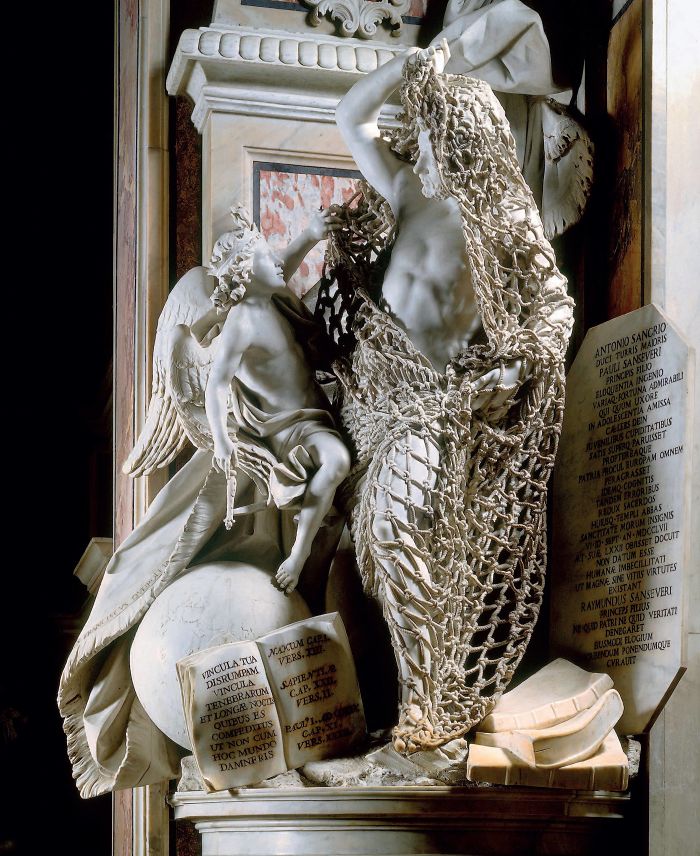
There is no rope in this image... This is carved from a single block of marble. The artist dedicated 7 years of his life to sculpt. It's called "The Release from Deception", by Italian sculptor Francesco Queirolo in 1759. Possibly the greatest test of patience in the history of art - and not a single wrong step made in the marble...
The Cappella Sansevero is a 16th Century AD, chapel located in Naples, Italy that is home to some of the most beautiful pieces of art created by 18th Century Italian artists. Standing out among them are a number of amazingly detailed sculptures that will make you wonder how the talented sculptors managed to turn cold blocks of marble into such intricate works of art.
One of most incredible sculptures inside the chapel is the Release from Deception, or Il Disinganno, by Genoese sculptor Francesco Queirolo. The sculpture depicts a man untangling himself from a woven net. The net is where the breathtaking talent of the sculptor is unveiled – from afar, it looks like a simple net draped onto a marble statue but upon closer inspection, you can see that the net is actually carved from marble too.
The museum’s website describes the sculpture as a man who has been set free of sin. The small spirit next to the man symbolizes the human intellect, helping him free himself while pointing at the globe by his feet, symbolizing worldly possessions. “An open book rests on the globe; it is the Bible, a sacred text, but also one of the three “great lights” of Masonry. The bas-relief on the pedestal, with the story of Jesus restoring sight to the blind, accompanies and strengthens the meaning of the allegory.”
“In his book Istoria dello Studio di Napoli (1753-54), Giangiuseppe Origlia rightly defines this statue as ‘the last and most trying test to which sculpture in marble can aspire.’ The reference is naturally to the virtuoso work on the net, which amazed famous eighteenth- and nineteenth-century travelers, and continues to astound tourists today,” says the museum.
“In this regard, the story goes that – as had already happened to Queirolo years before, when he was working on another statue – the sculptor had to burnish the sculpture with pumice personally, as the craftsmen of the period, though specialized in the burnishing phase, refused to touch the delicate net in case it broke into pieces in their hands.”
The Cappella Sansevero has a total collection of 28 art pieces from various 18th Century Italian artists, including The Veiled Truth by Antonio Corradini and The Veiled Christ by Giuseppe Sanmartino.
#drthehistories
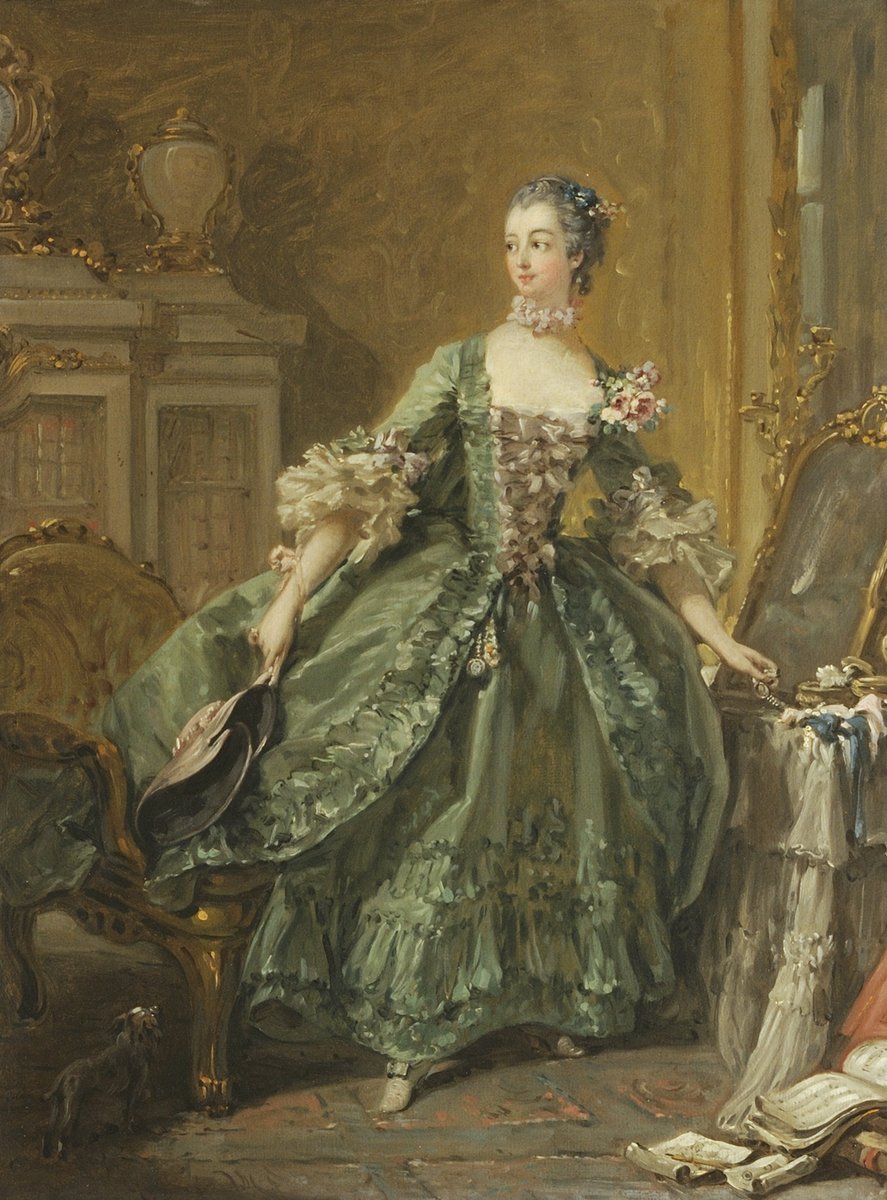
Jeanne-Antoinette Poisson (1721–1764), marquise de Pompadour - born #otd in 1721 - was the official mistress of Louis XV from 1745. She was a great patron of the painter François Boucher and this portrait of her is a study for a larger painting, now lost.
The Wexford Carol, one of the oldest surviving Christmas carols. Thought to have been written in Ireland in the 12th century but the melody may be much older, originally sung to celebrate the winter solstice. Happy solstice from the west of Ireland
A George II metal toddy ladle with an inserted sterling silver shilling ‘Lima’ mint coin of King George II. The coin is dated 1745, the same year as the attempted restoration of Charles Edward Stuart.
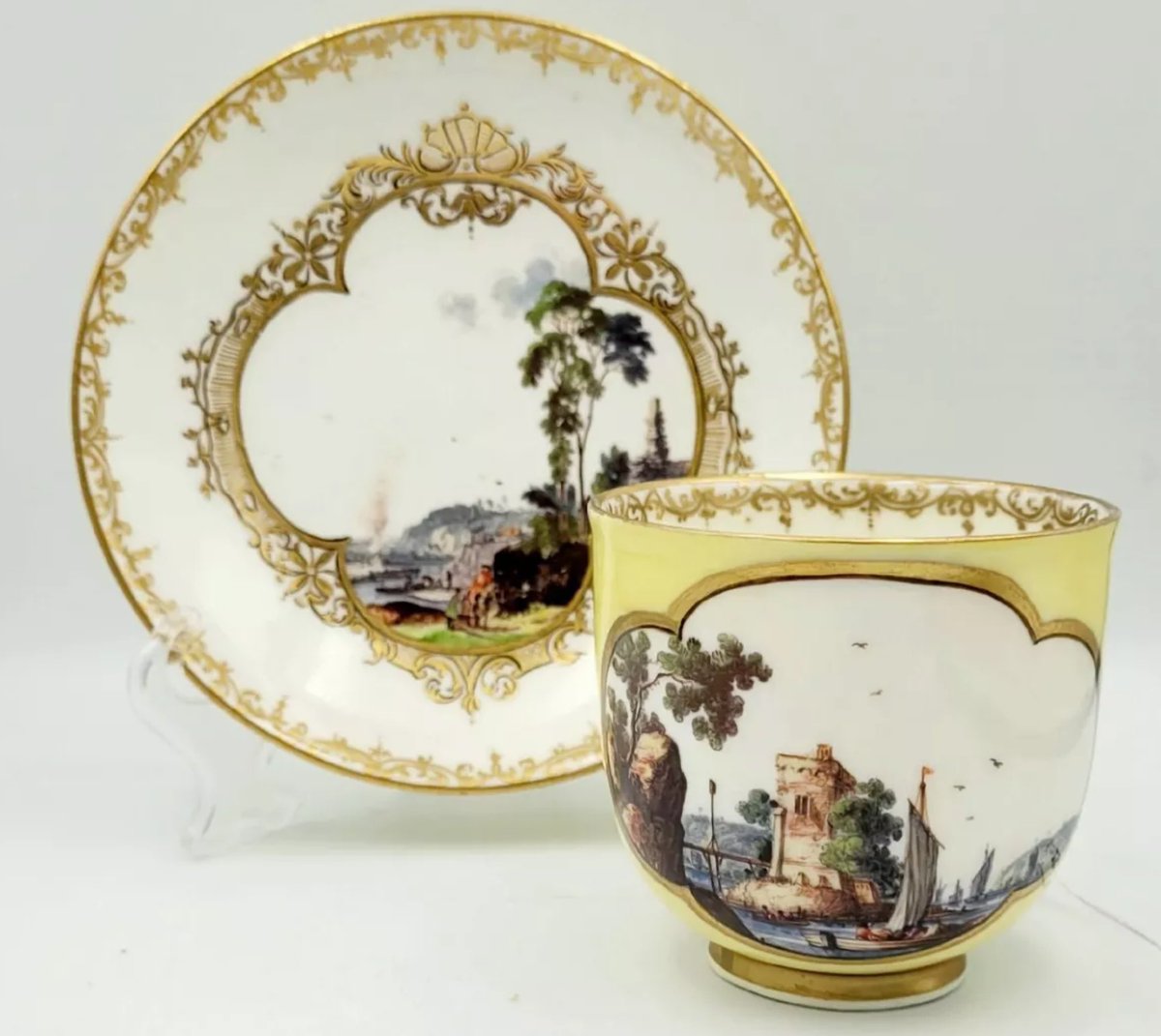
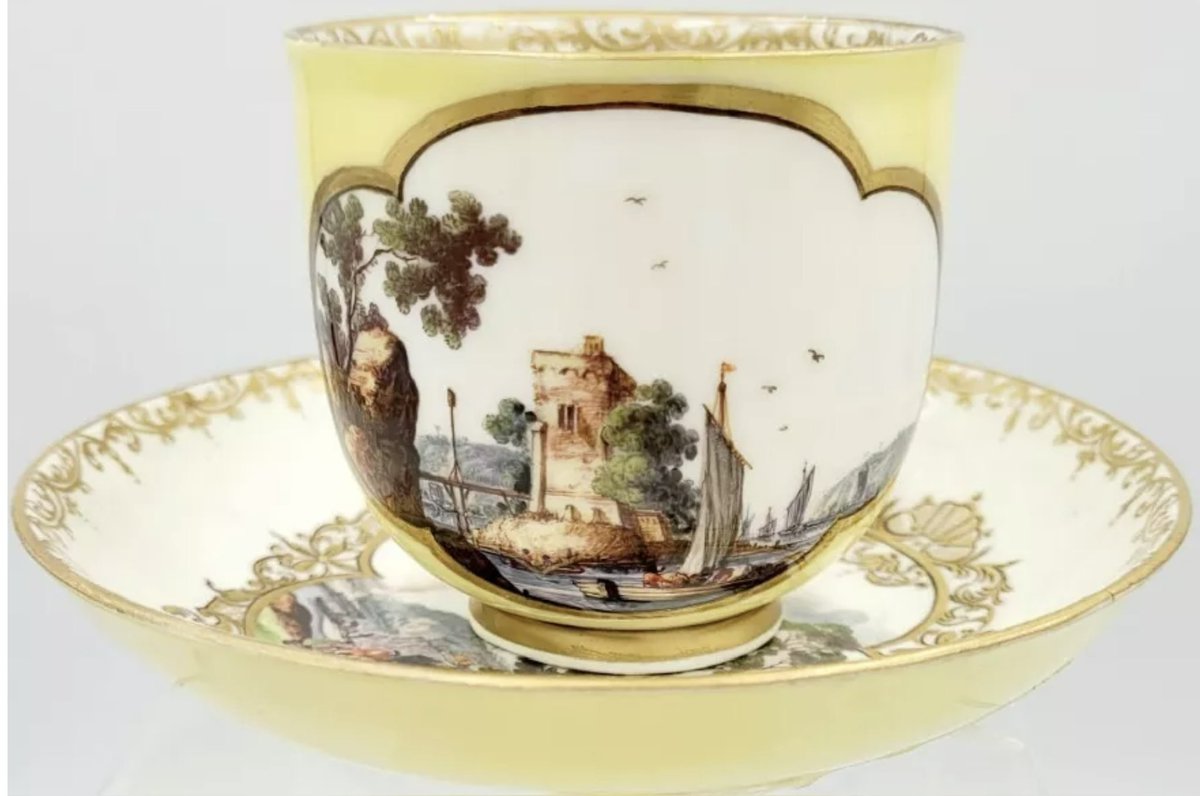
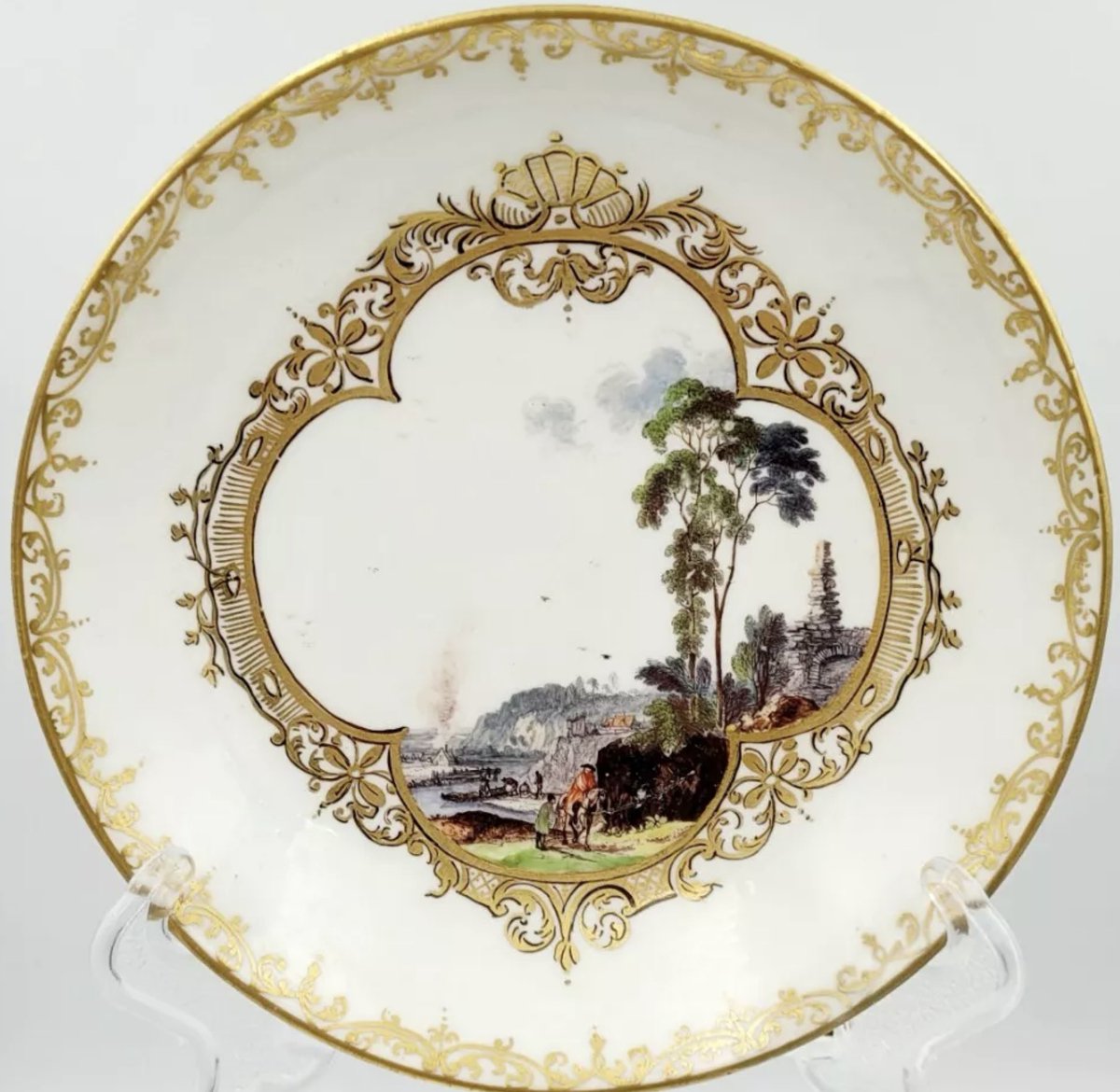
A lovely yellow ground #Meissen cup and saucer, each decorated with landscape and harbour scenes within quatrefoil cartouches. Gilding to the outside of both and inside the cup. Gilder’s letter B to both. Circa 1735.
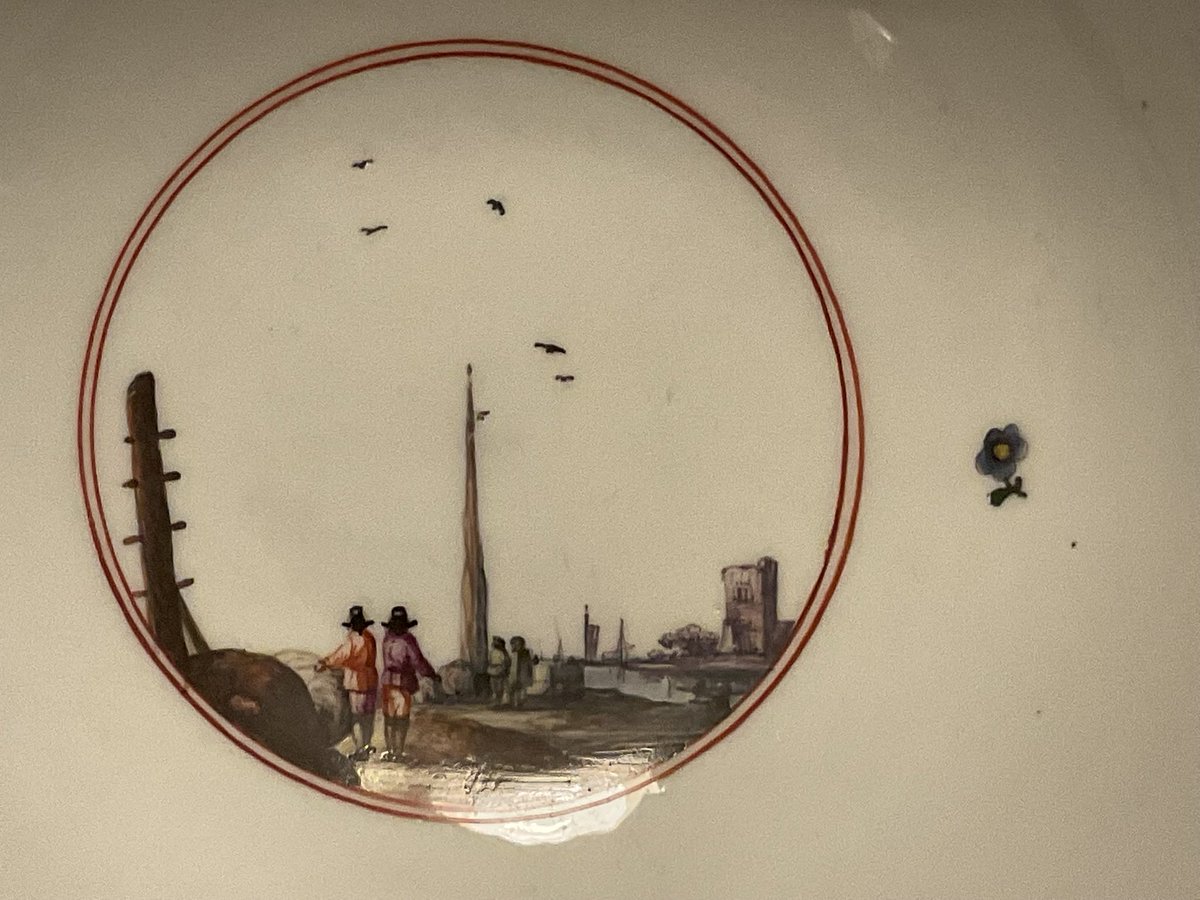
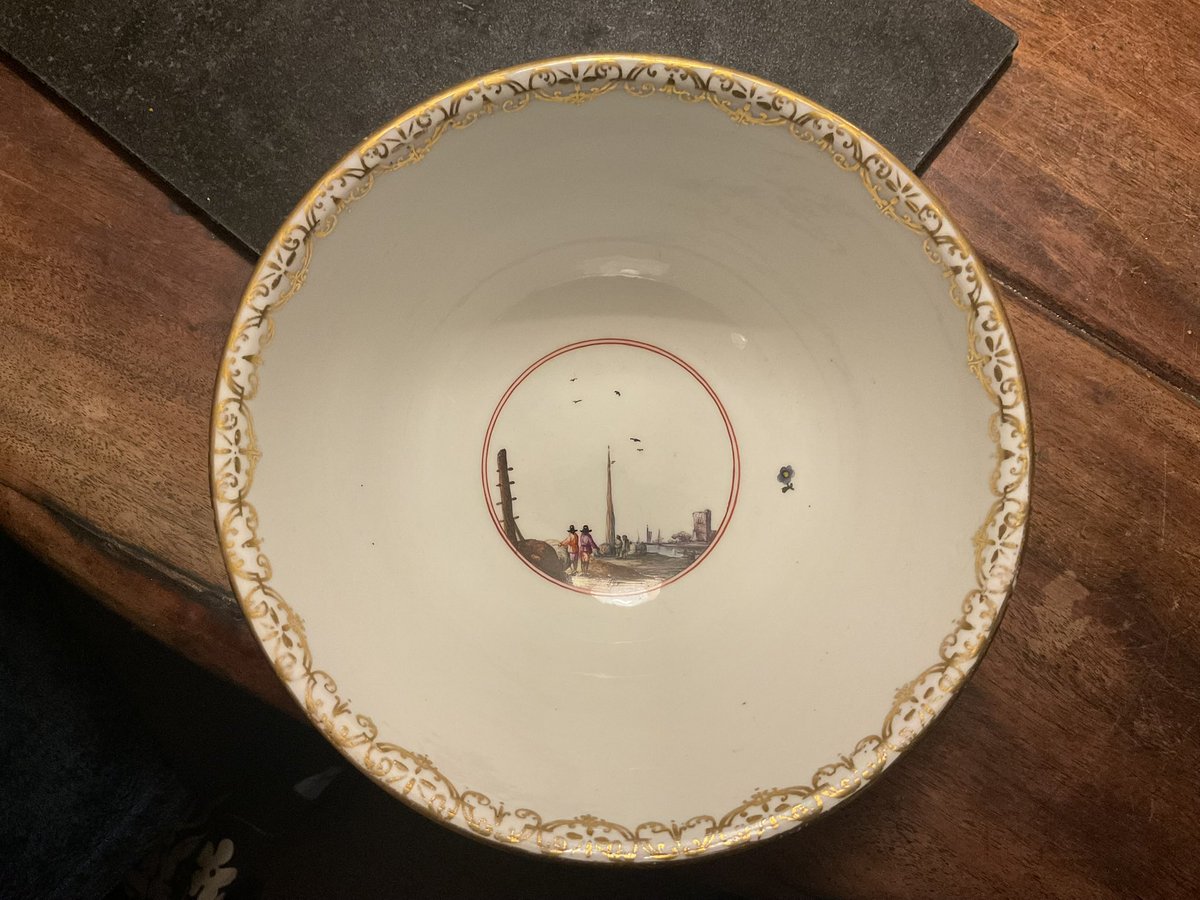
The small individual flower to the right of the circular painting is almost certainly there to cover up a firing flaw. This technique was often used by #Meissen and other manufacturers to cover up imperfections apparent after production.
Meissen waste bowl, c. 1740-5
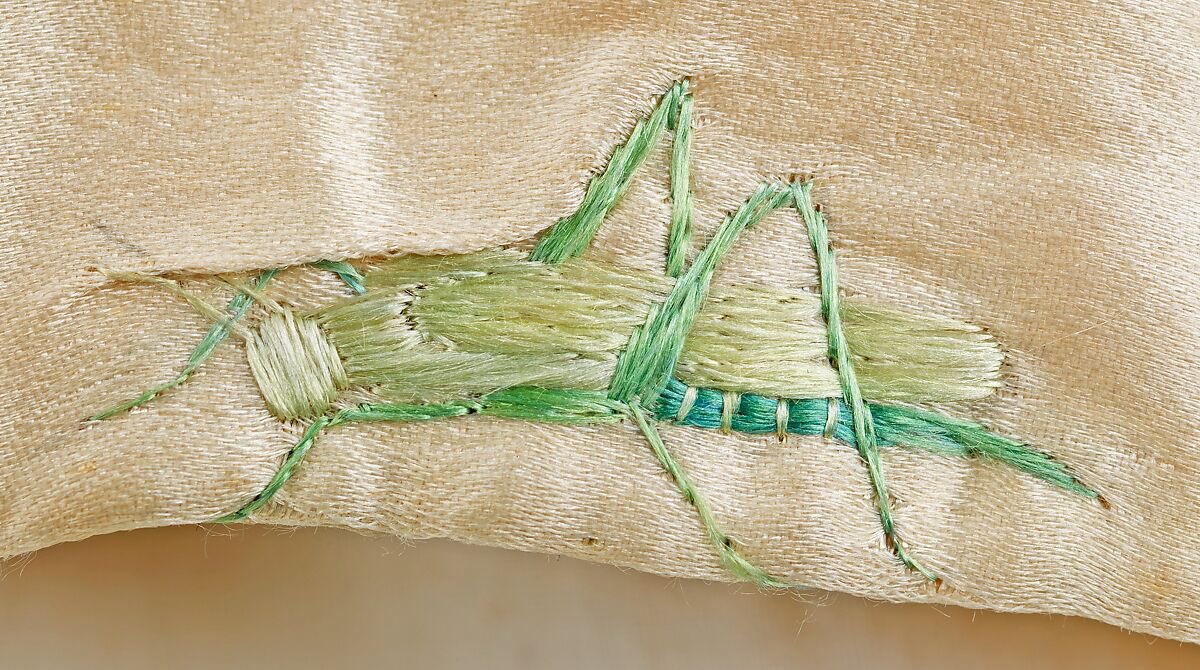
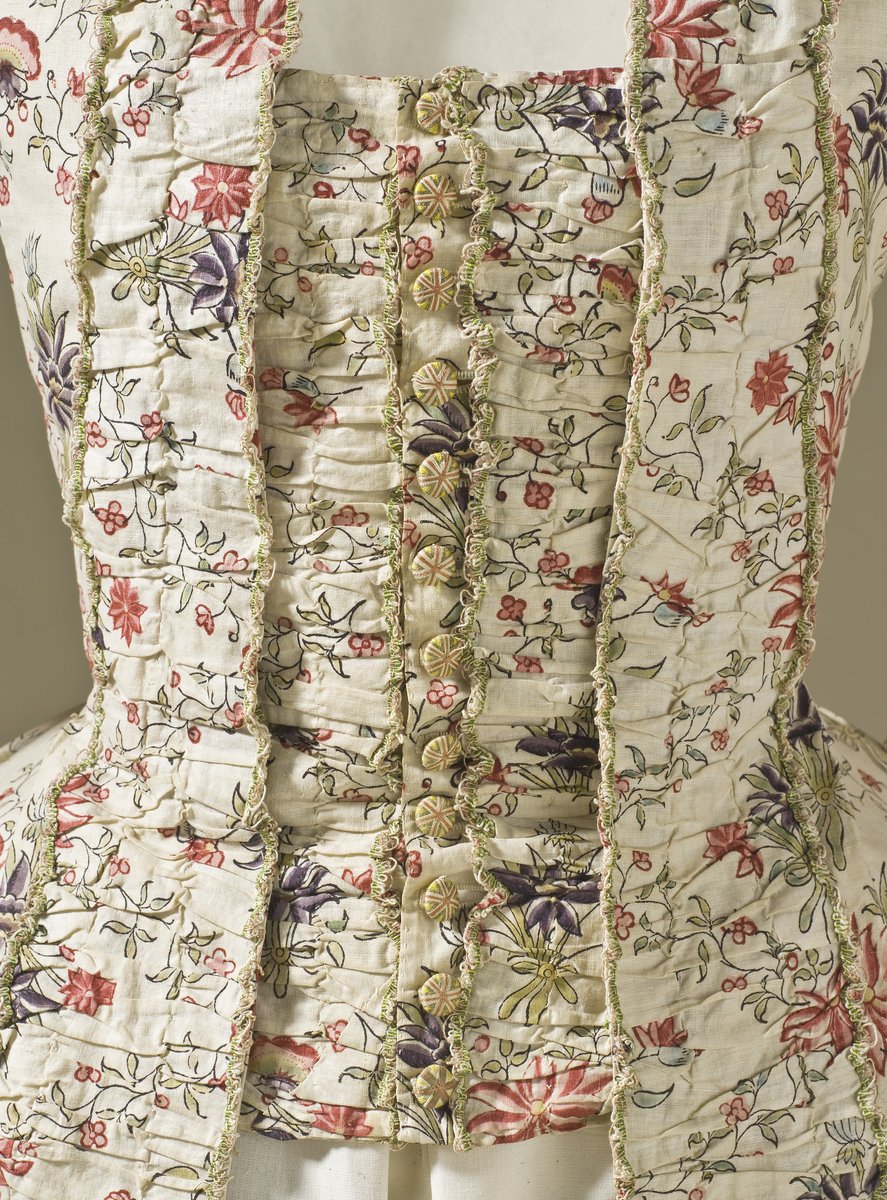
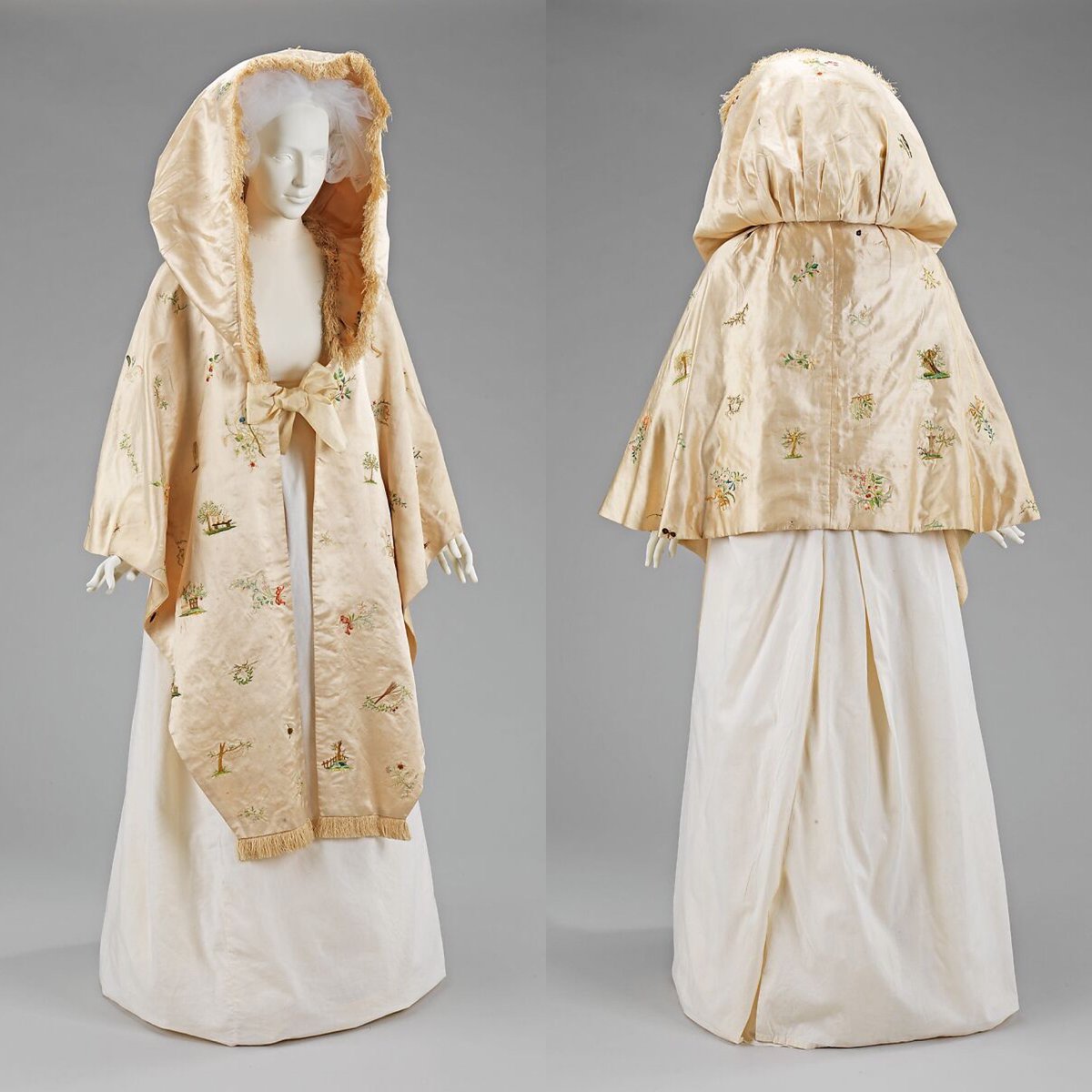
In an era where there was a lot of wig to accommodate, capes had to match the required dimensions. This late #1790s cream silk is covered with hand embroidered floral and fauna including this bouncy little grasshopper @metmuseum#fashionhistory
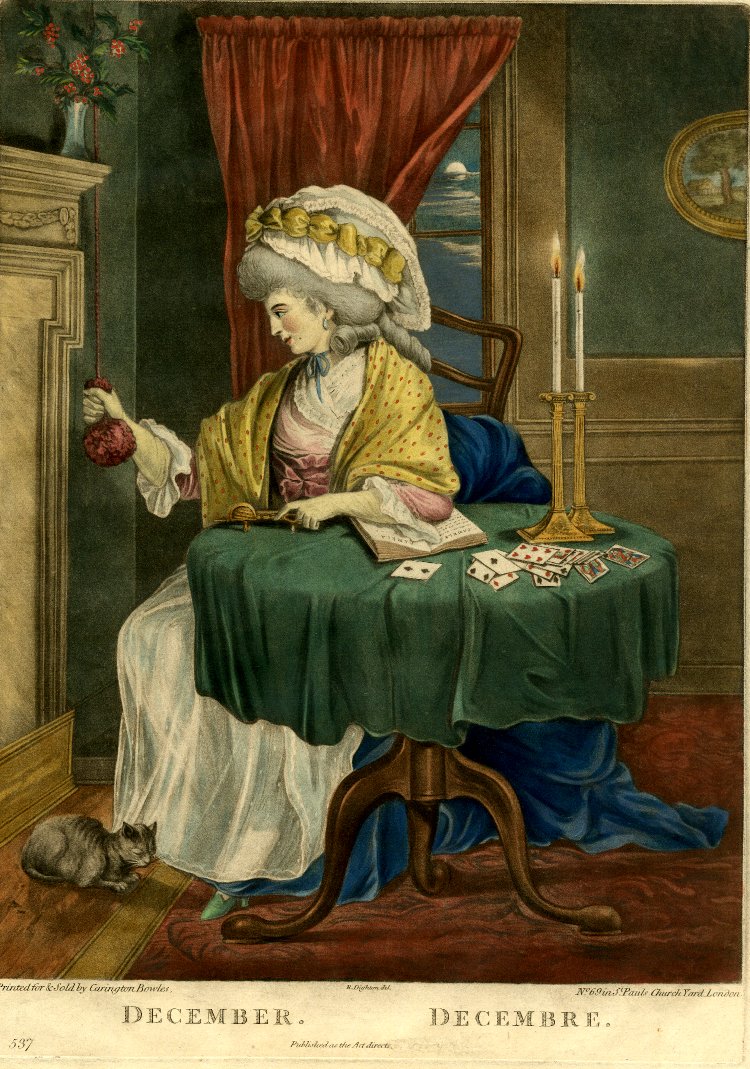
Candles are already lit at my home on this gloomy December day. Extra layers, reading and card games by the fire, December 1781. Print from a set of 12 from @britishmuseum