🚨 OPERATIONAL UPDATE: ISRAEL U.S. WAR WITH THE ISLAMIC REPUBLIC - Reporting Window: Last ~72 Hours
━━━━━━━━━━━━━━━━━━
⚓ STRAIT OF HORMUZ: FROM DISRUPTION TO CONTESTED CONTROL
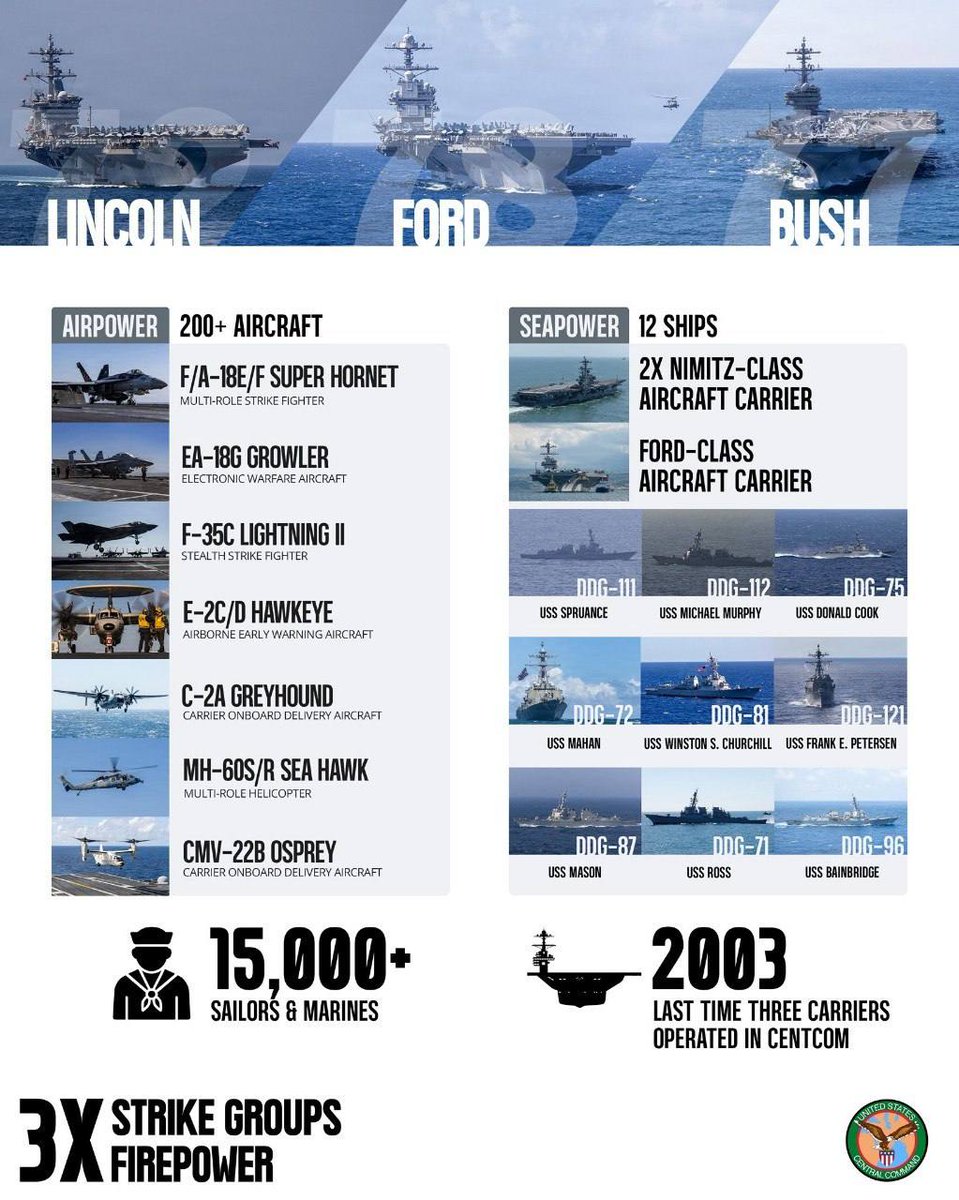
Over the last 72 hours, the situation in the Strait of Hormuz has remained in the same deadlock it's been in since the US naval blockade began. It is an actively contested zone, with both sides enforcing their position in real time.
The United States has continued its blockade posture, turning back vessels, boarding ships, and maintaining a heavy naval and air presence across the corridor. The US posture hardened slightly as well after Trump ordered U.S. forces to shoot and kill Iranian boats laying mines in the Strait, turning mine warfare from a maritime threat into a direct trigger for U.S. kinetic action.
At the same time, Iran has not backed down. Its forces have continued harassment operations and maintained the capability to disrupt traffic using smaller, asymmetric assets that survived earlier strikes.
Washington is now preparing options for targeted strikes on Iran’s remaining naval capabilities tied to Hormuz disruption. That includes fast attack craft and mine-laying platforms that allow Iran to exert pressure without conventional naval dominance.
This signals that the United States is continuing to prepare for a change from defending access to and from the strait to removing Iran’s ability to contest it.
At the same time, Iran has continued to signal defiance, refusing to concede control even as the cost of maintaining that posture rises. The result is a maritime environment that is not stabilizing. It is hardening.
━━━━━━━━━━━━━━━━━━
🕊️ ISLAMABAD: TALKS WITHOUT A CORE ISSUE
Diplomacy has continued over the last three days, but the structure of those talks has become clearer and more problematic.
Iran is now expected to participate in negotiations, but with a critical restriction. Its delegation has been explicitly instructed not to meaningfully engage on the nuclear issue.
That is not a procedural limitation. It is a foundational one.
The nuclear file is the central issue driving this conflict. Removing it from the negotiating framework does not simplify talks. It hollow them out. Even Iranian officials have reportedly warned that this constraint renders the negotiations effectively pointless.
At the same time, the internal structure behind those negotiations further constrains progress. Mojtaba Khamenei remains physically compromised and largely isolated, with decision making increasingly flowing through a small circle of IRGC commanders. Iran is not negotiating from a unified command structure. It is negotiating through a fragmented system where authority is distributed and risk tolerance is uneven.
So the talks continue, but they are not converging. They are buying time. The question is for whom.
━━━━━━━━━━━━━━━━━━
🇺🇸 U.S. POSTURE: PRESSURE AS THE PRIMARY TOOL
Across the full 72-hour window, the U.S. posture has remained consistent, and that consistency is the signal. There has been no meaningful move toward de-escalation. The blockade remains in place. Additional forces continue to flow into the region. Strike planning has expanded, not contracted.
Washington continues to pursue diplomacy and is maintaining negotiations as a channel, but its actual leverage is being built militarily. The assumption embedded in that approach is clear. If talks fail, escalation will follow quickly, and the groundwork for that escalation is already being laid.
━━━━━━━━━━━━━━━━━━
🇮🇷 IRAN: PRESSURE IS NOW MULTI-LAYERED
Inside Iran, the pressure picture has sharpened over the last three days. Economically, the damage is now being quantified at a scale that is difficult to absorb. Estimates place total war-related losses in the range of hundreds of billions of dollars, translating into a significant per capita burden across the population.
At the same time, Iran’s external economic relationships are beginning to fracture. Tensions with key regional partners are rising, and trade channels that once helped cushion sanctions and isolation are now under strain.
Politically and structurally, the regime is also under pressure. Leadership is more insulated than at any point in recent memory, access is restricted, and decision making has become more centralized within a smaller and more security-focused inner circle.
This combination matters. Iran is not collapsing. But it is operating under a level of sustained pressure that limits flexibility, slows decision making, and increases the risk of miscalculation.
━━━━━━━━━━━━━━━━━━
🇱🇧 LEBANON: EXTENDED CEASEFIRE, UNCHANGED REALITY
The most visible diplomatic development in this window was the extension of the Israel-Hezbollah ceasefire by three weeks. But the extension itself revealed the underlying reality almost immediately. Hezbollah violated the ceasefire with rocket fire as talks were underway, and Israeli operations continued in response.
At the same time, Israeli strikes and activity in southern Lebanon have not stopped. Artillery fire, targeted operations, and force positioning all remain active. Hezbollah has also publicly described the ceasefire as “meaningless,” citing continued Israeli operations, reinforcing the reality that it does not view the agreement as binding.
The operational picture also escalated in a more direct way. Hezbollah shot down an Israeli drone using a surface to air missile, and in response, the IDF ordered an evacuation in the area of Deir Ammar. That is not a signal of de-escalation. It is a sign of an active and adaptive battlefield.
So while the diplomatic framework exists, the battlefield has not meaningfully changed. Lebanon remains in a state where the government is engaging diplomatically, but Hezbollah retains independent military agency. That is not a stable equilibrium. It is in fact an overlap of incompatible realities.
━━━━━━━━━━━━━━━━━━
🧠 WHAT ACTUALLY CHANGED
Over the last 72 hours, the system did not move in any meaningful way toward resolution. The maritime front remains a contested battlespace and not just a temporary disruption. Negotiations are continuing, but without the core issue on the table and without unified authority behind them. The United States is preparing escalation options while maintaining diplomatic cover. Iran is absorbing pressure across multiple domains while continuing to delay. Lebanon’s ceasefire has been extended, but not stabilized.
The bottom line is that this: This was not a period of any great breakthroughs. The gap between negotiation and reality appears to be widening however, and the longer that gap remains, the more likely it is that kinetic events, not talks, determine what happens next.
🚨 OPERATIONAL UPDATE: ISRAEL U.S. WAR WITH THE ISLAMIC REPUBLIC - Reporting Window: Last 24 Hours
This reporting window was defined less by a dramatic battlefield surprise than by a tightening convergence of military pressure, visible civilian impact, and an increasingly explicit U.S. deadline tied to the Strait of Hormuz.
Mainstream reporting from The New York Times, Reuters, AP, The Guardian, Ynet, The Jerusalem Post, The National, and Israel Hayom, alongside open source reporting and local accounts, points to the same basic picture: Israel continued broad pressure on Iran’s strategic infrastructure, Iran showed it still retains meaningful retaliatory and defensive capacity, Hezbollah remained active in the north, and Washington’s rhetoric moved closer to a direct infrastructure ultimatum.
━━━━━━━━━━━━━━━━━━
✈️ INSIDE IRAN
The most important strike development in this window is that the target set continues to reach beyond isolated military nodes and deeper into infrastructure that supports Iran’s ability to sustain the war.
The clearest mainstream reporting here came from The New York Times, which reported that Israel struck Iran’s largest petrochemical industrial complex in Mahshahr, targeting the Fajr 1 and Fajr 2 utility plants that supply power, gas, and industrial water to more than 50 petrochemical plants in the complex. That is not symbolic pressure. That is pressure on a core industrial system. Reuters reporting also points to visible damage at Shahid Beheshti University in Tehran, while additional reporting reflected continued damage to research and infrastructure sites.
The same reporting window also included the Israeli announcement, carried by The Jerusalem Post, that Mohammad Reza Ashrafi Kahi, a senior figure in the IRGC Oil Headquarters, was killed. That matters because it ties the strike campaign not only to facilities, but to the financial and organizational machinery that funds missiles, drones, and proxy operations.
So the operational picture inside Iran is now broader than just missile launchers or air defense. It includes:
• industrial and energy related infrastructure
• regime financing and command figures
• research and institutional sites with military relevance
━━━━━━━━━━━━━━━━━━
🚀 IRANIAN RESPONSE
Iran’s most important signal in this window was not missile volume, which remains low. It was proof of continued operational capacity.
The headline item across The New York Times, The Guardian, Ynet, AP, and Israel Hayom was the rescue of the second crew member from the downed F 15E inside Iran after a two day search and rescue effort. That story matters not only because of the rescue itself, but because it reinforces the fact that Iran did in fact bring down the aircraft and force a high risk U.S. extraction mission deep in hostile territory.
At the same time, AP and region indicate Iran continued striking economic and infrastructure targets in neighboring Gulf states, while The National reported the cumulative scale of attacks Kuwait says it has had to absorb since the war began, including repeated targeting of refineries, power, and desalination plants.
That is the correct read here. Iran is heavily degraded, but still not inert.
━━━━━━━━━━━━━━━━━━
🇮🇱 ISRAEL HOME FRONT
The most concrete new Israeli home front detail in this window came from Ynet. Air raid sirens sounded repeatedly in Be’er Sheva and the surrounding area, and one Iranian strike hit the Neot Hovav industrial zone for the third time in a week. According to the reporting, there were no injuries and no hazardous materials incident, but there was minor blast and shrapnel damage inside the industrial area. A second missile was intercepted.
This matters less for casualty count than for target logic. Neot Hovav is not just another random impact point. It fits the broader Iranian pattern of trying to threaten industrial and strategic sites even when overall launch tempo is no longer overwhelming.
━━━━━━━━━━━━━━━━━━
🔥 LEBANON FRONT
Lebanon remained fully active and cannot be treated as background noise. The most concrete new casualty detail came again from Ynet, which reported that six people were lightly wounded in Deir al Asad after incoming fire from Lebanon triggered sirens across northern Israel. The same report described additional Hezbollah barrages toward the Meron area, with some rockets intercepted and others landing in open areas.
At the same time, there was continued reporting of Israeli strikes in Beirut’s southern suburbs, and Asharq Al Awsat reported that an Israeli strike hit south Beirut near Rafik Hariri University Hospital, while also reporting a Lebanese soldier killed in southern Lebanon. That should be framed carefully, but it reinforces the basic point that Beirut and southern Lebanon both remained kinetically active in this window.
Politically, Ynet’s reporting that Lebanese President Joseph Aoun is publicly pushing negotiations while airstrikes and ground incursions continue is also important. It shows Lebanon’s leadership trying to pull events back into diplomacy even as the battlefield keeps moving in the opposite direction.
━━━━━━━━━━━━━━━━━━
🌍 GULF AND HORMUZ
The most politically consequential development in this window was the hardening U.S. message over Hormuz. That was carried across Ynet, AP, Reuters, Fox News, The Guardian, The New York Times, and Israel Hayom. The common thread is straightforward: Trump publicly threatened to target Iranian power plants and bridges on Tuesday if the Strait is not reopened, while also saying he still believes a deal could come quickly. Reuters and The New York Times both reflect the same contradiction you have been tracking for days now, namely simultaneous escalation rhetoric and claims that diplomacy may still produce a near term off ramp.
Meanwhile, AP described Iran as continuing to strike neighboring Gulf infrastructure, and The National underscored that the Gulf states are still absorbing real pressure on energy and water systems.
The key point is not just that Hormuz remains contested. It is that Washington has now tied a named infrastructure deadline to it in explicit public language.
━━━━━━━━━━━━━━━━━━
📌 WHAT MATTERS MOST RIGHT NOW
• Israel’s strike campaign is still reaching into strategic Iranian infrastructure, with Mahshahr and IRGC oil financing now clearly part of the picture
• Iran demonstrated limited but remaining capacity by forcing the F 15E rescue story and continuing regional infrastructure pressure
• The Israeli home front still saw targeted industrial pressure, most clearly at Neot Hovav
• Hezbollah remained active in the north, with casualties in Deir al Asad and continuing fire toward the Meron sector
• The biggest political development was Washington’s increasingly explicit threat to hit Iranian bridges and power plants if Hormuz remains blocked
━━━━━━━━━━━━━━━━━━
🧠 ASSESSMENT
The cleanest way to frame this window is that the war’s military logic and political logic are getting closer to each other, not farther apart.
On the military side, Israel is clearly still widening pressure on the infrastructure and personnel that sustain Iran’s long war capacity. On the Iranian side, the response is no longer about dominating the Israeli home front every day. It is about proving continued survivability, landing strategic pressure where possible, and keeping the Gulf and Hormuz central to the endgame.
What changed today is not that the war suddenly transformed. It is that the next rung of escalation was described out loud.
Special thanks to @Michael_Wgd for his continued help sharpening the open source intel picture behind these reports. Please give him a follow if you haven't already.
The rapture BS is invented; Revelations was a protest piece. It has zero to do with the 21st century except in masturbatory fantasies of the christian nationalists intent on driving world into total war while eagerly participating in the bukkake circle jerk of the maga leader.
@Holden_Culotta The rapture BS is invented; Revelations was a protest piece. It has zero to do with the 21st century except in masturbatory fantasies of the christian nationalists intent on driving world into total war while eagerly participating in the bukkake circle jerk of the maga leaders.
I think Reps are realizing they're fucked in next elections. We shall see what really happens. The citizenry fucking will continue regardless; only the vector changes.