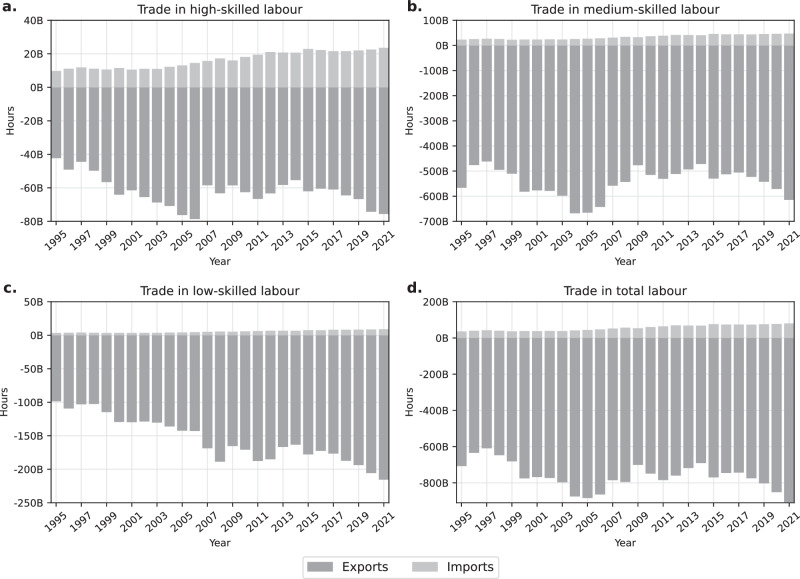
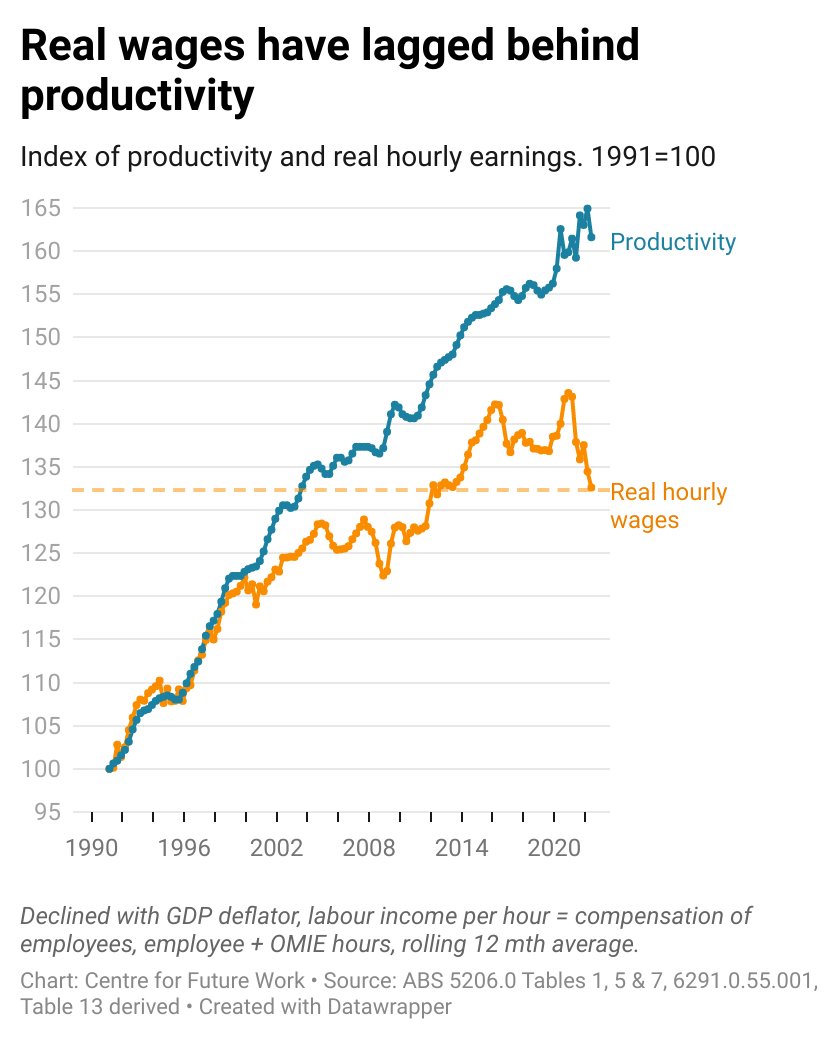
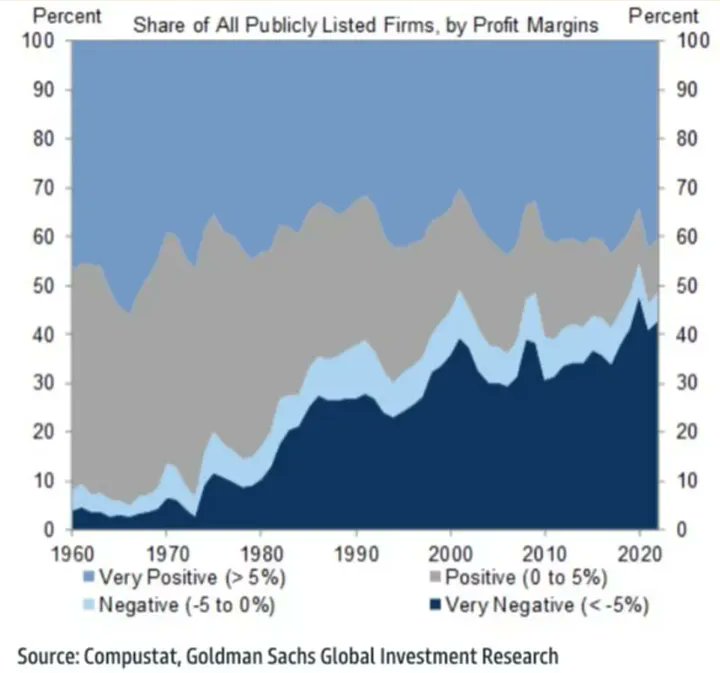
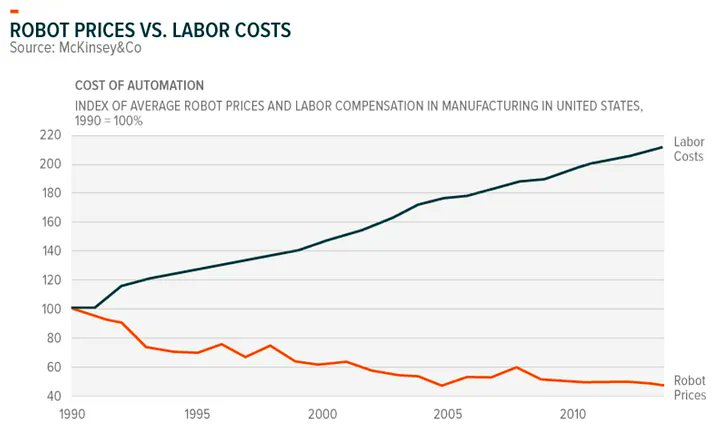
@MuktiPill Overproduction and underconsumption are expressions of the core crisis of capitalism: overaccumulation. An abundance of use values and unprofitable surplus capital = the underproduction of exchange value and compels capital to increase the rate of exploitation. Living standards📉
@MuktiPill Overproduction and underconsumption are expressions of the core crisis of capitalism: overaccumulation. An abundance of use values and unprofitable surplus capital = the underproduction of exchange value and compels capital to increase the rate of exploitation. Living standards📉
@MuktiPill Overproduction and underconsumption are expressions of the core crisis of capitalism: overaccumulation. An abundance of use values and unprofitable surplus capital = the underproduction of exchange value and compels capital to increase the rate of exploitation. Living standards📉
@18brumaireguy They do not realise that in describing post-scarcity, they are describing the preconditions for a higher communist society. How do they expect to profit in the context of full automation? Capitalism begets the conditions for its obsolescence .
@mtheythem Musk is describing the preconditions for a communist society. He does not understand that, in what he projects, private commodity production is obsolete and can only survive through absolute feudalism. Full automation cannot be stopped; capitalism can. https://t.co/MuqGTmpTo1
@NotMagaior@PipelineH8r I have written a substack on why the mass automation of the productive services is a historical likelihood whether capitalism is in play or not. And mass automation destroys the profitability of commodity production, as we have been through before.
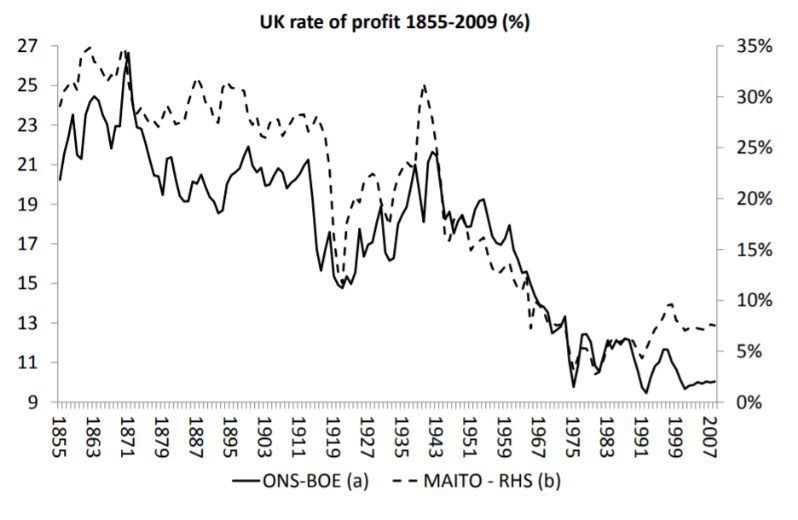
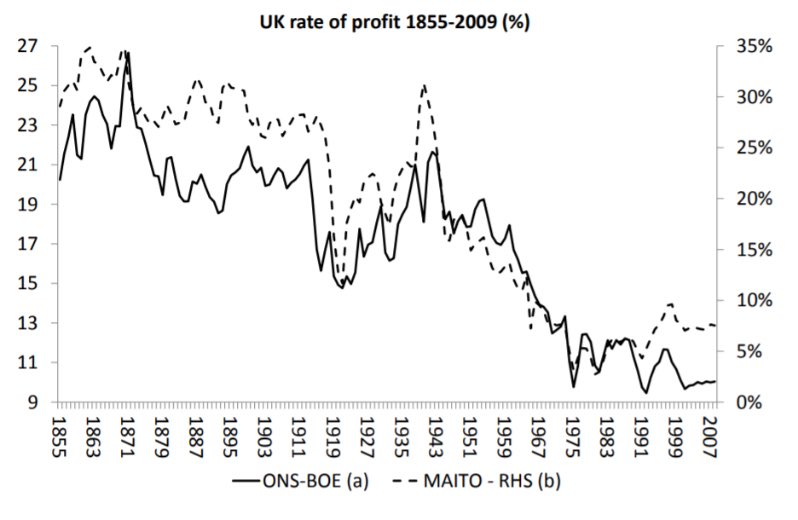
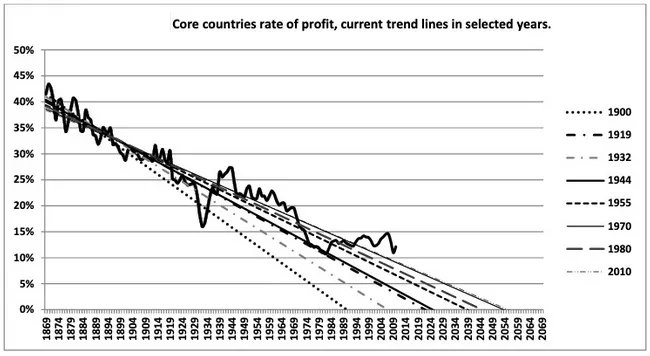
@eatonak Competition = innovation = rising organic composition of capital = decreasing rate of profit. Capitalism creates the material conditions for its obsolescence and untenability.
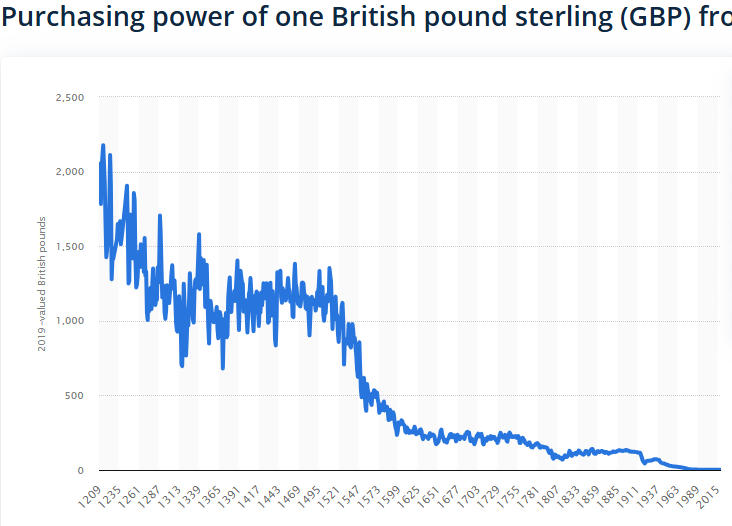
@demcapitalism It necessarily breaks itself apart. Competition accelerates innovation, advancing automation and growth in productivity placing downward pressure on prices, compelling less profit per commodity. Private commodity production is untenable on it's own terms. https://t.co/4RTwcxu0nL
@WildWiredWeasel@die_rizzen That is not a stupid question, that is just an avant-garde expression of the way abstract socially necessary labour time involved with commodity production affects the cost, price and profitability of industry. The graphs usually review pricing proportionally against labour costs
@onthebrinkofjoy Competition = innovation = growth in productivity = rising organic composition of capital = decrease in rate of profit. https://t.co/vRW3OpZRKs
@MuktiPill Overproduction and underconsumption are expressions of the core crisis of capitalism: overaccumulation. An abundance of use values and unprofitable surplus capital = the underproduction of exchange value and compels capital to increase the rate of exploitation. Living standards📉
@PyramidHead76 Full automation abolishes the source of profit, making private commodity production obsolete and capitalism unsustainable. Class society could only survive through absolute feudalism, fascism or slavery, so the whole economy needs to be publicly owned. https://t.co/K3NcPctjv9
@PyramidHead76 Full automation abolishes the source of profit, making private commodity production obsolete and capitalism unsustainable. Class society could only survive through absolute feudalism, fascism or slavery, so the whole economy needs to be publicly owned. https://t.co/K3NcPctjv9
@mtheythem Musk is describing the preconditions for a communist society. He does not understand that, in what he projects, private commodity production is obsolete and can only survive through absolute feudalism. Full automation cannot be stopped; capitalism can. https://t.co/MuqGTmpTo1
Spoke at length in my recent substack article about how mass automation decreases the profitability of commodity production. Mainstream economists are increasingly investigating this area but haven’t put it together that capitalism creates the preconditions for its untenability.
Two economists mathematically proved that AI will destroy the economy.
Researchers from Wharton and Boston University published a terryfiying paper called "The AI Layoff Trap."
They mapped out the economic end-game of the AI transition, and it exposes a fatal flaw in competitive capitalism.
When a company replaces a worker with AI, it captures 100% of the wage savings.
But that displaced worker is also a consumer. When they lose their job, they stop buying things.
The company gets all the savings, but the loss of consumer demand is spread across the entire economy.
If there are 20 competitors in a market, a CEO only absorbs 1/20th of the economic damage their layoffs just created.
So every single rational CEO has a mathematical incentive to automate as fast as possible.
They can literally see the cliff approaching, and they still step on the gas.
It triggers an unavoidable Prisoner’s Dilemma. If you don't automate, your competitors will, and they will crush you on price.
It doesn't just hurt workers. It destroys the businesses, too.
The economy gets trapped in an automation arms race. Companies fire their workforce to stay competitive, until the entire consumer base is completely hollowed out.
At the limit, the paper concludes: “Firms automate their way to boundless productivity and zero demand.”
And the scariest part?
The researchers mathematically tested every popular fix.
Universal Basic Income? Fails. It raises the living standard but doesn't change the corporate incentive to cut jobs. Retraining? Fails. Worker equity? Fails.
The paper proves that more competition actually makes the collapse happen faster. And "better" AI makes the damage worse.
The only thing that mathematically stops the collapse is a targeted automation tax, forcing companies to pay for the purchasing power they destroy before they automate the job.
@NxtDeterio The first step should be to explain why it is accelerating and why it is not the working class’s fault; that reproducing and expanding profit presupposes labour intensive, unsustainable industries. We must earn the trust and loyalty of the proletariat if we are to effect change.
@PyramidHead76 Full automation abolishes the source of profit, making private commodity production obsolete and capitalism unsustainable. Class society could only survive through absolute feudalism, fascism or slavery, so the whole economy needs to be publicly owned. https://t.co/K3NcPctjv9