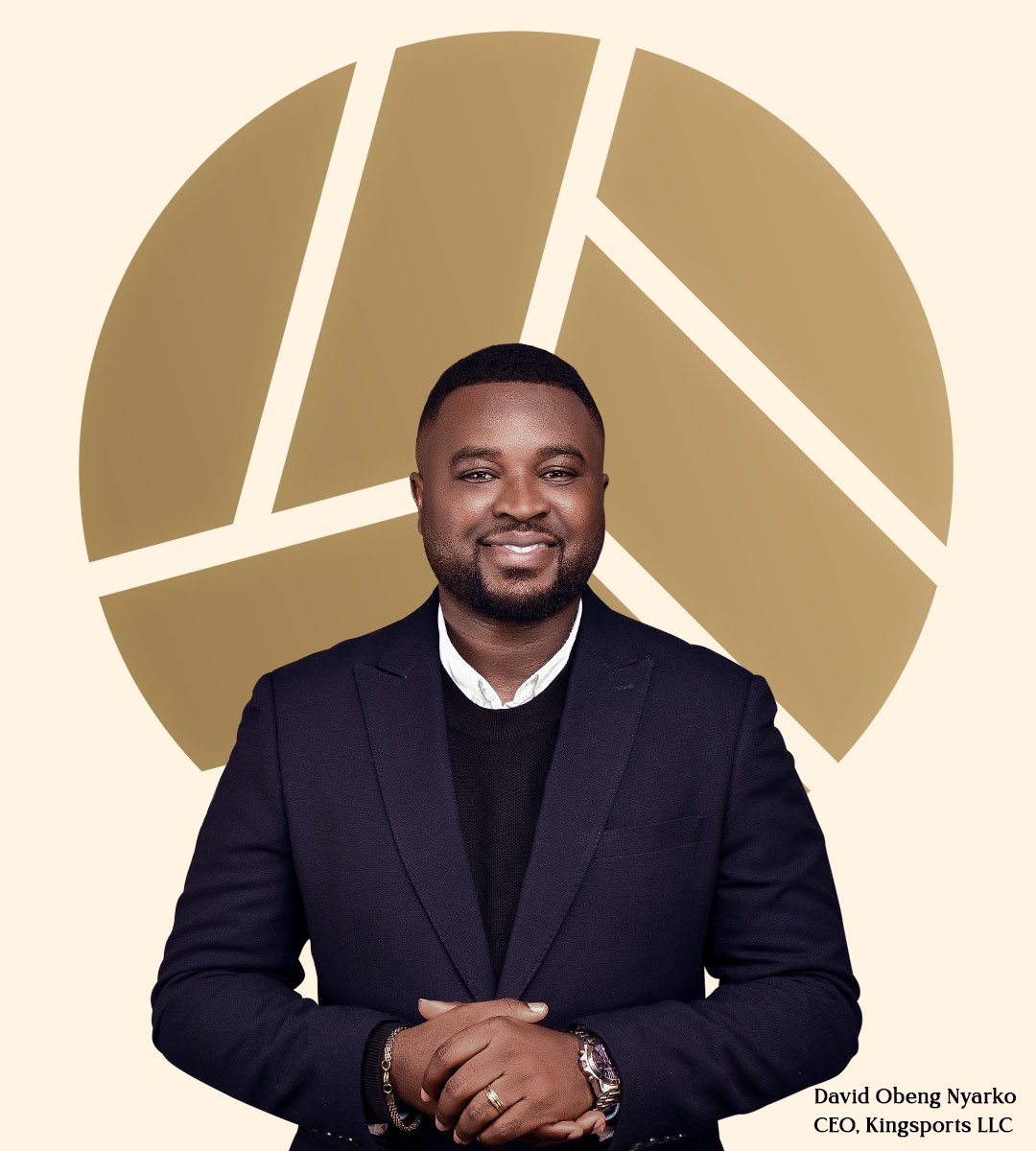
Today, I am proud to begin the next chapter of my journey ;
Kingsports LLC — a sports investment, management, and advisory firm.
Special appreciation to my mentor, @NYA_Samaritan for his guidance, leadership, and unwavering belief in my journey.
#Kingsports
Ghana’s Centre-Back Problem: An Uncomfortable Conversation We Need to Have
The recent inclusion of Luckason in Ghana’s 2026 World Cup squad has sparked debate among fans. While discussions have focused on individual selections, I believe the bigger issue is Ghana’s long-standing inability to consistently produce elite centre-backs.
For a nation that prides itself on its football history, this is an uncomfortable reality.
When discussing Ghanaian defenders who have performed consistently at the highest level of club football, Samuel Osei Kuffour remains the benchmark. His achievements at Bayern Munich, including winning the UEFA Champions League and competing at the highest level for years, remain unmatched by any Ghanaian centre-back before or since.
Compare this to Ivory Coast, which has consistently produced top-level central defenders across recent generations, from Kolo Touré and Eric Bailly to Odilon Kossounou and Ousmane Diomandé today.
Ghana, meanwhile, has excelled in producing players in almost every other position. We have produced “world-class”midfielders such as Michael Essien, Sulley Muntari, Kwadwo Asamoah & Thomas Partey . Forwards like Abedi Pele , Tony Yeboah , Mohammed Kudus with Asamoah Gyan remaining Africa’s all-time leading scorer at the FIFA World Cup.
Yet at centre-back, our production line has never reached similar levels.
What’s even more concerning is that some of Ghana’s most respected academies are yet to solve this problem. Right to Dream produced Abdul Mumin, WAFA developed Mohammed Salisu . All quality professionals, but none has reached the sustained elite level achieved by Osei Kuffour.
This is why discussions around Ghana’s current World Cup defensive options should be approached with realism. The defenders in the squad represent the best our current development system has produced. The issue is bigger than any individual player.
The good news is that there is hope. Young prospects such as Hafiz Gariba at Barcelona and Nana Kwame Boakye at Brann represent a new generation with significant potential.
Moving forward, I believe the solution requires deliberate action. Ghana football ecosystem must place greater emphasis on identifying and developing defenders with the stature, intelligence, leadership and technical qualities required by the modern game. Equally important is the adoption of advanced defensive training methods from an early age.
For decades, Ghana has relied on its natural football talent to produce players. In the case of centre-backs, that approach has not delivered the outcomes we need.
If Ghana is to compete consistently with the world’s best nations, solving the centre-back problem must become a strategic priority rather than an afterthought.
📈 In 2025, global transfer spending exceeded $13 billion.
If transfer spending averages just $10 billion per year over the next five years, the market will generate approximately $50 billion in transfer value by 2031.
Yet today, Africa captures only around 1% of that value.
That means only $500 million of the next $50 billion could flow back to African clubs.
At Kingsports, we believe this must change.
This is why we strongly advocate for the multi-club ownership (MCO) model ; a strategy successfully demonstrated by organizations such as Right to Dream.
Our ambition at @kingsportsllc is not to preserve the status quo.
Our ambition is to increase Africa’s share of the global football economy by at least 4x, creating a pathway for more than $2 billion to flow into African football over the next five years.
To achieve this, African clubs must:
✅ Strengthen governance and ownership structures
✅ Build sustainable player development pathways
✅ Create new and diversified revenue streams
✅ Secure strategic access to European markets through club ownership and football asset acquisition
The future belongs to clubs that do not simply develop talent, but own and control more of the talent pathway.
#KingsportsLLC
This partnership represents more than just investment… it is a shared commitment to building sustainable football structures, creating global opportunities, and helping African football unlock its true value.
Excited for what lies ahead with Ascent Angels and the journey we are building together at Kingsports🤝.
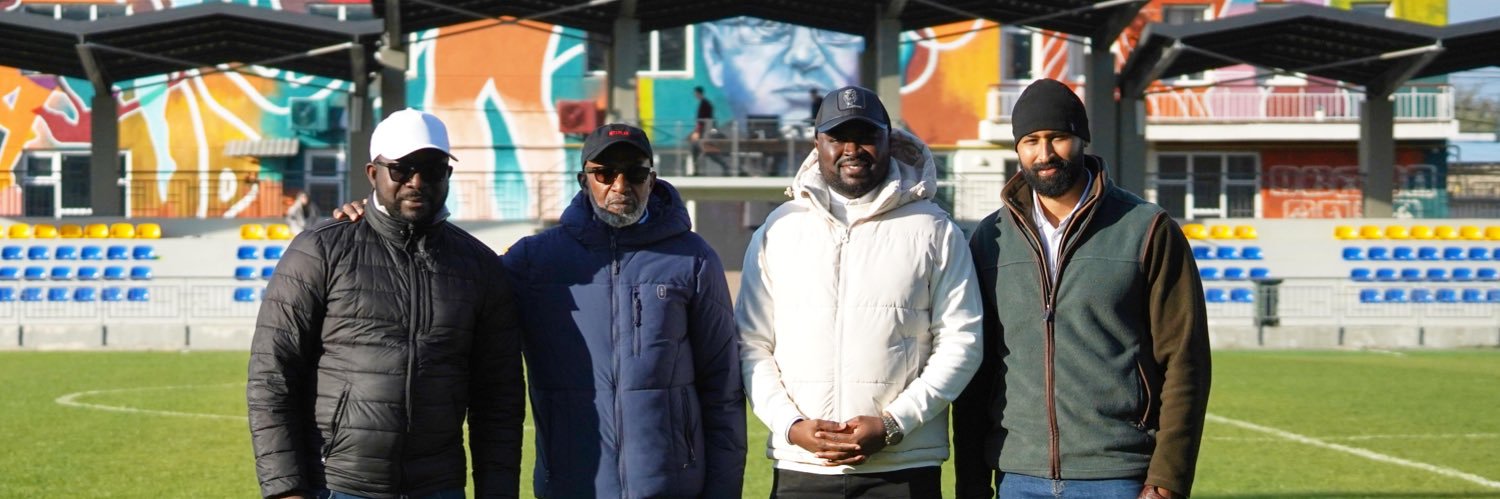
We are proud to announce that Kingsports has strengthened its partnership with @ascentangels
Together, we share a collective vision to build, invest, & manage football assets globally while creating sustainable value and new growth opportunities for African football.
A football club that develops, competes and sells intelligently is not a “scout agency”… it’s a sustainable football institution… a model that tends to build competitive clubs with productive culture, smart recruitment, proper infrastructure and sustainable transfer systems that keep clubs alive long-term.
Europe didn’t build football empires by ignoring transfers .. they mastered them. African clubs can do the same while remaining competitive on the pitch.