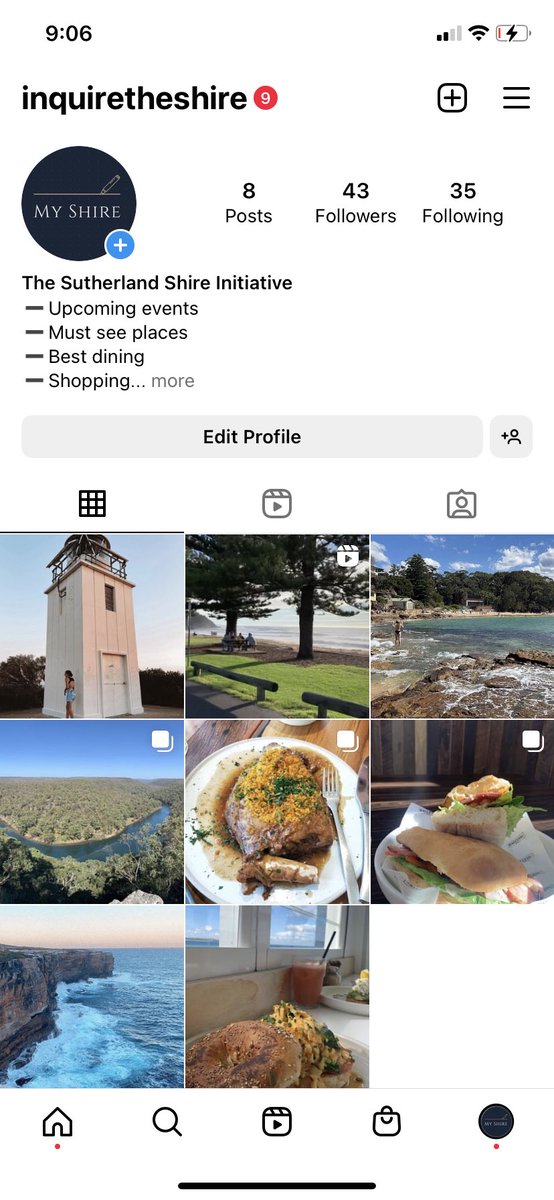
If you haven’t gotten sick of my 114 tweets. Well congratulations because here’s another one. I just finished my contextual report and Digital Artefact and we’ll I don’t know what to say. I’m proud and tired. So I’m gonna celebrate with a nap 🤘🏽
#bcm114
https://t.co/O175YbIgLM
Expand the tweet, look at the pictures and read the blog ... or don't. All you need to know is that this is the end and i'm proud of myself.
https://t.co/RSojmcfTUK
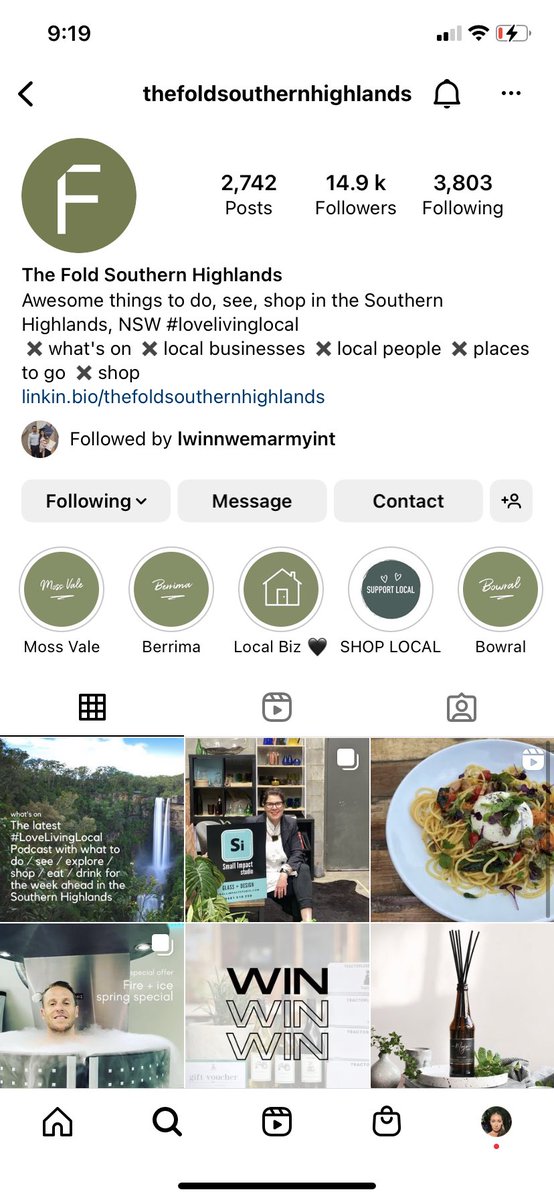
Throughout my project development I have been greatly influenced by an account called ‘the fold southern highlands’. In looking at their account I’ve noticed a couple things. One being that their content changes in accordance to seasons.
However, I believe in a sense, that there are people out there who probably haven’t seen a certain place or done a certain thing in the shire. Hence, I will continue to post these places of note no matter it’s popularity.
Slowly, I’ve been finding it more and more difficult to find new things to see and do. I have been texting family and friends my ideas and most have stated that it’s a pretty common/ popular spot.
To a point, it has restricted me a little bit. Honestly, stopping me from posting some content as I felt as though if locals have already seen it it’s not “ new and exciting” as it should be.
Nowadays, consumers utilise search engines to navigate through content more efficiently. Generally speaking when one uses a search engine, you’re aiming to find an answer to a specific subject. https://t.co/ulgi8XFHHg
Video inherently became engaging. It was easier to follow than blogs, newsletter or ebooks. Gradually audiences relied upon it more and more as years progressed. By the end of 2010, platforms like youtube were central to the landscape of content marketing.