@SEATTV@SEATTV We have the better methods! We can do much more than 2598 acres (provided the perfect conditions are present). Each 106 team can treat from 40 to 80 acres per day even if the conditions are less than ideal! Imagine 50 teams on the ground covering 5K acres per day.
The Dixie National Forest just announced their "controlled burn" fire mitigation plan for 2025-26. They will be treating 3 areas for a total on 2598 acres. That is less than 0.01% of a forest that is way more overgrown than not. We can and must embrace better methods.
@SEATTV We will be participating in a Trial Use study that The County Seat will be covering in a future episode. Water shortages are happening across the Western U.S.. This is exacerbated by invasive species like conifers, Pinion Juniper, Tamarisk, and Russian Olive. We can do better.
Check this out! According to NASA, Tamarisk now covers 3.3 million acres of shoreline in the Southwestern United States. Roots can tap 100 feet below surface, taking water from both rivers and aquifers. Look for story soon.
https://t.co/NnfEXHmAS0
106 Reforestation
This is what we do:
* "No Burn Common Sense Forestry"
* Aspen & native species regeneration
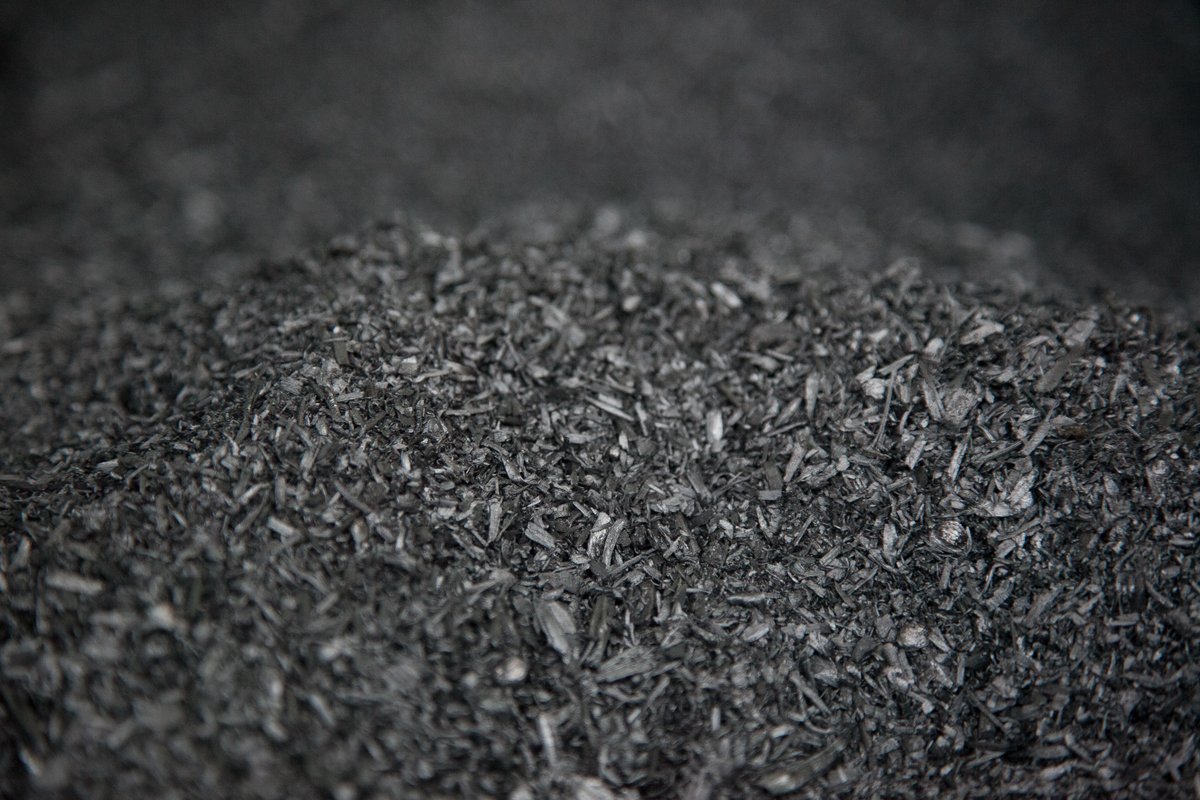
* Biochar conversion
* Watershed development
* Enhanced wildlife habitat
Earth to Sky Solutions
https://t.co/8eMSk8zkjr
"New bipartisan bill, the Watershed Protection and Forest Recovery Act aims to streamline watershed restoration on U.S. Forest Service lands post-wildfire. It establishes an Emergency Forest Watershed Program to protect water supplies. #WatershedRestoration#WildfireRecovery"
We were honored to be selected as Watershed Management Company of the Year by Environmental Business Review.
Our team wishes to express our thanks to our leader Mike Siaperas for his vision and determination to improve the state of our forests.
https://t.co/07TqKWwpVC
New research shows that bio-char, a carbon-rich material produced by heating organic waste without oxygen is capable of storing carbon in soil for millions of years, far longer than previously estimated. This is a way to clean up forests and improve crop production in the U.S.
The avg. amount of water that a conifer takes out of the water system in a growing season is about 30 K gal.
With 200 trees per acre, that's about 6 m gallons per season. 6 m x 2.1 M acres (avg. size of a forest) that is 12.6 B gallon
WE need to thin forests now!
Our Cold Springs treatment area is yielding great results after just a few short years. We offer a practical method to preserve our precious forests that is cost-effective and will benefit both humans and wildlife. Please give us a follow or visit https://t.co/8eMSk8zkjr.
*Before and after* Mismanaged forests run rampant in our country and others abroad. Here is some before and after shots of our treated areas. The wildlife thrive, there is more moisture present, and the risks for wildfires goes down substantially. Visit https://t.co/8eMSk8zkjr
Many people that come across our treated areas quickly note the rich abundance of wildlife that surrounds them. We truly have the methods to benefit our forests for the betterment of both people and wildlife. Learn more at https://t.co/9QrSNVZZkm.
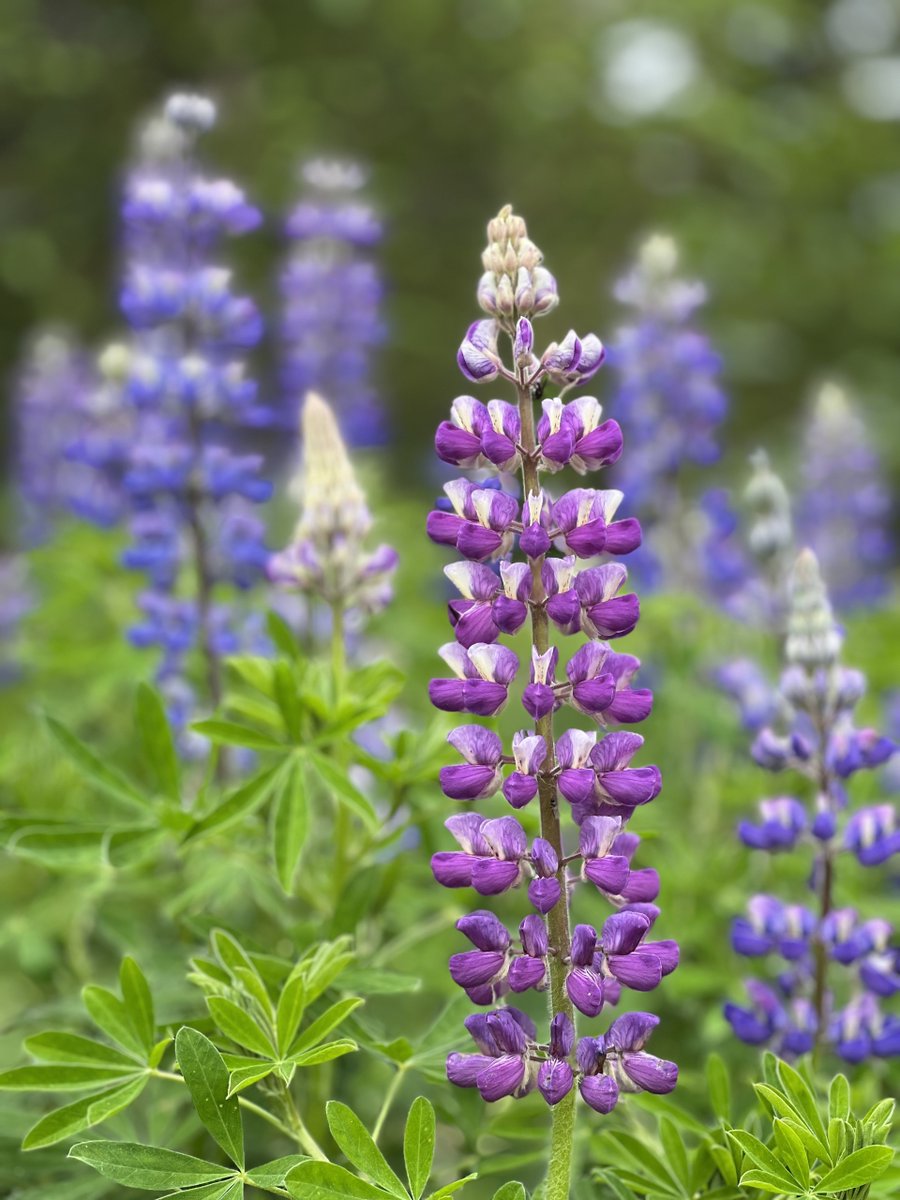
Nantl'ili t'una; the Dena'ina word for Lupine, meaning “bee's plant".
The beautiful blue-purple hues of Lupine can be spotted all about Lake Clark National Park & Preserve as summer is now full swing. With abundant rain, the wildflowers are as full and bright as ever!
Air pollution from wildfires are a major health concern, even by prescribed fires. Our process will provide the necessary balance in the forest and mitigate the demand for prescribed burns. Visit https://t.co/8eMSk8zkjr to learn more.