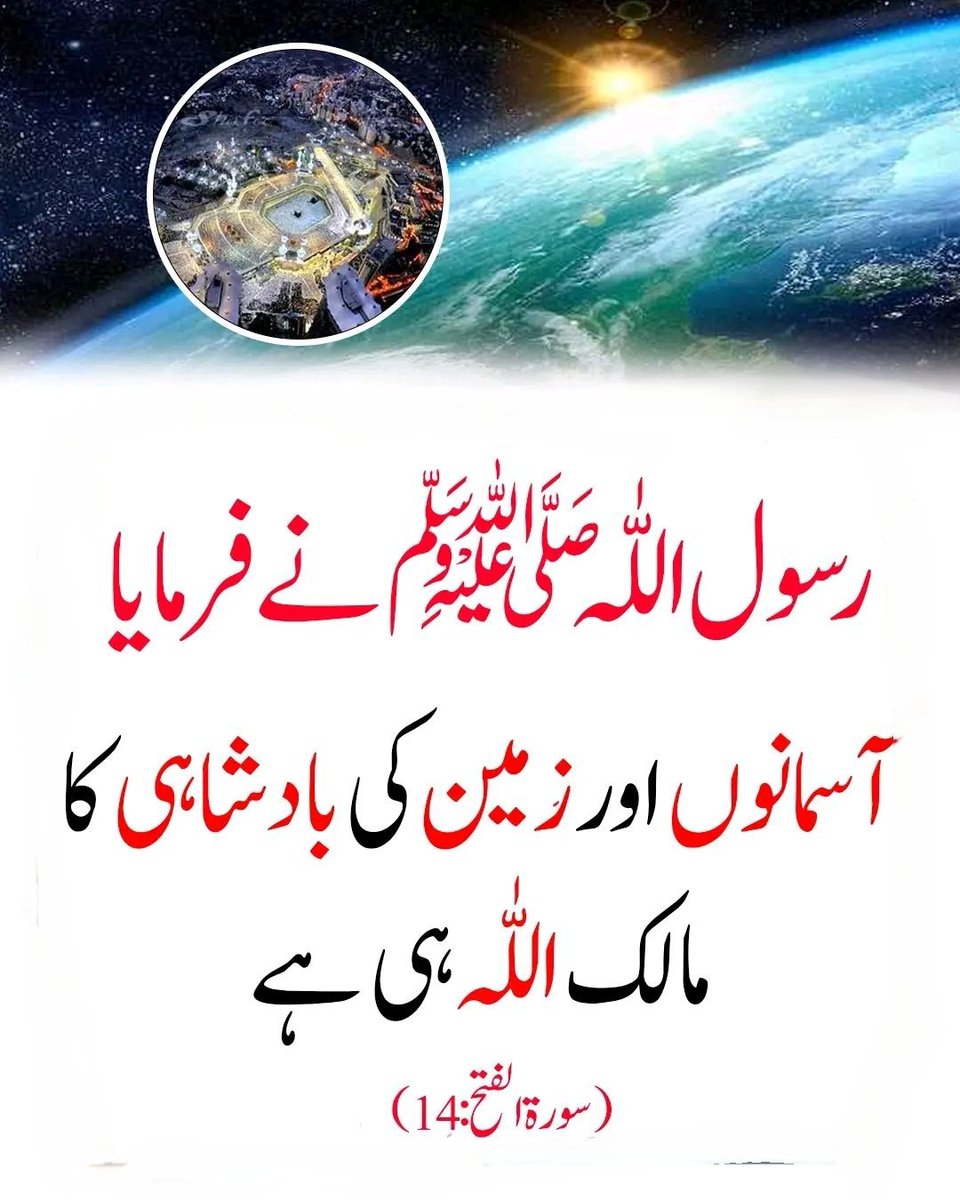
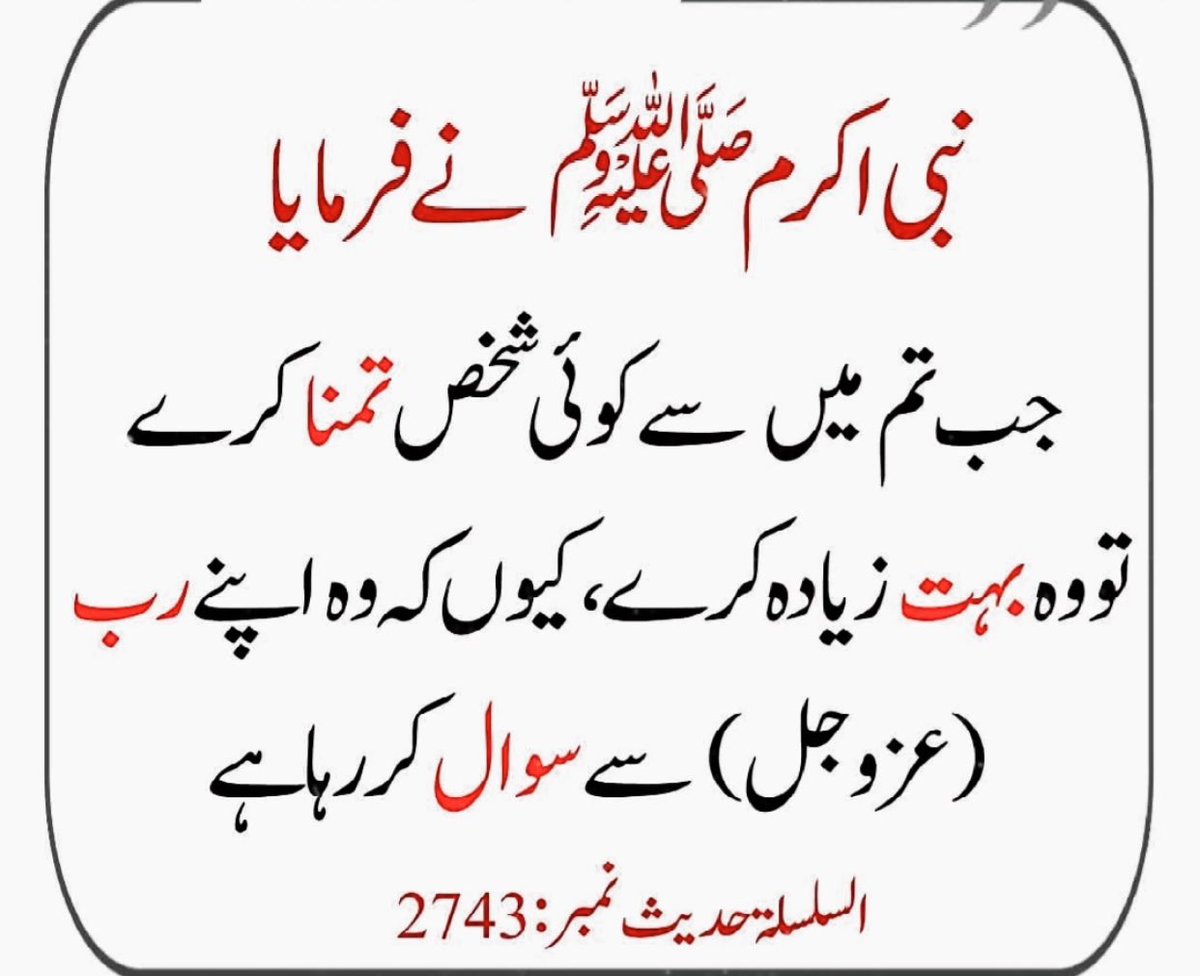
نبی اکرم ﷺ نے فرمایا:
“حضرت جبرائیل علیہ السلام نے فرمایا: میں نے زمین کے مشرقی حصے اور مغربی حصے کھنگال لیے، لیکن مجھے کوئی ایسا شخص نظر نہیں آیا جو حضرت محمد ﷺ سے زیادہ فضیلت رکھتا ہو۔”
📖 حوالہ: مجمع الزوائد، حدیث نمبر: 13829
اس روایت میں نبی اکرم ﷺ کی فضیلت، عظمت اور بلند مقام کو نہایت واضح انداز میں بیان کیا گیا ہے۔ جبرائیل علیہ السلام جو اللہ کے مقرب فرشتے ہیں اور جنہیں کائنات کے مخ��لف حصوں کا مشاہدہ عطا کیا گیا، وہ یہ گواہی دیتے ہیں کہ پوری زمین میں کسی بھی انسان کو نبی کریم ﷺ جیسی فضیلت حاصل نہیں۔ یہ اس بات کی دلیل ہے کہ رسول اللہ ﷺ تمام انسانیت میں س�� سے افضل ہیں۔
مثال کے طور پر دنیا میں بہت سے انبیاء، اولیاء اور نیک لوگ گزرے ہیں جن کا مقام بہت بلند ہے، مگر نبی کریم ﷺ کو اللہ تعالیٰ نے ایسا جامع کمال عطا فرمایا کہ آپ ﷺ عبادت، اخلاق، رحمت، قیادت اور انسانیت—ہر پہلو سے کامل ترین ہیں۔
اسی طرح مثال کے طور پر نبی کریم ﷺ کی سیرت کو دیکھیں تو دشمنوں کے ساتھ بھی رحمت، کمزوروں کے ساتھ شفقت، اور اللہ کے حضور کامل عاجزی نظر آتی ہے، یہی وہ صفات ہیں جن کی وجہ سے آپ ﷺ کو تمام مخلوق میں سب سے اعلیٰ مقام حاصل ہوا۔
یہ روایت ہمیں یہ سبق دیتی ہے کہ نبی اکرم ﷺ کی محبت، تعظیم اور اتباع ایمان کا حصہ ہے، اور جو شخص آپ ﷺ کی سنت کو ا��نی زندگی کا معیار بنا لیتا ہے وہی حقیقی کامیابی اور اللہ کی رضا حاصل کرتا ہے۔
استنبول میں دریافت ہوا ایک قدیم اور نایاب مصحفِ قرآن، جو سونے کی روشنائی سے تحریر کیا گیا ہے.....!!!
اتنی چھوٹی اور باریک خطاطی کے باوجود آسانی سے پڑھا جا رہا ھے۔
سبحان اللہ پڑھ کر شئیر کریں۔
جب رسول اللہ ﷺ سدرۃُ المنتہیٰ تک پہنچے
تو قلم رک گیا، لفظ تھم گئے، اور بیان عاجز ہو گیا۔
یہ اس بات کی دلیل ہے کہ
الٰہی قرب کے کچھ مقام ایسے ہوتے ہیں
جہاں عقل کی حد ختم ہو جاتی ہے
اور صرف عشق، یقین اور تسلیم باقی رہ جاتا ہے۔
وہ مقام دلیل سے نہیں، نورِ مصطفیٰ ﷺ سے سمجھا جاتا ہے۔
یہ ویڈیو واقعہ معراج کی روحانی اور سائنسی اہمیت کو بہت خوبصورت انداز میں بیان کرتی ہے،کہ جب نبی کریم ﷺ اپنی زندگی کے مشکل ترین دور (عام الحزن یا غم کے سال) سے گزر رہےتھے، تو اللہ تعالیٰ نے انہیں اپنا مہمان بنایا،یہ سفر وقت اور جگہ کی قید سے آزاد تھا۔
اسے کائناتی پورٹلز یا ایسے راستوں کے استعارے سے سمجھایا گیا ہے جو مادی دنیا سے ماورا ہیں۔اسے"اسپیس کمپریشن" (مکان کا سمٹ جانا) سے تشبیہ دی گئی ہے، یعنی فاصلوں کا ختم ہو جانا
In January 2025; the government of Tamil Nadu - India 🇮🇳 has offered a $1-million reward for anyone who can decode the cryptic script of the Indus Valley Civilization (IVC), one of the world’s oldest urban cultures. Chief Minister M.K. Stalin made the announcement as a follow-up to a new study suggesting striking similarities between symbols in the Indus script and those in ancient Tamil pottery.
The Indus Valley Civilization, also known as the Harappan Civilization, flourished 5,000 years ago in the fertile plains of the Indus in what is now present-day northwest India and Pakistan. Characterized by sophisticated urban planning and commercial networks, the civilization left a script that, for over a century, has resisted all efforts at deciphering by scholars.
The mysterious script, comprising about 4,000 inscriptions, occurs almost exclusively on seals, pottery, and tablets. Most inscriptions are short, between five and six symbols, and the longest known inscription contains 34 symbols. The fact that the script is short, combined with the absence of longer inscriptions or bilingual artifacts, like the famous Rosetta Stone, has proven to be an obstacle for researchers.
The script of the Indus first came to international attention in 1875 when an Indus seal, discovered by the British archaeologist Sir Alexander Cunningham, was published. Since then, a variety of hypotheses have been proposed, attributing the script to a Dravidian language, early Brahmi, an early Indo-Aryan language, and even Sumerian, but none has gained universal acceptance.
Renowned Indologist Asko Parpola has characterized the script of the Indus as “the most important system of writing that is undeciphered.” Despite breakthroughs in linguistics and archaeology, its language, use, and meaning have yet to be understood.
Recent studies have hinted at the script having a connection with Tamil Nadu’s early graffiti markings. Researchers K. Rajan and R. Sivananthan compared over 14,000 ceramic sherds of Tamil Nadu and discovered similarities with the Indus script. According to them, 60% of the signs showed a match, suggesting a potential cultural contact between southern India and the Indus Valley.
The prize announcement renewed worldwide interest, with computer scientists, engineers, and linguists putting forward claims. Researchers such as Nisha Yadav at the Tata Institute of Fundamental Research have been applying machine learning to analyze script patterns. However, some experts doubt whether machine learning can actually break the script’s code.
Decoding the Indus script, if successful, will reveal information about governance, trade habits, and the beliefs of the Indus Valley Civilization. Tamil Nadu’s reward also reflects the state’s attempt to highlight its cultural heritage and attach it to one of history’s most mysterious civilizations.
#archaeohistories