A lot of record labels are robbing our artists, how can an artist that has generated millions for these companies can’t afford his/her own mansion and also we have a lot of music workshops happening but they are just reciting what’s written in music books, can they be more practical as per the South African industry in these workshops when educating artists.
@GaytonMcK you are inspiring the Art and Culture Sector. This was a post from @2020Gawd , an independent label and distribution house owner. Keep leading by example!
I think they poisoned the masses with “processed foods” to dumb them down or not reason the way they should be reasoning, mind control programs were implemented in South Africa a long time ago,there’s a serious problem here 🤞🏾
WE NEED TO BAN FOLLOWING NGOs FROM SOUTH AFRICA
- Brenthurst Foundation
-Open Society Foundation
-Bezos Foundation
-Helen Suzman Foundation
-Fulbright Foundation
-Bill Gates Foundation
- Rothschild Foundation
Anything can you add
@selina_m85 @Xee_GP Iyoo..ngubani iClever Black neSlima manje? 🤔I am not programmed to hate another black person regardless of wer they come from,angfani nawe 🤷🏽♂️
Some label owners are also getting robbed by Major labels, they also don’t understand the #musicbusiness fully…how can you have the biggest Amapiano Label in the country and owe a major label R20Million 🤔clearly you need a music consultant,Big labels in Nigeria understand the business fully hence they sign $200Million deals….
sir trill , Porry Music Industry, Amapiano
@PLMscouting@ThisIsColbert Black People’s programming doesn’t favour them at all,I can’t even find or say anything great about it,I’m sorry but only a few manage to break free from the slavery..and it’s “Mental Slavery”
@PLMscouting@ThisIsColbert Misleading in what sense? Having Degree doesn’t mean you will have a great life..those are Facts, we were programmed to be slaves 🤷🏽♂️
We must never allow media to brainwash us into believing that Zama Zama's are bad people.
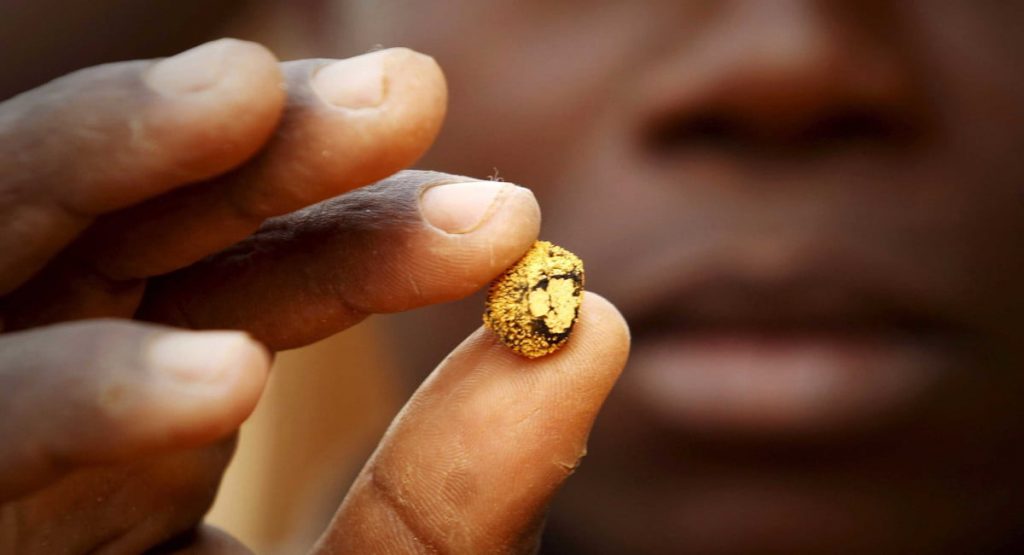
What Zama Zama's are showing us is that mining is easy and it doesn't need any foreign investors. Those guys are showing us that mining is as simple as growing vegetables in your back yard. The truth is that if they discover that spinach cure HIV, you will need to get 20 certificates of approval to plant it.
That is the same thing with mining. It is simple for foreign companies to get approvals for mining but it is difficult for South Africans to get those approval. People of Sekhukhune in Limpopo walk on Chrome but they are not allowed to pick it up. Yes, Chrome in Sekhukhune is straight on the surface.
Government must legalize and support small scale mining. We don't need spaza shops. We want small scale mines. One gold or diamond a day is more than what a spaza can make in a month.
ANC leaders are very much bold when discussing about us taking back Spaza shop business from foreigners but they say nothing about mines. We do not want Spaza Shops, we want mineral wealth because there are billions in the mining business. We will use those billions to build factories to manufacture products that are sold in Spaza shops. In that way we will own the supply monopoly.
NB: Eskom Careers | YES Internship Opportunities
Apply here https://t.co/DWk4lEwaUJ
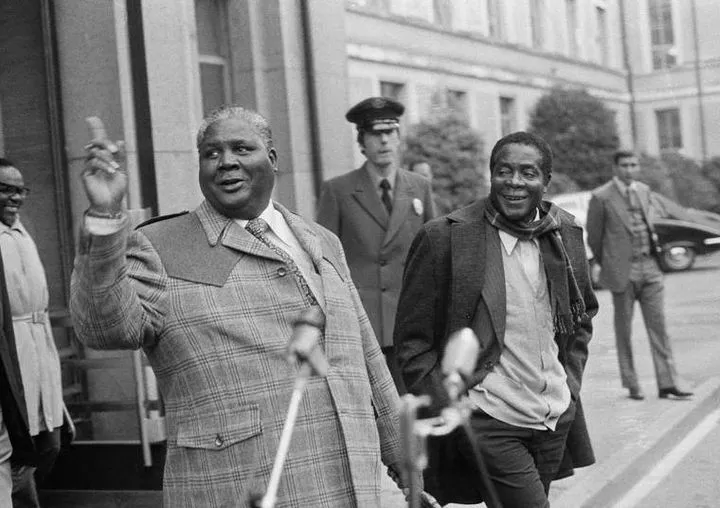
I think you should do a deep research on this matter my brother and stop being brainwashed by your media and your Shona relatives,like really get to the bottom of it and understand that the Government of R.Mugabe actually planned this Genocide to take control of the country and put fear among Joshua Nkomo’ people to make it a one party state..
Being born into a Ndebele, Kalanga or Sotho family in Zimbabwe can be a bewildering, challenging and frustrating affair. If you were born in Bulilima, Matabeleland South, like Joshua Mqabuko Nyongolo Nkomo was, in 1917, you could never become the head of state, because Mashona will never vote for an ethnic Kalanga representative in a presidential election.
Yes, regrettably, that's just the way things are: Mashona are unashamedly biased on tribal grounds.
So, if you are a young, imaginative and intelligent Ndebele man or woman, who is making plans for the future, learn to understand that there are unmarked restrictions with respect to what you can achieve in Zimbabwe, regardless of your character, experience and leadership skills. Rule number one is, forget the presidency; you will simply never be good enough for the rabid tribalists who hail from Mashonaland.
See Mashona have this exclusive arrogance about being Shona, the Shona language, Shona history, and a strong conviction Zimbabwe is a vast Shona kingdom. And they, quite regularly, blame King Mzilikazi and King Lobengula for every possible ill that has afflicted the land since Cecil John Rhodes led a column of European settlers and the British South Africa Company into this beautiful country in the late 18th century.
That is because in the Shona scheme of life, and tribal brotherhood, everything comes down to where you live and, sometimes, where your parents or great-grandparents lived in the 1800s. Everything boils down to where your ancestral home is. And everything else is secondary to that which you truly are. So nothing pleases Mashona more than discovering they share the same totem with a new colleague or casual acquaintance.
You could meet somebody new in New York and they would be so excited and consumed with where you are from and far less excited with the substance of your humanity. So they will call you Shumba, Shiri, Soko Murewha, Mhofu, or whatever your totem is, at every twist and turn, and construct idealistic appraisals of your moral character and family values, all based on your totem.
Plus, just to get things super right and familiar, they will throw in a strong regional accent in all conversations to cement the budding tribal relationship.
But while I enjoy the camaraderie of close and casual friendships and appreciate the quintessential currency of cultural attachments, beliefs and practices, I have never been comfortable with friendships built on varying levels of ethnic and social discriminations.
Mashona always have this thing about Shona cliques. Which explains why, if you come from Bubi, Tsholotsho, or Nkayi, you will not ever really become friends with people across the racial spectrum that are Shona, unless you learn to speak the Shona language and adopt Shona-like characteristics.
You can work together, though, share a copy of Newsday on the bus each morning, make small talk at the airport and exchange pleasantries every day, but chances are, you will never go out for drinks on a regular basis, have warm meals at home on weekends and evolve into real friends. You will not let your families form close bonds and certainly never pick each other up from the bus station, share groceries and do the small things that close friends do for each other.
And if you are a Ndebele person who is keen to join the world of politics, please accept that comedians like Gringo and football players such as Knowledge Musona and Tendai Ndoro conceivably stand a better chance of becoming the president of Zimbabwe than accomplished leaders in the mould of Professor Welshman Ncube, Dr. Nkosasana Moyo and Dr. Thokozani Khuphe ever will in this highly intolerant lifetime.
See Mashona always find ways to justify why prominent Ndebele politicians cannot become state presidents. Indeed, for the most part, they are never smart enough and eloquent enough for supposedly highly educated and enlightened Shona voters. And if the Ndebele politicians happen to have PHDs in law, history or economics, or extensive experience in business, they are just never streetwise enough or battle-hardened enough for Shona voters.
So, the bottom line is, Ndebele politicians are simply unacceptable in this race-definitive atmosphere of shamefully backward politics – and, nearly 30 years after the Unity Accord was signed in Harare, the Zanu-PF presidency is strictly reserved for Shona leaders. So is the MDC-T leadership.
However, Ndebele football players can captain the national football team, just like the legendary Peter Ndlovu did in the 1990s, since MaZezuru, Manyika and Makorekore are absolutely crazy about winning football matches. Have you ever seen how passionately wild and violent matches between Dynamos and Highlanders can get on a calm Sunday afternoon at Rufaro Stadium?
But if you ever perform Ndebele songs at a televised national event, such as President Emmerson Mnangagwa’s inauguration at the National Sports Stadium, like Jeys Marabini so willingly and patriotically did on November 24, 2017, all manner of Mashona people, skinny, fat, young and old, educated and uneducated, will click their tongues, frown endlessly and attempt to pelt you with plastic bottles and cans for singing in a national language they do not understand.
But that is half of the story: the economic and social reality of life in Matabeleland is fairly scary stuff. In particular, Matabeleland North is the poorest province in the nation, and a whopping 82% of all households there are poverty stricken and 40% suffer from extreme poverty.
Yet it is the insistence on a seemingly grave expression of tribal exclusion that I find hard to accept and appreciate. I believe in social fairness and the need to value people for who they are, irrespective of colour, nationality and race.
And I believe in making the most of interracial relationships and multicultural circumstances and opportunities wherever I am.
For the strongest societies are not built on narrow, tribal alliances, but expansive, unified collections of multicultural beliefs and practices and equal socioeconomic and political opportunities for all people.
From Germany to Rwanda, two countries affected by severe circumstances of tribal warfare and genocide, the greatest resource any modern nation can possibly boast is a solid amalgamation of racial and ethnic diversity.
Zimbabwe, sadly, is bleeding immeasurable happiness and mutual hope over the Gukurahundi atrocities, and suffering tremendously for the tragic and time-locked histories and sins of its great forefathers and founding fathers.
We find comfort in continually drifting apart and seemingly conspire to manufacture hate amongst ourselves.
Yes, Mashona and AmaNdebele people remain slaves to the customary and tribal yokes all of us carry on our proverbial necks, when, Heaven knows, everyone deserves an equal chance in life.