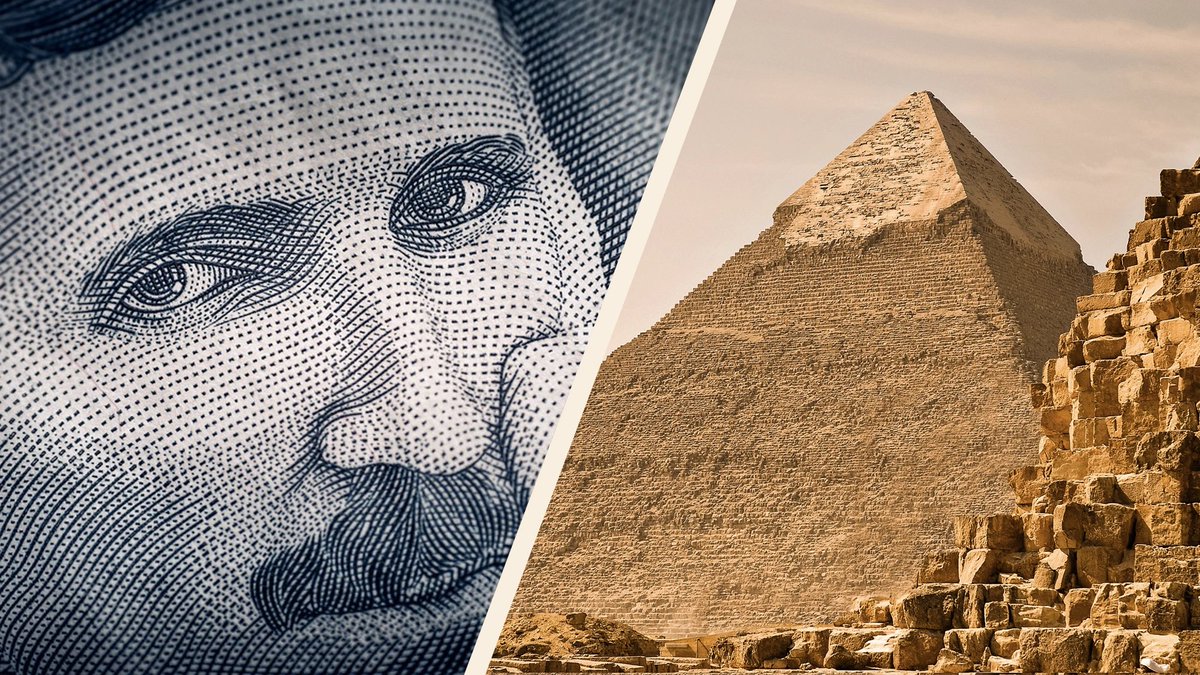
Nikola Tesla, a brilliant inventor and scientist, had an intriguing theory about the Great Pyramids of Giza. He believed that the pyramids were not just tombs for the pharaohs, but also served a higher purpose as energy transmitters.
Tesla's fascination with the pyramids stemmed from his understanding of the Earth's ionosphere and the potential to harness the energy of the cosmos. He theorized that the pyramids were aligned with the Earth's magnetic field and could be used to generate and transmit electricity wirelessly.
To test his theory, Tesla built Tesla Towers according to laws inspired by studying the Pyramids themselves. He even filed a patent in the U.S. titled "The art of transmitting electrical energy through the natural medium," outlining designs for a series of generators around the world which would tap the ionosphere for energy collection.
While Tesla's theories on the pyramids have been met with skepticism by modern scholars, his innovative thinking and willingness to explore new ideas demonstrate his brilliance. The mystery of the pyramids continues to captivate us, and Tesla's ideas have undoubtedly contributed to the ongoing fascination with these ancient structures.
In 1960, David Latimer planted a spiderwort sprout inside of a large glass jar, added a quarter pint of water, and then sealed it shut.
He opened the bottle for the first time only 12 years later, in 1972, to add some water and then sealed it for good.
The self-contained ecosystem flourished for more than 60 years as a perfectly balanced garden and self-sufficient ecosystem.
The bacteria in the compost ate the dead plants and broke down the oxygen released, turning it into carbon dioxide, essentially forming a microcosm of Earth.
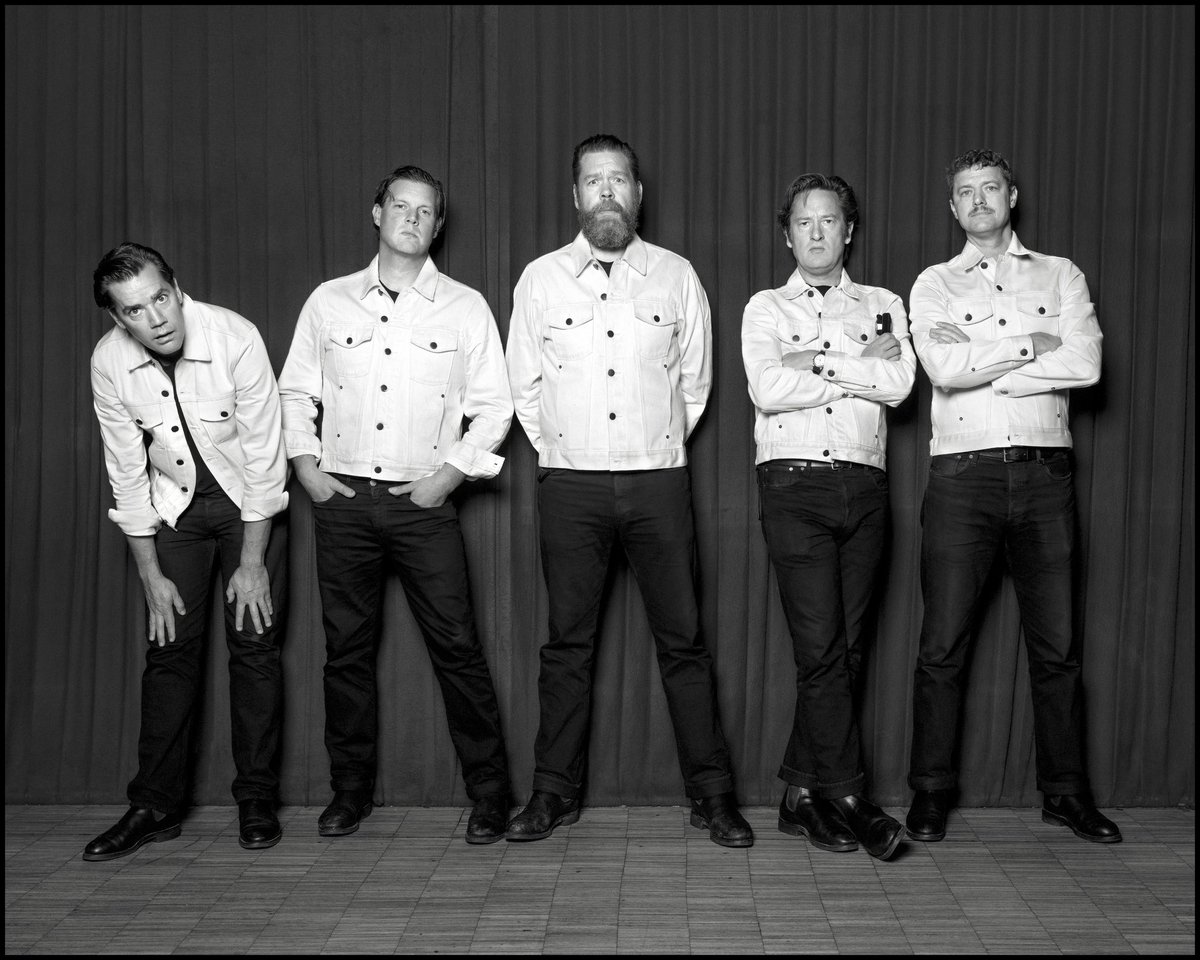
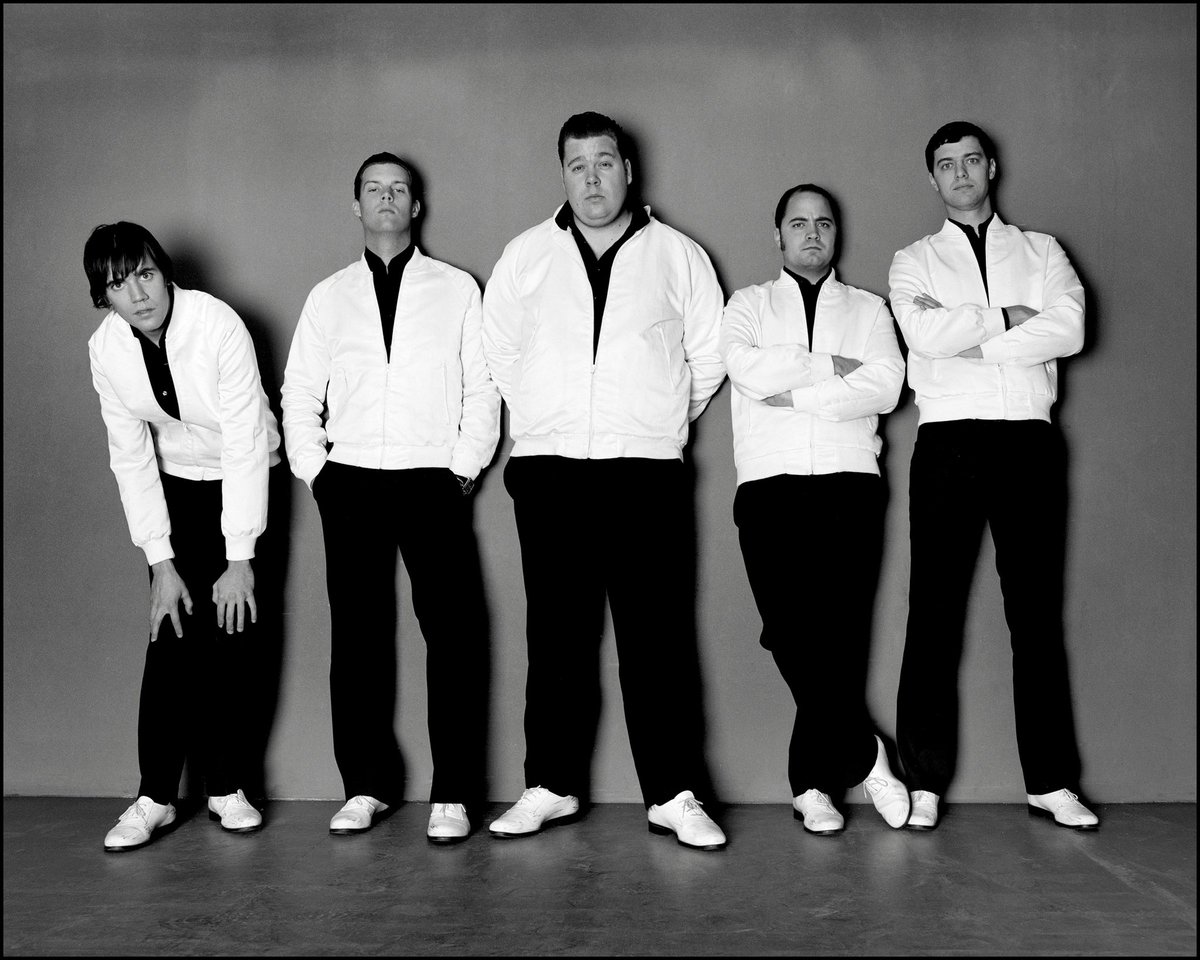
We present to you, The Hives Oct 2004, Nov 2007 and Sept 2023.
Posing the same for comparison. Aging like fine swine. The bass player ages weird though. Seems completely changed.
Which is your favorite era and why is it 2023?
📸 Erik Weiss