The “Kinetic” in “Kinetic Cognitive Style” (a reframing of ADHD) is about more than hyperactivity.
Kinetic captures the energy of a cognitive style driven by attention, interest, fascination, novelty, challenge, and urgency.
https://t.co/l3k1zqUVvs
#ADHD#KineticCognitiveStyle
1. This is an updated and more organised thread on how to support #EAL students and their families, particularly those who are #RefugeesWelcome
If I have missed anything please let me know and I will add to this thread
Language shapes perspectives.
Embracing an asset-based approach towards multilingual learners and their families amplifies their strengths and contributions.
What would you add to the list below? ⬇️
#edutwitter#multilingualism
For years, I've consistently warned about the cognitive impacts of Covid, and now, an eye-opening study under review in the Lancet lends further weight to these concerns. This research unveils a startling revelation: Covid's cognitive aftermath might be akin to accelerating the brain's aging by 20 years. This is not about alarmism; it's about facing reality. We're not dealing with mere speculations anymore; we're seeing concrete evidence emerging. While the paper is yet to be published, its findings cannot be overlooked. We must also reconsider how we view the 'mildness' of infections and their long-term consequences, as impairment has been found even after cases characterized as mild. As a community, it's time to accept these implications and reassess our response to the pandemic. Ignoring these potential cognitive risks is no longer an option. Let's prepare to adapt our strategies in light of this new evidence.
Most kids don’t misbehave. Yet I see many schools with systems and rules that see everything as misbehaviour and treat them like they do.
There is a level of expectation around children’s behaviour that no adult could achieve.
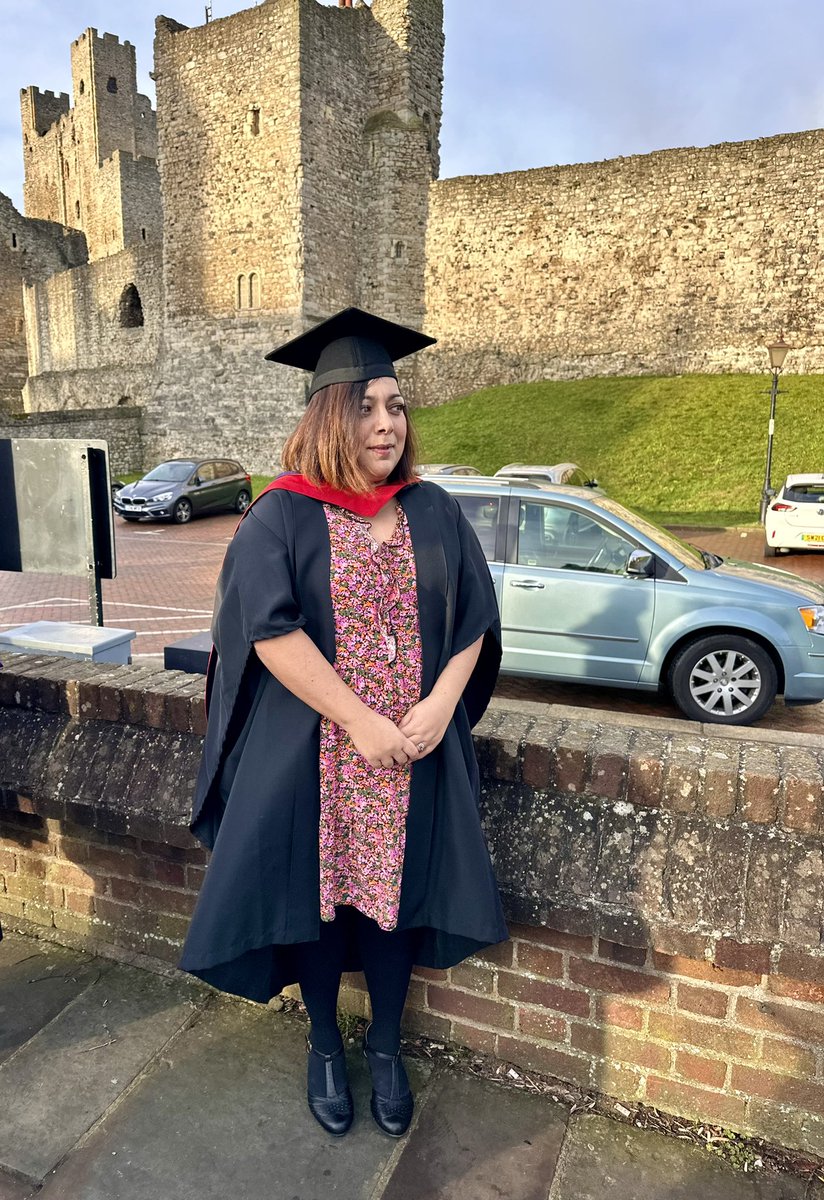
I came to UK aged 4 as a refugee fleeing a war zone. Lost my dad at the age of 9 to substance abuse. Raised by a single, struggling parent, was told at 12 I’d struggle because English wasn’t my 1st language. Graduated with a 2nd degree today. Your circumstances do not define you.
I was a doctor.
Then burnout and mental illness happened.
Upset & ashamed, I left.
It's been nearly 5 yrs.
As I navigate returning to medicine, I'm reminded of 3 things about the NHS...
🧵
Interesting conversation this morning. I am a care leaver who left school with one GCSE. I was homeless the same week. Dumped. I have no degree, and I've spent the best part of my 20s &30s trying to level up. I've written two very successful books and dedicated my life to the care system to help other young people like me. Have I been discriminated against or overlooked because of my background? Absolutely. And I've called it out many times. I would say I'm more than qualified to contribute to policy change and legislation, and I will continue regardless of having no university degree or qualification. Many care leavers do not get the opportunity to study because staying alive and paying bills is a priority. #changeiscoming
@celebrikid It's also worth pointing out that trauma especially when your in shutdown can cause auditory processing to go laggy or just go, motor skills to go wonky ( lots of chairs get crashed into ) and words get lost. And that it magically all returns when you stop dissociating
“We also found that those who considered autism to be a ‘disorder’, rather than a difference or disability, were more likely to have attempted suicide.
https://t.co/Jlj9HnVYVt Autistic doctors are a ‘hidden minority’, new study shows