The Qur’an’s Surah An-Nahl (The Bees) contains several remarkable references to honey bees that align with modern biological discoveries. In verses 16:68-69, God describes how the bee is inspired to build its homes and produce honey that comes from their bellies, and mentions that this honey contains healing qualities — a fact science has only recognized recently, including honey’s antimicrobial and medicinal properties. The Arabic text also uses feminine verbs and forms when referring to bees, which resonates with the scientific truth that the worker bees responsible for foraging and honey production are female — a detail not known in the 7th century. Additionally, the chapter number itself is 16, the same number as the chromosomes found in male honey bees, while female honey bees have 32 chromosomes (16 pairs) — a precise genetic fact discovered only with modern cytogenetics, and some scholars see this numerical alignment as an intriguing correspondence between the Qur’anic structure and bee biology. These layers of meaning — the biological production of honey, its health benefits, the role of females, and the chromosome count — illustrate how the Qur’anic description touches on aspects of bee science that were unknown to humans at the time of its revelation, yet confirmed by contemporary research.
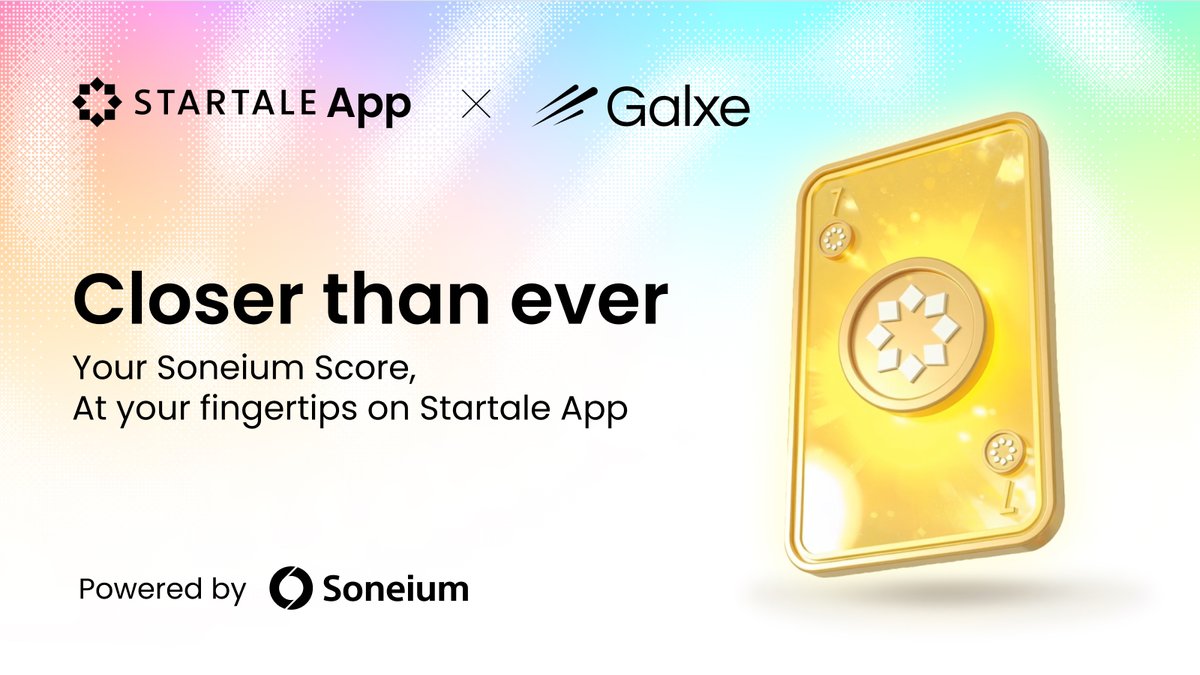
Startale App is now integrated with Soneium Portal, bringing Season 7 Score access directly to the app.
Complete the campaign, powered by @GalxeQuest , earn your Soneium Score, and collect an exclusive NFT.
✅ Follow us on @StartaleGroup
✅ Follow @Soneium
✅ Retweet this post
✅ Visit the Startale App website
🔗 https://t.co/Adiyjr7qFZ
In a volatile world where hacks and scams rule, one platform refuses to play by the old script: OKX.
CEX, DEX, and CeDeFi powered by infrastructure that shuts out chaos and unlocks possibility.
Welcome to the Mild Mild West, where the wild gets mild. https://t.co/xgNsXjaL9w
After five years of work, the team is happy to announce the Zama Confidential Blockchain Protocol and the release of our Public Testnet.
First things first, read the litepaper ⬇️