The NTSB later found that the N110AA DC-10 disaster began weeks before the AA191 crash during a maintenance procedure at American Airlines’ Tulsa facility.
McDonnell Douglas recommended removing the engine and pylon separately, but American, Continental, and United used a faster shortcut by removing them together to save time and labor hours.
During maintenance on Flight 191’s aircraft, a slight forklift misalignment jammed the pylon against the wing, creating a small structural crack that went unnoticed.
Over the next 8 weeks, the crack grew with every flight cycle until the pylon finally failed during takeoff rotation, causing the entire engine to tear away from the wing.
Fleet inspections afterward found similar damage on other DC-10s as well.
As the CFM LEAP engine shuts down, you can hear the distinctive “whoosh” sound followed by a gush of air. That is the Reverse Bleed System (RBS) at work.
During normal operation, a significant amount of fuel remains unpurged in the system after engine shutdown. This residual fuel, located near or within the hot section, vaporizes due to high temperatures and deposits carbon (coke) on the fuel nozzles. Over time, nozzle coking leads to several operational and maintenance issues, including loss of thrust, reduced engine efficiency due to incomplete combustion, accelerated deterioration of hot-section components (combustor and High-Pressure Turbine), engine start failures, potential engine stalls, and increased unscheduled engine removals.
The Reverse Bleed System (RBS) prevents fuel nozzle coking by automatically introducing cool air from the core compartment into the engine core flowpath after shutdown. This effectively lowers the fuel nozzle temperature below the coking threshold. RBS can operate for a maximum of 1 hour, and its effectiveness depends on ambient conditions (especially ambient temperature) and the total duration it runs. The last flight of the day contributes the most to fuel nozzle coke accumulation because of the extended dwell time at the gate.
By actively managing post-shutdown thermal conditions, RBS significantly reduces coking-related problems, improves engine reliability, and lowers long-term maintenance costs.
Now, also coming soon to the CFM56
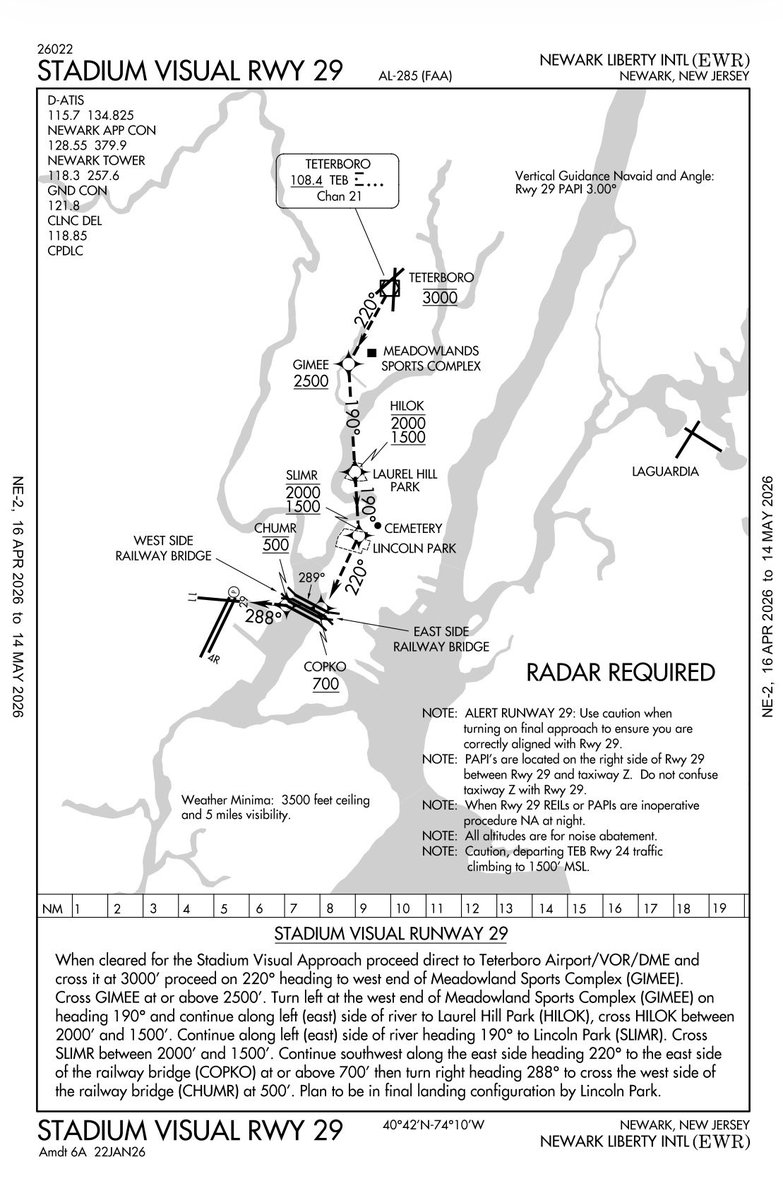
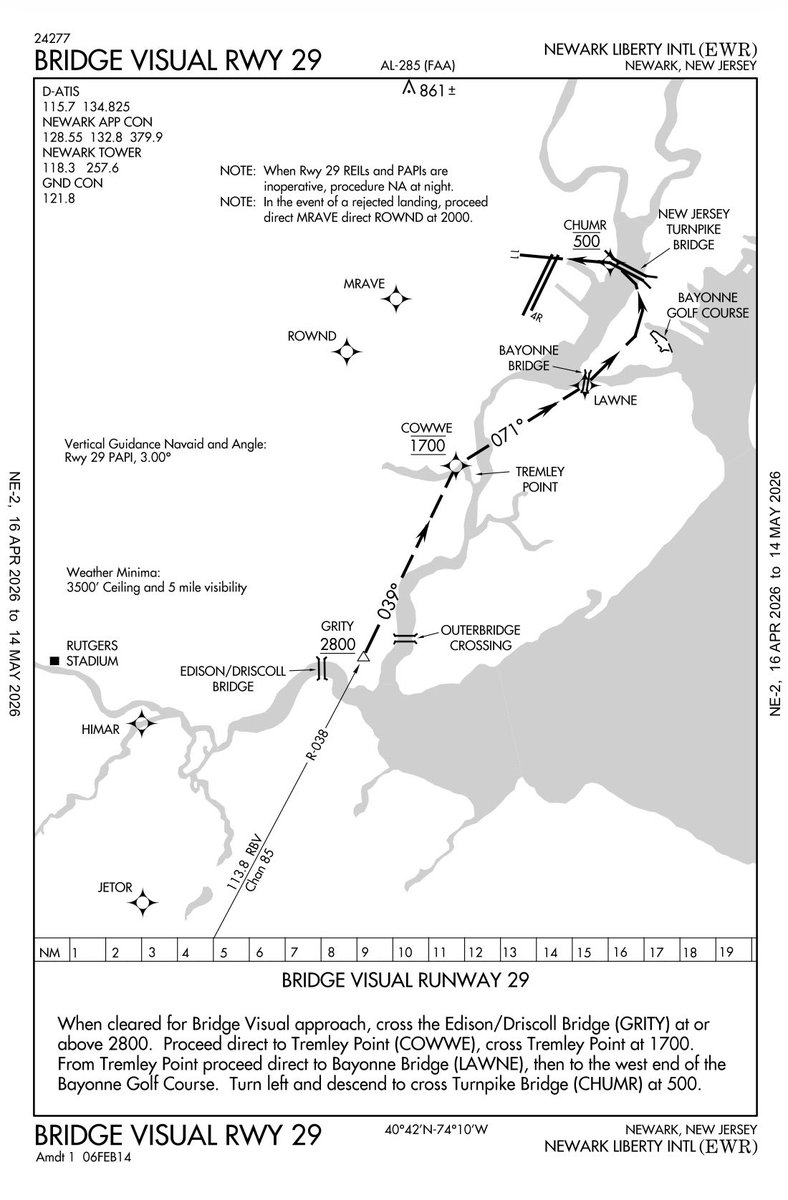
I do think that’s real. It’s not the incident in question, but there is very little room between I-95 & the runway 29 threshold.
They only use runway 29 when the winds are really strong from the Westt. The approach isn’t terrible, but it’s usually a visual with a last minute turn, leaving less time to stabilize the jet on final.
Grave accidente aéreo al norte de Adelaida, Australia.
Al menos dos personas han muerto al estrellarse un avión Diamond DA42 Twin Star (matrícula VH-YQP), un bimotor utilizado habitualmente para entrenamiento de vuelo.
Los hechos han ocurrido hace solo unas horas, a las 14:10 hora local (aprox. 04:40 UTC) cuanto la aeronave se estrelló contra un hangar al tratar de aterrizar, provocando un incendio y una gran columna de humo negro.
Los fallecidos son un estudiante japonés y su instructor australiano. Además, 11 personas resultaron heridas en tierra y fueron trasladadas a hospitales (algunas con lesiones graves). Muchas eran estudiantes pilotos que estaban en la zona del hangar.
A Nippon Cargo Boeing 747-8F puts on an overall show at LAX, going long down the runway to taxiway Lima before exiting. Later, the Queen of the Skies returns once again for a strong departure, all captured from Imperial Hill in El Segundo during the Airline Videos Live broadcast.