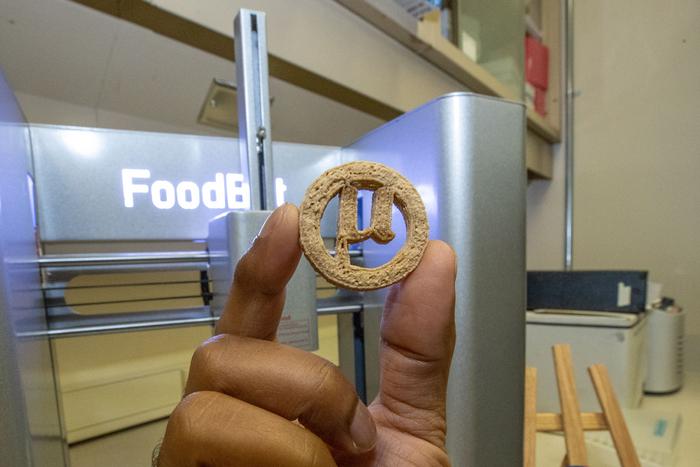
Most 3D printers never check what they did to your part. For patient-matched devices, the process record is the evidence. #Healthcare3DPrinting https://t.co/0d51K63JYC
🦿 A 3D printed below-knee leg for ~$3K, yet only 1 in 10 who need one can get one.
Leaders from RIT, WSU, Spentys, Rightfit & Rapid Liquid Print, live Thu Nov 12, 8 AM PT.
https://t.co/MOpRuOzj8l
#3DPrinting#Prosthetics#MedTech
ScaffoldForge, a diffusion model, designs a bone scaffold in about 12 seconds vs 140 minutes for topology optimization. Computational only so far. https://t.co/AwlFovsyLz
Three Munich companies opened a shared medical 3D printing hub: PEEK implants, printed silicone and multi-metal dental parts. https://t.co/4CSN1T6aNv #Medical3DPrinting#PEEK
A 3D printed soft implant cools the brain and records ECoG. In rodents, cooling suppressed seizure-like activity (Advanced Science). https://t.co/ocIa2hluwT #Neurotech#Epilepsy
This week: why medical 3D printers need closed-loop control and process records, Materialise and Align Q3, PharmaTher's FDA filing, corneal bioprinting and printed zirconia crowns.
https://t.co/7SKFLxgvky
New in npj Biomedical Innovations: a four-stage digital-to-surgical workflow for chest wall resection and reconstruction using 3D-printed titanium implants made by laser powder bed fusion.
Realigning the top of the spine with about 70% less force. A 3D-printed expandable titanium wedge spacer eased atlantoaxial (C1-C2) reduction in a patient-specific test model. Preclinical. https://t.co/ZO1NQZwevF
Bioprinted muscle that lines itself up. A fibrin-based bioink prints skeletal-muscle filaments that self-align, with no sacrificial polymer and no second gelation bath. https://t.co/1QQ5xbLPp7
FDA changed one word: "animal" became "nonclinical." What it means for NAMs, bioprinting and biotools, in this week's Lattice Brief. https://t.co/XbxcQIdSQM
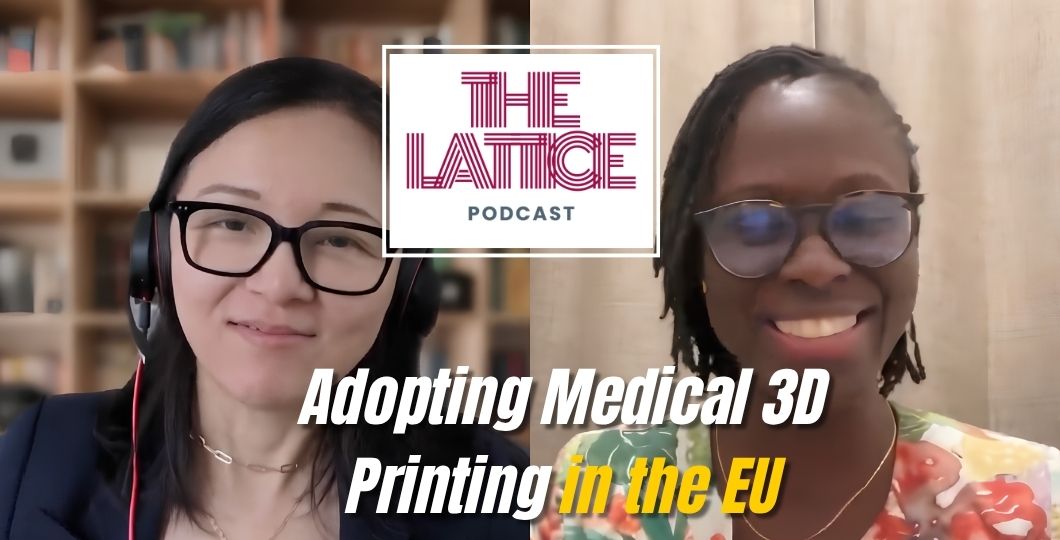
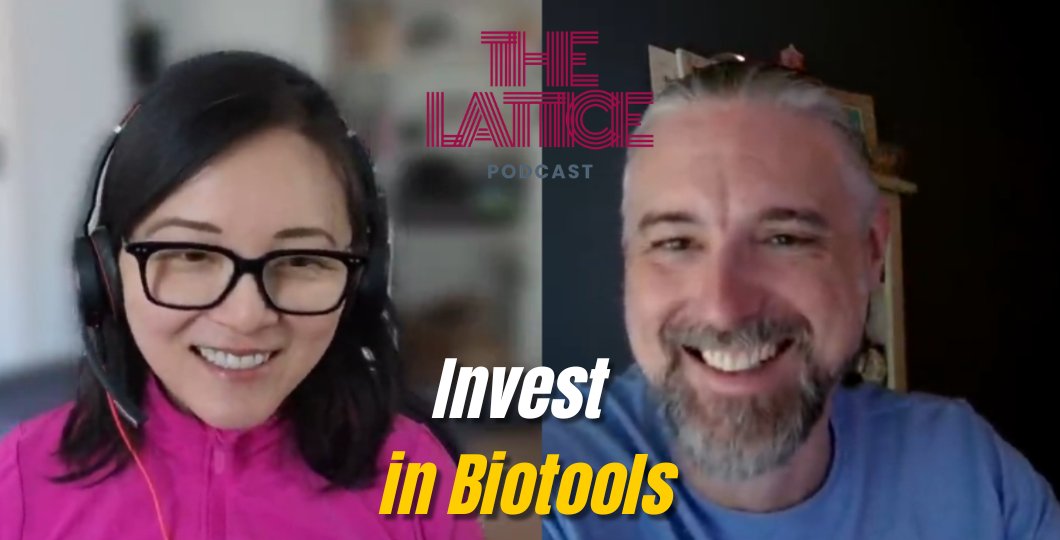
Just published! The latest #TheLattice#podcast with Jim West III, MS Associate Director at BioTools Innovator
Jim has been on both sides of the table, as an entrepreneur and as an investor (imagine reviewing thousands of BioTools pitches over three years, and a multiple of investor conversations later). Does it make sense to invest in life-science tools when the exit is almost always an acquisition, not an IPO? What should biotools founders focus on to hit a home run? This episode is for everyone.
Show notes, audio, video: https://t.co/42gEs4TZfj