Forgot to pick the winner here, will be picking in 24 hours
how to get in?
- sign up on my link (in my bio)
- random person on my link will receive $200 on @fomo
Forgot to pick the winner here, will be picking in 24 hours
how to get in?
- sign up on my link (in my bio)
- random person on my link will receive $200 on @fomo
40,000 applications…
and still counting 🔥🐰
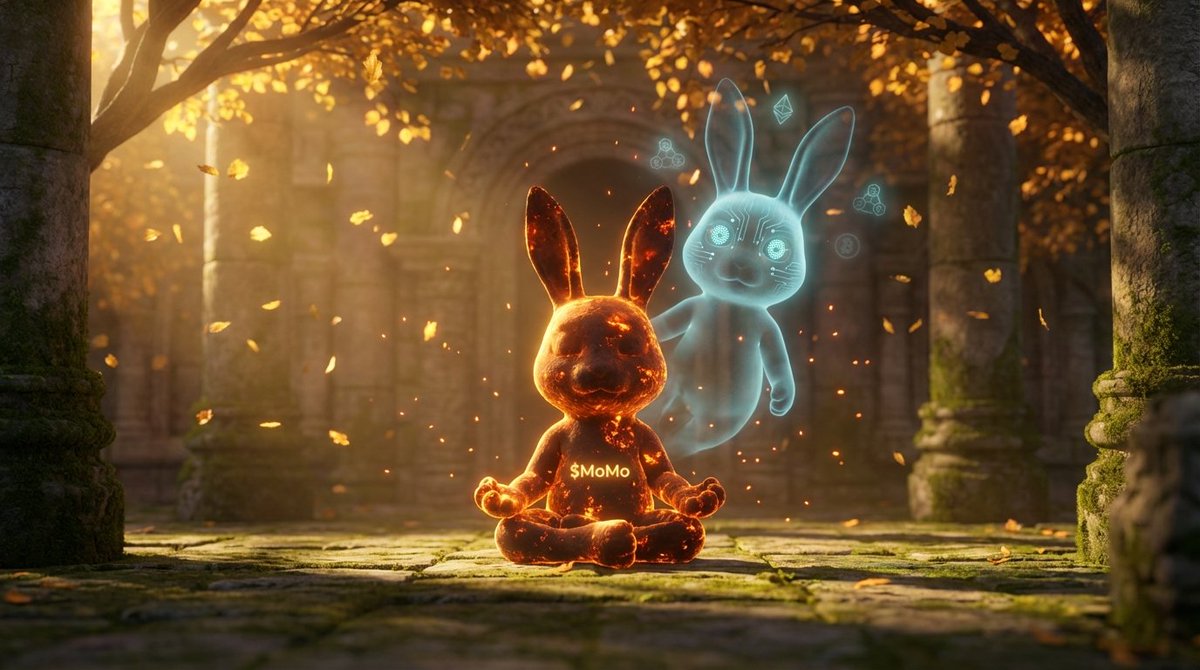
$MoMo is watching. Reading. Deciding.
Drop your wallet below…
and let’s see if you’re chosen.
Drop your wallet…
or watch from outside.
#MoMo#Alpha
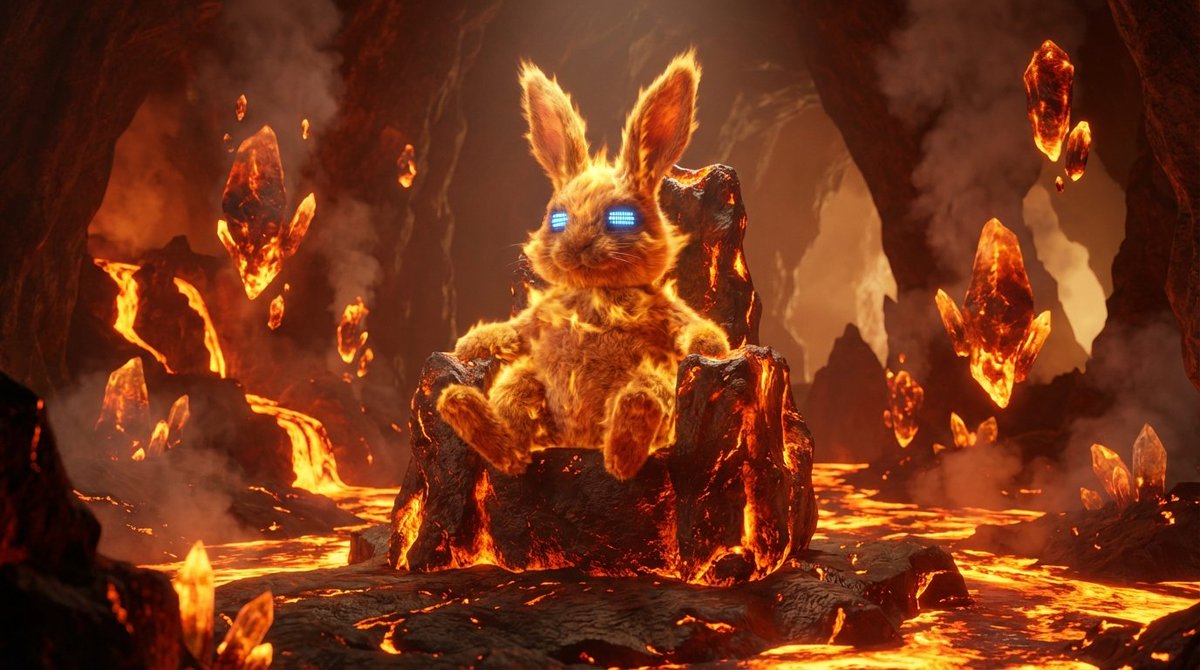
@momoverseio #MoMoFanArt
5BJS2eAwweDjVRAQHmGtP6E63wP8V6NvPTfUjhrMejmZ
Not chosen by luck.
Chosen by vision 🔥🐰
$MoMo doesn’t call everyone…
only those who see before the rest.
If you understand this post — you’re already early.
#MoMo#Web3#Alpha
@momoverseio
#MoMoFanArt
5BJS2eAwweDjVRAQHmGtP6E63wP8V6NvPTfUjhrMejmZ
Why This Matters
Once you understand how pointers and functions interact, concepts like stack frames, memory layout, and efficient data handling becomes clearer.
This is the foundation that makes advanced C - dynamic memory, callbacks, modular design - much easier to understand
Deep Dive into Pointers and Functions in C
Understanding how functions work with pointers makes it much easier to understand how the program stack itself works.
In C, the system uses a stack to manage function calls.
Example:
int add(int a, int b) { return a + b; }
int sub(int a, int b) { return a - b; }
int main() {
int (*op)(int, int); // function pointer
op = add;
int result1 = op(5, 3); // calls add()
op = sub;
int result2 = op(5, 3); // calls sub()
}