Official account. We promote the well-being of people and communities impacted by the criminal legal system by shining a light on health data behind the walls.
Case rates in prisons and jails continue to climb while many carceral agencies shield public health data from the public.
Combatting the pandemic requires data transparency. The CPP works tirelessly to achieve this goal by sharing datasets like these.
https://t.co/CjF0pbDPvF
The Missouri DOC is instituting a “de facto book ban” and “It’s not stopping drugs coming in the building,” @dronlylbr says. “It’s severing relationships, which has a very negative impact on people’s health.”
Read more on the recent changes:
https://t.co/0LBLMzWK4v
In some states, prison officials have resisted even simple measures to help prisoners combat the heat, including by denying them access to ice, breathable clothing, cold water, and cool showers. https://t.co/ghtNhuORLG
“This lack of trustworthy data is a prime example of our country’s apathy towards prisoners and part of a long legacy of erasure of minoritized individuals ...”
Read more @undarkmag: https://t.co/RQzdtbUFNA
Climate change disproportionately affects marginalized communities, including those living in prisons. In this timely @JAMANetworkOpen publication, researchers analyze the association between extreme heat and suicide-watch incidents in state prisons.
https://t.co/AVhg90g0p4
The authors' findings demonstrate a relationship between indicators of suicidality and excessive heat among sampled incarcerated populations. This research adds to the growing body of literature linking climate change, mass incarceration, and health.
A rule requiring poor criminal defendants to have a lawyer throughout the criminal process took effect Saturday. Few courts in the state have plans in place. Story via @propublica, @djournalnow and @MarshallProj.
https://t.co/RIxZUmpqev
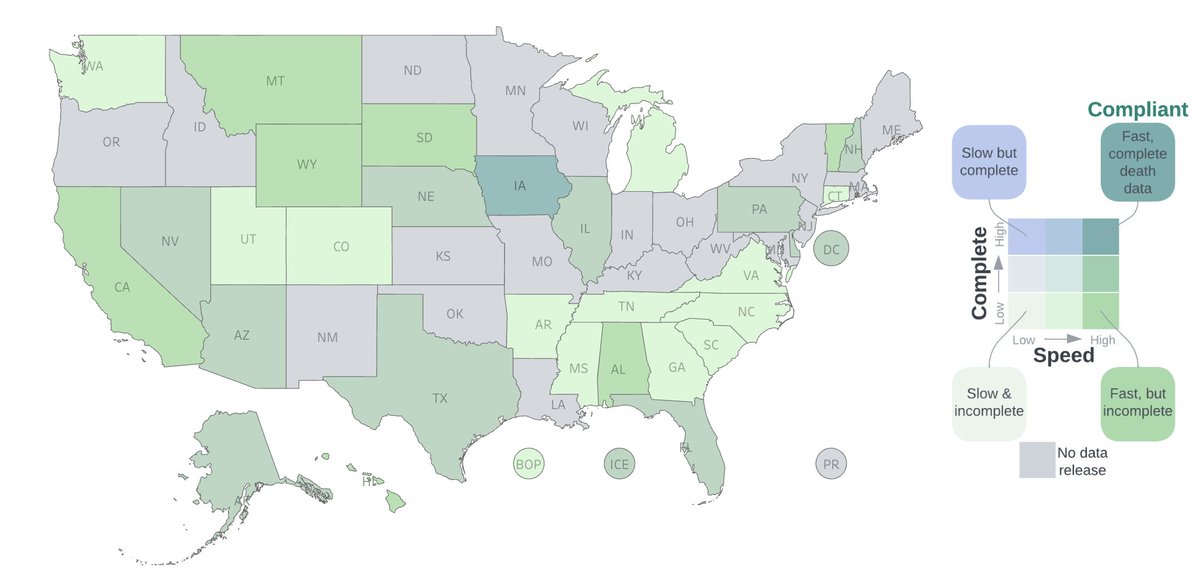
20 of 54 systems report information about an individual’s death in a timely manner. Only 1 provides “complete” information. Check out our dashboard to learn more about how systems report deaths in their facilities.
@dronlylbr @mikedolanfliss Jennifer Lao
Data transparency is crucial for promoting the health and well-being of those impacted by the criminal legal system.
Check out the 3rd City Project's new data dashboard, which provides insights into individual death data in carceral systems.
https://t.co/Z3C5VTSQcf
20 of 54 systems report information about an individual’s death in a timely manner. Only 1 provides “complete” information. Check out our dashboard to learn more about how systems report deaths in their facilities.
@dronlylbr @mikedolanfliss Jennifer Lao
My two years in county were equivalent to double that in prison. It prompted most my personal growth, such abject misery, but those conditions never should’ve existed. https://t.co/csW3WwqsZY
Authors:
@LemastersKate, Michael F. Behne, Jennifer Lao, Meghan Peterson, @dronlylbr
Thanks to @eurekalert & @aaas for shining a light on this issue.
📣 New, from @PLOSONE, Carceral environments can increase the risk of self-harm and suicide, and yet, only 16 US states provide timely & comprehensive suicide data from their prison systems.
Read More: https://t.co/Axp2ZK40rm
Authors: @LemastersKate, Michael F. Behne, Jennifer Lao, Meghan Peterson, @dronlylbr
Thanks to @eurekalert & @aaas for shining a light on this issue.
New @Health_Affairs Forefront article, "Solitary Confinement Under The Guise Of Public Health," compares COVID-19 and HIV crises in prisons.
Increased data transparency for restrictive housing is needed to understand the health impact of these practices.
https://t.co/OSkRVc4kQn
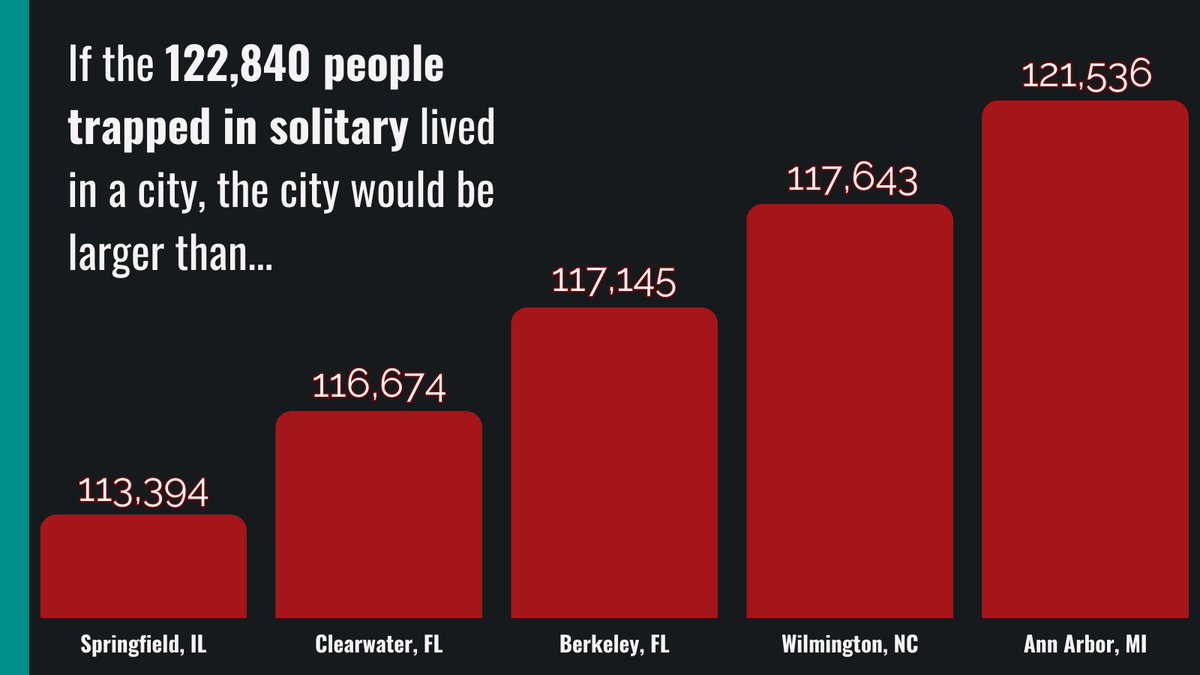
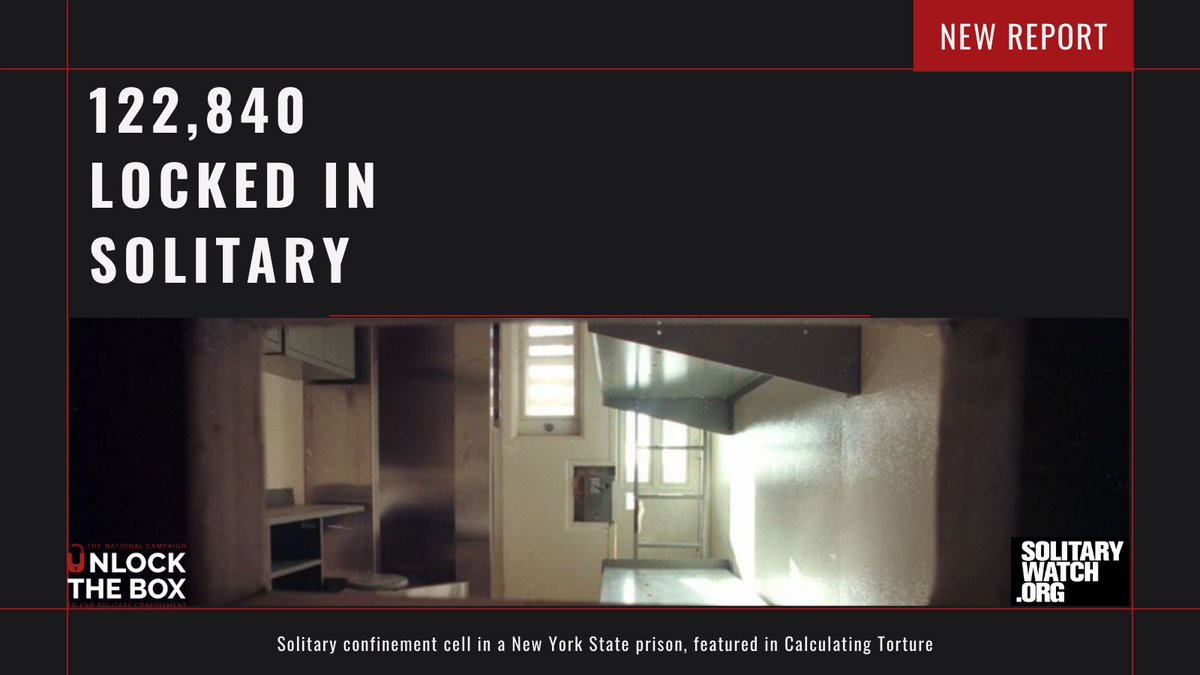
122,840.
This is how many people are trapped in solitary confinement in the U.S. for 22 or more hours on any given day
122,840. Let that sink in. 📰 #CalculatingTorture
Alongside @SolitaryWatch, we released a groundbreaking joint report.
Read here:
https://t.co/IOUXLRUfOS