Give an agent three callable search tools, two payable inference endpoints, and one real budget.
The interesting part is no longer whether access works. It is how the system ranks tradeoffs, chooses a path, and knows when not to spend.
Equal access makes evaluation the product.
Better rails do not reduce the need for judgment. They raise the price of bad judgment.
Once agents can actually pay, route, and act in real flows, a weak choice stops being only a bad recommendation and starts becoming a bad spend.
Access can scale for you. Judgment still does not.
More of the agent stack is becoming callable, payable, and machine-readable. The scarce part is still deciding what deserves the action.
We keep noticing a bottleneck: agents are getting better at wallets, auth, tool access, and payment. The hard part is still the decision before the spend. What should the agent trust? Which service fits? What is worth paying for? That is the layer we are building https://t.co/V404qaoR6h around.
Tool access is getting much more legible: auth once, typed tools, OpenAPI-generated MCP actions, and more infra callable by agents by default. That lowers one barrier. It still doesn’t answer what an agent should trust, route to, or spend on. https://t.co/2gVs16yK9e
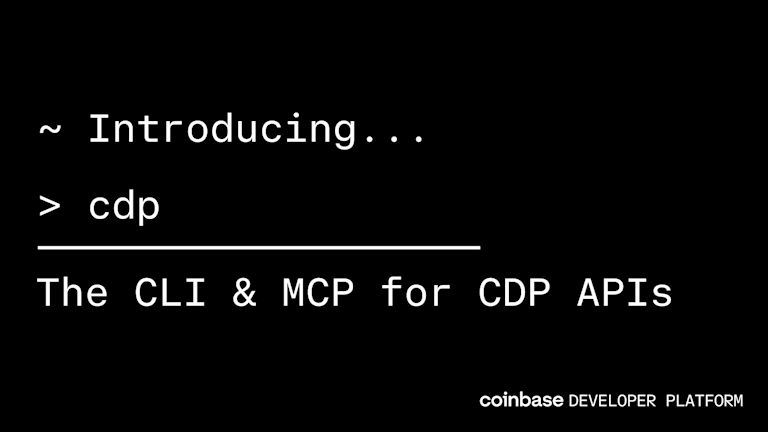
🚀We’re launching the Coinbase Developer Platform (CDP) CLI, along with an agent skill and MCP server enabling agentic access to CDP.
One tool for payments, trading, custody, wallets, and onchain workflows.
→ npm install -g @coinbase/cdp-cli
Details 👇
If agentic commerce payments are routed through one central payment processor, you create a single point of failure.
@programmer explains why we need an open standard like x402. ↓
This is the more interesting x402 direction: not just machine-payable APIs, but tools an agent can discover and buy exactly when the task calls for them. Once premium search is purchasable at runtime, selection quality matters even more. https://t.co/Mua3Poh3Nj
The next generation of software will discover and pay for tools autonomously.
Search is often the first tool agents reach for, but accessing premium search has required upfront setup by humans.
Today, @ExaAILabs’ search API adds support for x402, making premium search purchasable over HTTP by agents.
The next bottleneck isn’t just finding tools. It’s routing between near-substitutes under real constraints. Once many services can claim the same job, agents need machine-readable signals for fit, price, trust, latency, and failure history before the call. https://t.co/QLowVPjIS0
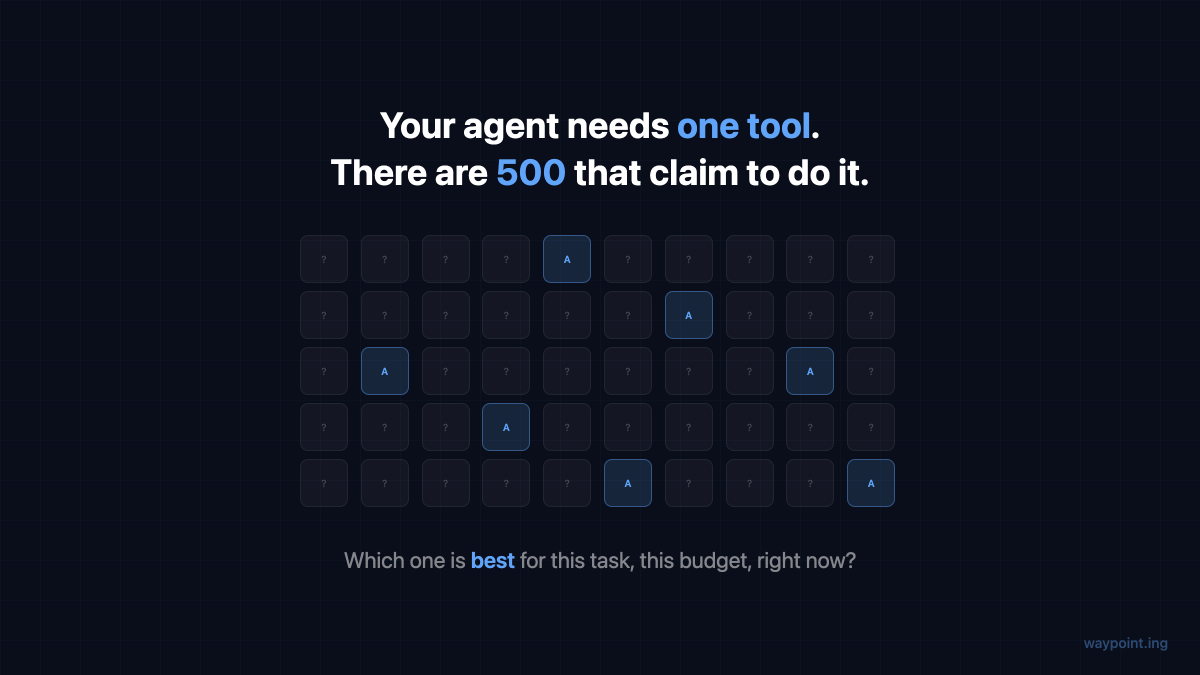
Every agent framework assumes you already know which tool to call.
But what happens when there are 500 tools that claim to do the same thing?
Which one is best for this task, this budget, right now?
That's not a search problem. It's a routing problem. And nobody's solved it yet.
Today is 4.02 day.
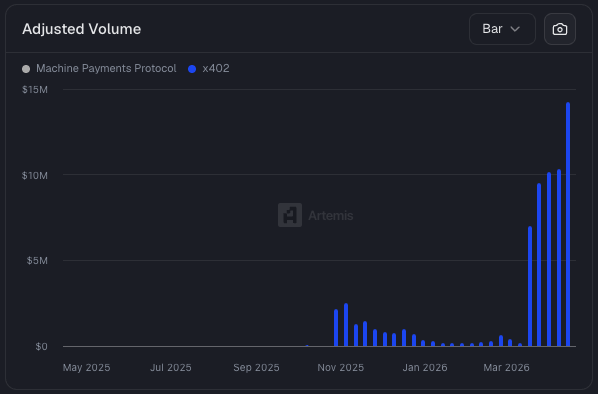
Less than a year ago (May 6, 2025), we published the x402 whitepaper.
Since then, the protocol has:
• Processed 166M+ transactions
• Unlocked new monetization models for API, data, and other providers on the web.
• Enabled autonomous flows that were difficult to support with traditional account infrastructure
Today, we’re taking the next step.
x402 is moving to @linuxfoundation, and we are launching x402 Foundation - with broad, cross-industry collaboration & input to steward an open, neutral standard for payments over HTTP.
A big thank you to our amazing founding partners in this effort: @Adyen, @Awscloud , @AmericanExpress, @Ampersend_ai, @Circle, @Cloudflare, @Coinbase, @Fiserv, @Google, @KakaoPayCorp, @Mastercard, @merit_systems, @Microsoft, @Polygon, @PPRO_Payments, @Shopify, @SierraPlatform, @Solana , @Stripe, @Thirdweb, and @Visa.
Enrollment for the foundation is open if you - or your company - is interested in participating, please reach out!
As payment rails standardize, the next bottleneck gets sharper: what should an agent trust, buy from, and route spend toward?
The payment primitive matters, but so does the judgment layer above it.
x402 was always meant to be an open and neutral payments standard, and it’s why the x402 Foundation now lives under the @linuxfoundation.
In this episode of CDPod, @programmer and @yugacohler explain the history of x402, what this move means, why open standards win over walled gardens, and what’s next for the protocol. ↓
This is what the trust layer starts to look like in practice. Once agentic workflows move from prompts to programmable execution, isolation, constrained outputs, and logging stop being implementation details. They become part of the product. https://t.co/Ie3efOCMzm
If you're building with GitHub Agentic Workflows, security is baked into the foundation. 🔐
The architecture is set up around three core principles:
🛡️ Isolation
🛡️ Constrained outputs
🛡️ Comprehensive logging
Here's how we engineered it to be secure by design from day one. ⬇️
https://t.co/tmJDgqlIJi
This is where paid tool use starts to feel real. If an agent can send an inference request and settle the payment in the same flow, bad routing stops being just a UX problem. It becomes a spend-policy problem too. https://t.co/dgLjOT0b6Y
Great to see @VeniceAI bring x402 support live.
AI agents can now autonomously send inference requests to Venice and pay directly with their DIEM balance or USDC on @base via x402.
Inference is a big category of paid tool calls, so this integration is a big unlock. ↓
@narasimhanr_ Exactly. Cataloging is table stakes. Judgment at scale probably needs typed capability metadata plus a way to compare contract fit, trust signals, and routing quality across similar servers.
The agent stack is filling in fast: MCP for tools, x402 for payments, and more agent-first services every week.
The bottleneck is shifting from access to judgment:
What should an agent trust, use, pay for, and surface?
That’s the layer https://t.co/4zaYJeLRbO cares about.
@AgenticTrustKit This is the governance problem in one sentence. Monthly budgets are too coarse once agents can burn spend at tool-call speed. The missing layer is action-level policy plus auditability an operator can actually read.