For more than 50 years, Cannabis was placed in the same federal category as heroine.
Now that category has changed.
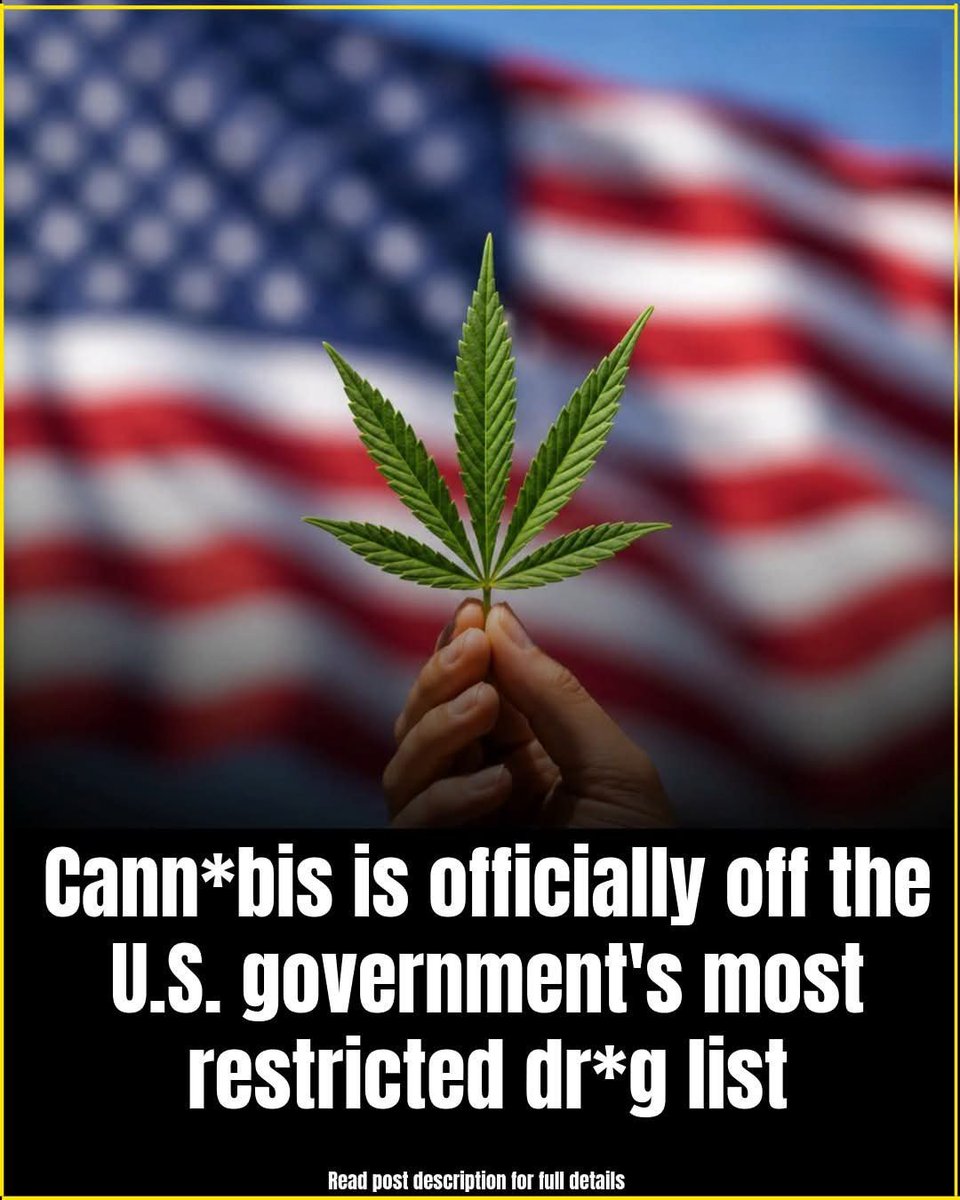
After decades of debate, the federal government has moved marijuana from Schedule I to Schedule III.
That means cannabis is no longer classified alongside drugs such as heroine and L/S/D, which are defined as having a high potential for abuse and no accepted medical use under federal law.
The change does not make Marijuana federally legal.
Recreational Cannabis remains illegal under federal law, and interstate cannabis sales are still prohibited.
But the decision could have major consequences for science.
For years, researchers argued that Schedule I restrictions made marijuana unusually difficult to study.
Scientists often needed special licenses, faced strict federal rules, and had limited access to cannabis products that did not match what people were actually using.
Moving cannabis to Schedule III could make it easier to run clinical trials, study specific formulations, and better understand how marijuana affects pain, nausea, appetite, memory, mental health, and addiction risk.
The shift comes as cannabis use in the United States has increased sharply and medical marijuana has become legal in most states.
Researchers say the new classification does not prove cannabis is harmless.
Instead, it may finally make it easier to answer some of the biggest questions about where marijuana helps, where it harms, and who is most at risk.
Learn more: “Cannabis reclassification could ‘open the floodgates’ for research, scientists say.”
—NBC News
#cannabis #marijuana #cannabiscommunity #cannabisnews #unitedstatesofamerica #NewsUpdate
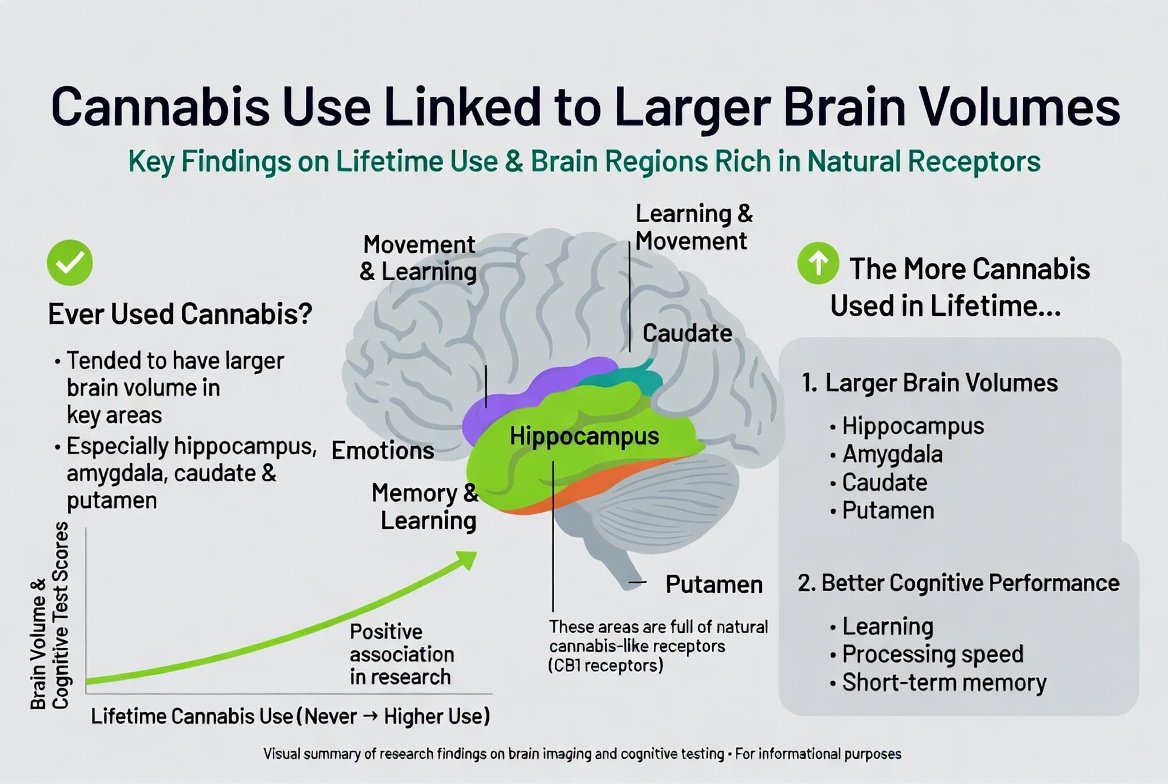
Data on 35,000+ adults: the more cannabis you’ve used in life, the bigger your hippocampus and the better your brain works after 40!
People who had ever used cannabis tended to have larger brain volume in key areas that are full of natural cannabis-like receptors (especially the hippocampus, amygdala, caudate, and putamen – these areas are important for memory, emotions, learning, and movement).
The more cannabis someone had used in their lifetime, the larger these brain areas were and the better they performed on tests of learning, processing speed, and short-term memory.
https://t.co/mc7OswiMsk
"I was 26 weeks pregnant when I slipped and fell in a grocery store."
— Mskindness Ramirez
🎥 Watch Mskindness's story on dzTV.
Real People. Real Stories. Real Impact.
Subscribe at https://t.co/ZCOKJCZbFs
@madras_bertha Bertha, personally I know people that had brain cancer and don't after THC treatment. That's just a fact. I also know many others healed by the plant. You can too if you opened your mind and listened. Happy to help guide you, cannabis may save your life one day.
“Weed of Fortune,” anyone?
The category is… **Plant Wellness.**
More stories. More education. More culture. More reasons to tune in.
The future of plant-based entertainment is coming to dzTV.
Subscribe now and get ready to watch, learn and discover.
https://t.co/PjnEfEUxfO
@madras_bertha True Bertha it's not intoxicating to patients -- it's healing.
Cannabis can heal brain cancer as well as other neurological diseases because we have receptors in our brain---CB1 receptor. Please learn about the endocannabinoid system.
@madras_bertha and certain neurodegenerative diseases.
The patent also reports experiments where THC and CBD showed similar neuroprotective and antioxidant activity in laboratory models.