THE WORLD GOES TO SCHOOL DIFFERENTLY:
1. Finland: No major exams until the final year of high school. Teachers are highly educated and respected. Consistently one of the best education systems in the world.
2. Japan: Students clean their own classrooms daily. Respect and responsibility are taught before academics. Character comes first.
3. South Korea: Students study until midnight. The university entrance exam is so critical that flights are rerouted on exam day. Burnout among young people is a serious national crisis.
4. United States: Standardized testing dominates everything. School quality depends on neighborhood wealth. Rich areas get better schools. Poor areas get what is left.
5. Germany: At age 10 students are placed into different school paths. Vocational training is taken as seriously as university. Youth unemployment stays low because of it.
6. India: The system runs on memorization and high-stakes exams. 1.5 million students compete for just 17,000 IIT seats. Pressure begins long before a child is ready.
7. Singapore: Ranked number one globally for math, science, and reading in 2022. Extremely competitive. Even the government admits student pressure has gone too far.
8. France: Philosophy is a required subject and counts toward the national exam. Students are trained to think critically and argue clearly from a young age.
9. Cuba: Education is completely free at every level. Literacy rate sits above 99 percent according to UNESCO. One of the most educated populations in Latin America.
10. Netherlands: Students are assessed at age 12 and placed into paths that suit their strengths. Academic and vocational routes are treated equally. No path is seen as lesser.
11. China: The Gaokao exam determines almost everything about a student's future. Pressure starts in early childhood and is carried by the entire family, not just the student.
12. Kenya: Primary school became free in 2003. Secondary school fees still push many families to breaking point. Dropout rates in rural areas remain high.
13. Russia: Historically strong in mathematics, science, and engineering. The system valued compliance over curiosity. That tension still shapes education today.
14. Brazil: Private schools are well funded and deliver strong results. Public schools are severely underfunded. Where you are born almost entirely determines the education you receive.
15. Denmark: University is free for Danish and EU citizens. Students also receive a monthly government stipend just for attending. Education is treated as a public good, not a personal expense.
16. Canada: Each province runs its own education system independently. Quality varies across the country. Indigenous history inclusion in the curriculum is real but still inconsistent.
17. Australia: Universities are strong and globally respected. Indigenous history is now formally part of the national curriculum. The debate over equal funding between public and private schools remains unresolved.
18. Sweden: No formal grades until age 12 or 13. Early pressure is believed to kill curiosity before it grows. Research consistently supports this approach.
19. New Zealand: Māori language and culture are officially part of the national curriculum. Legally protected but depth of teaching varies greatly between schools.
20. Switzerland: Two thirds of students enter vocational apprenticeships rather than university. Both paths are equally respected. Both lead to strong careers.
21. Norway: Public university is free for everyone including international students. Teachers must hold a master's degree. Teaching is one of the most respected professions in the country.
22. Israel: Schools emphasize critical thinking and entrepreneurship from an early age. Combined with technical military training, this directly feeds one of the most active startup ecosystems in the world.
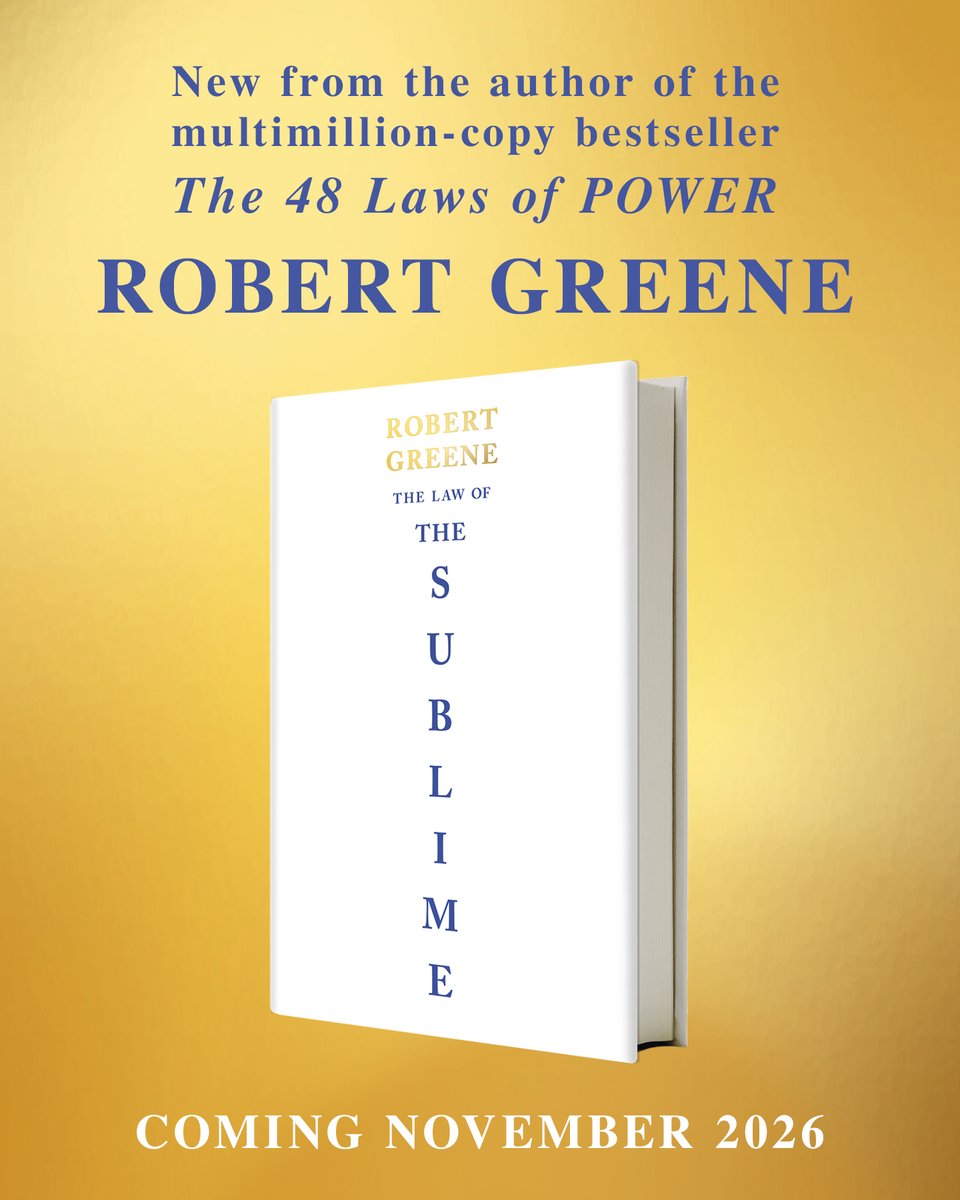
After seven years of intense work, I am excited to announce that my new book, The Law of the Sublime, will be out in November. and is now available for pre-order (see link below).
The book is designed to expand your mind, and to reveal to you a world to explore beyond what you consider reality: the realm of the Sublime.
This adventure does not require travel, drugs, or any form of external stimulation.
It only requires a new pair of eyes to see the extraordinary all around you.
Through stories, exercises, and meditations, the book will immerse you in the Sublime and forever transform how you experience life.
If your child becomes a reader, about 80% of the educational job is already done. That's our honest assessment, based on many of us working in education for over three decades. Everything else is secondary. Most parents think science education is important. Yes, it is. But if you can't read the biology textbook, you're not going to learn biology.
Reading is the meta-skill that enables all other skills. History requires reading. Science requires reading. Even math increasingly requires reading as it becomes more sophisticated. The child who reads voraciously will figure out everything else. The child who doesn't will struggle with everything.
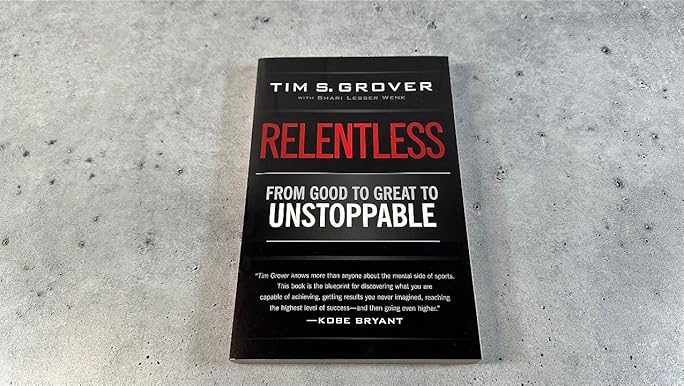
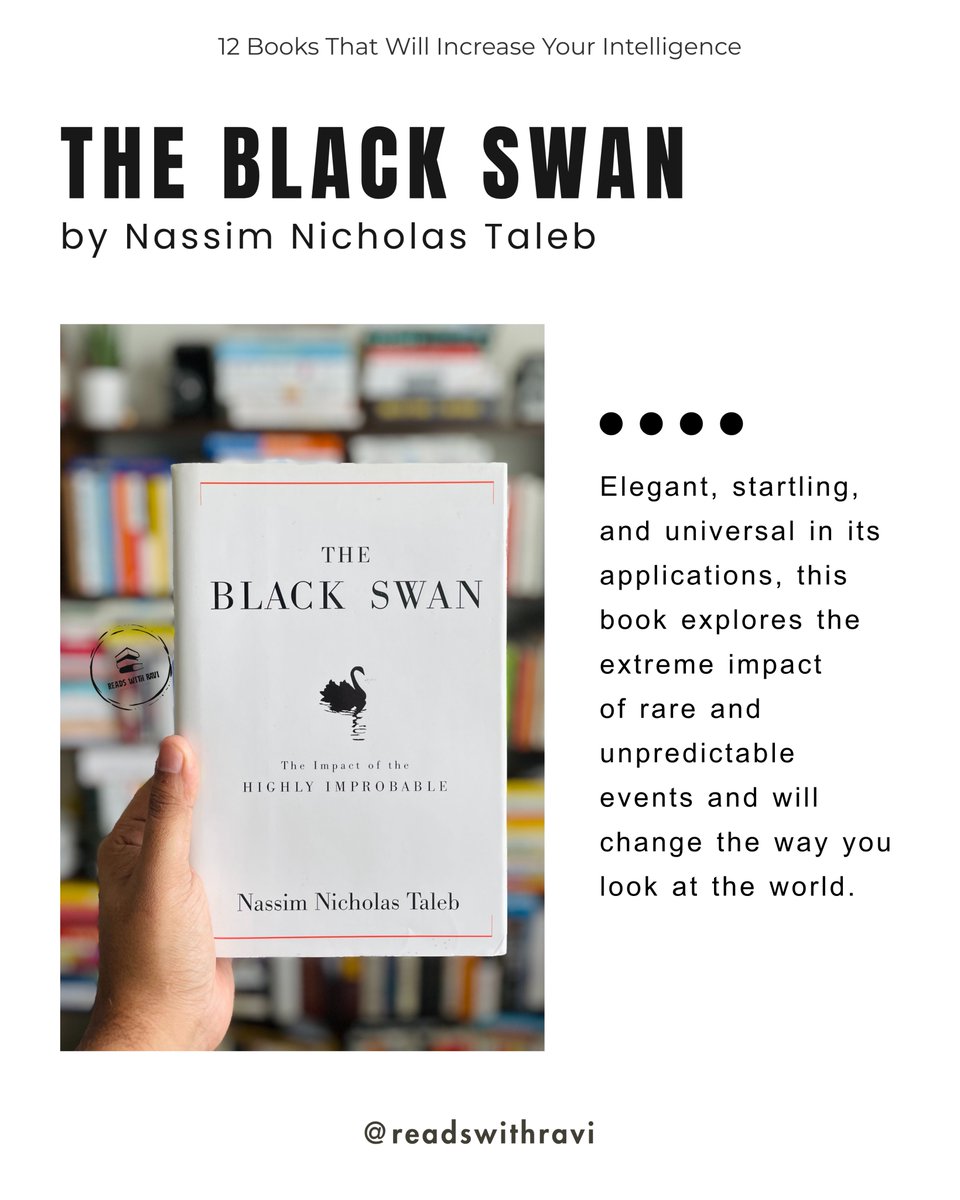
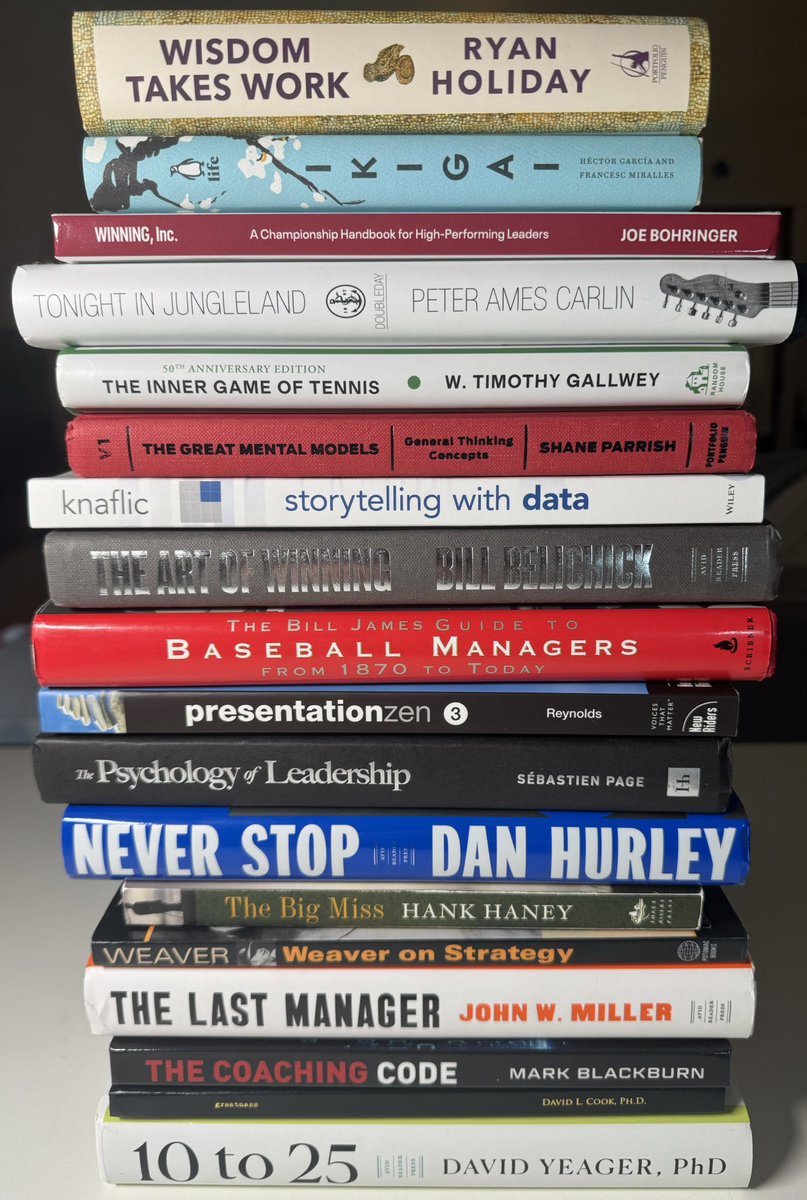
The best things I read in 2025. The Coaching Code was #1. Everyone should study Earl Weaver-way ahead of his time. Belichick and Hurley both wrote great books, and everything Shane Parrish writes is fantastic. Re-read The Inner Game of Tennis and it was better than ever. 📚⚾️
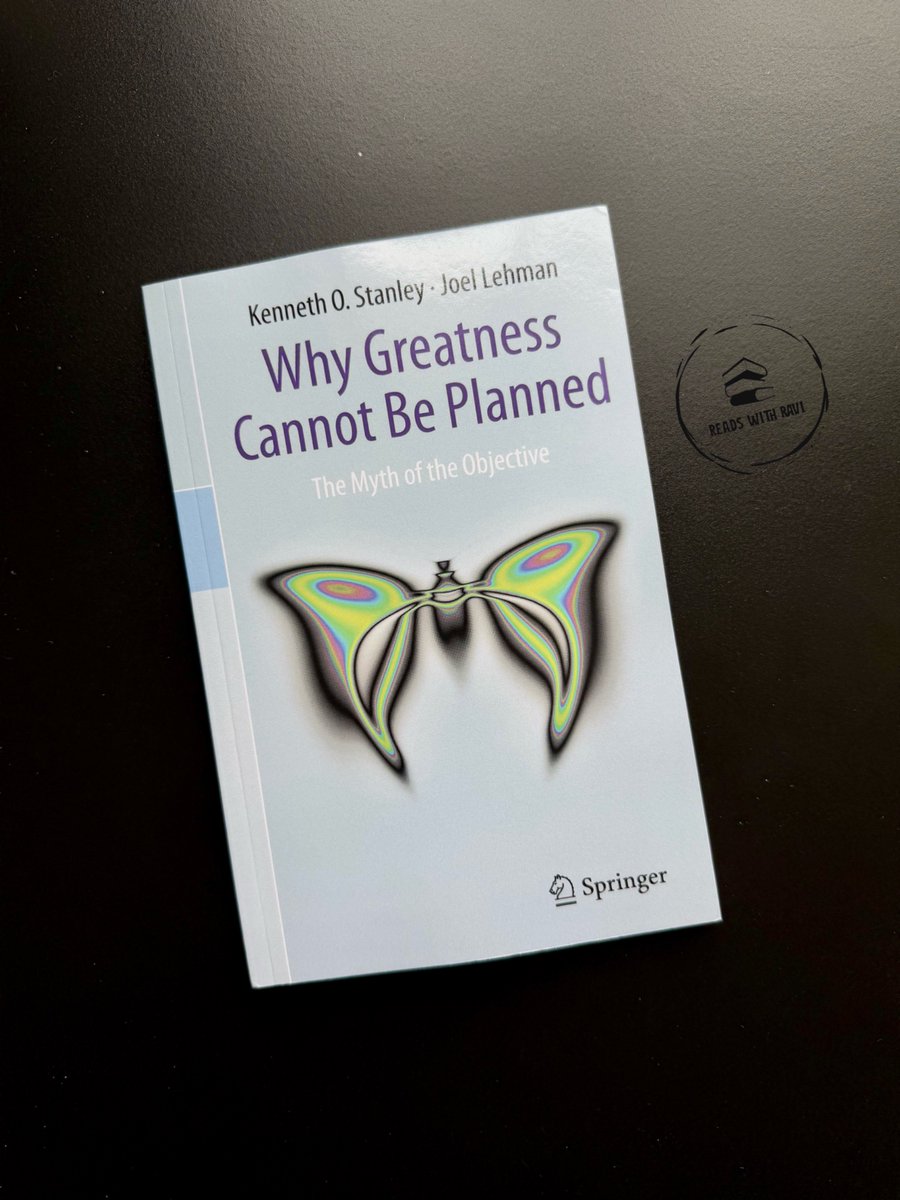
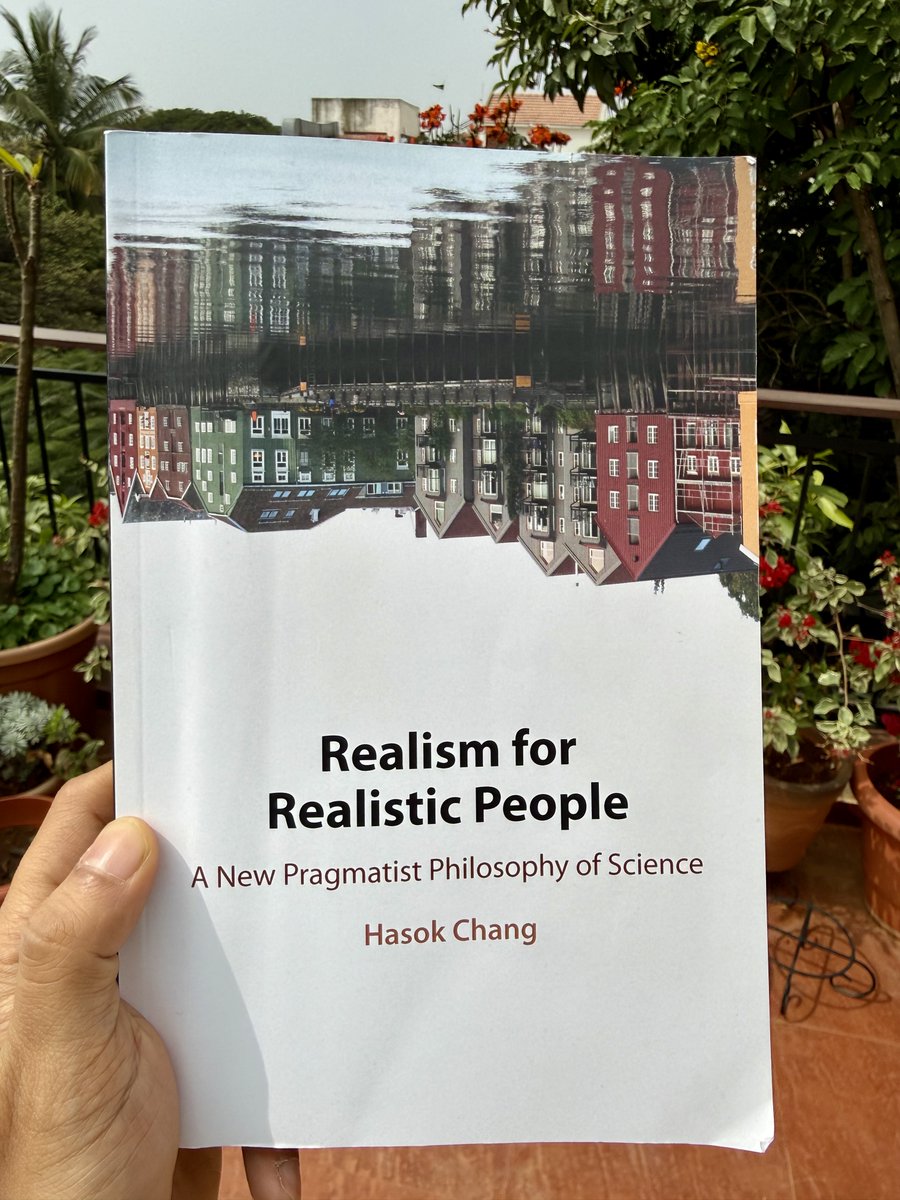
What a phenomenal #book; I’m sure I’ll re-read it several times in my life.
I have been on a journey to sharpen my intuitions about truth, reality and pragmatism, and this book delivers!
Some notes:
- Reality is mind-framed but not mind-controlled. We can think about what is out there only in human-conceptual terms but what’s out there doesn’t depend on our mind
- Truth prior to being conceptualised by a mind is a nebulous notion. All we can think about is always within a framework. So, raw “reality” existing prior to conceptualisation is ungraspable
- Reality, then, is model-based and iterative. Our knowledge of it reality obtained when our ideas are tested in the world, confirmed by empirical investigation (making reality mind-independent)
- Pragmatism is about asserting that the only way to learn about the world is through experience, and hence all arm-chair theorising should bear some consequences in the world
- Our knowledge is action-oriented, and not just passive beliefs. We iterate on our when our actions bear new knowledge. That is, truth is whatever set of confirmed theories we have in our arsenal (and they’re true to the extent of their confirmation, making truth a quality instead of quantitative measure)
- Truth is also domain-dependent. Both newtons laws and general relativity are true, but in their respective domains. QM and relativity both work but are incompatible in overlapping domains. This shouldn’t be a concern as our reality is always mind-framed.
- Science doesn’t approximate “reality” as the word “reality” independent of human-conceptualization is ill defined. We simply get more and useful conceptual schemes as science progresses
- We can’t say our current best theories show us the truth as previous best theories were iterated upon and so can the current ones
- It’s better to have a plural notion of truth where a domain can contain multiple ways of looking at things vs insisting on one correct “platonic” version of truth. The former implies expansion of knowledge, latter implies convergence
- Science is simply a more rigorous way of everyday thinking: we iterate on our ideas by looking at what they do in the world
My interest in epistemology and pragmatism is also motivated by thinking how artificial agents can acquire knowledge of the world, and improve it.
So, a philosophical investigation into nature of science is hugely clarifying for how we might build agents that improve their knowledge about the environment they’re in.
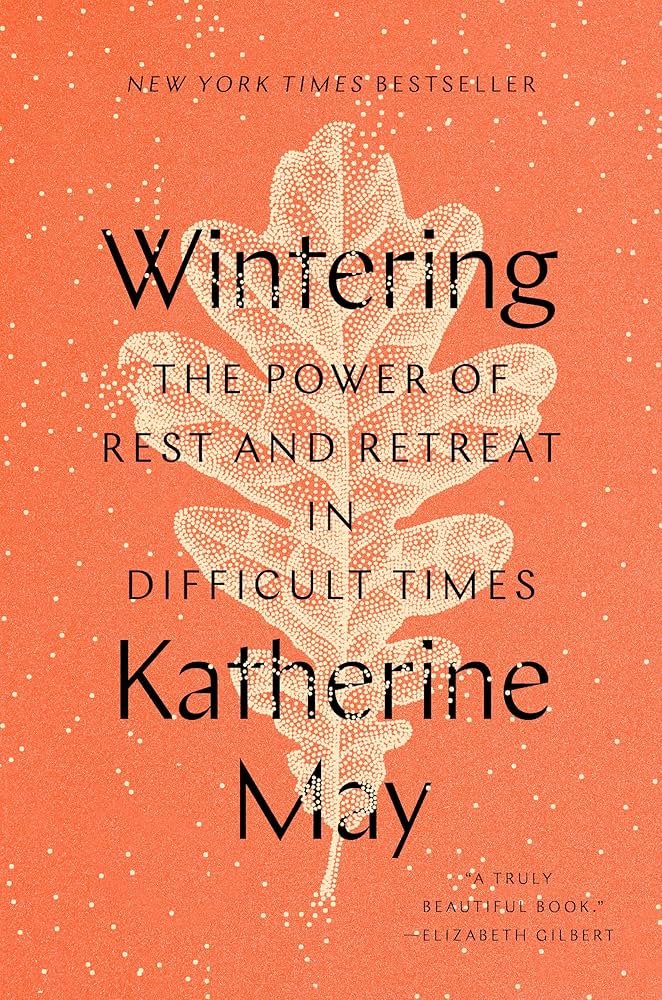
Five books worth reading:
1. The Beginning of Infinity, by David Deutsch. Reshaped my worldview with far-reaching ideas. Sparked my work on artificial general intelligence. Strongly and consistently affected my thinking for 10+ years. The intellectual energy density is like nuclear reactor's.
2. The Blind Watchmaker, by Richard Dawkins. Best explanation of evolution I've seen. Deeply relevant to AGI, as thinking is a form of evolution. Both are instances of knowledge-creation.
3. Knowledge and Decisions, by Thomas Sowell. Looks at economic systems not through ideology, but how each uses - or fails to use - knowledge. I love that it approaches an important problem through the lens of knowledge.
4. Godel, Escher, Bach, by Douglas Hofstadter. Whenever I dip into it, it's always great food for thought on how minds work, even (or especially) when I disagree with it. A cornucopia.
5. The Information, by James Gleick. Not deeply philosophical. Doesn't solve a specific problem. But it successfully makes one idea visceral and unavoidable: The sprawling diversity of the living and human world is all suffused and powered by one thing: knowledge. All evolution, communication, computation, and thought.
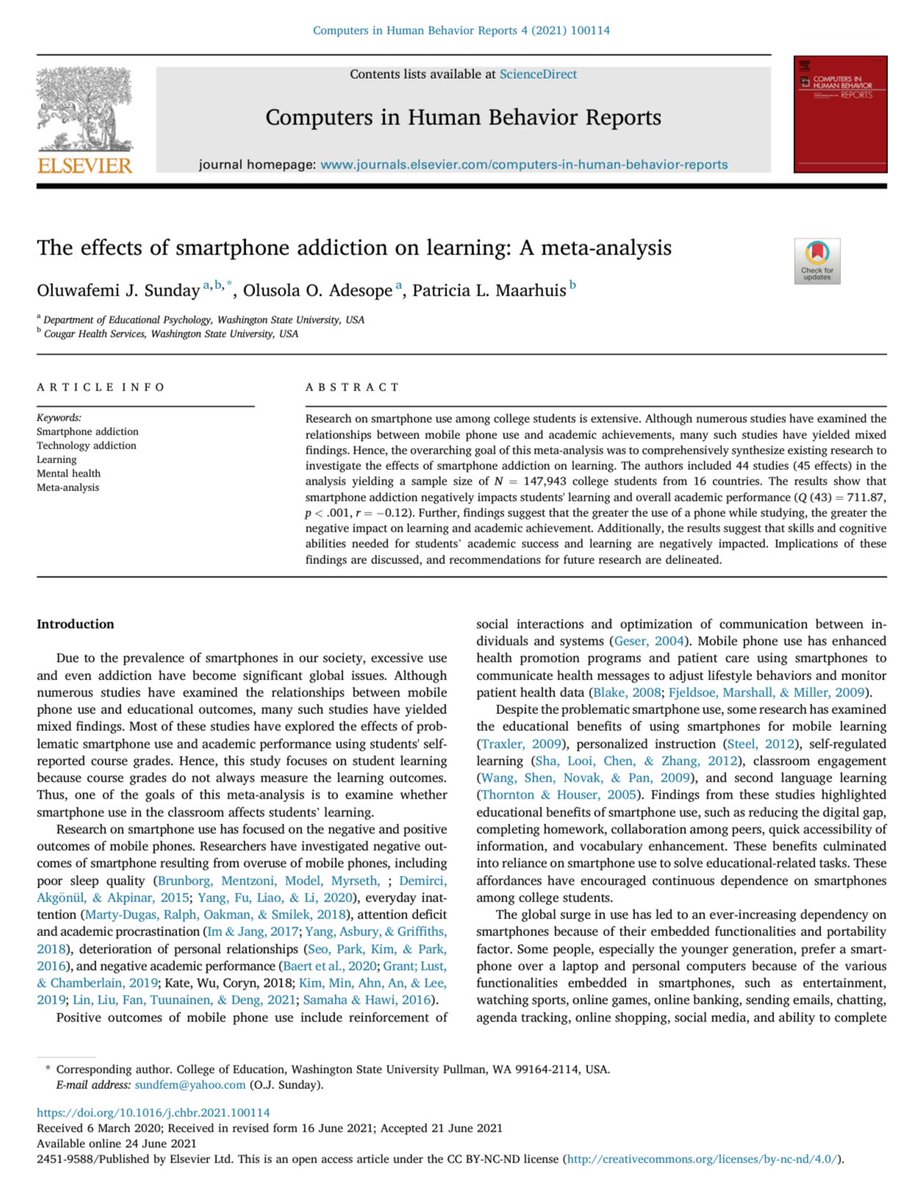
Smartphone addiction has negative impacts on student learning and overall academic performance. The greater the use of a phone while studying, the greater the negative impact on learning. The skills and cognitive abilities students needed for academic success are negatively affected by excessive phone use. The results of this meta-analysis implied that addicted users show a diminished level in learning.
🚨 BREAKING: Google Research just dropped the textbook killer.
Its called "Learn Your Way" and it uses LearnLM to transform any PDF into 5 personalized learning formats. Students using it scored 78% vs 67% on retention tests.
The education revolution is here.