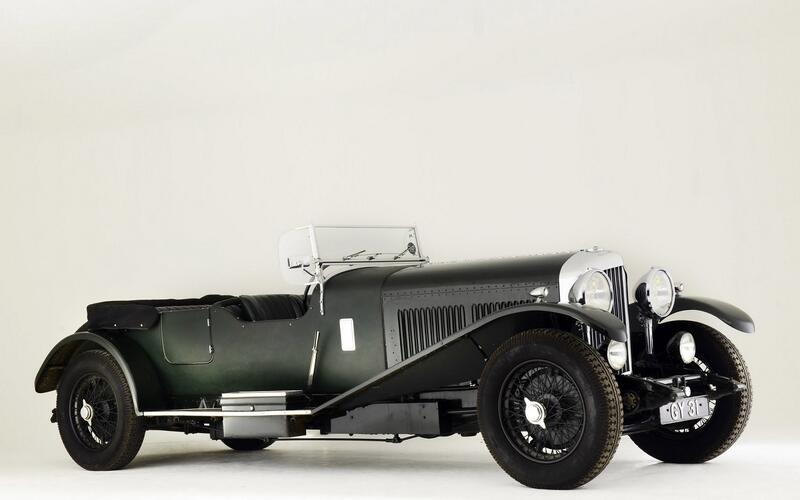
Bentley 8-Litre (8.0-litres)
The 1930s Bentley 8-Litre featured a 7982cc six-cylinder engine with a single-piece block, magnesium alloy crankcase, and four valves per cylinder.
Producing 220bhp, only 100 of these powerful, high-grade road cars were produced.
Rolls-Royce Phantom II
The 1930s Rolls-Royce Phantom II featured a smooth, reliable 7.7-litre straight-six with seven main bearings, dual ignition, and an aluminium cylinder head.
The Continental model offered racier camshafts, though power outputs were undisclosed.
Rolls-Royce Phantom II
The 1930s Rolls-Royce Phantom II featured a smooth, reliable 7.7-litre straight-six with seven main bearings, dual ignition, and an aluminium cylinder head.
The Continental model offered racier camshafts, though power outputs were undisclosed.
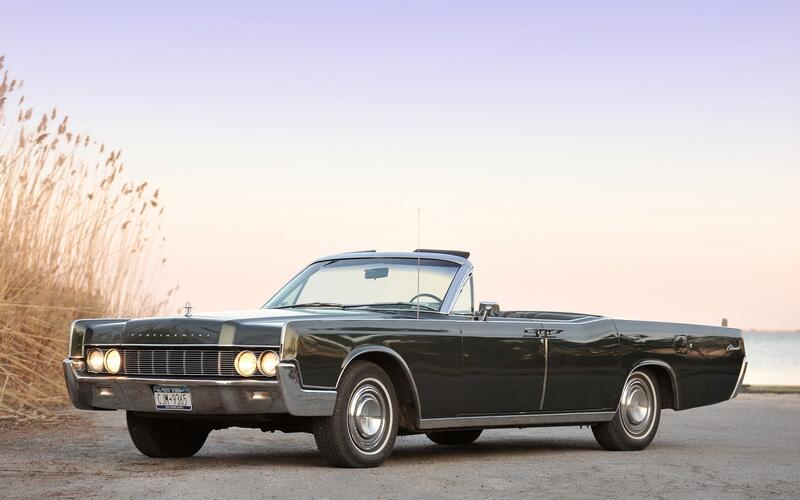
Lincoln Continental 1961
To move its heavy 4th-gen Continental, Lincoln adopted a 7.6-litre V8 in 1966—Ford's largest engine to date.
Though quickly replaced by a 7.5-litre V8, this rare Lima-built unit remains the most sought-after among classic car enthusiasts.
Lincoln Continental 1961
To move its heavy 4th-gen Continental, Lincoln adopted a 7.6-litre V8 in 1966—Ford's largest engine to date.
Though quickly replaced by a 7.5-litre V8, this rare Lima-built unit remains the most sought-after among classic car enthusiasts.
Dodge Charger R/T
Dodge fitted the 7.2-litre (440cu in) 375bhp 'Magnum' V8 to the Charger in 1967.
It became standard on the 2nd-gen R/T (Road/Track), though buyers could opt for the smaller yet more powerful 425bhp 426 Hemi V8 (7.0-litre) for superior speed.
Dodge Charger R/T
Dodge fitted the 7.2-litre (440cu in) 375bhp 'Magnum' V8 to the Charger in 1967.
It became standard on the 2nd-gen R/T (Road/Track), though buyers could opt for the smaller yet more powerful 425bhp 426 Hemi V8 (7.0-litre) for superior speed.
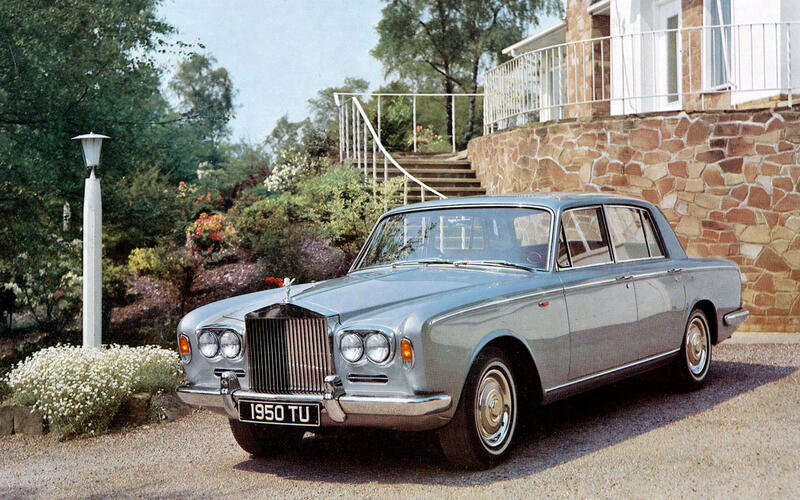
Rolls-Royce Silver Shadow
The 6.75-litre L-Series V8 debuted in 1959 and powered around 70% of all #RollsRoyces before ending production in 2020.
Designed under-stressed for longevity, it boosted power over time via turbocharging to serve models like the Silver Shadow.
Rolls-Royce Silver Shadow
The 6.75-litre L-Series V8 debuted in 1959 and powered around 70% of all #RollsRoyces before ending production in 2020.
Designed under-stressed for longevity, it boosted power over time via turbocharging to serve models like the Silver Shadow.
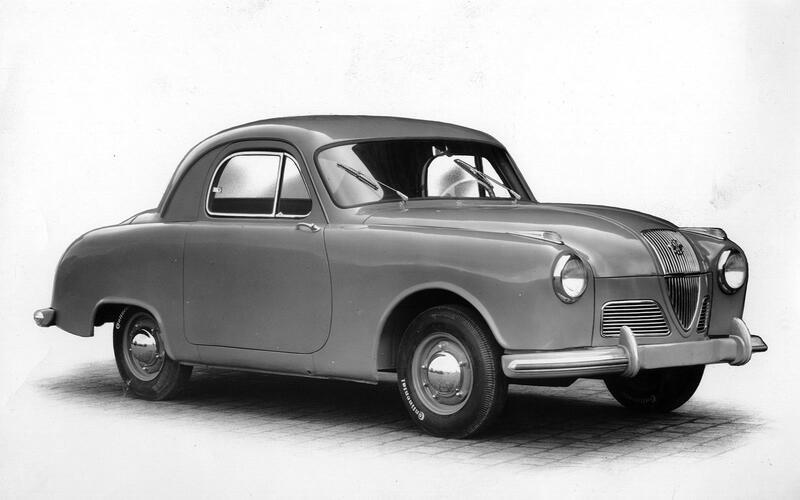
Hansa 1100
Founded in 1905, #Hansa merged with Lloyd in 1914 before joining Borgward in 1929.
After shifting to trucks in 1937, Hansa survived as a Borgward car model until the parent company's collapse in 1961.
Hansa 1100
Founded in 1905, #Hansa merged with Lloyd in 1914 before joining Borgward in 1929.
After shifting to trucks in 1937, Hansa survived as a Borgward car model until the parent company's collapse in 1961.
Hanomag (1925-1952)
Founded in 1835 as a machinery firm, #Hanomag built steam vehicles in 1905 and launched its 2/10 economy car in 1925.
Post-WW2 passenger car plans failed, forcing a shift to trucks and tractors before the business was broken up and sold off.
Hanomag (1925-1952)
Founded in 1835 as a machinery firm, #Hanomag built steam vehicles in 1905 and launched its 2/10 economy car in 1925.
Post-WW2 passenger car plans failed, forcing a shift to trucks and tractors before the business was broken up and sold off.
Gutbrod Superior (1926-1954)
Founded in 1926 as a motorcycle maker, #Gutbrod transitioned to small two-stroke cars like the Superior under Walter Gutbrod.
The firm shut down in 1954, though an identically named company produced small 4WD farm vehicles from 1975 to 1990.
Gutbrod Superior (1926-1954)
Founded in 1926 as a motorcycle maker, #Gutbrod transitioned to small two-stroke cars like the Superior under Walter Gutbrod.
The firm shut down in 1954, though an identically named company produced small 4WD farm vehicles from 1975 to 1990.
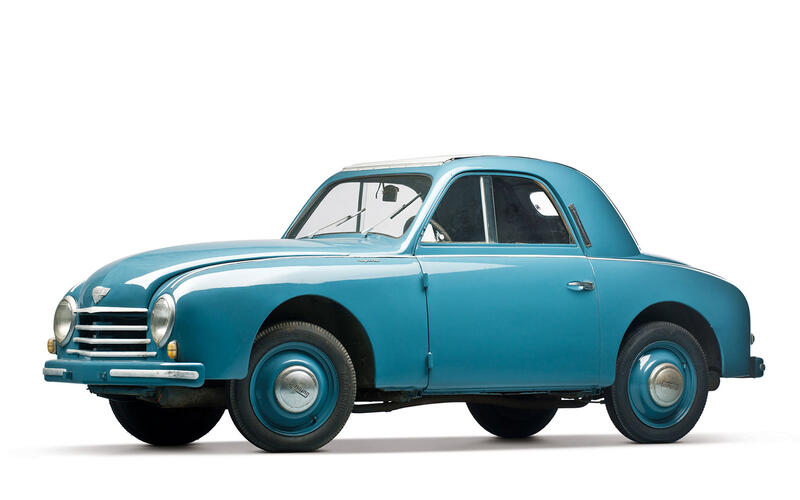
Goliath 1100
Founded by Carl Borgward and Wilhelm Tecklenborg in 1928, Goliath began with three-wheeled light trucks before making passenger cars like the 1931 Pionier and 1950 GP700.
It switched to four-stroke engines in 1957, but the brand folded by 1958.
Goliath 1100
Founded by Carl Borgward and Wilhelm Tecklenborg in 1928, Goliath began with three-wheeled light trucks before making passenger cars like the 1931 Pionier and 1950 GP700.
It switched to four-stroke engines in 1957, but the brand folded by 1958.
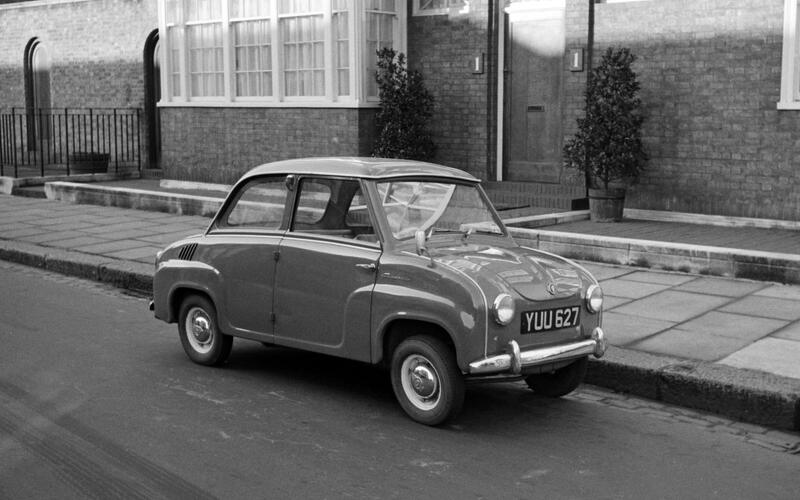
Glas Goggomobil saloon
Starting in agricultural machinery and motorcycles, Glas launched the Goggomobil in 1955.
After expanding into upmarket coupés and a 2.6-litre V8 GT in 1966, the company had its final flourish before being absorbed into BMW that same year.
Glas Goggomobil saloon
Starting in agricultural machinery and motorcycles, Glas launched the Goggomobil in 1955.
After expanding into upmarket coupés and a 2.6-litre V8 GT in 1966, the company had its final flourish before being absorbed into BMW that same year.
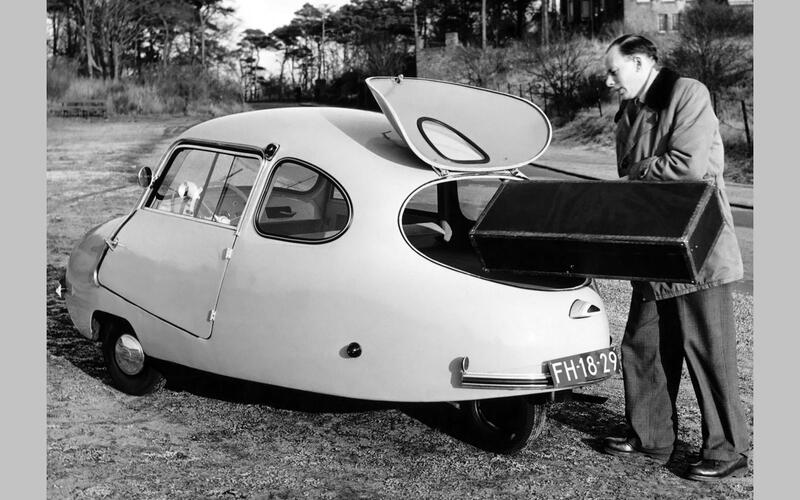
Fuldamobil 200 (1950-1960)
Elektromaschinebau built the Fuldamobil: a three-wheeled microcar that evolved from wood and alloy to all-steel, then glassfibre.
The original firm closed in 1960, but licensed production of its four-wheeled and cabriolet variants lasted until 1969.
Fuldamobil 200 (1950-1960)
Elektromaschinebau built the Fuldamobil: a three-wheeled microcar that evolved from wood and alloy to all-steel, then glassfibre.
The original firm closed in 1960, but licensed production of its four-wheeled and cabriolet variants lasted until 1969.
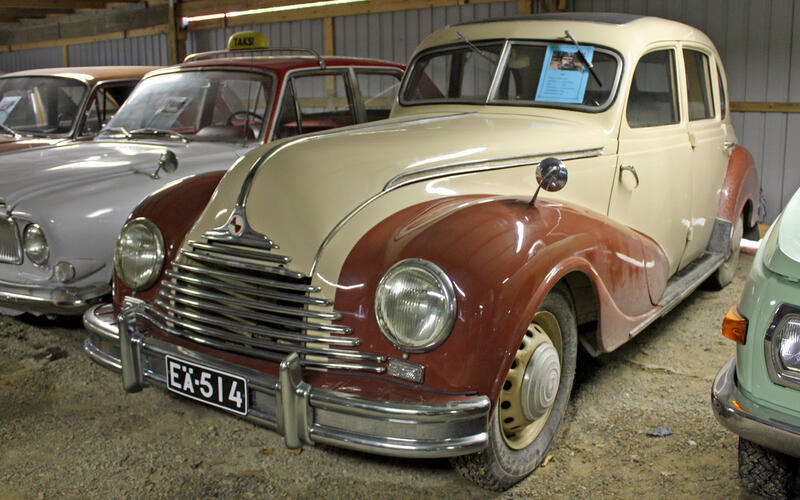
EMW 340 (1945-1956)
After WWII, BMW’s East German Eisenach plant was Soviet-nationalized and kept making BMWs.
Following a 1952 lawsuit by BMW, it rebranded to EMW, keeping similar models until shutting down in 1956 to produce Wartburgs instead.
EMW 340 (1945-1956)
After WWII, BMW’s East German Eisenach plant was Soviet-nationalized and kept making BMWs.
Following a 1952 lawsuit by BMW, it rebranded to EMW, keeping similar models until shutting down in 1956 to produce Wartburgs instead.
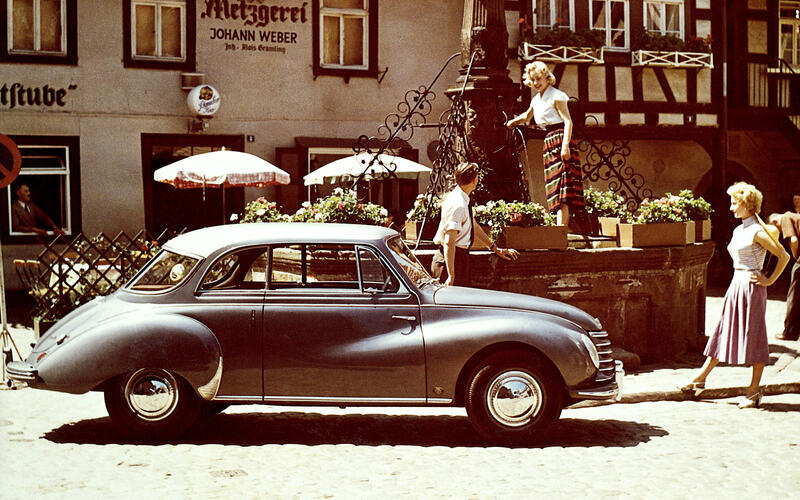
DKW 3=6 (1928-1966)
In the 1920s, motorcycle leader DKW built its first two-stroke car in 1928 before joining Auto Union in 1932.
Pioneer of Europe's first post-war front-wheel-drive model, #DKW was bought by VW in 1964 and retired by 1966 in favor of Audi badges.
DKW 3=6 (1928-1966)
In the 1920s, motorcycle leader DKW built its first two-stroke car in 1928 before joining Auto Union in 1932.
Pioneer of Europe's first post-war front-wheel-drive model, #DKW was bought by VW in 1964 and retired by 1966 in favor of Audi badges.
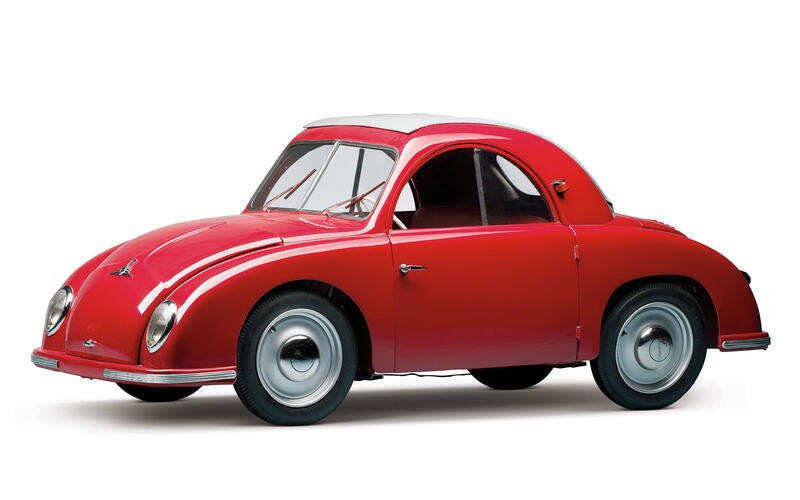
Champion 400 (1948-1954)
Champion launched its 250 in 1948, later adding the upgraded 400 model.
However, competition from the similarly priced, more usable VW Beetle led to Champion's collapse in 1952, after which it was sold to motorcycle maker Maico in 1955.
Champion 400 (1948-1954)
Champion launched its 250 in 1948, later adding the upgraded 400 model.
However, competition from the similarly priced, more usable VW Beetle led to Champion's collapse in 1952, after which it was sold to motorcycle maker Maico in 1955.
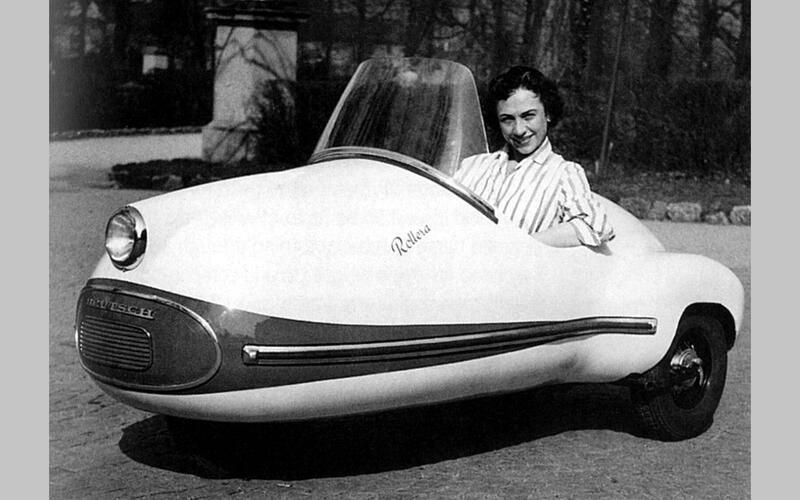
Brutsch Rollera (1952-1958)
Egon Brutsch made ultra-basic, three-wheeled microcars with single-cylinder engines and no doors.
Deemed dangerous and taken to court in 1956, his designs were unsuccessful; he produced 11 models over six years, yielding just 81 total units.
Brutsch Rollera (1952-1958)
Egon Brutsch made ultra-basic, three-wheeled microcars with single-cylinder engines and no doors.
Deemed dangerous and taken to court in 1956, his designs were unsuccessful; he produced 11 models over six years, yielding just 81 total units.
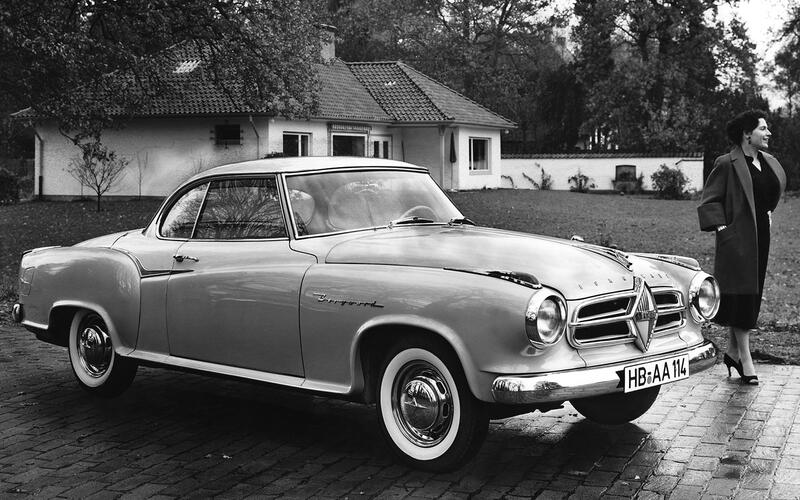
Borgward Isabella (1924-1961)
In the 1950s, #Borgward was a top German car brand famous for models like the Isabella.
However, running multiple separate post-war brands created high costs, leading to bankruptcy in 1961. Grandson Christian revived the SUV brand in 2008.
Borgward Isabella (1924-1961)
In the 1950s, #Borgward was a top German car brand famous for models like the Isabella.
However, running multiple separate post-war brands created high costs, leading to bankruptcy in 1961. Grandson Christian revived the SUV brand in 2008.
Amphicar 770 (1961–1968)
Hans Trippel’s Triumph Herald-powered #Amphicar770 became a rare commercial success among amphibious vehicles.
Nearly 4,000 units were sold, mostly finding buyers in the US alongside a small number in European markets.
Amphicar 770 (1961–1968)
Hans Trippel’s Triumph Herald-powered #Amphicar770 became a rare commercial success among amphibious vehicles.
Nearly 4,000 units were sold, mostly finding buyers in the US alongside a small number in European markets.
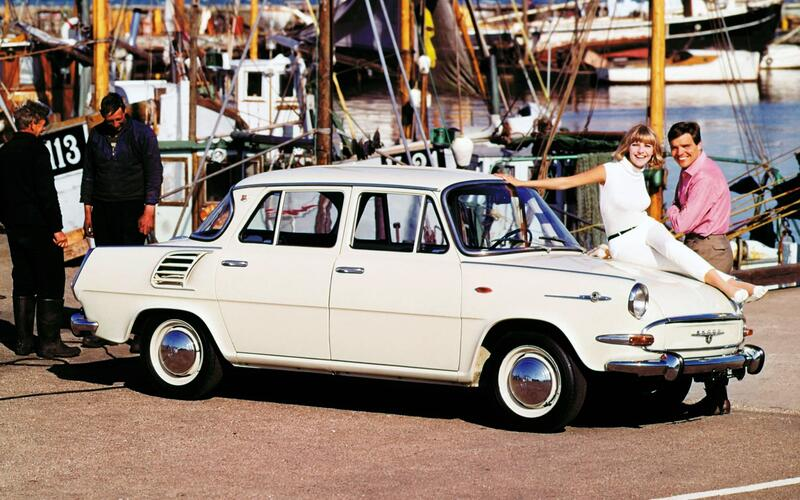
Skoda 1000 MB (1964)
Developing the 1000 MB, #Skoda chose a rear-engine, rear-wheel-drive layout over other options to stay modern while avoiding similarity to the old Octavia.
Production ended in 1969, but Skoda kept making rear-engined cars until 1990.
Skoda 1000 MB (1964)
Developing the 1000 MB, #Skoda chose a rear-engine, rear-wheel-drive layout over other options to stay modern while avoiding similarity to the old Octavia.
Production ended in 1969, but Skoda kept making rear-engined cars until 1990.
Tatra 603 (1956)
Launched in 1956, the #Tatra603 featured an aerodynamic design and a rear-mounted, air-cooled V8.
Associated with high-ranking Eastern European officials, it was also exported, with Fidel Castro notably owning an air-conditioned model.
Tatra 603 (1956)
Launched in 1956, the #Tatra603 featured an aerodynamic design and a rear-mounted, air-cooled V8.
Associated with high-ranking Eastern European officials, it was also exported, with Fidel Castro notably owning an air-conditioned model.
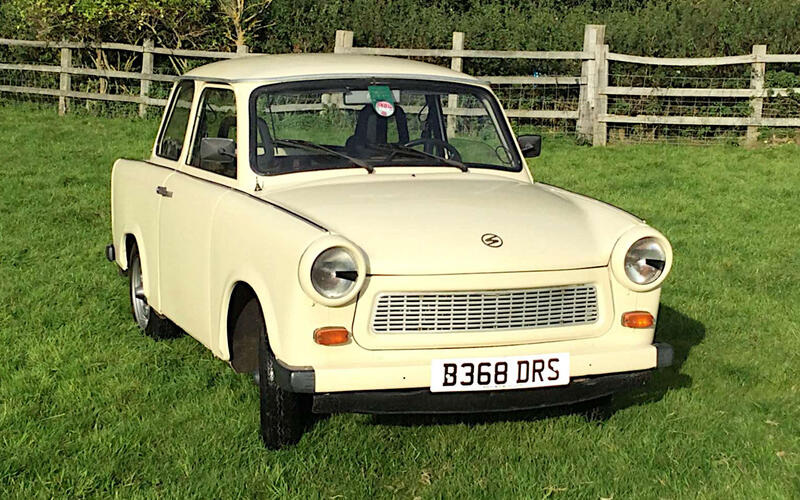
Trabant 601
The Trabant 601 was an outdated East German car bought only due to a lack of alternatives. Despite long wait times, over three million were sold.
When Germany reunified, locals eagerly bought better West German cars, putting Trabant out of business.