EXCELLENT! A new Climate Movie has just been released - and the makers have sent it to me for embedding here - enjoy!!!
Please follow the guys here: @freedom_rsrch - support them - we need to get REALITY out all over the place! 😀 Thanks to @TomANelson also for connecting me!
Scientists and experts featured in the film
•William Happer – Physicist, Professor Emeritus, Princeton University.
•Richard Lindzen – Atmospheric physicist, Professor Emeritus, Massachusetts Institute of Technology (MIT).
•Judith Curry – Climatologist, former Chair of the School of Earth and Atmospheric Sciences, Georgia Institute of Technology, and Professor Emerita.
•Samuel Furfari – Professor Emeritus of Geopolitics and Energy Policy, Université libre de Bruxelles, and former senior official at the European Commission’s Directorate-General for Energy.
•Lars Schernikau – Dr. Lars Schernikau is an energy economist, commodity trader, entrepreneur and author. Lars believes that energy should not be a political matter. His conclusions are based on how energy systems actually work, what they cost and what is needed to keep them running reliably. These views are not influenced nor do they change, regardless of one’s views on anthropogenic global warming (AGW). Providing reliable and affordable energy is a necessity, not a political angle.
•Valter Kiisk – Associate Professor, Institute of Physics, University of Tartu.
•Arne Ader – Biologist and renowned nature photographer.
When you all know the boom is coming… and you all flinch anyway. 🤣
So cool to watch this from so close with a small portion of the people who work every day to make it a reality.
As astra, per aspera. 🚀🛰️🧑🚀🇺🇸
BREAKING: Here's the full interview of SpaceX CFO Bret Johnsen with Gavin Baker at the TomorrowX Summit today.
0:00 Launch Video Intro
1:42 See a Launch
2:38 Flight 15 Learnings
2:59 Second Stage Catch
4:15 Orbital Compute Timeline
5:22 Orbital Compute Economics
7:24 Cost Breakdown Details
8:18 Deployment Timeline
8:35 Zero Operating Costs
11:10 Terrestrial Compute Edge
13:08 Casting Own Blades
14:30 Financing & Payback
17:04 Compute Demand Strong
19:28 Anthropic Insourcing Risk
22:33 GrokBot & Software Tools
24:20 Next Grok Versions
24:33 Starlink V3 & DTC
26:56 Community Impact Stories
28:00 Cochise Benefits Stats
29:16 Efficient Network Design
30:13 AI for Ordinary Americans
31:31 Brazil Starlink Impact
32:22 AI in Three Years
As I’ve said in a couple of interviews, democracy is a fundamental value shared by the United States and New Zealand. The freedom to disagree is part of what makes it worth defending.
Read more 🔗
https://t.co/jwX3tL89da
I was always annoyed in school, learning about the evils of the British Empire but never the glory, the honour, bravery and courage. And never much about NZ history, we learned about Samuel Marsden and the basics of Captain Cook, and that’s about it.
So I’ve decided to remedy that by learning a bit about NZ history.
The Battle of Ōhaeawai, 1 July 1845
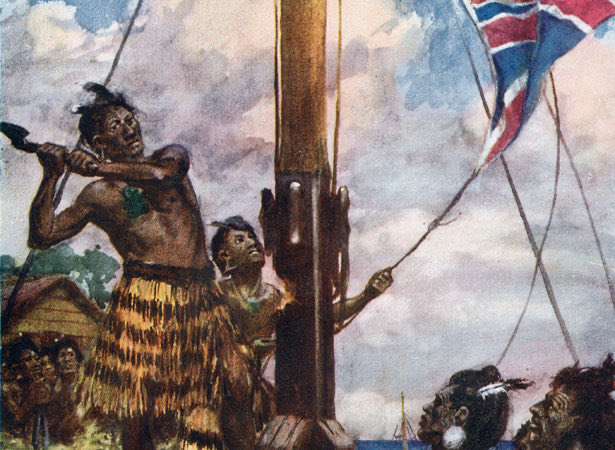
This was one of the most significant battles in the Northern War of 1845-46. The war started as a result of Hōne Heke Pōkai’s actions, this Maori leader signed the Treaty of Waitangi (which ceded Maori authority of New Zealand to the crown) but then grew angry about British expansion and began launching attacks against the British colonists. Famously cutting down the British flagstaff during their attack on Russell on 11 March 1845 in which Maori killed about 20-25 people.
In response to this attack (an act of war) the British army mobilised and began their march on Ōhaeawai.
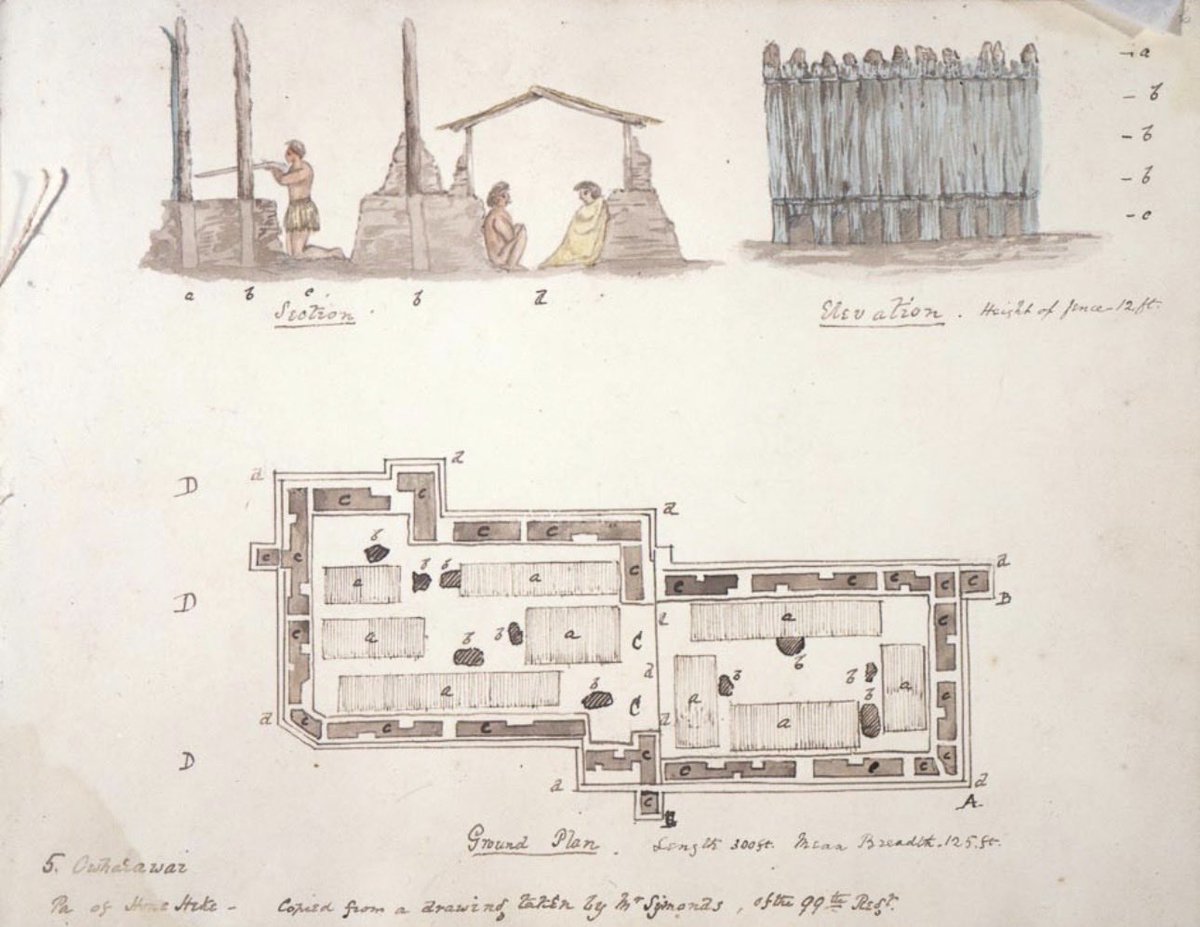
Unbeknownst to the English the Maori had fortified one of their settlements specifically to repel European firepower, digging trenches and fortified firing positions along its ramparts.
In late June Colonel Henry Despard commanded the British army, which had men of the 58th and 99th Regiments, Royal Navy, Marines and even militia forces. The British had near 600 men and five artillery pieces available. They bombarded the pā (Maori fort) for a week, beginning on 24 June, but failed to inflict significant damage to make a full frontal assault.
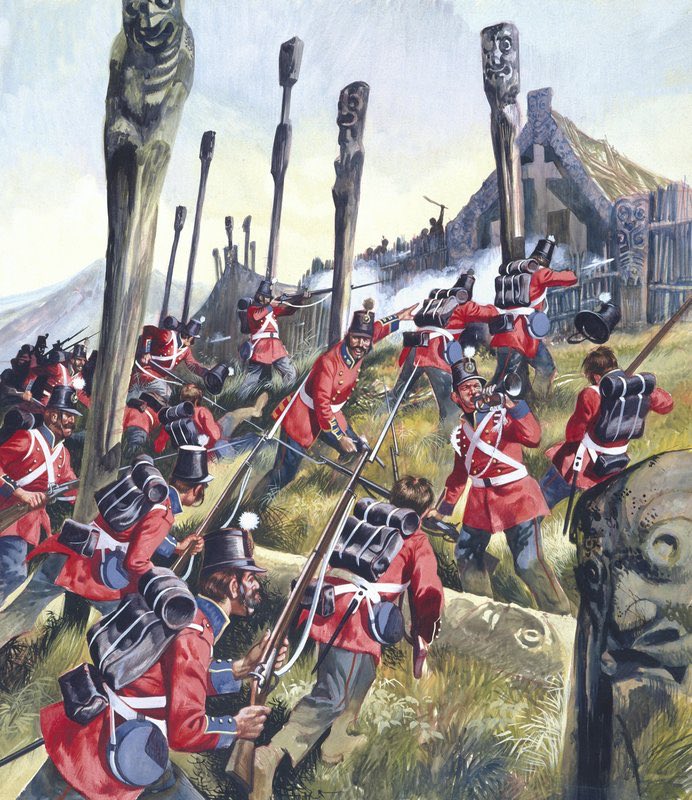
On the 1st of July after the Maori launched an attack against the British artillery battery’s, so Colonel Despard ordered an attack of 250 British Regulars, famously depicted below with their red coats. The attack failed as the British were unaware of the extend of Maori fortifications and approximately 40 British died and another 70-100 more wounded.
On the 10 July Colonel Despard ordered the artillery to resume its bombardment of the fort and overnight the Maori abandoned the position, likely knowing they would be unable to hold it much longer. British troops then occupied the fort the following day and claimed victory by rout.
And thus the battle was over.
#NewZealand #British #History #Victory