THIS IS AN ACTUAL F*CKING GOLDMINE
Anthropic just shared one of the best tricks for Claude Code.
The idea: run Sonnet, Haiku 5.5 and Opus 5.5 at once, each one doing only the job it's best at.
Better results and way fewer tokens, because every task lands on the right model.
You just launch Claude Code like this:
claude --model sonnet --advisor opus
here's the split:
→ Sonnet 5.5 runs the session, writes the code and applies the fixes
→ Haiku 5.5 swarms the repo in parallel: search, grep and diff audits
→ Opus 5.5 stays on call as advisor for the big calls and signs off on the diff
→ you stop burning Opus context on work that doesn't need it
Opus only steps in at three moments:
→ before a plan locks
→ when the same error shows up twice
→ before calling it done
Sonnet builds. Haiku swarms. Opus reviews.
JEV engineering is the same move one layer down: the forks that need no thinker (which file, which tool, retry or stop) go to JEV in milliseconds, and the big models only see the ones that split
the full tree
> Sonnet 5.5 runs the main session and coordinates the work
> search maps the repo on Haiku 5.5, read-only
> grep finds call sites on Haiku 5.5 in its own context
> audit checks the diff on Haiku 5.5 in a throwaway worktree
> Opus 5.5 on call as advisor, reviews the synthesized diff before sign-off
> JEV routes micro-forks in milliseconds
paste the tree and this prompt into Claude Code ↓
"Reconfigure my Claude Code setup around this tree:
1. Run the main session on Sonnet 5.5 with Opus 5.5 as advisor.
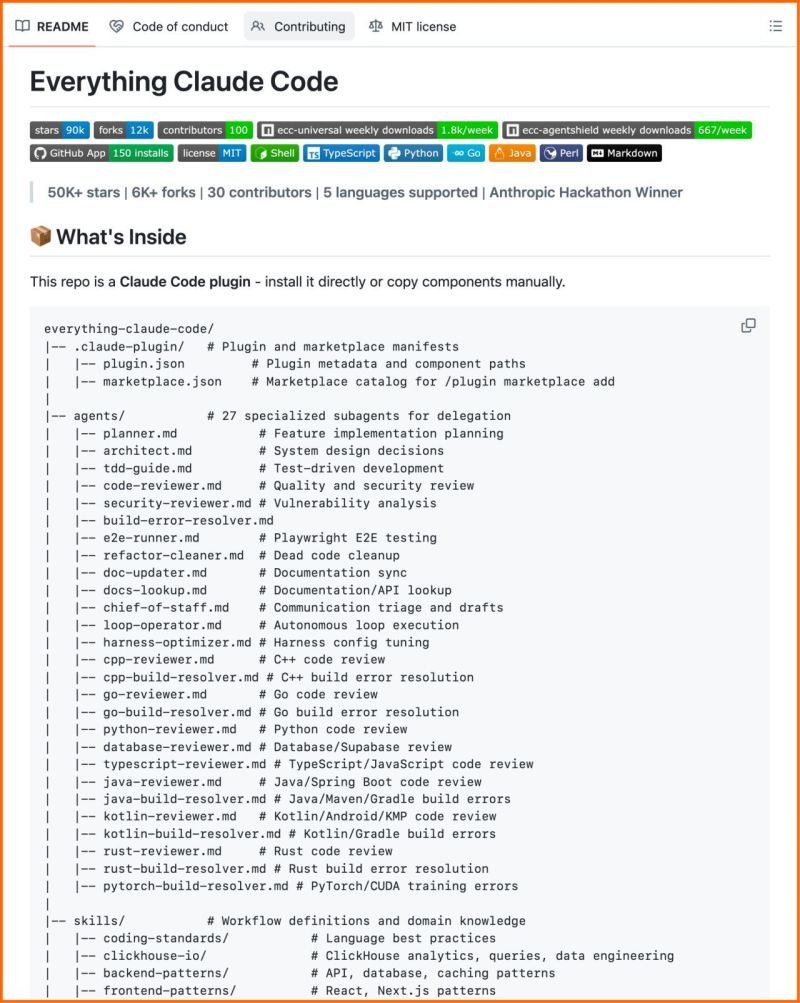
2. Create three Haiku 5.5 subagents in .claude/agents: search (maps the repo), grep (finds call sites), audit (checks the diff).
3. Set isolation: worktree on audit so its checks never touch my working branch.
4. Add one rule to CLAUDE.md: delegate every repo search and test run to the Haiku 5.5 subagents to keep the main context small.
5. Route fast deterministic forks (tool choice, path selection, retries) through JEV.
Show me every change as a diff first. No edits until I say go."
↳ https://t.co/YqkjQiqRGv
save it, it'll come in handy.
this Anthropic paper f*cking insane
it's basically the 9-step loop top AI engineers wrap around Claude Code before they let it near a repo.
every step, every formula, the full copy-paste template, all of it laid out.
paste it into Opus 5.5 once and your agent goes from guessing to planning, checking and fixing its own work.
the crazy part is anthropic has been recommending these exact pieces in their own docs all along and 99% of people still just type "fix this bug" and wonder why the agent breaks things.
bookmark it before this thread gets lost.
then read the full Graph Engineering guide below ↓